
Reviewed · TEMPLE TOURS
Chiang Mai: Temple & City Tour Part II
Chiang Mai’s best temple walk is not always the one with the biggest golden roof. This tour takes you from Wat Chiang Man, the city’s oldest temple, to quieter religious sites tied to Shan and Burmese culture. Guides such as Katoon, Big, Eddy, and Son add personal stories about Buddhism, meditation, and life as a monk.
I like the careful mix of famous and less familiar temples, and I like that you can ask real questions instead of simply following a flag through a crowded compound. The main drawback is physical: you will walk for hours, often in heat, and your feet may complain by the final stop.
Key points to know before you book
- Wat Chiang Man dates to 1296: King Mengrai built Chiang Mai’s oldest temple, where a crystal Buddha statue is enshrined.
- The route explains Shan and Burmese influence: Wat Chiang Yuen and Wat Pa Pao show a side of Chiang Mai that many standard temple walks miss.
- Wat Ku Tao has a striking purpose: Its unusual chedi is thought to hold the ashes of Prince Saravadi, the first Burmese overlord of Chiang Mai.
- Former monks may guide the walk: Katoon and Big, among the named guides, have used their experience of monastic life to explain prayer, meditation, food, and temple customs.
- Walking ability matters: The route is described as relatively easy, but it lasts for hours and offers limited relief from the midday heat.
- Private bookings add convenience: Hotel pickup and drop-off are included when you select the private option.
Four temples, four chapters of Chiang Mai
This is a city walk built around religious buildings, but the real subject is Chiang Mai itself. Each temple adds a different piece to the story: the city’s founding, Shan settlement, Burmese design, and the political power that once crossed the border from Myanmar.
The advertised start is 8:20 am, a useful time for getting ahead of the strongest heat. Check the available start time when booking, since the activity is valid for one day and schedules can vary. The experience is offered in English, Chinese, and Thai, with private or small-group options.
I would not treat this as a quick photo stop at four temples. The guides spend time explaining what you are seeing. You may learn how to enter a temple properly, how to pray, what certain images mean, and how Buddhist practice fits into daily Thai life.
More City Tours in Chiang Mai
- Chiang Mai: 3 Hour Old City and Temples Guided Walking Tour
★ 4.6 · 1,568 reviews - Chiang Mai: Historic Temples and City Guided Walking Tour
★ 4.7 · 650 reviews - Chiang Mai: Historic Old City Bike Tour – Morning or Night
★ 4.7 · 263 reviews
Wat Chiang Man and the beginning of the city
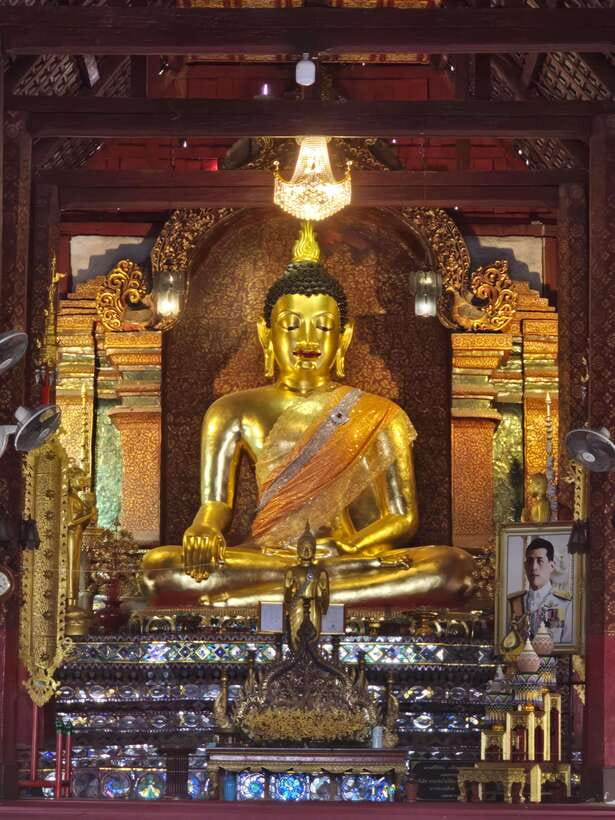
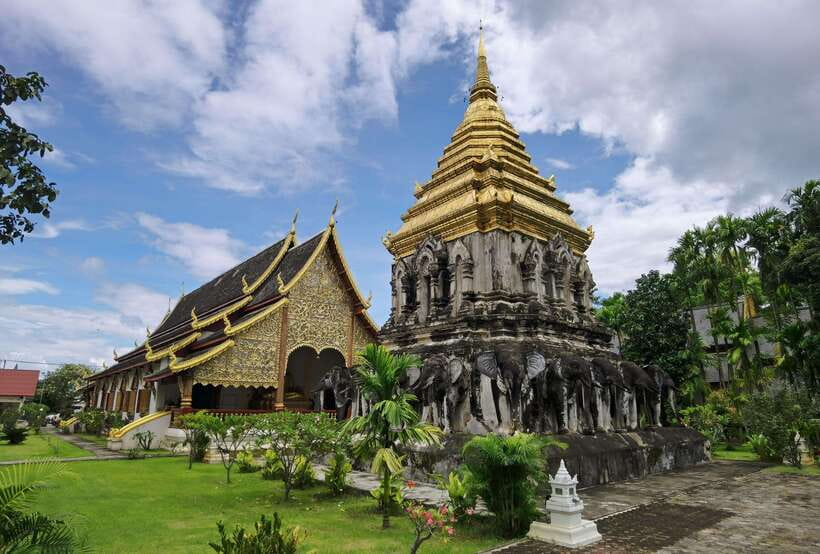
Wat Chiang Man is the natural first stop. Built in 1296 by King Mengrai, it is considered the oldest temple in Chiang Mai town. That date matters: you are not just looking at an old building, but at a place linked to the foundation of the city itself.
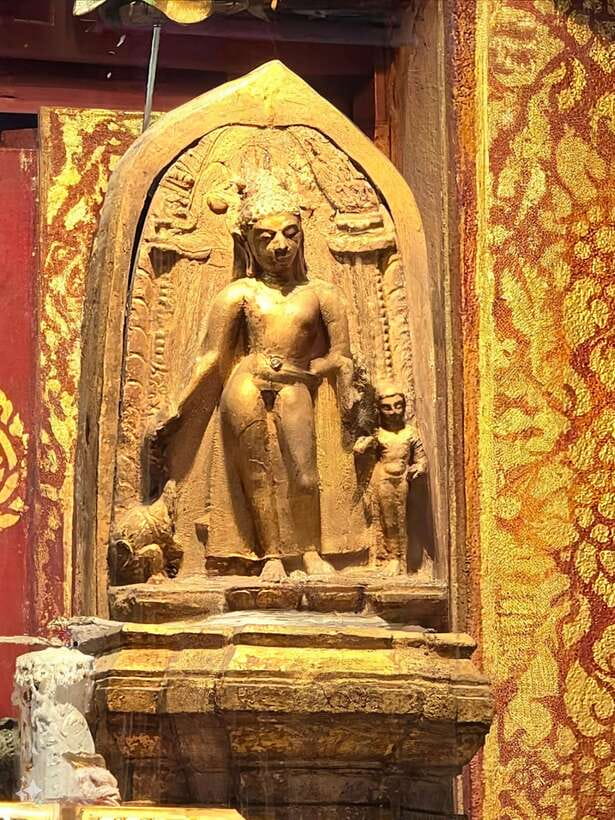
The temple is also associated with a crystal Buddha statue. Your guide can put the statue and the building into a religious setting, rather than leaving you to guess why a particular image matters.
I like beginning here because the temple gives the walk a clear starting point. You hear about King Mengrai, the early city, and the role of Buddhism before moving into the cultural influences that shaped later Chiang Mai.
Expect time on your feet and time listening. That is good for anyone who wants more than a quick look at a sanctuary, but it may feel slow if you prefer to move independently and take your own pictures. The guide-led pace is part of the value, yet it also means you should be comfortable giving up some control over your morning.
Wat Chiang Yuen and the Shan connection
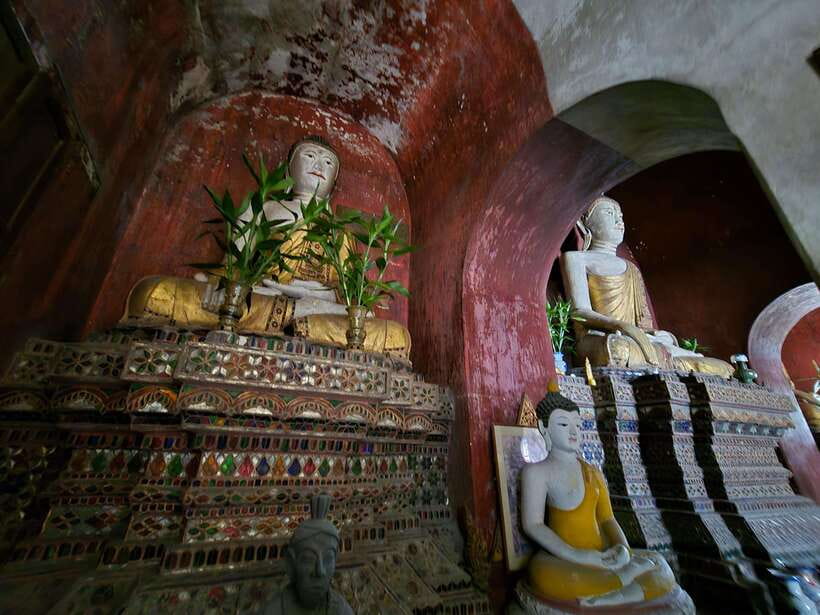
Wat Chiang Yuen brings a different story. This 16th-century temple sits in an area that once served as a residential district for Shan people. The Shan are an ethnic group with close cultural and historical ties across northern Thailand and Myanmar, and this stop helps explain why Chiang Mai’s religious character cannot be reduced to one local style.
The appeal here is context. You are not simply ticking off another temple. You are seeing how communities brought their beliefs, building traditions, and ways of life into the city.
This is one of the places where a good guide makes a large difference. Katoon, who is described as a former monk, has explained Buddhist practice and temple life in detail during this walk. Big has also used his years as a monk to discuss Buddhism and local customs. Guide assignments can change, so treat those names as examples rather than a guarantee, but the experience is designed around personal explanation.
For you, that means this stop works best if you arrive with questions. Ask about the difference between temple types, the role of monks, or the meaning of a particular image. The walk is less useful if you only want an architectural checklist.
Wat Pa Pao and Shan Burmese design
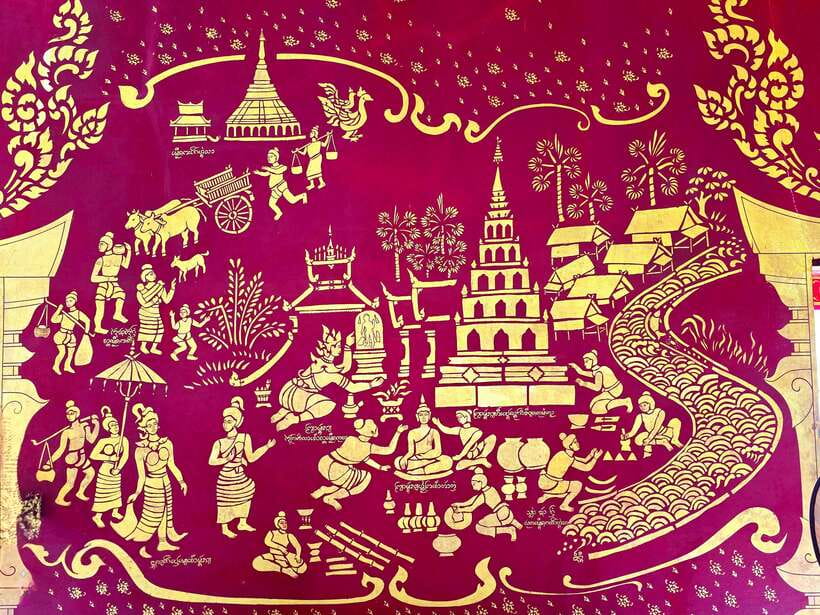
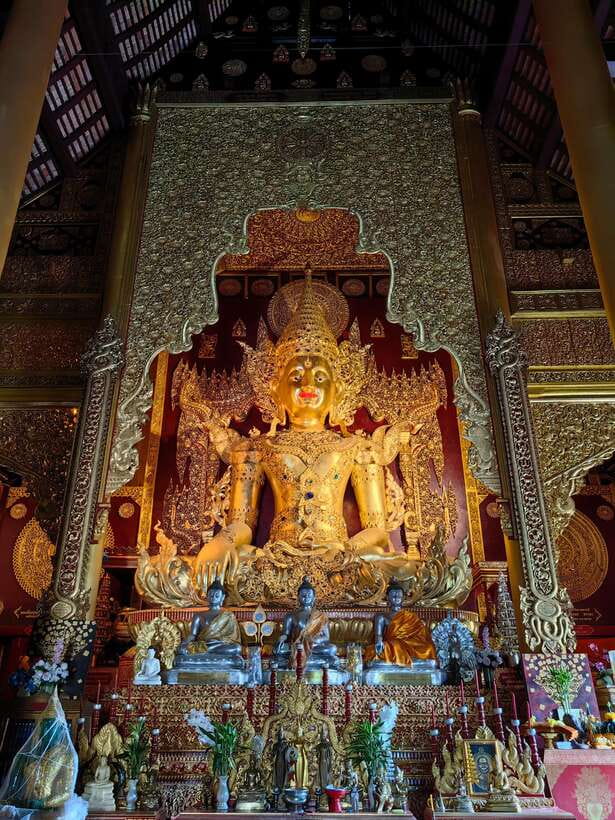
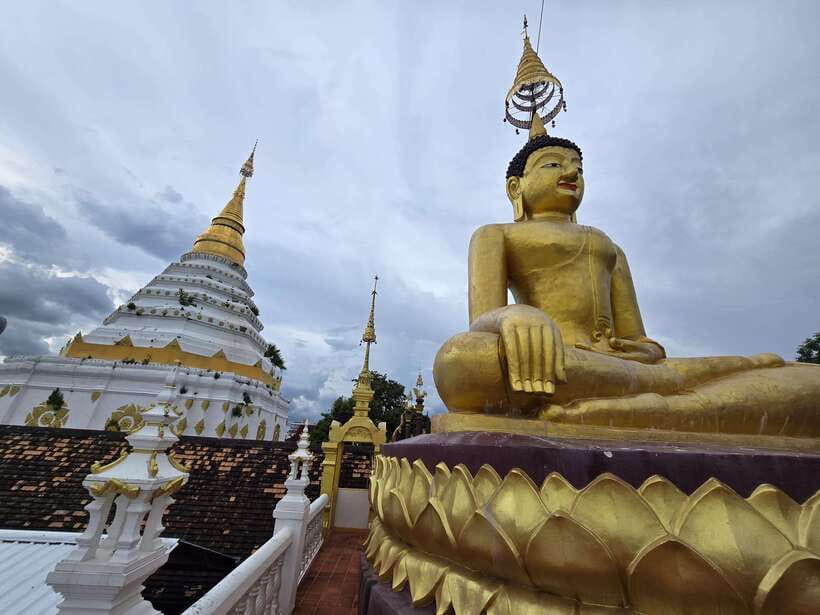
Wat Pa Pao is a Shan Burmese-style temple outside Chiang Mai’s old city walls and moats. Its position matters. The tour takes you beyond the most familiar central sights and into a part of the city where the Shan and Burmese influence is easier to appreciate.
The style gives you another visual language to compare with Wat Chiang Man and Wat Chiang Yuen. Look for differences in decoration, form, and the way the compound feels. Your guide can point out details that may pass unnoticed when you are walking alone.
I especially like this stop for repeat visitors to Chiang Mai. You may have already seen the major temples around the old city, but Wat Pa Pao adds cultural range without requiring a separate day trip.
There is a practical tradeoff. A temple outside the old city walls may involve more walking between stops, and the heat can build as the morning goes on. Wear shoes that will stay comfortable, carry water, and bring an umbrella for sun or rain. The supplied advice also includes carrying cash, since food and additional drinks are not included.
More Temple Tours in Chiang Mai
- Chiang Mai: White, Red/Black & Blue Temples Tour with Lunch
★ 4.2 · 2,017 reviews - Chiang Mai: Doi Suthep and Wat Umong Enchanting Evening Tour
★ 4.6 · 1,811 reviews - Chiang Mai: Doi Suthep, Wat Umong, and Pha Lat Sunrise Tour
★ 4.7 · 1,425 reviews - Chiang Mai: Wat Pha Lat & Wat Phra That Doi Suthep Tour
★ 4.8 · 1,207 reviews
Wat Ku Tao and a complicated political past
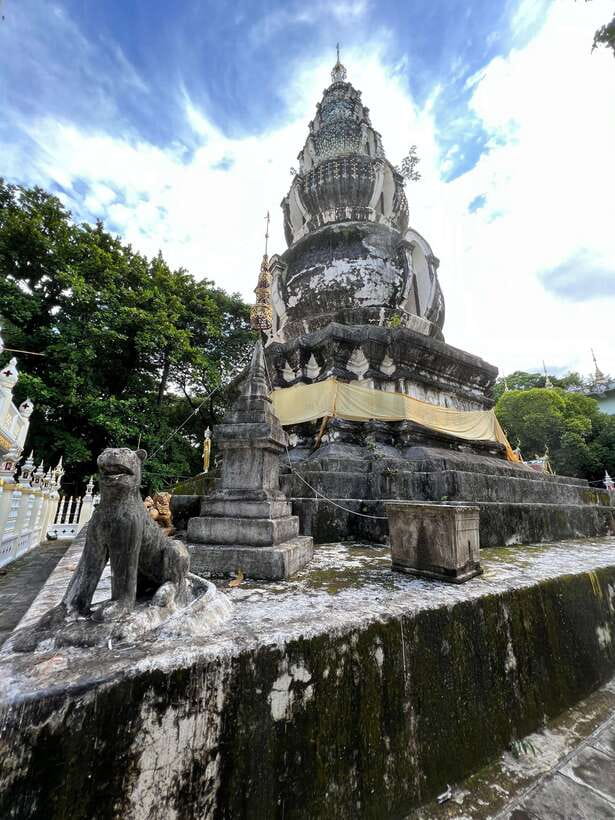
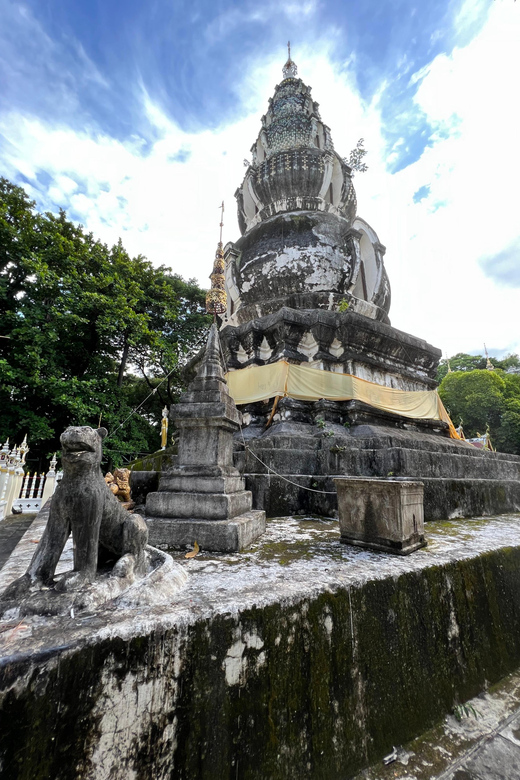
The final temple is Wat Ku Tao, known for a highly unusual chedi. It is thought to have been built in 1613 to hold the ashes of Prince Saravadi, who ruled Chiang Mai as its first Burmese overlord from 1578 to 1607.
That story gives the stop more weight than its unusual shape alone. The chedi connects religious space with the changing political control of the region. Your guide can help you understand how Burmese influence became part of Chiang Mai’s story.
This is a strong closing stop because it brings together the themes from the earlier temples. You have seen the city’s founding period, a Shan residential area, a Shan Burmese religious style, and a monument linked to Burmese rule.
You should not expect a single smooth, simple version of history. Chiang Mai’s past includes different communities and rulers, and this walk is useful precisely because it shows those layers. The experience is still introductory, but it offers more substance than a standard run through the most photographed temples.
Why the guide matters more than the route
The temples are worthwhile on their own, but the guide is the main reason to book this rather than walk the route with a map. The strongest part of the experience is the chance to discuss Buddhism as a living practice.
Several guides have drawn praise for explaining meditation, prayer, temple etiquette, Buddha’s previous lives, and the daily life of monks. One former monk described how monks eat and live, while another showed how to pray and enter temples respectfully. Those details turn a beautiful building into a place with purpose.
Katoon is frequently named in the feedback, and guests who walked with him valued his former monastic experience and his patience with questions. Big is also described as an enthusiastic guide with experience as a monk. Eddy has been singled out for friendly service and taking photographs, while Son has been praised for thoughtful explanations of Buddhism and Thai culture.
Names and guide availability can change, so you should not book solely for one person. Still, the pattern is clear: this is a tour for people who want conversation and explanation. If you ask questions, you are likely to get more from the time than if you simply follow along quietly.
Photography is another useful touch. Eddy and other guides have helped with pictures during the walk. That is convenient if you are traveling alone, though you should still make sure the guide is free before asking for a long photo session.
The walking pace, heat, and comfort
The route is described as relatively easy to walk, but easy does not mean effortless. You will visit four temple sites and walk for hours. One person who completed both parts of the wider temple program found the full day hard on the feet, even with a break between sessions.
Heat is the main concern. April and other hot periods can make the same route feel much tougher than it does during a cooler morning. Start with water, use an umbrella for shade, and dress for a temple setting. Short skirts are not allowed, and respectful clothing is essential at religious sites.
The activity is not suitable for children under two, babies under one, pregnant women, or wheelchair users. Electric wheelchairs, baby strollers, pets, drones, smoking indoors, alcohol, drugs, sharp objects, and disruptive behavior are not allowed.
Those restrictions are not unusual for a temple walk, but they affect who should book. I would choose this for an adult or older child who can walk comfortably and listen for extended periods. It is a poor match if you need a stroller, wheelchair access, or frequent transport between stops.
Is $31 good value?
At $31 per person, this is fairly priced if you want a guide rather than just temple entry and directions. The fee includes the guide and walking tour. Food and extra drinks are not included, so budget for your own refreshments.
The value improves if you care about history, Buddhist practice, or local culture. A self-guided walk can show you the same compounds, but it cannot easily explain why Wat Chiang Man matters, how Shan communities shaped the area around Wat Chiang Yuen, or why Wat Ku Tao’s chedi is linked to a Burmese ruler.
Private and small-group choices also change the value. A private tour costs more than a shared outing in many booking setups, but it can be worthwhile if you want a slower pace, more questions, help with photographs, or hotel pickup and drop-off. Hotel transport is included only with the private option, so do not assume it comes with every booking.
The activity also says it prioritizes carbon offsetting and reducing environmental impact. A walking route naturally limits vehicle use, which suits the design of the experience.
Practical details that can save you trouble
The meeting point deserves attention. One person had trouble with a plus-code style address and found that taxi drivers and hotel staff could not identify it easily. Confirm the exact meeting place before the day, and do not rely on a code alone. A nearby landmark, such as the Three Kings Monument, may be easier to use if it is confirmed by the operator.
Bring:
- Water or other drinks
- An umbrella
- Cash
- Clothing suitable for temple visits
- Comfortable walking shoes
The activity offers free cancellation up to 24 hours before the start for a full refund. You can also reserve and pay later, which is useful if your Chiang Mai plans are still shifting. Check the available start time before booking, since the experience is valid for one day.
English, Chinese, and Thai are offered. If language detail matters to you, select the language carefully at booking.
Should you book this temple walk?
Book it if you want to understand Chiang Mai’s temples rather than simply photograph them. The strongest reasons are the four-stop route, the Shan and Burmese connections, and the chance to ask a guide about Buddhist practice and monk life.
I would especially recommend it as a companion to the first part of the same temple program, though it also works alone. Several people have completed both, and the second part adds temples and cultural context rather than merely repeating the usual old-city circuit.
Skip it if you dislike walking, struggle in heat, need accessible transport, or prefer to explore without a guide. For everyone else, $31 buys a thoughtful introduction to a less obvious side of Chiang Mai, with enough history and personal explanation to make the temples easier to understand.
FAQ
What temples does the tour visit?
The walking tour visits Wat Chiang Man, Wat Chiang Yuen, Wat Pa Pao, and Wat Ku Tao.
What time does the tour start?
The stated start time is 8:20 am. Check availability when booking because starting times can vary.
How long does the activity last?
It is listed as a one-day activity. The route involves walking for hours between four temples.
Is hotel pickup included?
Hotel pickup and drop-off are included if you select the private option. They are not listed as included for the standard walking tour.
Which languages are available?
The tour is offered in English, Chinese, and Thai.
Is this a private tour or a group tour?
You can choose a private tour or a small-group option.
What is included in the price?
The $31 price includes a tourist guide and the walking tour. Food and additional drinks are not included.
Can I cancel for a full refund?
Yes. You can cancel up to 24 hours in advance for a full refund. You can also reserve now and pay later.
Just added around Chiang Mai
- Chiang Mai Best City Tour with Doi Suthep & Iconic Temples★ 4.5 · 24 reviews
- Chiang Mai Michelin Food Walking Tour with Professional Tour Guide★ 4.5 · 13 reviews
- Private Chiang Mai Temple Tour with Doi Suthep and Wat Umong★ 5.0 · 52 reviews
- Secret Waterfall and Bamboo Rafting from Chiang Mai★ 5.0 · 30 reviews
- Bua Tong Waterfall Adventure& Huge Cave included Thai Buffet Tour★ 4.5 · 28 reviews
- Chiang Mai Sak Yant Tattoo By Ajarn Tu★ 5.0 · 25 reviews
- Chiang Mai Airport Transfer by Private Van – Arrival or Departure★ 4.5 · 11 reviews
- Chiang Mai Scavenger Hunt and Sights Self-Guided Tour★ 5.0 · 8 reviews
Temple Tours, compared.
Chiang Rai Temples, Karen Tribe and Hot Springs
Read our review →
City Highlights Temple and Market Walking Tour
Read our review →
Bangkok by Night: Temples, Markets and Food Tuk-Tuk Tour
Read our review →
Grand Palace, Wat Pho, and Wat Arun Guided Tour
Read our review →
Tiger Cave Temple, Emerald Pool and Hot Springs Tour
Read our review →
Chiang Rai White Temple and Blue Temple Day Tour
Read our review →Browse the lists this tour appears in