
Reviewed · FOOD & DRINK
Chiang Mai: Local Food and Markets Guided Walking Tour
Chiang Mai’s best food experiences are often small, busy, and easy to miss. This 150-minute walking tour takes you from Chansom Memorial Bridge into the flower and food markets, with stops for steamed dumplings, Chinese-style fried dough, mango sticky rice, and Hakka noodles. It is a useful way to try unfamiliar foods without guessing what to order.
I like the local-market focus, and I like that guides such as Koi, Nom, Patty, and Banana have helped visitors understand not only what they are eating, but why certain foods belong to Chiang Mai’s Chinese and Thai food culture. The main drawback is that food is not included in the $48 price, so you need cash and should expect to pay at each stop.
Key points at a glance
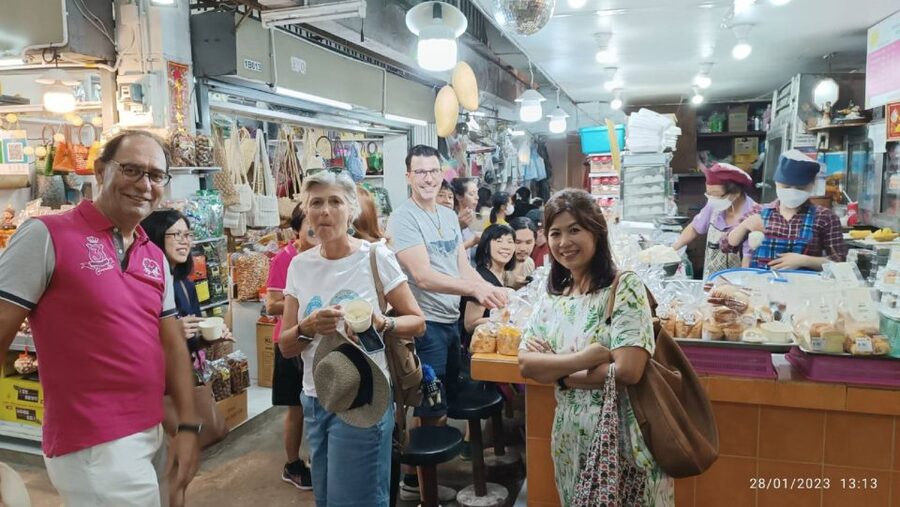
- Four distinctive tastings: Try Khao Kriab Pak Moh dumplings, pa thong go, mango sticky rice, and Hakka-style noodles, with exact choices subject to availability.
- Markets do the heavy lifting: Ton Lamyai Flower Market and Warorot Market offer far more than food, with flowers, herbs, produce, clothing, and local snacks.
- Morning is the smart choice: Many food stalls and restaurants close by early afternoon, so earlier start times give you the best chance of following the planned route.
- A guide makes the difference: Guides including Koi, Nom, Patty, Banana, and Sunny have been praised for clear explanations, ordering help, and flexible substitutions.
- Bring extra walking energy: The route includes a fair amount of walking between stops, with one visitor estimating about 2.5 miles.
- Not designed for every diet: There is no vegan option, and the route is not suitable for people with mobility, heart, respiratory, or pregnancy-related concerns.
Why this food walk works in Chiang Mai
Chiang Mai can feel simple to eat in until you face a market stall with unfamiliar names, unmarked trays, and no clear way to ask what is inside. This tour gives you a local guide who handles the awkward parts. You can point, taste, ask questions, and move on without spending half your morning trying to decode a menu.
The route also gives you more than a string of snacks. You begin near the Ping River and move through markets that show how Chiang Mai shops and eats. The flower market adds color and scent, while Warorot Market brings you into the city’s everyday food trade. Along the way, your guide may explain local customs, Chinese influences, cooking methods, and the buildings or neighborhoods around the stalls.
The experience is conducted in English or Thai. That matters at places where the food is not arranged for tourists and where the person selling it may have little English. Several guides have also helped with ordering, finding seats, carrying bags, and changing the plan when a restaurant was closed or too crowded.
At $48 per person, the value depends on what you want. This is not a cheap snack crawl once you add the food costs. You are paying for a short guided introduction, market access made easier, and the confidence to try dishes you may otherwise skip. If you only want a few inexpensive bites, you can spend less by exploring alone. If you want context and help ordering, the price is more defensible.
More Walking Tours in Chiang Mai
- Chiang Mai: 3 Hour Old City and Temples Guided Walking Tour
★ 4.6 · 1,568 reviews - Chiang Mai: Historic Temples and City Guided Walking Tour
★ 4.7 · 650 reviews - Chiang Mai: Temple And City Walking Tour Part I
★ 4.7 · 244 reviews
Starting at Chansom Memorial Bridge
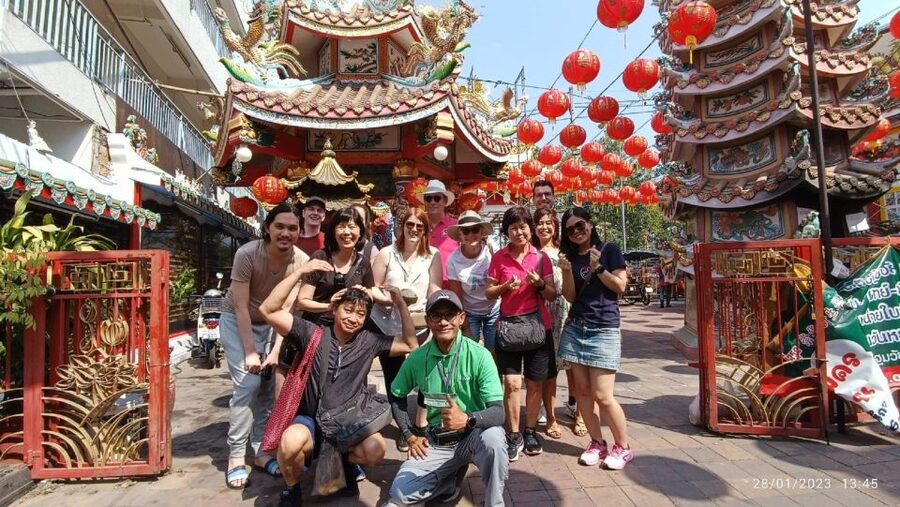
The meeting point is Chansom Memorial Bridge, locally called Khua Khaek, opposite Ton Lamyai Flower Market. The tour begins on Praisanee Road, and the guide will hold a TripGuru sign. You should arrive 10 minutes early, especially in the morning when traffic can be slow and unpredictable.
The guide may confirm the exact meeting details by email the evening before. Do not cut it close. The guide can wait only 10 minutes after the scheduled time, and Chiang Mai traffic can take longer than a navigation app suggests.
This is a walking tour, not a hotel pickup excursion. You make your own way to the bridge, so allow extra time if you are coming from outside the central market area. Comfortable shoes matter more than smart clothes. The route is not extreme, but you will walk between food stops and through crowded market lanes.
First taste: sweet Khao Kriab Pak Moh
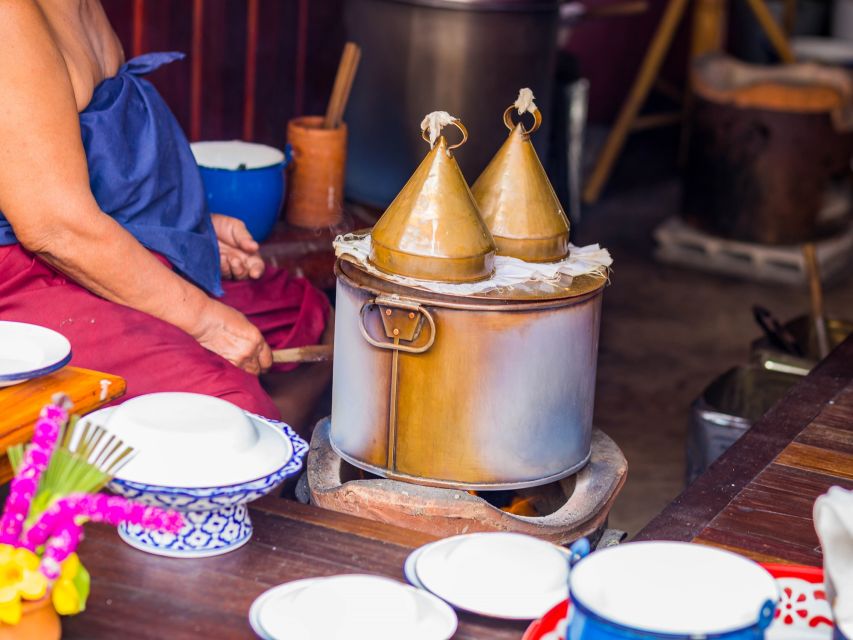
The first food stop is Lung Khajohn Wat Ket, known for Khao Kriab Pak Moh. These are delicate steamed rice skin dumplings, usually filled with peanuts. They are soft, lightly sweet, and quite different from the fried snacks many people expect from a Thai food tour.
This is a good opening dish because it introduces you to a texture you may not find familiar. The rice wrapper is thin and tender, while the peanut filling gives it a mild nutty bite. Your guide can explain how the dumplings are made and how they fit into the local snack scene.
This stop may be popular, so the pace can depend on how busy the stall is. One guide has even pre-ordered for a group when the place was crowded. That kind of small intervention saves time and helps you get the food while it is fresh.
If you have a nut allergy, ask your guide before eating. The filling is usually peanuts, and food stalls may not have the same allergy controls you expect at home.
Ton Lamyai Flower Market and the sensory break
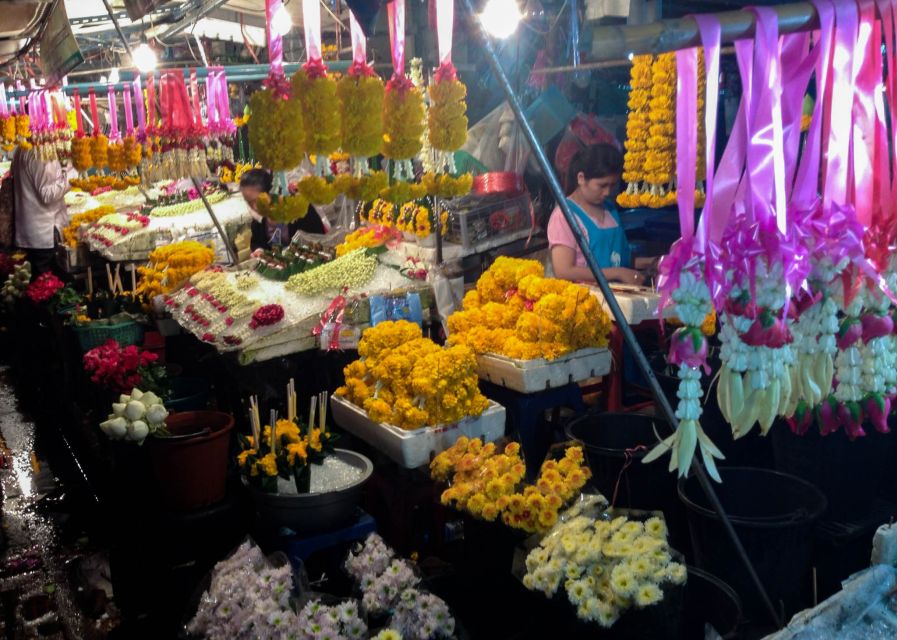
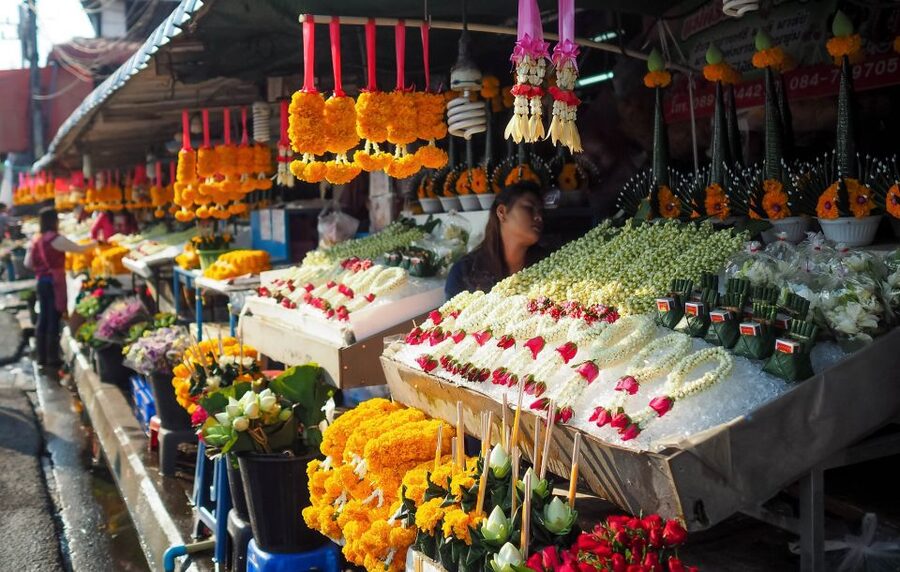
After the first tasting, you pass through Ton Lamyai Flower Market. This is not just a quick photo stop. The market sells flowers and herbs, and the displays brighten the route after the compact food stall.
You can expect a changing mix of colors, scents, and market activity. It is also a useful reminder that Thai markets are working places first. People come to buy ingredients and flowers, not only to look around. Your guide may point out items you would otherwise walk past without understanding.
The tour description suggests fresh flowers as one of the pleasant features of the route, but do not expect a long botanical visit. This is a food walk, so the market visit is part of the route rather than the main event. If you want to buy something, keep your purchases manageable because you still have more walking ahead.
Same base, a completely different sort of day out:
- Half-Day Thai Cooking Class at Organic Farm in Chiang Mai
★ 5.0 · 19,087 reviews - Chiang Mai: Elephant Sanctuary, Waterfall & Bamboo Rafting
★ 4.9 · 9,160 reviews - Chiang Mai: Elephant Sanctuary & Waterfall Group Tour
★ 4.9 · 5,780 reviews - Chiang Mai: Cooking Class, Market & Thai Herbs Garden Tour
★ 4.9 · 4,824 reviews
Go Neng and the famous dinosaur-shaped dough
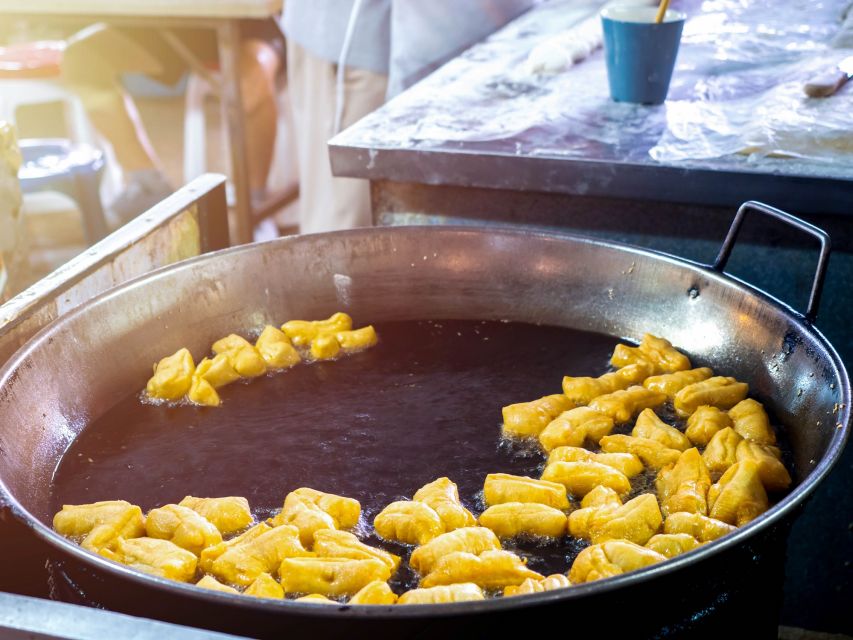
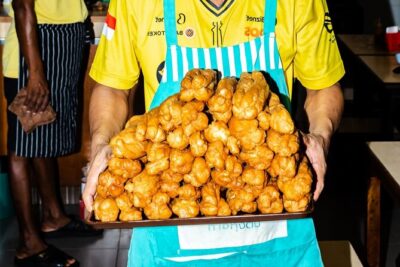
Next comes Go Neng, where you can try pa thong go, Chinese-style deep-fried dough sticks. Some pieces are shaped in unusual forms that resemble dinosaurs, which explains the snack’s playful reputation. The shape is fun, but the appeal is mainly the crisp, fried dough and its place in everyday local eating.
This is a classic example of why a guide helps. You might see the strange shapes and assume they are a novelty made for visitors. Instead, pa thong go is a familiar snack eaten by local people, often with a drink or another breakfast item.
The portion and availability can vary. One stop may offer a straightforward piece of fried dough, while another version might come with a drink or a different accompaniment. If you are already filling up, share the tasting with someone in your group when possible.
The tour is built around variety, not large restaurant portions. Still, the food adds up quickly. Several people have found the full route surprisingly filling, so do not eat a heavy breakfast before a morning or lunchtime departure.
Warorot Market, Chiang Mai’s main food stop
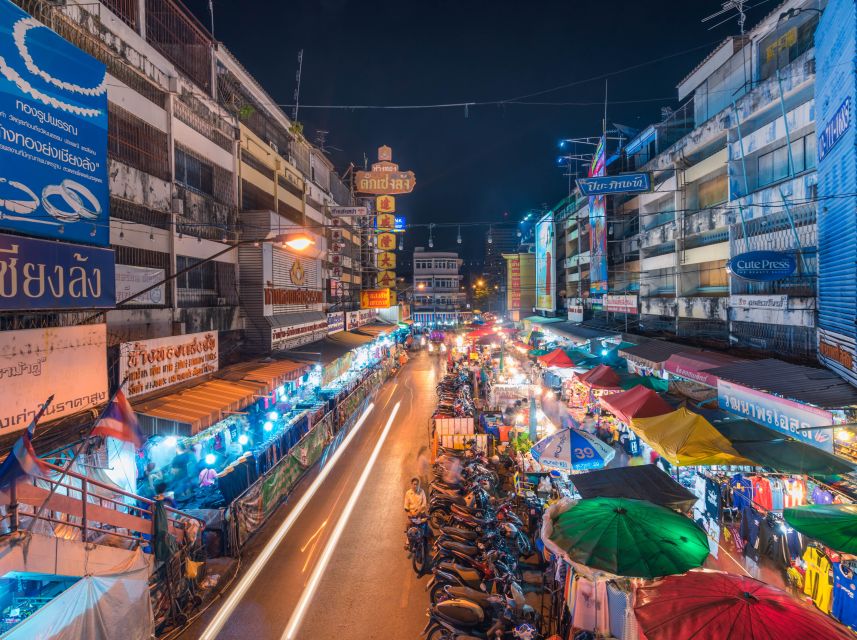
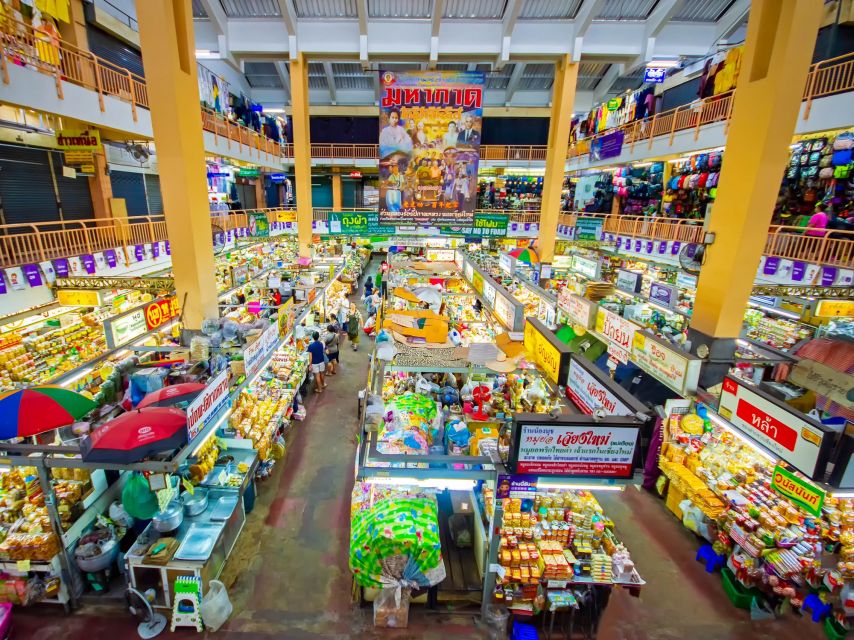
Warorot Market is the center of the route. You will find snacks, produce, clothes, prepared foods, and other goods here. This is where the walking tour becomes a market orientation as much as a food tasting.
A good guide can make this stop far more useful than a solo wander. Instead of simply passing rows of dried goods and packaged snacks, you can ask what locals buy, how foods are used, and which items travel well. Guides have also offered recommendations for restaurants and night markets later in the stay.
Warorot can be busy, and the walking pace may become quick in narrow aisles. Keep your group together and watch your bags. You should also expect some standing and waiting while food is found or prepared.
The mango sticky rice stop is the sweet course. It combines ripe mango with sticky rice and coconut-based sauce. You hunt down a particular stall rather than receiving a generic market dessert, which gives the tasting a more specific local focus.
Mango quality changes with the season, so this stop may not be identical on every date. The same is true of market availability. Your guide may substitute another stall if a vendor is closed or if supplies are limited.
The final bowl at Thana Ocha
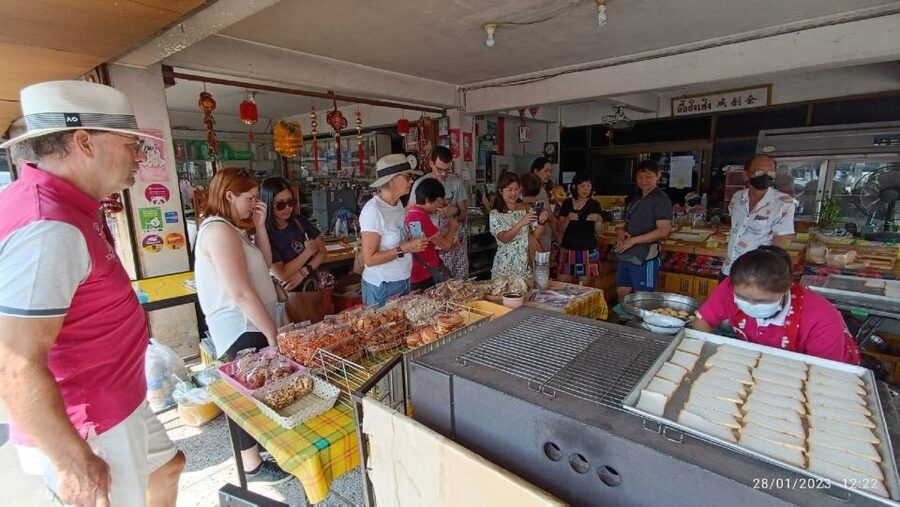
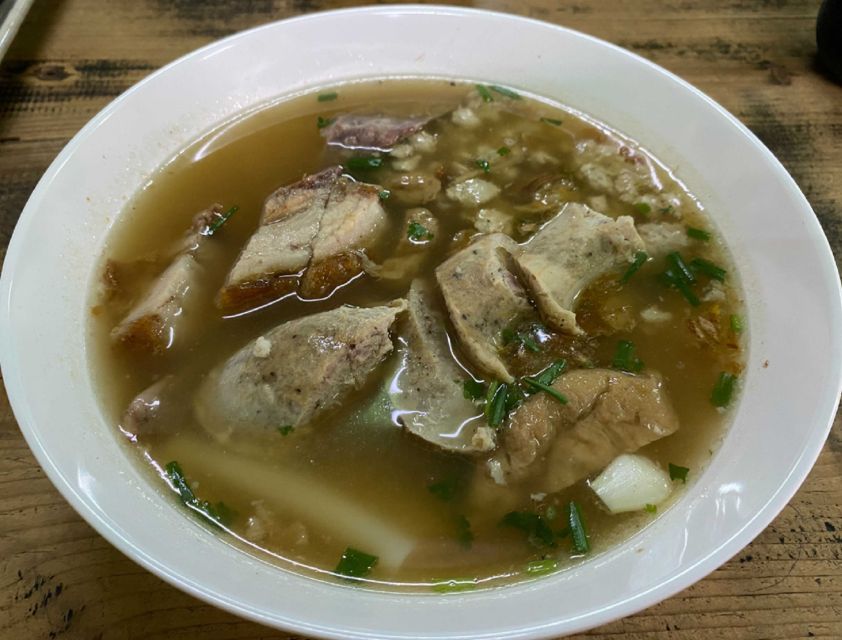
The tour finishes with a savory meal at Thana Ocha. The specialty is Hakka-style noodles with Hakka stuffed tofu, fish sausage, and wontons. After the sweeter early tastings, this bowl provides a more substantial finish.
The dish reflects Chiang Mai’s mix of Thai and Chinese food traditions. The noodles are not simply another Thai street snack, and the stuffed tofu and fish sausage give you several textures in one serving. It is the kind of food that is easier to appreciate when someone explains what is in the bowl and how the components fit together.
This was one of the most frequently praised parts of the route. Some people specifically preferred the first dumplings and the final noodle soup, while others found every stop strong. You should expect a satisfying meal rather than a tiny sample.
The listed finishing point is Ton Lam Yai Market, even though the route also moves through Warorot and the flower market. Confirm the exact end point with your guide on the day, since market access, restaurant hours, weather, and availability can change the walking pattern.
Timing matters more than the menu suggests
You can choose from several start times, but the morning slots are the safest choice if you want the named stops. Many of the restaurants and stalls close by early afternoon. The 2:30 pm option is still possible, but the guide may replace closed venues with other street-food stalls.
That flexibility is useful, but it means the later tour may not match the food sequence described above. If a specific stop such as Thana Ocha or Go Neng is the reason you are booking, choose a morning departure.
The advertised duration is 150 minutes. The route information also describes a market visit lasting about 2.5 hours, so allow roughly two and a half hours rather than planning a tight appointment immediately afterward. The walking itself can make the experience feel more active than the short duration suggests.
The tour works well on your first day in Chiang Mai. You get a quick introduction to local specialties, learn which markets matter, and collect ideas for meals later in your stay. It is less suited to someone who wants a long sit-down cooking lesson or an evening street-food crawl.
What the guides add
The strongest part of this experience is the guide rather than the number of stops. Koi has been praised for explaining ingredients, helping groups order, making sure everyone had somewhere to sit, and adapting to a child’s preferences. Nom has been described as attentive and hospitable, even helping with shopping bags.
Patty has led an informative and friendly route, while Banana has explained local food customs and the Chinese influences found in the area. Other named guides include Mia Nana, Sunny, Nancy, Pimpi, Maggie, Nick, Pim, and Watsana Chaiya.
The experience will vary with the guide and group. Some guides give detailed explanations about food and nearby buildings. Others keep the commentary shorter and move more quickly from one stop to the next. If you want a talk-heavy food tour, say so early and ask questions as you walk.
Small groups can make the route feel more personal. On quieter dates, the tour may have only one or two people, allowing the guide to adjust the pace and add nearby market stops. A larger group may be less flexible, especially around seating and ordering.
Food costs, comfort, and practical limits
Food and tasting expenses are not included. Bring Thai baht in small amounts, since you may pay separately at several stalls. The exact total will depend on what you order, how much you share, and whether you buy extra snacks or market goods.
The tour is not suitable for vegans, and no vegan option is available. It is also not recommended for pregnant people or anyone with mobility, heart, or respiratory concerns. The route includes walking, market crowds, heat, and food smells, so choose a different activity if those conditions are difficult for you.
Pack comfortable shoes, sunscreen, sunglasses, a hat, insect repellent, a camera, and cash. Chiang Mai’s markets are much easier to enjoy when you are not worrying about sun exposure or sore feet.
The operator describes the experience as GSTC-certified and offsets carbon emissions through credits. That does not remove every impact of a tour, but it is a useful feature for people who prefer operators to address emissions rather than ignore them.
You can cancel up to 24 hours before the activity for a full refund, and you can reserve now and pay later. Those terms help if your Chiang Mai schedule is still changing, but they do not change the need to arrive on time at the bridge.
Who should book this Chiang Mai food tour?
I would choose this tour if you are new to Thai food, want help ordering at local stalls, or have only a short stay in Chiang Mai. It is especially useful for first-time visitors who want to get their bearings around Warorot and Ton Lamyai before exploring alone.
It also suits curious eaters who like small portions and several different flavors in one outing. The route includes sweet, fried, fruity, and savory foods, so you get a broad taste of the area rather than one large meal.
I would hesitate if you are vegan, need step-free access, dislike walking in heat, or want every minute devoted to eating. I would also avoid the late afternoon slot if you have your heart set on the listed restaurants.
Should you book it?
Book it for the morning, arrive hungry, and bring cash. The tour’s best qualities are its market setting, approachable local dishes, and guides who can explain and order food that may otherwise feel hard to navigate.
At $48 plus tasting costs, it is not the cheapest way to eat in Chiang Mai. But if you value local guidance, a short introduction to the city’s food culture, and a dependable route through markets you might miss, it offers fair value. Choose another option only if you need a vegan menu, less walking, or a longer evening food crawl.
FAQ
Where does the Chiang Mai food tour meet?
The meeting point is Chansom Memorial Bridge, also called Khua Khaek, opposite Ton Lamyai Flower Market. The guide will hold a TripGuru sign.
How long does the walking tour last?
The activity lasts 150 minutes, or about two and a half hours. The route includes walking between markets and food stops.
What food can I try?
Possible tastings include Khao Kriab Pak Moh steamed rice skin dumplings, pa thong go fried dough sticks, mango sticky rice, and Hakka-style noodles with stuffed tofu, fish sausage, and wontons.
Is food included in the $48 price?
No. The guide, walking tour, and carbon emissions offset credits are included, but food and tasting expenses are paid separately.
Is there a vegan option?
No. The tour information states that no vegan option is available, and vegans are listed among those for whom the tour is not suitable.
Which start time should I choose?
Choose a morning slot if you want the named restaurants and stalls. Many close by early afternoon. The 2:30 pm option may use alternative street-food stalls if the planned venues are closed.
What should I bring?
Bring comfortable shoes, sunglasses, a hat, sunscreen, insect repellent, a camera, and cash. Arrive at the meeting point 10 minutes early because the guide can wait only 10 minutes after the scheduled time.
More Food Tours in Chiang Mai
- Small-Group Chiang Mai Evening Street Food Tour
★ 4.5 · 826 reviews - Chiang Mai: Evening Local Street Food Market Tour
★ 4.8 · 604 reviews - Northern Flavours Chiang Mai Food Tour with 15+ Tastings
★ 5.0 · 513 reviews - The 10 Tastings of Chiang Mai With Locals: Private Street Food Tour
★ 5.0 · 216 reviews
Just added around Chiang Mai
- Chiang Mai Best City Tour with Doi Suthep & Iconic Temples★ 4.5 · 24 reviews
- Chiang Mai Michelin Food Walking Tour with Professional Tour Guide★ 4.5 · 13 reviews
- Private Chiang Mai Temple Tour with Doi Suthep and Wat Umong★ 5.0 · 52 reviews
- Secret Waterfall and Bamboo Rafting from Chiang Mai★ 5.0 · 30 reviews
- Bua Tong Waterfall Adventure& Huge Cave included Thai Buffet Tour★ 4.5 · 28 reviews
- Chiang Mai Sak Yant Tattoo By Ajarn Tu★ 5.0 · 25 reviews
- Chiang Mai Airport Transfer by Private Van – Arrival or Departure★ 4.5 · 11 reviews
- Chiang Mai Scavenger Hunt and Sights Self-Guided Tour★ 5.0 · 8 reviews
Food & Drink, compared.
White Orchid Chao Phraya Dinner Cruise free Beer
Read our review →
Bangkok by Night: Temples, Markets and Food Tuk-Tuk Tour
Read our review →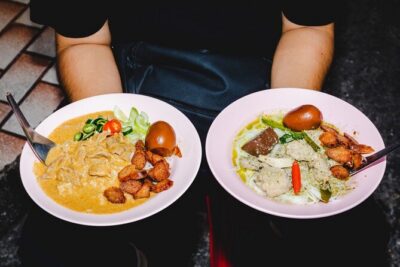

Southern Flavors Phuket Food Tour with 15+ Tastings
Read our review →Bangkok Backstreets Food Tour with 15+ Tastings
Read our review →
Browse the lists this tour appears in