
Reviewed · STREET FOOD TOURS
Chiang Mai: Food Tour by Songtheaw Truck with 15+ Tastings
The best part of this Chiang Mai food tour is not simply the number of dishes. It is the chance to understand why Northern Thai food tastes the way it does, from fermented ingredients and regional spices to Shan influences and local eating customs. You ride between family-run eateries and market stalls in a red songthaew, then let your guide order the food.
I like the small group of up to eight, which makes it easier to ask questions and share dishes without feeling lost in a crowd. I also like the range: crispy pork belly, sai oua sausage, larb, curries, snacks, desserts, and less familiar bites such as crickets and silkworm larvae all have a place.
The one thing to plan for is the sheer amount of food. This is not a light tasting walk. You will still walk through a market, so wear comfortable shoes, but the truck does much of the moving. Anyone with serious allergies, or anyone who avoids meat, soy sauce, or animal products, should choose another tour.
Key points at a glance
- Five food stops plus a market: You visit several local eating spots rather than relying on one restaurant.
- Northern Thai focus: The menu includes regional dishes and Shan specialities that differ from central Thai food.
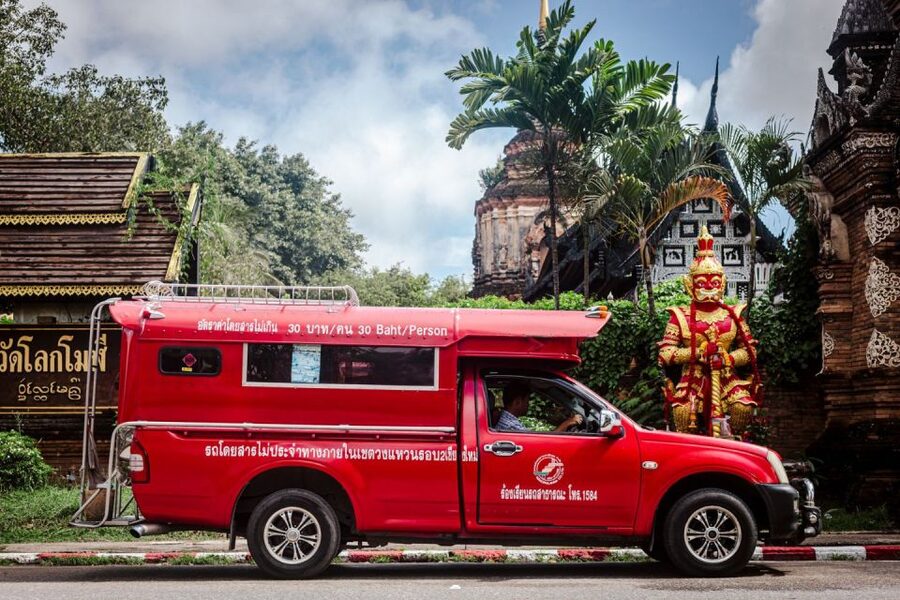
- A red songthaew between stops: The truck saves your legs and lets you cover parts of Chiang Mai that are hard to connect on foot.
- Guides who teach as they order: Guides such as Moui, Aim, and Noi explain ingredients, origins, cooking methods, and local customs.
- More than 15 tastings: Portions are generous enough that this tour can replace breakfast or lunch.
- Unusual food is part of the deal: You might be offered fermented pork, coagulated chicken blood, water buffalo, crickets, or silkworm larvae.
Starting at Wat Lok Molee
The tour begins in the grounds of Wat Lok Molee, a well-known temple not far from central Chiang Mai. Once inside, turn left and look for the large decorated tree beside the four-headed statue. Your guide waits there.
This is a useful meeting point because it is easy to identify, but do not arrive at the last minute. The instructions ask you to allow plenty of time, and a delayed arrival can affect a food tour with several timed stops. If you take a taxi, show the driver the Thai address: วัดโลกโมฬี ถนน มณีนพรัตน์.
You begin with introductions and a short orientation before climbing into the red songthaew. The vehicle is a practical part of the experience, not just a photo prop. Chiang Mai’s food stops are spread around the city, and the truck keeps the day from becoming four hours of walking in heat or rain.
The group is capped at eight people. Some departures may be smaller, with past groups of three or six, which gives the guide more room to adjust the pace and explain unfamiliar foods.
More Street Food Tours in Chiang Mai
- Small-Group Chiang Mai Evening Street Food Tour
★ 4.5 · 826 reviews - Chiang Mai: Evening Local Street Food Market Tour
★ 4.8 · 604 reviews - Northern Flavours Chiang Mai Food Tour with 15+ Tastings
★ 5.0 · 513 reviews
Riding the red truck through Chiang Mai
The songthaew lets you move from the old city area to food spots outside the usual tourist circuit. It also gives the tour a pleasant rhythm: ride, eat, listen, ride again.
This matters because you are not simply being taken to a famous restaurant that you could find in a guidebook. The appeal is the selection of ordinary local places, food stalls, and family-run businesses that can be difficult to identify when you do not read Thai or know what to order.
The truck is also helpful if long walks or strong sun are a concern. You still need to walk through the market and between some stops, but many meals are seated, and one detailed account described shade and regular seating throughout the experience. This is not a formal sightseeing ride, though, so keep your shoes comfortable and bring an umbrella.
The tour runs in rain or shine. Chiang Mai weather can change quickly, and the activity specifically advises carrying an umbrella if rain seems likely. The vehicle provides transport, but it does not remove the need for weather-appropriate clothing.
First plates: pork, sausage, and Northern Thai flavors
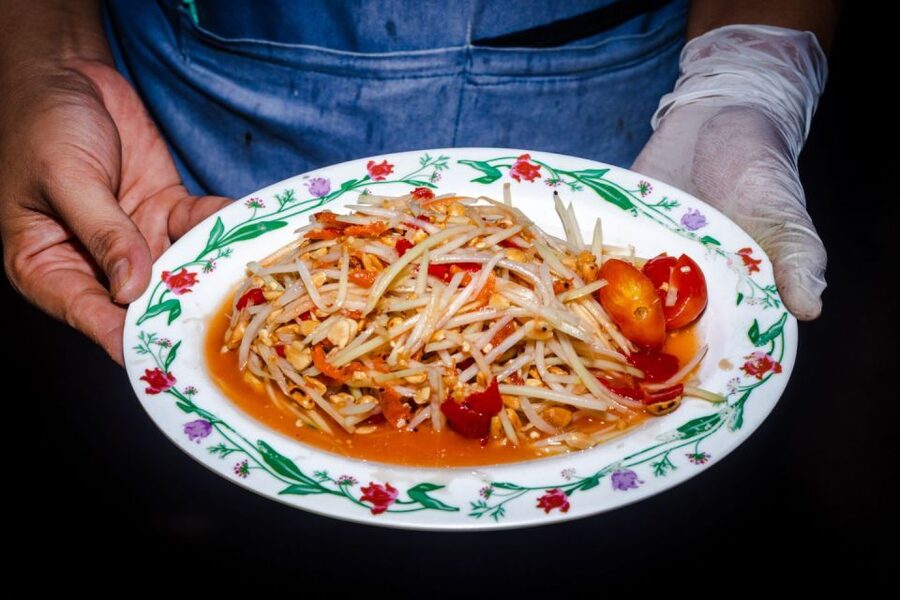
The food arrives in generous, family-style portions. Your guide orders a broad selection for the table, so you can try small amounts of many things instead of committing to one large dish.
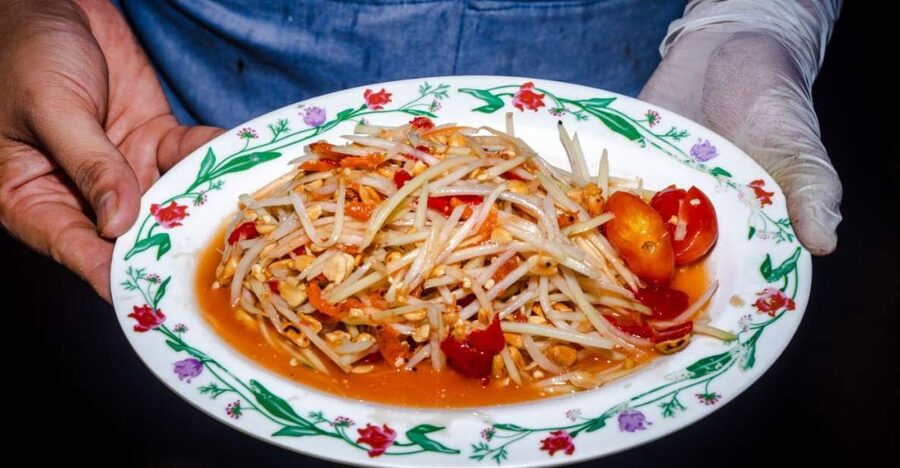
Expect to learn how Northern Thai cooking differs from the food often served in Bangkok or in international Thai restaurants. The cuisine draws on local ingredients and outside influences, including Shan traditions. Larb may be more strongly seasoned than the familiar versions served abroad, while fermented ingredients and herb pastes add flavors that are less common on standard tourist menus.
Crispy pork belly is one of the dishes repeatedly singled out as a favorite. It may arrive with chicken cooked in a deep clay pot or another carefully prepared meat dish. The point is not only the taste. Your guide explains how the dish is cooked and why that method suits the ingredients.
Sai oua, the famous Northern Thai sausage, is another likely highlight. The sausage is packed with herbs and spices, and the tour description specifically mentions lemongrass-stuffed versions. A guide may also pass around spice blends or dried fermented soybean paste so you can smell and compare the building blocks of the meal.
That hands-on explanation makes a difference. Instead of hearing that a dish is spicy or fermented, you begin to recognize the ingredients that create its flavor.
Local eateries instead of familiar tourist menus
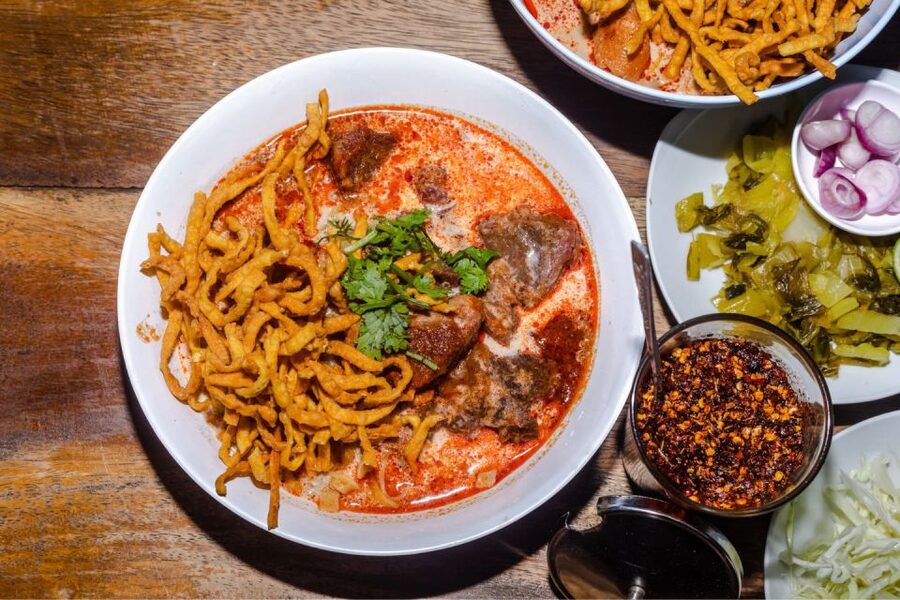
The stops are selected for variety. You may eat at several small restaurants or street-food joints, with multiple dishes served at each location. One route includes about five food venues before finishing at a market.
The advantage is access. Without a local guide, you might walk past these places without knowing what to order, or you might choose a familiar bowl of noodles and miss the wider food culture. The guide handles the ordering and introduces you to the owners or cooks when possible.
The practical drawback is that the exact stops and dishes can vary. Food tours depend on opening hours, available ingredients, and the route used that day. You should expect the same Northern Thai theme and a large variety of tastings, but not treat the menu as a fixed restaurant reservation.
Portions are not symbolic samples. Several people found themselves full before the final market stop, and one participant said the food lasted well beyond the tour. Pace yourself from the first restaurant. It is easy to eat enthusiastically at stop one and then struggle with dessert.
Same base, a completely different sort of day out:
- Half-Day Thai Cooking Class at Organic Farm in Chiang Mai
★ 5.0 · 19,087 reviews - Chiang Mai: Elephant Sanctuary, Waterfall & Bamboo Rafting
★ 4.9 · 9,160 reviews - Chiang Mai: Elephant Sanctuary & Waterfall Group Tour
★ 4.9 · 5,780 reviews - Chiang Mai: Cooking Class, Market & Thai Herbs Garden Tour
★ 4.9 · 4,824 reviews
The less familiar side of Northern Thai food
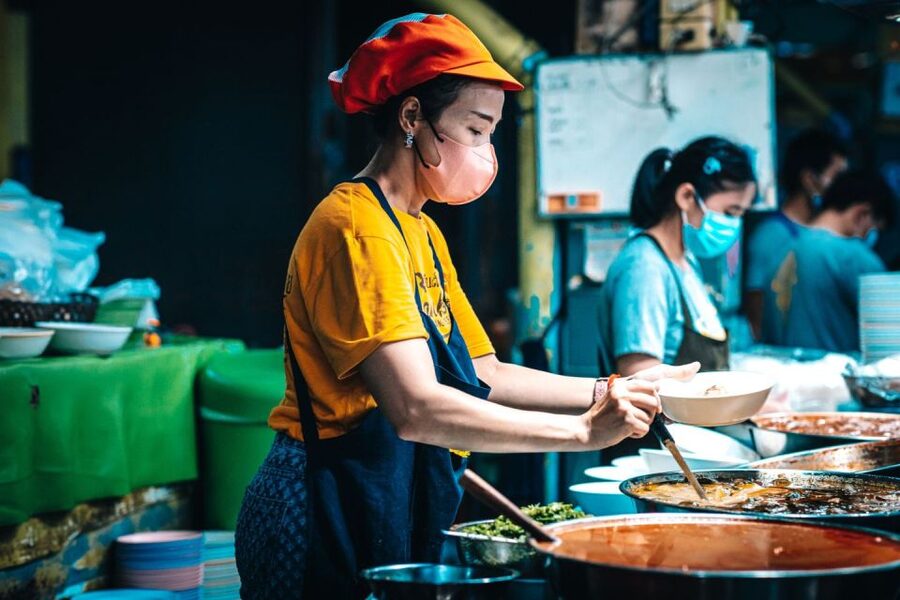
This tour is designed for curiosity, not cautious nibbling. Alongside familiar favorites, the menu may include fermented pork, coagulated chicken blood, water buffalo, crickets, and silkworm larvae.
You are not forced to like every bite, but you should be willing to try foods that you would probably overlook on your own. The unusual items are presented as part of the region’s eating culture rather than as stunts. Your guide explains what they are and how they fit into local cooking.
If you have a severe allergy, this is not the right setting for experimentation. The tour is specifically unsuitable for people with food allergies and nut allergies, as well as vegans, vegetarians, pescatarians, and anyone who cannot consume soy sauce. Contacting the operator about a simple preference is not the same as safely managing a serious allergy, so choose with care.
For adventurous omnivores, this is one of the tour’s strongest features. You can taste beyond the standard green curry and pad Thai list, then return to Chiang Mai restaurants with a better idea of what to order.
Learning through ingredients, stories, and smells
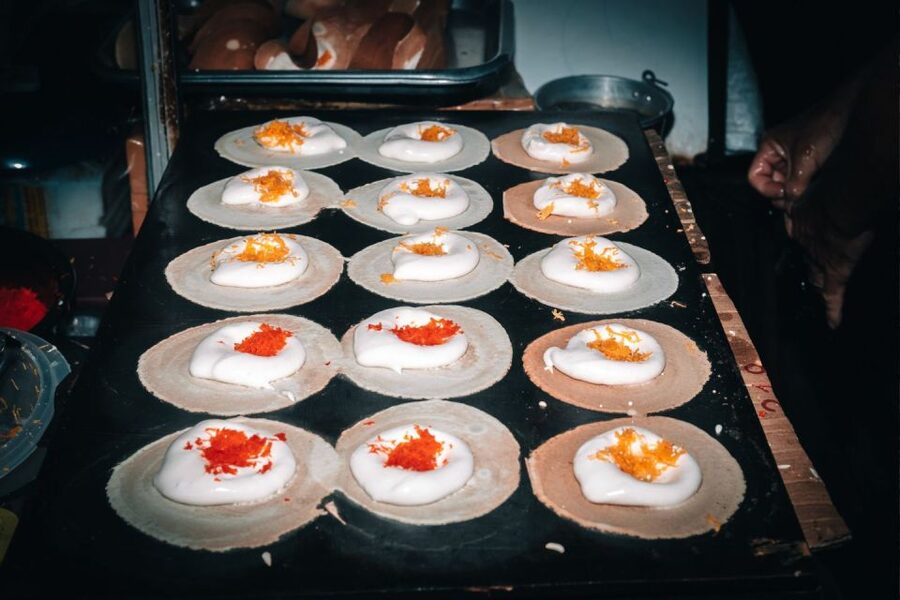
The guides are the heart of the experience. Moui appears often among the named guides, along with Aim, Noi, Bun, Tree, Indy, and Muang. Guide assignments can change, but the format is consistent: food comes with context.
A good explanation might cover the origin of a dish, the people or region associated with it, the cooking process, or the way an ingredient is used at home. Guides also connect food with Thai history, local life, and cultural habits. That gives the meal a wider frame without turning the tour into a lecture.
Moui, in particular, is described as carrying spice blends and dried fermented soybean paste for guests to smell. That small detail shows why a food tour can teach more than a menu. Taste is only one part of eating. Smell, texture, preparation, and the way dishes are shared all matter.
The guides also help remove the anxiety of ordering unfamiliar food. You can ask what is spicy, what contains fermented ingredients, and how to approach a dish before filling your plate.
The market finale and a second wave of food
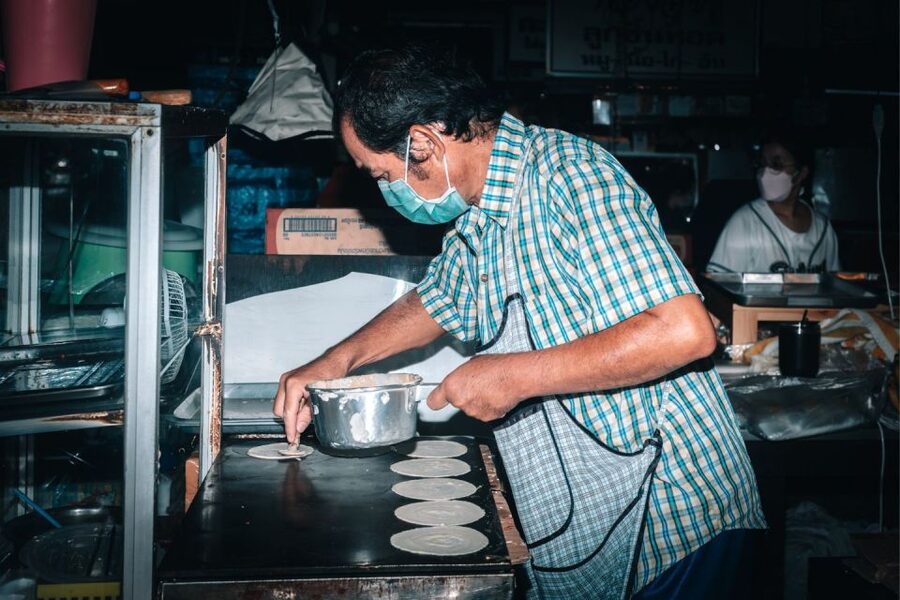
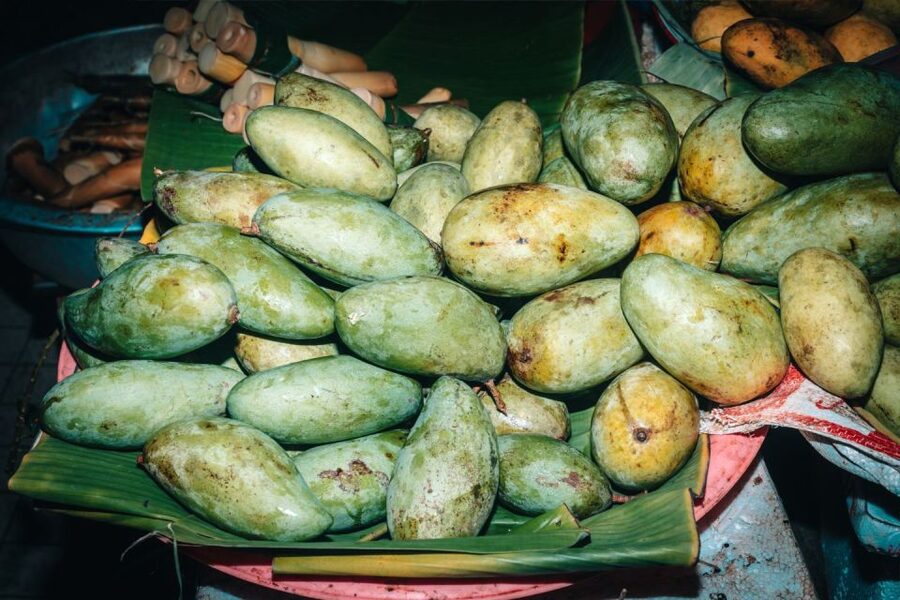
The final part takes place at a local wet and dry market. Here, the focus shifts from prepared restaurant plates to ingredients, snacks, fruit, sweets, and everyday shopping habits.
Your guide walks you through the stalls and explains what you are seeing. The market visit is especially useful if you want to continue eating independently after the tour. You gain a better sense of where locals buy food and how snacks and ingredients are presented.
The market also becomes a kind of picnic. The guide selects fruits, desserts, and packaged snacks for the group to share. This is where pacing becomes essential. If you have already tried more than a dozen dishes, the final sampling can feel like a second meal.
One person found the market itself less impressive than other markets in Chiang Mai. That is a fair point. The market is valuable for its food lesson and tastings, but it may not be the city’s most polished or atmospheric market. Go for the local food education rather than expecting a major sightseeing attraction.
What the $62 price includes
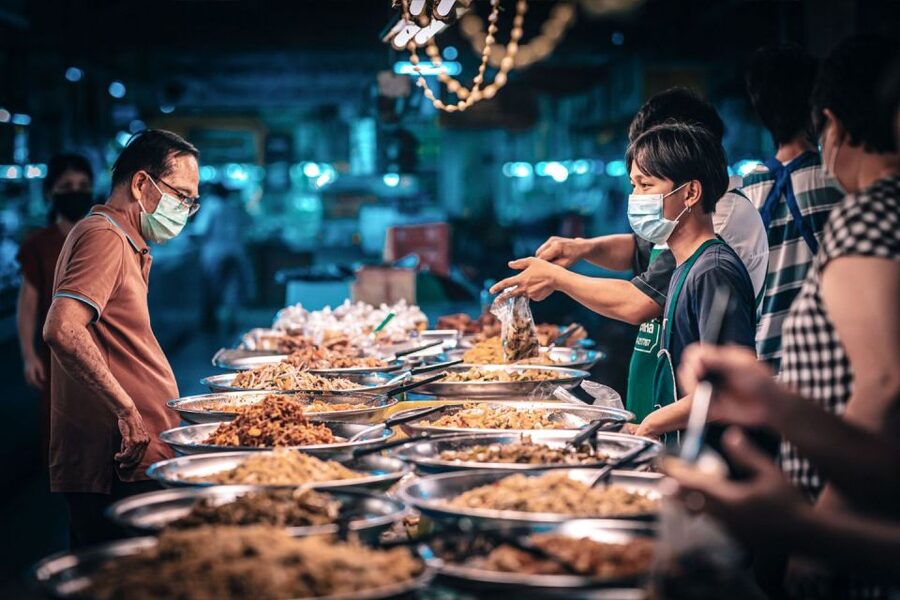
At $62 per person, the tour costs more than buying individual street dishes yourself. That comparison misses what you are paying for.
The fee includes more than 15 food tastings, bottled water, soft drinks, the guide, and transportation in the songthaew. It also covers the work of choosing several stops, ordering dishes in the right quantity, explaining unfamiliar ingredients, and moving the group around Chiang Mai.
If you tried to reproduce the route independently, you could probably spend less on food, but you would not know which stalls to choose or how to identify the regional specialities. You might also order three safe dishes and leave without understanding how Northern Thai food differs from other Thai cooking.
The value is strongest for a first visit, for anyone who wants a broad survey in four hours, and for people who prefer a guide to make the food decisions. It is weaker for someone who already knows Chiang Mai’s local restaurants and markets or who wants a slow meal at one place.
Alcohol is not included. Hotel pickup and drop-off are also not included, so you need to arrange your own way to Wat Lok Molee and back.
Who should book this food tour?
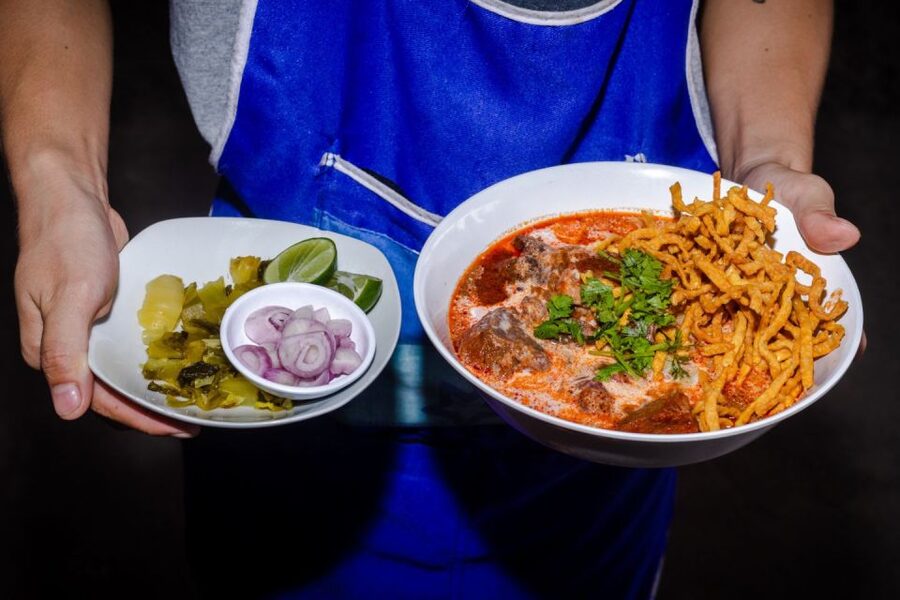
I would book this for an adventurous eater who wants a fast, tasty introduction to Northern Thailand. It suits solo visitors, couples, and small groups who enjoy sharing food and asking questions.
It is also a smart choice early in your Chiang Mai stay. After four hours of guided tasting, you will have names of dishes to look for and more confidence ordering at local restaurants. The tour is not only about filling your stomach. It gives you a working food vocabulary.
I would skip it if you need a vegetarian or vegan menu, have serious allergies, dislike shared portions, or want a quiet, single-restaurant meal. I would also avoid booking it immediately after breakfast. The food comes in such quantity that a light meal, or no meal, beforehand makes more sense.
The free cancellation policy allows cancellation up to 24 hours before the tour for a full refund, and you can reserve now and pay later. Those terms are useful if your Chiang Mai schedule is still shifting, but the more important decision is dietary fit.
Should you book it?
Book this tour if you want Northern Thai food explained as you eat it, not simply served to you. The combination of a small group, red songthaew transport, local eateries, market tasting, and more than 15 dishes gives you a lot for four hours.
The strongest reason to go is the guide’s role. Names such as Moui, Aim, and Noi come up because the experience depends on guides who can connect ingredients with culture and help you try foods you would not find alone.
Skip it if you need strict dietary control or prefer to choose every dish yourself. For everyone else, arrive hungry, bring an umbrella, and let the guide take you beyond the familiar Thai menu.
FAQ
How long does the Chiang Mai food tour last?
The tour lasts four hours.
How many food tastings are included?
You receive more than 15 food tastings during the tour.
What type of transportation is used?
You travel between stops in a red songthaew, also called a rod deang truck.
Where does the tour meet?
The meeting point is in the grounds of Wat Lok Molee. After entering the temple grounds, turn left and look for the guide under the large decorated tree beside the four-headed statue.
Is the tour conducted in English?
Yes. The tour has a live English-speaking guide.
How large is the group?
The group is limited to eight participants.
Is hotel pickup included?
No. Hotel pickup and drop-off are not included. You need to make your own way to the meeting point.
Is the tour suitable for vegetarians or vegans?
No. The tour is not suitable for vegetarians, vegans, or pescatarians.
Can people with food or nut allergies join?
The tour is not suitable for people with food allergies or nut allergies. It is also unsuitable for anyone who cannot consume soy sauce.
More Food Tours in Chiang Mai
- The 10 Tastings of Chiang Mai With Locals: Private Street Food Tour
★ 5.0 · 216 reviews - Chiang Mai: Local Food and Markets Guided Walking Tour
★ 4.3 · 175 reviews - Taste of Chiang Mai: Michelin Guide & Street Food Tour
★ 4.9 · 159 reviews - Lanna Kingdom Chiang Mai Food Tour with 15+ Tastings
★ 5.0 · 84 reviews
Just added around Chiang Mai
- Chiang Mai Best City Tour with Doi Suthep & Iconic Temples★ 4.5 · 24 reviews
- Chiang Mai Michelin Food Walking Tour with Professional Tour Guide★ 4.5 · 13 reviews
- Private Chiang Mai Temple Tour with Doi Suthep and Wat Umong★ 5.0 · 52 reviews
- Secret Waterfall and Bamboo Rafting from Chiang Mai★ 5.0 · 30 reviews
- Bua Tong Waterfall Adventure& Huge Cave included Thai Buffet Tour★ 4.5 · 28 reviews
- Chiang Mai Sak Yant Tattoo By Ajarn Tu★ 5.0 · 25 reviews
- Chiang Mai Airport Transfer by Private Van – Arrival or Departure★ 4.5 · 11 reviews
- Chiang Mai Scavenger Hunt and Sights Self-Guided Tour★ 5.0 · 8 reviews
Street Food Tours, compared.
Southern Flavors Phuket Food Tour with 15+ Tastings
Read our review →Bangkok Backstreets Food Tour with 15+ Tastings
Read our review →
Bangkok Authentic Tasting Thai-Chinatown Walking Food Tour
Read our review →
Small-Group Chiang Mai Evening Street Food Tour
Read our review →
Bangkok Tuk-Tuk Tour by Night with Chinatown Street Food Meal
Read our review →Browse the lists this tour appears in