
Reviewed · DEATH RAILWAY MEMORIALS
Bangkok: Bridge on the River Kwai and Thailand-Burma Railway Tour
The most memorable part of this day is the shift from Bangkok traffic to the quiet Khwae Yai River, followed by a train ride across the Death Railway. You see the famous bridge, but you also face the human cost behind it at the Kanchanaburi War Cemetery and JEATH War Museum.
I like the mix of transport, especially the long-tailed boat and historic train, and I like having hotel pickup, lunch, and a local guide included. The drawback is the long day: the trip can run beyond 11 hours, and Bangkok traffic may make the return slow.
Key points to know before booking
- A full 11-hour day from Bangkok: Pickup may begin 30 to 60 minutes before the 7:00 am departure, and the return can be later than planned.
- Three ways to travel: Air-conditioned road transport, a long-tailed speedboat, and a train ride along the Death Railway.
- The train seat costs extra: Pay about 300 baht per person at the station for a guaranteed seat, drinks, a cold towel, and a certificate.
- The strongest historical moments: The cemetery and JEATH War Museum give the bridge a human meaning beyond the famous film.
- Small groups can feel personal: The maximum group size is 15, and some departures have only a handful of people.
- Useful mobility warning: Getting into and out of the long-tailed boat can be difficult if you have mobility problems.
Why this River Kwai day matters
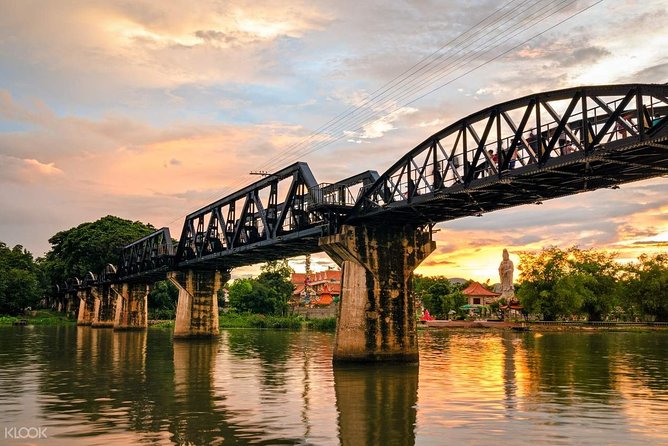
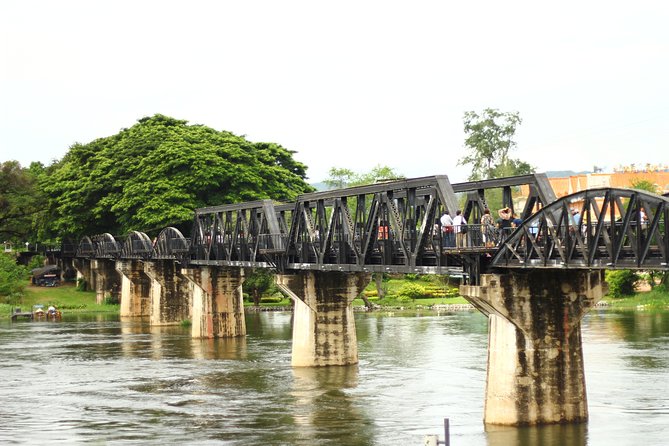
The Bridge on the River Kwai is famous partly because of the 1957 film and Pierre Boulle’s book. The real site is less tidy than the movie version. It is part of the Thailand-Burma Railway, built between 1942 and 1943 during World War II by prisoners of war and enslaved Asian laborers under brutal conditions.
That distinction matters. If you visit only to take a bridge photo, you miss the point. The bridge is a physical reminder, but the cemetery and museum make clear that thousands of people suffered and died while the railway was being built.
I like that this tour does not rely on one form of transport. The boat gives you a river-level approach, the bridge provides a close look at the railway, and the train shows how the route fits into the surrounding countryside. It feels more like a full day in Kanchanaburi than a quick stop at a movie location.
The tone is understandably serious. There are also pleasant parts, including the river views, lunch near the water, and the gentle rhythm of the train. The day works best when you are ready for both: scenic travel and difficult wartime history.
More Death Railway memorial sites:
- From Bangkok: Historical Day Tour to River Kwai
★ 4.6 · 868 reviews - Bridge on the River Kwai and Thailand-Burma Railway Tour
★ 4.5 · 658 reviews - Erawan Waterfalls and Bridge Over River Kwai Tour from Bangkok
★ 4.5 · 372 reviews
Leaving Bangkok early for Kanchanaburi
The advertised start time is 7:00 am, though hotel pickup may be 30 to 60 minutes earlier depending on where you stay. Pickup and drop-off are available from most centrally located Bangkok hotels, but you must provide your hotel details when booking. If you do not, the booking may be cancelled.
You travel in an air-conditioned vehicle. The road journey is a large part of the day, so set your expectations early. This is not a nearby Bangkok attraction. It is a long outing to western Thailand, and the schedule depends on traffic, especially on the way back into the city.
Some guides use the drive well. Rach, Oom, and Zoom received particular praise for clear explanations, good organization, and helpful attention to the group. Oom has also been noted for taking photos and keeping people aware of the plan. That kind of guidance matters on a day with several transfers and timed stops.
The group size is capped at 15 people. That is small enough for questions without making the outing private. A shared departure needs at least two people, so a solo booking depends on enough people joining that day. If the minimum is not met, an alternative date or refund is offered.
Approaching the bridge by long-tailed boat
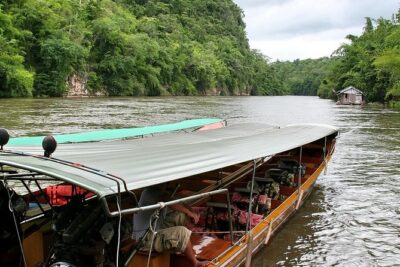
The boat ride is one of the most enjoyable features of the excursion. Instead of arriving at the bridge only by road, you travel along the river in a Thai long-tailed speedboat. The ride adds movement and scenery before the more reflective visits later in the day.
You see the bridge and river from a different angle, and the journey helps connect the monument to the setting around it. The water, jungle views, and open-air boat ride provide a welcome change after time in the van.
There is one practical concern. Long-tailed boats are not designed for effortless boarding. If you have mobility problems, tell the guide at the start of the tour. The guide can arrange for the driver to take you to the bridge by road instead.
That flexibility is useful, but I would still think carefully before booking if you find steps, uneven surfaces, or vehicle transfers difficult. The bridge area also has some uneven walking surfaces. Wear shoes with a firm sole and avoid treating this as a polished, fully accessible attraction.
Walking across the Bridge on the River Kwai
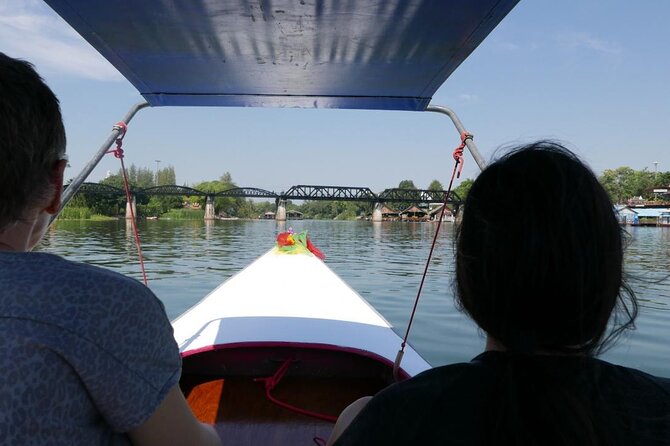
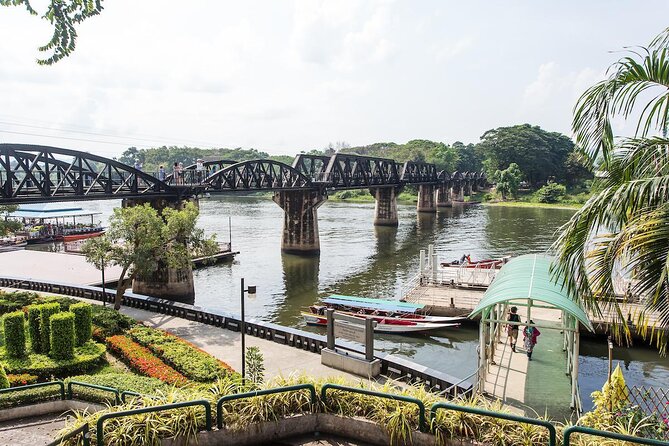
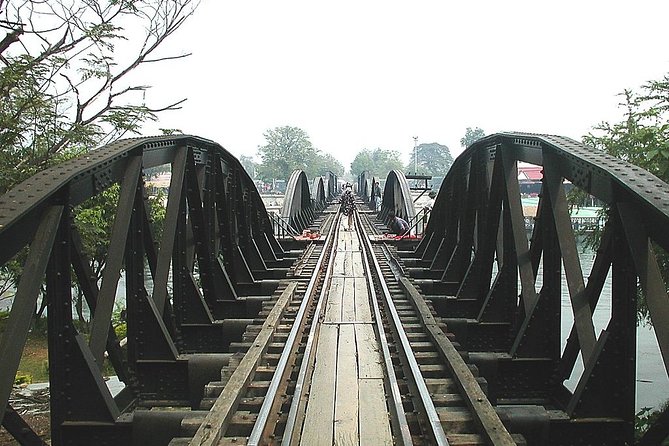
The bridge visit gives you the most recognizable scene of the day. You can walk across the structure and look along the railway line while the guide explains its wartime role. Admission to the bridge itself is included.
The bridge is not simply a scenic crossing. It formed part of a railway built by Japan during World War II to connect Thailand with Burma, now Myanmar. Prisoners of war from Britain, Australia, the Netherlands, the United States, and other countries were among those forced to work on the railway. Asian laborers were also enslaved and endured terrible conditions.
A good guide helps keep the visit grounded in this wider story. Rach was praised for answering questions about the different parties involved in the conflict and for separating the actual events from the film. That is especially useful here, since many people arrive knowing the movie better than the historical record.
The bridge can be busy and the walk is not a long, quiet memorial experience. It is a working tourist site with people taking photographs. I suggest walking slowly, listening to the guide, and looking beyond the familiar view. The structure matters, but the cemetery and museum provide the fuller explanation.
A few more Kanchanaburi days worth weighing up
- From Bangkok: Erawan Park & Kanchanaburi Small-Group Tour
★ 4.5 · 1,582 reviews - Bridge on the River Kwai and Thailand-Burma Railway Guided Tour
★ 4.5 · 353 reviews - Erawan Waterfall and Elephant Care: Private Tour to Kanchanabur
★ 5.0 · 339 reviews - Kanchanaburi Full Day Tour: River Kwai and Erawan Falls
★ 5.0 · 327 reviews
The Khwae Yai River and the long train ride
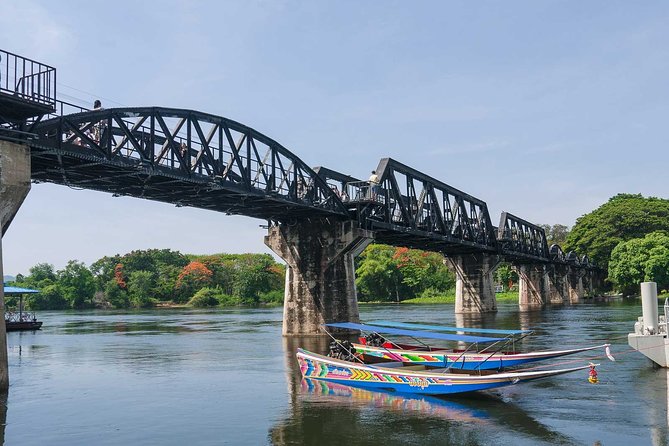
The itinerary allows several hours around the River Khwae area, including the boat transfer and railway experience. The river is also known as the Khwae Yai, or Si Sawat, and flows through western Thailand.
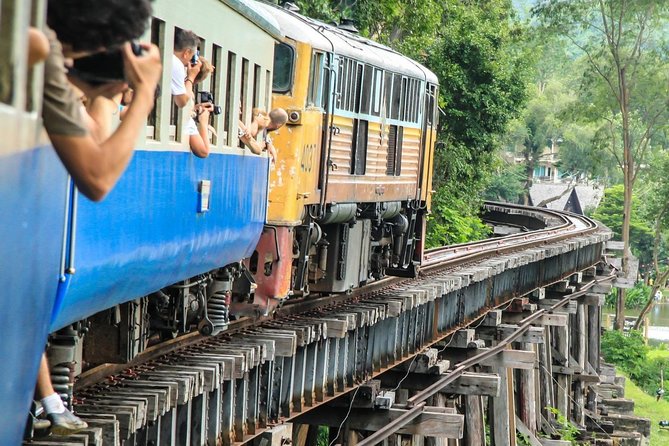
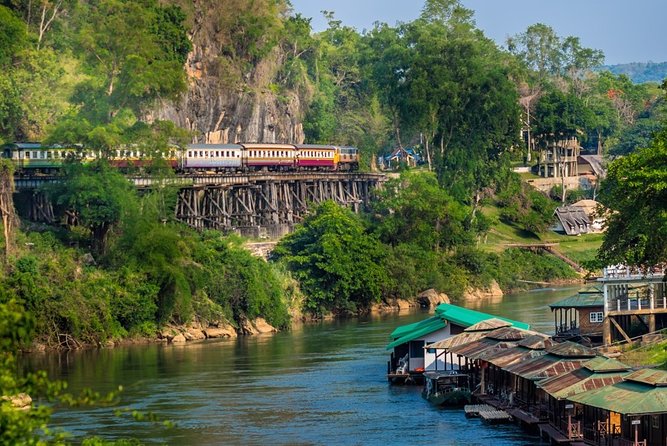
The train ride is the other major pleasure of the day. You ride along the Death Railway and cross the bridge, seeing the route from the same railway corridor that gives the excursion its meaning. Several people found the views especially enjoyable, while others felt the train portion was a little long.
That difference is fair. If you love old railway journeys and scenery, the ride may be the highlight. If you want constant commentary and activity, the slower pace may test your patience. The train is part of the experience, not just a quick photo opportunity.
There is also a cost that can surprise people. The train ride is included in the tour, but a separate fee of about 300 baht per person is paid at the station. This fee guarantees a seat and includes tea or coffee, drinking water, a cold towel, and a certificate. It is paid on the spot to the guide or at the station arrangement, not as part of the original tour price.
I would budget for it from the start. Standing may be possible, but a reserved seat is sensible on a long day. The extra charge should be explained clearly before you book so the advertised price does not feel misleading.
Lunch beside the river in Kanchanaburi
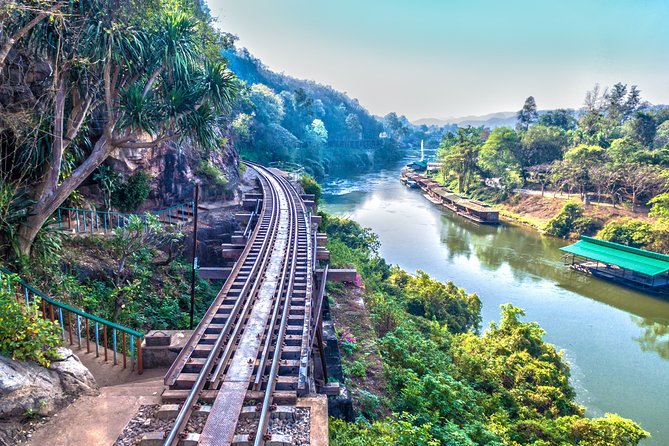
Lunch is a buffet included in the price. It is served in Kanchanaburi, with a riverside setting noted as one of the pleasant parts of the day.
Food quality can vary on group tours. The meal has been described as good, though one account found the buffet cold. I would see lunch as a practical break rather than a reason to book the trip. You get time to sit down, eat with the group, and enjoy the river view before continuing.
Beverages are not included. The train fee includes drinking water, tea, or coffee, but you should not assume every drink during the day is covered. Carry some Thai baht for drinks and small expenses.
Kanchanaburi War Cemetery: the quietest stop
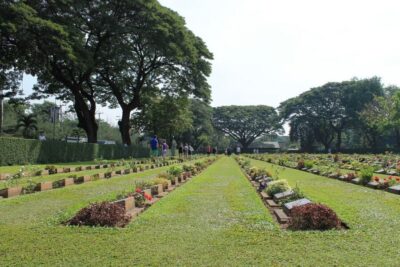
The cemetery is often the most moving part of the tour. It is the main prisoner of war cemetery for people who died during imprisonment and forced labor on the Burma Railway. It sits on Saeng Chuto Road in Kanchanaburi.
You have about 30 minutes here. That is not a long time, but it gives you space to walk among the graves and read the inscriptions. The neatly kept grounds contrast sharply with the harsh conditions faced by the men commemorated there.
I recommend slowing down at this stop. Read a few names and ages rather than trying to photograph every section. The personal details turn a huge wartime story into something much easier to grasp. People with family connections to the railway may find this visit especially powerful.
The cemetery is not a place for a rushed group briefing. Your guide may explain the background, but allow yourself some quiet time as well. This is the part of the day that gives the bridge its emotional weight.
JEATH War Museum and the evidence of suffering
The JEATH War Museum is a small museum focused mainly on the prisoners of war who built the railway. The name refers to Japan, England, America, Australia, Thailand, and Holland, the national groups connected with the story.
You spend about 20 minutes inside. Displays include original photographs, letters, drawings, and material showing the harsh living conditions in the prison camps. The museum is not a large, polished institution, and parts of it may feel dated. That is worth knowing before you go.
Still, its modest scale can work in its favor. You can look closely at individual documents rather than racing through a large complex. Several guides, including Oom, have been praised for explaining the displays and helping visitors understand what they are seeing.
The museum has also drawn criticism for needing an upgrade. I would not book this tour expecting a high-tech presentation or a major research center. Book it for the combination of primary material, guide explanation, cemetery, bridge, and railway. A separate research center is not part of the confirmed itinerary.
Guides, pacing, and the feel of the day
The guide can make a major difference. Rach was singled out for lively historical explanations, photo help, and the ability to answer detailed questions. Oom was praised for being organized, friendly, and good at explaining the plan. Zoom was also described as an effective guide during the memorial portions.
The best version of this tour gives you context throughout the day instead of saving all the facts for one stop. You want the guide to explain the river, railway, bridge, cemetery, and museum as parts of one story.
That said, guide quality may vary. One account described a guide who spoke through a mask and was hard to understand, while another felt the guide did not interact enough with the group. If you cannot hear clearly, tell the guide at once. There is time to adjust the pace or explain things more directly.
The schedule is generally tightly managed, with breaks along the way. Some departures have only two couples or even one couple, which allows more questions. A full group of 15 will feel less personal, but the small maximum keeps it from becoming a large coach tour.
Is $99.40 good value?
At $99.40 per person, the price is fair for a full-day outing from Bangkok that includes hotel pickup and drop-off, air-conditioned transport, a professional Thai guide, entrance fees, lunch, the boat ride, and the train journey.
The value comes from combining several elements that would be awkward to arrange independently in one day. You avoid working out the road transfer, boat connection, museum admission, railway timing, and return transport yourself.
The price is not completely all-in. Drinks are extra, and the separate 300-baht train-seat fee is the main additional cost. Add that amount when comparing this tour with other River Kwai excursions.
I also would not judge the value only by the number of attractions. The cemetery and museum are short visits, but they add meaning that a bridge-and-train outing alone would lack. For someone interested in World War II history, the package offers a useful balance of sites and transport.
Who should book this tour?
I would recommend it to you if you:
- Want to see the bridge but also understand the forced labor and prisoner-of-war story behind it.
- Prefer a guided day trip rather than arranging Kanchanaburi transport yourself.
- Enjoy mixing road travel with a boat ride and railway journey.
- Have enough energy for an early start and a possible late return.
- Appreciate serious memorial sites as much as scenic stops.
- Want a small shared group rather than a large coach operation.
I would think twice if you dislike long road journeys, slow train rides, or tightly scheduled group days. It is also a poor fit if boarding a long-tailed boat or walking on uneven surfaces is difficult, unless you arrange the road alternative with the guide.
The cancellation policy is flexible if your plans change: you can receive a full refund by cancelling at least 24 hours before the start time. Changes or cancellations inside that window are not accepted for a refund.
Should you book the River Kwai tour?
Book it if you want the bridge to be more than a photograph. The boat, train, cemetery, and museum create a fuller day, and guides such as Rach and Oom can make the long journey far more rewarding with clear explanations and practical help.
Go in prepared for an early pickup, Bangkok traffic, a separate 300-baht train-seat payment, and a serious subject. If you accept those limits, this is a well-priced way to visit Kanchanaburi and remember the people who suffered while the railway was built.
FAQ
How long does the Bangkok River Kwai tour last?
The tour lasts approximately 11 hours, beginning with a 7:00 am departure. Hotel pickup may take place 30 to 60 minutes before that time, and heavy traffic can make the return to Bangkok later.
Is hotel pickup included?
Yes. Hotel pickup and drop-off are included for most centrally located Bangkok hotels. You must provide your hotel details when booking.
Is the train ride included in the price?
The train ride is included, but a separate fee of approximately 300 baht per person is paid at the train station. This guarantees a seat and includes tea or coffee, drinking water, a cold towel, and a certificate.
What is included with lunch?
A buffet lunch in Kanchanaburi is included. Beverages are not generally included, so bring money for drinks.
Can I join if I have mobility problems?
You may have difficulty getting into or out of the long-tailed speedboat, and some walking surfaces are uneven. Tell the guide at the beginning of the tour, and the driver can take you to the bridge by road instead of using the boat.
How many people are in the tour group?
The tour has a maximum of 15 people. At least two people are required for a shared tour to operate. A solo booking is possible but depends on availability and the minimum number being met.
Just added around Kanchanaburi
- Floating & Railway Markets and Erawan Waterfall [Optional Luxury]★ 5.0 · 43 reviews
- Train trip death railway Bridge on river Kwai from Bangkok to Kanchanaburi trip★ 4.0 · 17 reviews
- River Kwai Day Tour from Bangkok: History, Scenic Views & Culture★ 4.5 · 36 reviews
- Private Tour to Kanchanaburi Death Railway and Elephant Haven★ 5.0 · 15 reviews
- Private Historic River Kwai Death Railway, War Cemetery and Hellfire Pass Tour★ 4.5 · 12 reviews
- Private Tour: Kanchanaburi Erawan Waterfall Tour from Bangkok★ 4.5 · 13 reviews
- Private Erawan Waterfall, River Kwai, Death Railway Tour from Bangkok★ 4.5 · 22 reviews
- Private Tour: Death Railway, Hellfire Pass and Erawan Waterfall★ 5.0 · 55 reviews
Death Railway Memorials, compared.
Bridge on the River Kwai and Thailand-Burma Railway Tour
Read our review →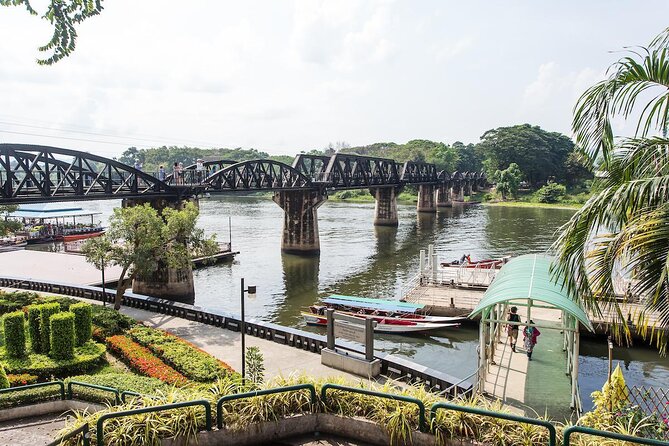
Erawan Waterfalls and Bridge Over River Kwai Tour from Bangkok
Read our review →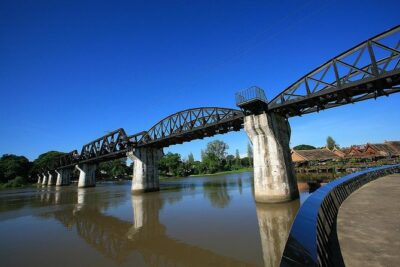
Bridge on the River Kwai and Thailand-Burma Railway Guided Tour
Read our review →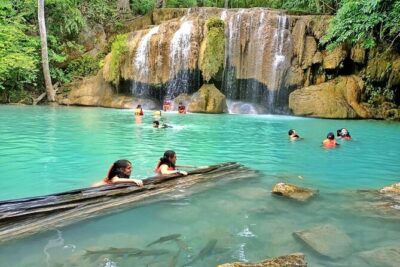
Kanchanaburi Full Day Tour: River Kwai and Erawan Falls
Read our review →
Floating Markets and Bridge on River Kwai Tour from Bangkok
Read our review →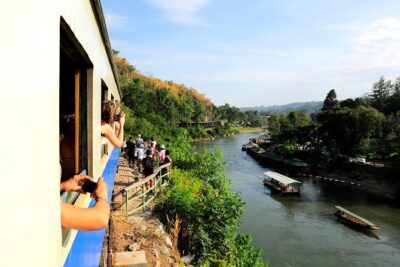
River Kwai Day Tour from Bangkok – History, Scenery & Culture
Read our review →
Bridge over River Kwai and Hellfire Pass Tour with Train Ride
Read our review →Browse the lists this tour appears in