
Reviewed · DEATH RAILWAY MEMORIALS
Bridge on the River Kwai and Thailand-Burma Railway Guided Tour
The most moving part of this day is not the famous steel bridge itself. It is the chance to connect the bridge, the Kanchanaburi War Cemetery, and the Thailand-Burma Railway with the suffering of the prisoners of war forced to build it. The boat ride and train journey add a real sense of place rather than leaving you with only a museum visit.
I like the clear mix of history and transport: you walk across the bridge, ride a long-tail boat, and take the train along the Death Railway. I also like the care shown by guides such as Oom and Rach, who are often praised for clear explanations and friendly attention. The drawback is simple: this is a very long day, and Bangkok traffic can turn an advertised 11-hour outing into 12 or even 14 hours.
Key points to know before booking
- The road from Bangkok takes time: Kanchanaburi is about 130 kilometers away, with roughly two to three hours each way depending on traffic.
- The train is the emotional highlight: The ride follows part of the Death Railway through the Thai countryside, but it is noisy, open-window, and comes with a mandatory 300-baht seat charge.
- The history needs quiet attention: The cemetery and museum are small stops, yet they carry the greatest weight of the day.
- A long-tail boat adds variety: The river approach is scenic, though the ride may be shorter than you expect.
- Private travel costs more but helps: A private vehicle and guide give you more personal attention and may feel easier on such a long outing.
- Pack for heat and basic facilities: Bring water, a hat, tissues, and a small fan if you have one.
Why this 11-hour journey matters
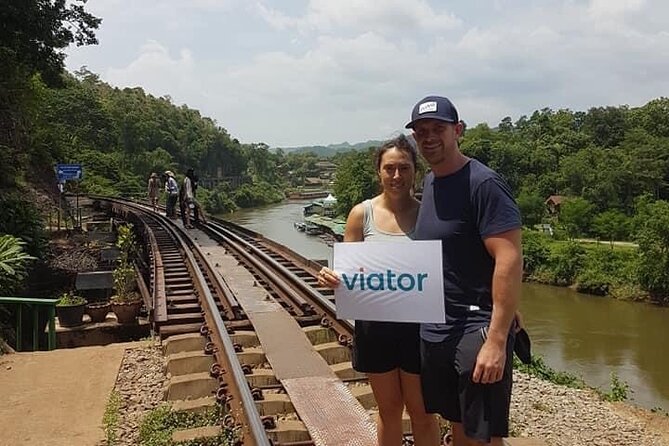
The Bridge on the River Kwai is one of those places where popular culture can overshadow the real story. The 1957 film made the bridge famous, but the actual Thailand-Burma Railway was built in 1942 and 1943 under brutal conditions during World War II. Prisoners of war and forced laborers worked on the railway, and many died from disease, exhaustion, hunger, and mistreatment.
A guided visit helps you place the bridge in that wider story. You are not simply stopping for a photograph. You are moving between the river, the railway, the cemetery, and the museum, while your guide explains how these places fit together.
I would book this tour for the history, not just for the movie connection. The scenery is attractive and the transport is fun, but the heart of the day is the human cost of the railway.
More Death Railway memorial sites:
- From Bangkok: Historical Day Tour to River Kwai
★ 4.6 · 868 reviews - Bridge on the River Kwai and Thailand-Burma Railway Tour
★ 4.5 · 658 reviews - Erawan Waterfalls and Bridge Over River Kwai Tour from Bangkok
★ 4.5 · 372 reviews
The Bangkok pickup and long ride west
Pickup begins around 7:00 a.m., though your actual collection may be 30 to 60 minutes earlier depending on your hotel. Pickup and drop-off are offered at centrally located Bangkok hotels, and you need to provide your hotel details when booking.
The vehicle is an air-conditioned minivan, with a maximum group size of 15 people. In practice, a smaller group makes the day easier. Some departures have included around nine people, while private bookings use a vehicle and guide for only your party.
The first stretch is not glamorous. You are on the road for roughly two to three hours each way, and Bangkok traffic can make the return much slower. One schedule ran from 6:00 a.m. to 8:30 p.m., so do not book an evening restaurant, show, or flight with a tight connection afterward.
The ride usually includes toilet breaks, and the countryside becomes more appealing as you leave the city. Still, minivan comfort can vary. Some passengers have found the suspension rough, and people seated in the back may have trouble hearing the guide. If you need a smoother, more personal day, the private upgrade is worth considering.
Arriving at the Khwae River
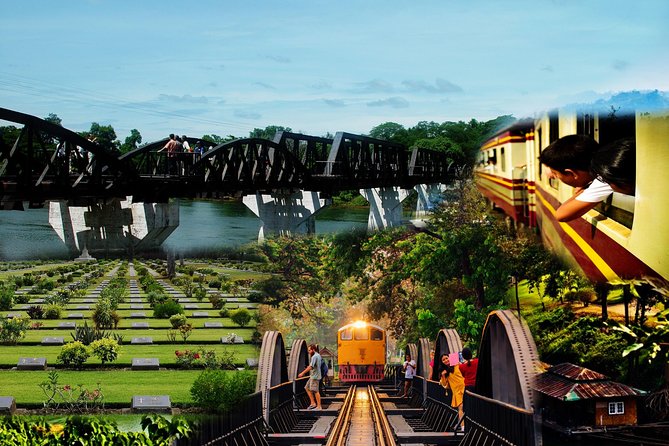
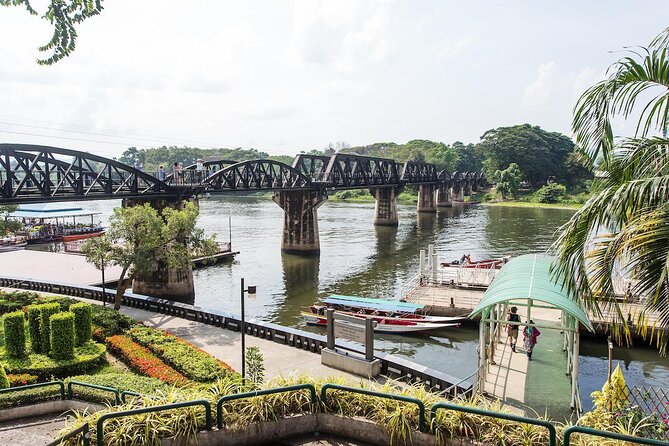
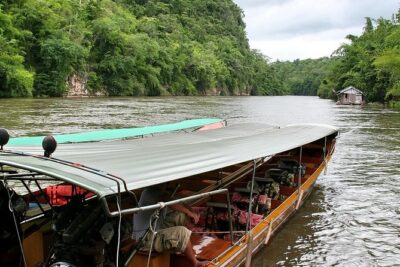
The river section gives the day a welcome change of pace. You board a long-tail speedboat and approach the bridge by water, rather than arriving only by road. The boat is part of the appeal because it lets you see the river setting before standing on the railway itself.
Keep your expectations realistic. The boat ride may be brief, sometimes closer to five minutes than the 20 minutes some people expect. It is also a basic local boat experience, not a polished sightseeing cruise. The jetty can be rough, and boarding may feel less comfortable than the description suggests.
Still, I would keep this part of the tour. It breaks up the long van ride and gives you a better sense of why the bridge was built here. Bring a hat and protect yourself from the sun. The heat can build quickly, especially while waiting beside the river.
Walking across the Bridge on the River Kwai
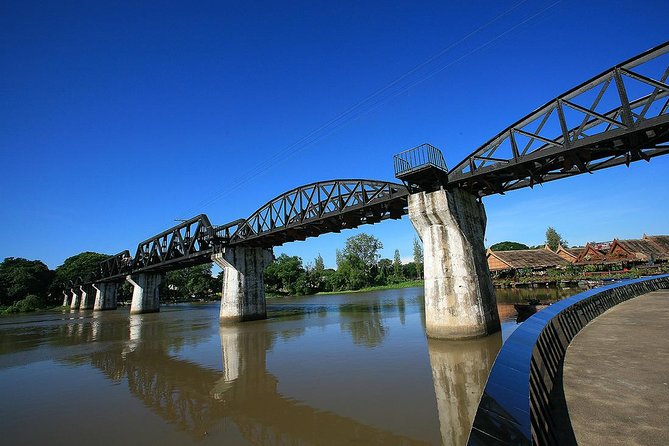
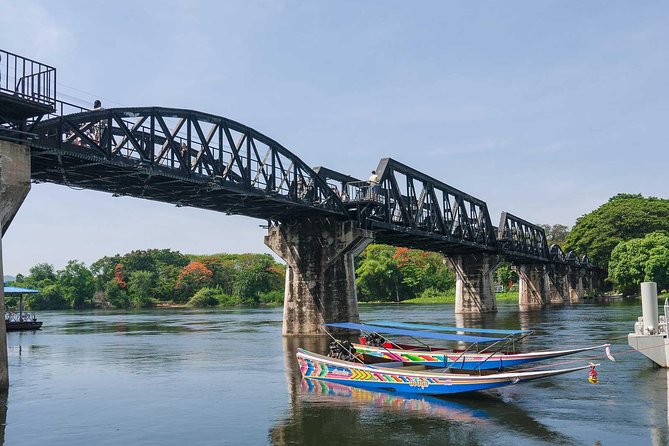
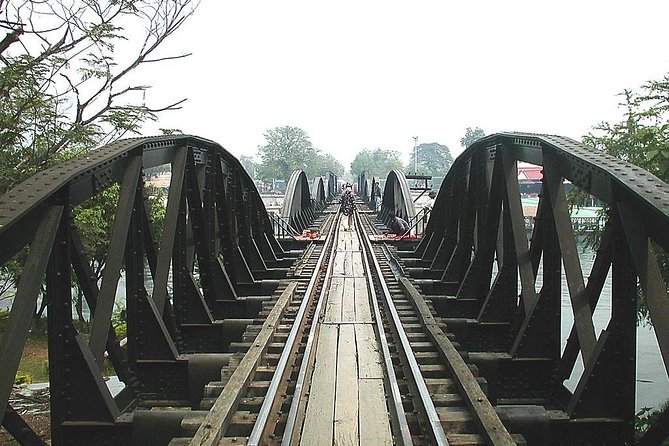
The steel bridge is the most recognizable stop. You can walk across it and look down at the river, with the railway tracks still carrying trains through the area. The setting is scenic, but the bridge itself is also an active railway route, so pay attention to instructions and other people around you.
Your guide provides the historical background here, including the connection between the bridge and the railway built toward Burma, now Myanmar. The film is useful as a reference point, but the real place is less theatrical and more sobering. The bridge is not the entire railway, nor is it a complete picture of the wartime labor system by itself.
You usually have about 30 minutes here. That is enough to cross the bridge, take photographs, and listen to an explanation, but it is not a long, reflective visit. If you want extensive time at the bridge, a private tour may give you more flexibility, though the day’s timing can still change.
A few more Kanchanaburi days worth weighing up
- From Bangkok: Erawan Park & Kanchanaburi Small-Group Tour
★ 4.5 · 1,582 reviews - Erawan Waterfall and Elephant Care: Private Tour to Kanchanabur
★ 5.0 · 339 reviews - Kanchanaburi Full Day Tour: River Kwai and Erawan Falls
★ 5.0 · 327 reviews - Floating Markets and Bridge on River Kwai Tour from Bangkok
★ 4.0 · 253 reviews
Kanchanaburi War Cemetery: the quietest stop
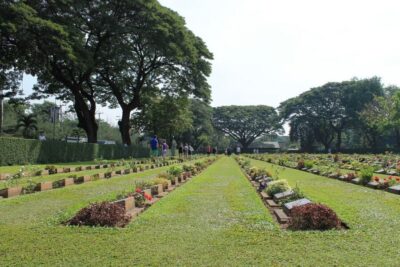
The Kanchanaburi War Cemetery is the most powerful place on the route. It is the main cemetery for prisoners of war who died during the construction of the Burma Railway, and its location on the main road through Kanchanaburi makes it easy to reach.
The stop lasts about 20 minutes. That may sound short, but the cemetery does not require a long visit to make an impression. Rows of graves and the names on the stones bring the scale of the loss down to an individual level.
I recommend using this time quietly. Walk slowly, read a few names, and let the guide’s explanation settle before moving on. The cemetery is not an attraction to rush through for photographs. It is the place where the railway’s human cost becomes clearest.
The JEATH War Museum and its uneven appeal
The small JEATH War Museum focuses on the prisoners of war who built the railway. It contains original photographs, letters, drawings, and displays about camp conditions. The material is valuable because it gives personal shape to the broad wartime story.
The museum itself is modest and not especially polished. Some displays are old, and the condition of the building can feel disappointing. That helps explain why the 20-minute visit divides opinion. Some people find the photographs and letters worth close attention, while others feel the stop takes time away from the bridge or cemetery.
I would not skip it automatically. If you care about military history, read the letters and drawings carefully. If museums are less important to you, use the guide’s explanation as your main source and accept that this is a brief, basic presentation rather than a major museum visit.
Riding the Death Railway through the countryside
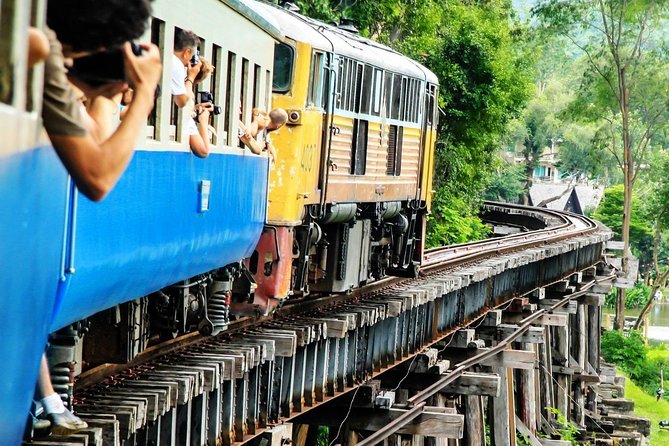
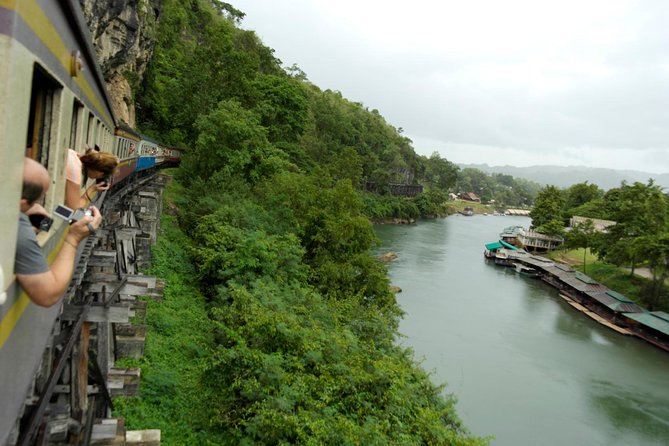
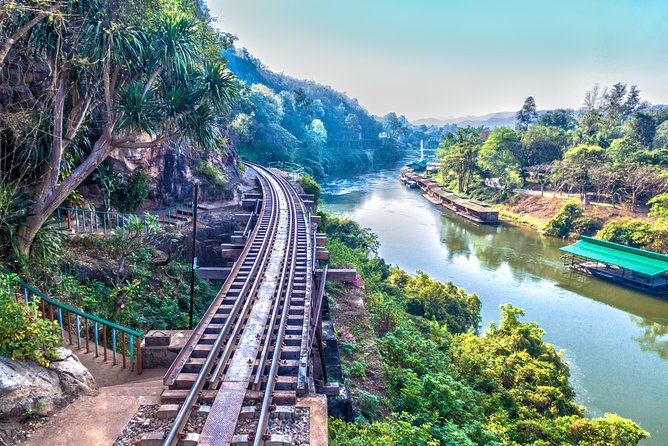
The train ride is the best physical link to the railway’s past. You ride along a surviving section of track and watch the countryside pass by from the carriage. The route offers views that you cannot get from the minivan, and it gives the day a more authentic connection to the railway than a bridge photo alone.
The train is not a luxury ride. Windows are open, the carriage can be loud, and there is no air conditioning. Ear protection can help if you are sensitive to noise. You may also find the ride warm, so carry water and a small fan.
There is a mandatory 300-baht seat fee per person. It is paid locally in cash to the guide at the station. This cost is separate from the advertised tour price, so include it when working out the true total.
The guide should explain the train schedule and meeting point, but communication has not always been perfect on every departure. Listen carefully before boarding, and keep track of where you need to meet after the ride. The train ride itself is well worth the extra cost, but the arrangement is less smooth if the timing is not explained clearly.
Lunch with a view
A buffet lunch is included, and the meal usually provides a welcome break after the morning stops. The food has been described as acceptable to tasty, with a pleasant view adding to the experience.
Do not book this tour expecting a special food tour. Lunch is mainly practical, giving you time to sit down, eat, and recover before the next section of the day. If you have dietary needs, the supplied information does not specify what will be available, so it is sensible to ask when confirming your booking.
The meal matters because this is a physically tiring day. A proper pause makes the afternoon easier, especially after walking in the sun and riding in the heat.
Shared or private: which version works best?
The shared tour offers the better price, at about $94.53 per person, and includes hotel pickup, transport, the boat ride, the train ride, lunch, entrance fees, and a Thai local guide. The main extra is the 300-baht train seat fee.
That is fair value if you want to see several major sites in one day without arranging transport yourself. A private tour costs more, but it gives your party its own vehicle and guide. You avoid some of the compromises that come with a group, including limited time at stops and difficulty hearing from the back of the van.
The private option makes the most sense for families, couples marking a special occasion, or anyone who wants to ask lots of questions. It is also useful if you dislike fixed group timing. The shared version suits you if price matters most and you are comfortable with a long, structured day.
Guides vary by departure, but Oom and Rach have been especially well regarded for their history explanations, humor, and attention to the group. Other guides may be less easy to understand, particularly from the rear seats. If you have hearing concerns, ask to sit near the guide or choose a private vehicle.
What to pack for the road
This tour is easy to join physically for most people, but comfort depends on preparation. Pack:
- Water and sun protection
- A hat and portable fan
- Tissues or toilet paper, since some toilets rely on a handheld sprayer
- Cash for the 300-baht train seat
- Comfortable walking shoes
- Ear protection for the train
- A phone charger or spare battery
Wear clothing suitable for heat and walking. You will move between a van, boat, bridge, cemetery, museum, restaurant, and train, so simple practical clothing works best.
The tour is listed as suitable for most people. Children under 100 centimeters receive the child rate, while children over 100 centimeters pay the adult rate.
Value, timing, and cancellation
At $94.53, the tour packs a lot into one day. You receive transport from Bangkok, a guide, lunch, the boat ride, train access apart from the seat fee, and the main entrance fees. Independent transport to Kanchanaburi could be cheaper in theory, but arranging the bridge, cemetery, museum, boat, railway, and return trip on your own takes more effort.
The real price is your time. Plan on at least 11 hours, and leave extra room for Bangkok traffic. I would not schedule anything important after 9:00 p.m. on the same day.
You can cancel for a full refund up to 24 hours before the start time. Changes or cancellations made less than 24 hours before departure are not refunded.
Who should book this experience?
You should book it if you care about World War II, railway history, or the human stories behind famous places. It also suits you if you want a guided day trip from Bangkok and like the idea of combining a boat, train, cemetery, museum, and bridge in one outing.
You should think twice if you dislike long drives, tight schedules, hot vehicles, basic museums, or group transport. The day can feel rushed, especially when traffic delays the return and each stop keeps to its planned time.
My advice is to treat this as a serious history trip with some enjoyable transport, not as a relaxed sightseeing day. Choose the private option if personal attention and comfort matter. Choose the shared tour if you want solid value and can accept the long road from Bangkok.
FAQ
How long does the Bridge on the River Kwai tour take?
The stated duration is about 11 hours, but actual timing can be longer. Traffic has made some departures last 12 to 14.5 hours, so keep your evening free.
Does the tour include hotel pickup and drop-off?
Yes. Pickup and drop-off are available from centrally located Bangkok hotels. Your pickup may be 30 to 60 minutes before the stated 7:00 a.m. start, depending on your hotel.
Is the train seat included in the tour price?
The train ride is included, but every person must pay a separate 300-baht seat fee locally. This is paid in cash to the guide at the station.
What places does the tour visit?
The route includes the Khwae River, the Bridge on the River Kwai, Kanchanaburi War Cemetery, and the JEATH War Museum. It also includes a long-tail boat ride and a train journey along the Death Railway.
Is lunch included?
Yes. A buffet lunch is included in the tour price.
Can I book a private tour?
Yes. You can choose a shared tour or upgrade to a private experience with your own vehicle and guide.
Just added around Kanchanaburi
- Floating & Railway Markets and Erawan Waterfall [Optional Luxury]★ 5.0 · 43 reviews
- Train trip death railway Bridge on river Kwai from Bangkok to Kanchanaburi trip★ 4.0 · 17 reviews
- River Kwai Day Tour from Bangkok: History, Scenic Views & Culture★ 4.5 · 36 reviews
- Private Tour to Kanchanaburi Death Railway and Elephant Haven★ 5.0 · 15 reviews
- Private Historic River Kwai Death Railway, War Cemetery and Hellfire Pass Tour★ 4.5 · 12 reviews
- Private Erawan Waterfall, River Kwai, Death Railway Tour from Bangkok★ 4.5 · 22 reviews
- Private Tour: Kanchanaburi Erawan Waterfall Tour from Bangkok★ 4.5 · 13 reviews
- Private Tour: Death Railway, Hellfire Pass and Erawan Waterfall★ 5.0 · 55 reviews
Death Railway Memorials, compared.
Bridge on the River Kwai and Thailand-Burma Railway Tour
Read our review →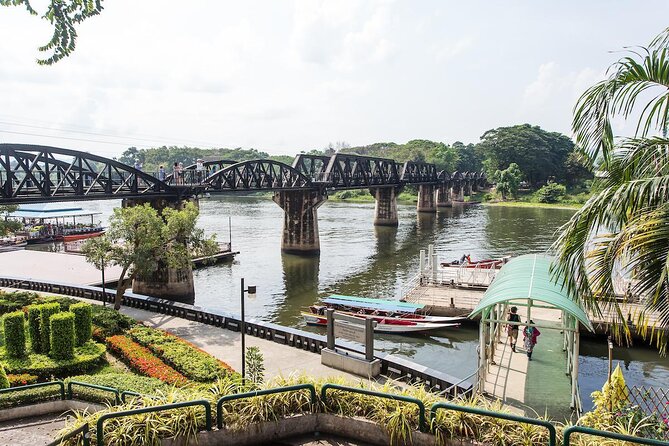
Erawan Waterfalls and Bridge Over River Kwai Tour from Bangkok
Read our review →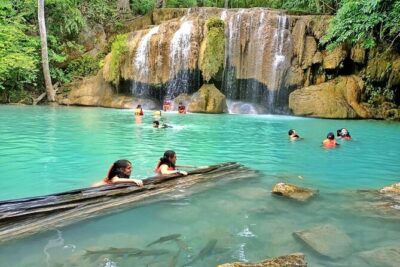
Kanchanaburi Full Day Tour: River Kwai and Erawan Falls
Read our review →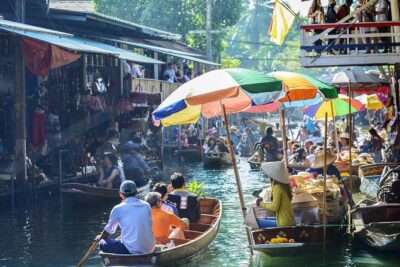
Floating Markets and Bridge on River Kwai Tour from Bangkok
Read our review →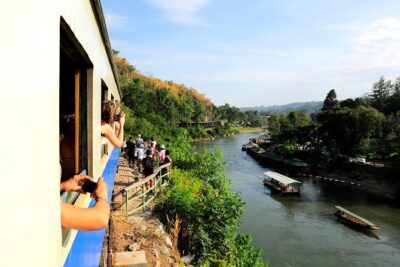
River Kwai Day Tour from Bangkok – History, Scenery & Culture
Read our review →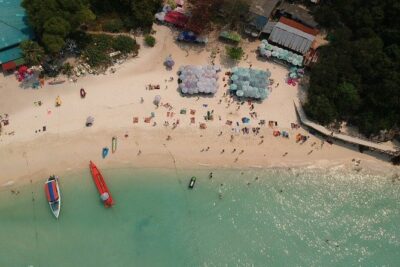
Bridge over River Kwai and Hellfire Pass Tour with Train Ride
Read our review →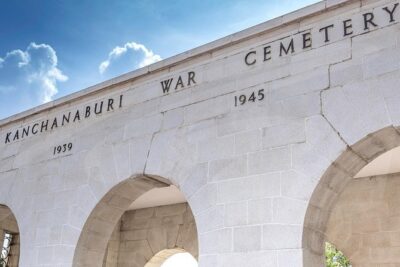
Private Tour: Thai–Burma Death Railway Bridge on the River Kwai from Bangkok
Read our review →Browse the lists this tour appears in