
Reviewed · DEATH RAILWAY MEMORIALS
Bridge over River Kwai and Hellfire Pass Tour with Train Ride
The hardest part of this day is also its reason for going: you walk through Hellfire Pass, where the Death Railway cut through rock under brutal wartime conditions, then ride part of the railway built by prisoners of war and forced Asian laborers. The experience is sobering, not a quick movie tie-in at a famous bridge.
I like the private format, which lets your guide adjust the pace and answer real questions. I also like the mix of places: a quiet cemetery, two museums, a walking trail, the bridge, and a train ride through western Thailand. You see both the history and the countryside.
The drawback is simple: this is a very long day, usually 10 to 12 hours, with roughly six hours of travel time for some hotel locations in Bangkok. Hellfire Pass also includes uneven, sloping ground, so ask about assistance if your knees or legs are a concern.
Key points at a glance
- Hellfire Pass is the emotional center: allow the full two hours to visit the interpretive centre and walk the memorial trail.
- The private guide makes a difference: guides including Ken, Lucky, Anna, Rudy, Maha, and Thanya have been praised for clear explanations and personal attention.
- The train ride adds real atmosphere: the roughly one-hour trip offers countryside views and a close look at the railway route.
- You cover several distinct sites: the war cemetery, JEATH War Museum, Hellfire Pass, and the River Khwae Bridge each tell a different part of the story.
- Hotel pickup, lunch, water, and private transport are included: that matters on a full day outside Bangkok.
- The schedule can be tiring: book it for a day when you can handle an early start and a late return.
Why Hellfire Pass should be your first priority
The day begins with pickup from your Bangkok hotel at about 7:00 am. From there, the drive west takes you out of the city and toward Kanchanaburi Province. Your guide can use this time to explain the railway project, the wartime setting, and the places ahead, rather than leaving you to piece the story together from display panels.
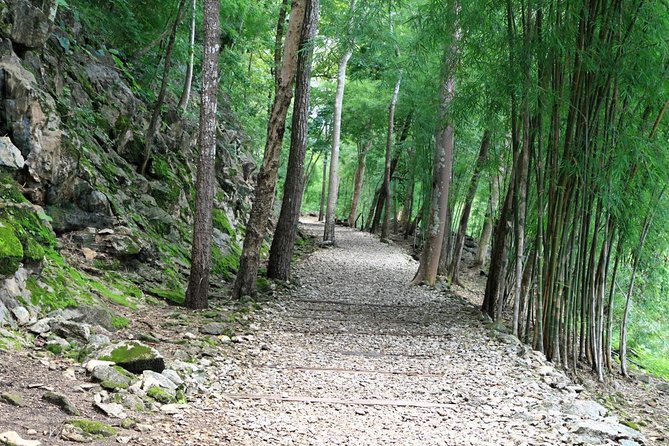
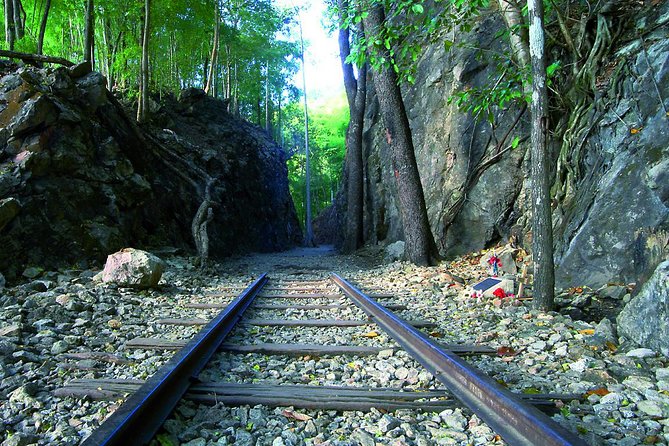
Hellfire Pass Interpretive Centre is the strongest part of the visit. The centre gives context before you walk outside, which is important because the cut itself is visually stark but not self-explanatory. The memorial trail then takes you through the rock cutting and along part of the former railway route.
You should allow the full two hours here. The walk can be physically demanding, especially in heat or if you have painful knees. One visitor with a bad knee received help arranging a buggy, so mention mobility concerns before or during the visit. Do not treat this as a quick photo stop.
The place asks for a quiet, respectful approach. The scale of the cutting helps you understand the physical work in a way a museum alone cannot. Your guide may also help connect the site to the wider story, including the suffering of British, Australian, Dutch, and American prisoners of war, as well as the large number of Asian laborers forced into the project.
That wider context matters. The story is not only about the prisoners whose names appear in many familiar accounts. The Asian workers also endured terrible conditions, and many died. A good guide makes sure that part of the history is not pushed aside.
More Death Railway memorial sites:
- From Bangkok: Historical Day Tour to River Kwai
★ 4.6 · 868 reviews - Bridge on the River Kwai and Thailand-Burma Railway Tour
★ 4.5 · 658 reviews - Erawan Waterfalls and Bridge Over River Kwai Tour from Bangkok
★ 4.5 · 372 reviews
A calm visit to Kanchanaburi War Cemetery
The Kanchanaburi War Cemetery offers a sharp change of mood. Instead of a rough railway cutting, you find an orderly memorial ground with rows of graves and a peaceful setting. The tour allows about 30 minutes here, normally with a guided visit.
That is enough time for a thoughtful walk, though you may wish it were longer if you are tracing a family connection. One guide, Anna, helped a visitor locate a relative’s grave and offered to return and pray there in the future. That kind of personal care is one reason a private guide can be useful at a place like this.
Take your time reading the names and dates. The cemetery can feel more personal than the larger museum displays because the names put individual lives at the centre of the story. It is also a good place to pause before moving on.
The order of the sites may change. A capable guide can sometimes rearrange stops to avoid the busiest periods, and several guides have done this for their groups. Do not expect a rigid, identical schedule every day.
What the JEATH War Museum adds
The JEATH War Museum is scheduled for about an hour. Its displays provide another angle on the Death Railway, with wartime material and accounts connected to the prisoners of war. The setting and presentation are less polished than a major national museum, but that can be part of its direct, personal character.
I would not visit the museum expecting a large modern collection with extensive climate-controlled galleries. Instead, use it as a place to fill in details before or after seeing the actual railway sites. Your guide is especially useful here, since some displays may need explanation or historical context.
The name JEATH refers to Japan, England, America, Australia, Thailand, and Holland, reflecting nationalities associated with the wartime story. The visit helps show how many countries were tied to this section of the railway.
The museum also works well as a counterpoint to Hellfire Pass. At Hellfire Pass, the rock and trail do most of the talking. At JEATH, objects, images, and written material carry more of the story. Together, the stops prevent the day from becoming only a bridge photo opportunity.
Crossing the Bridge over River Kwai
The River Khwae Bridge is given about 30 minutes of free time. You can walk onto the bridge, take photographs, and watch the railway line from close up. The structure is active, so pay attention and follow directions when trains approach.
The bridge is famous partly because of the film association, but the real place is more useful when you treat the movie as a starting point rather than the whole story. Your guide can explain what is accurate, what is simplified, and how the railway fits into the larger wartime project.
Arriving early can help. One couple reached the bridge before it became crowded, giving them better space for photographs and a quieter look. Since this is a private tour, your guide may be able to alter the order of the stops to improve the timing.
Thirty minutes is enough for the bridge itself, but not for a long, unhurried visit to every nearby attraction. If you want extensive photography, tell your guide. The day includes many stops, so time at one location can affect the rest of the schedule.
A few more Kanchanaburi days worth weighing up
- From Bangkok: Erawan Park & Kanchanaburi Small-Group Tour
★ 4.5 · 1,582 reviews - Bridge on the River Kwai and Thailand-Burma Railway Guided Tour
★ 4.5 · 353 reviews - Erawan Waterfall and Elephant Care: Private Tour to Kanchanabur
★ 5.0 · 339 reviews - Kanchanaburi Full Day Tour: River Kwai and Erawan Falls
★ 5.0 · 327 reviews
The Death Railway train ride
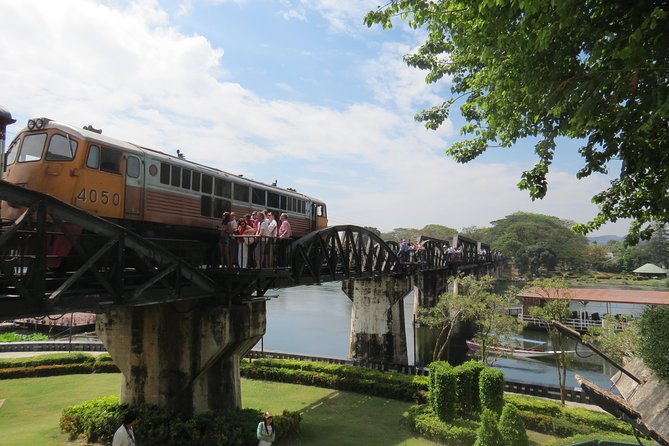
The train ride is one of the most enjoyable parts of an otherwise serious day. It lasts about an hour and gives you a different view of the route, with countryside passing outside the carriage and the railway line carrying you through the region connected to the history you have been studying.
A road trip can show you the sites, but the train lets you experience the railway as a working route. You feel the pace and movement of the track instead of only standing beside it. Guides such as Ken have helped people choose seats and find good places for photographs.
Train operations can be unpredictable. One group experienced a breakdown and had to leave at a siding, where the driver collected them. The guide managed the change, kept the group supplied with water, and arranged the onward transport. That is useful to remember: a train ride is a real public transport experience, not a private carriage running to your timetable.
The train section is also where the day can feel less museum-like. You are seeing western Thailand from the window, with a better sense of distance and place. If train travel interests you, this part adds meaningful value to the tour.
Lunch, drinks, and the private vehicle
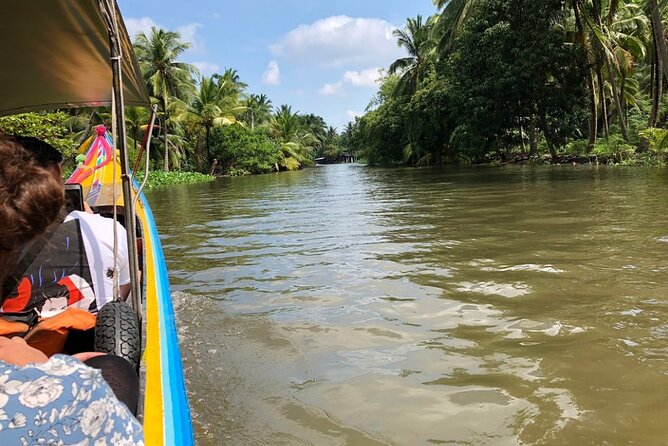
Lunch is included, normally at a local Thai restaurant. One reported arrangement included a buffet meal overlooking a wooden section of the Death Railway. Another visitor noted that the guide arranged different food for a spouse, so tell the operator about dietary needs when booking or before departure.
Bottled water is included, and guides have also provided iced coffee, soft drinks, and snacks during the drive. In a hot climate, that is more than a minor convenience. You will be outside at Hellfire Pass and on the bridge, then back in the vehicle for long stretches.
The private air-conditioned vehicle is another strong point. Pickup and drop-off remove the need to arrange a taxi across Bangkok before dawn or find your way back after a tiring day. Drivers such as Mr Yoon, Bat, Yuri, and Kampala have been praised for safe driving and helpful service.
Vehicle comfort may vary. One person found a minibus less comfortable for a private group of two and would have preferred a car. If you are a small party, it is reasonable to ask what type of vehicle will be used. A private tour means only your group participates, but it does not guarantee a compact car.
How the guides shape the day
The guide is central to this experience. The sites are spread out, and several of them need explanation to make sense. A guide who simply points at the bridge will leave you with a thin version of the story.
Ken is frequently requested and has been praised for detailed explanations, strong English, humour, and a thoughtful approach at emotional sites. Lucky, Rudy, Maha, Anna, Thanya, and Miss Diamond have also been singled out for careful pacing, historical detail, photography help, and attention to individual needs.
The names are useful, but guide assignments can change. You should not book on the assumption that a particular person is guaranteed unless the operator confirms it. What you can expect is a private guide, time for questions, and a day that can be adjusted to some degree.
The best guides do not turn the subject into entertainment. They may use humour during the long drive, but the tone at Hellfire Pass and the cemetery should remain respectful. Several guides have been praised for understanding that this is an emotional visit as well as an educational one.
The real cost of a 10 to 12 hour day
At $172.84 per person, the price is not low compared with a simple group bus excursion. But you are paying for private transport from Bangkok, a guide for your group, lunch, water, the train section, and the ability to move between widely separated sites without managing local connections yourself.
The value improves if you are sharing the vehicle with family or friends. For one or two people, the per-person price may feel high, but the convenience is considerable. You leave from your hotel, avoid several transport changes, and have a guide available throughout the day.
The main cost is not money. It is time and energy. The tour starts early and may return around 6:30 pm, depending on traffic and your hotel location. Bangkok traffic can lengthen both ends of the day, so do not schedule a flight, a formal dinner, or another major activity that evening.
The 95 percent recommendation rate and 4.8 rating from 199 reviews point to a consistently strong experience, especially for guiding and organization. Still, the long travel time and occasional vehicle comfort issues are worth weighing honestly.
Who should book this experience
I would choose this tour if you have a serious interest in World War II history, railway history, or the human cost behind famous landmarks. It also suits anyone with only a few days in Bangkok who wants one substantial excursion beyond the capital.
The tour is a good fit for families with older children, couples, and small groups who prefer private attention. Most people can participate, but Hellfire Pass is not a completely effortless walk. If you have mobility limitations, ask about the terrain and possible buggy assistance before setting out.
You should think twice if you dislike long road journeys or want a relaxed day with plenty of free time. This is a packed schedule with several museums and memorial sites. The subject is also heavy, so it is not simply a sightseeing day with a train ride attached.
Casual clothing is fine. Choose practical shoes for the trail and bring patience for the road. Water is provided, but sensible sun protection is still useful for outdoor sections.
Should you book the Bridge over River Kwai and Hellfire Pass tour?
I would book it if you want the full historical picture rather than only a photograph at the bridge. The combination of Hellfire Pass, the cemetery, JEATH War Museum, the bridge, and the train ride gives the day a clear shape, and the private format lets you ask questions that a large group may never get to.
I would not book it if your priority is a short outing or a leisurely pace. The return journey can be long, and the day may last the full 12 hours. But if you accept the early start and the serious subject, this is a well-rounded way to visit Kanchanaburi from Bangkok.
Free cancellation is available up to 24 hours before the start time. That gives you some flexibility, but confirm the details and local cut-off time before making changes.
FAQ
How long does the tour take?
The experience lasts approximately 10 to 12 hours. Pickup begins at about 7:00 am, and the return to your Bangkok hotel may be around 6:30 pm, depending on traffic and hotel location.
Is this a private tour?
Yes. Only your group participates, with a private guide and private round-trip transport from Bangkok.
What is included in the price?
The tour includes bottled water, lunch, a professional guide, private transport, hotel pickup and drop-off, and the scheduled visits and train ride.
Does the tour include a train ride?
Yes. The experience includes an approximately one-hour ride on the Death Railway, with countryside views along the route.
Is Hellfire Pass physically difficult?
The memorial walking trail includes uneven and sloping ground, and some people may find it physically challenging. Assistance such as a buggy has been arranged for a visitor with a painful knee, so discuss mobility needs with the operator.
Can I cancel for a full refund?
You can cancel at least 24 hours before the experience starts for a full refund. Cancellations or changes made less than 24 hours before the start time are not accepted for a refund.
Just added around Kanchanaburi
- Floating & Railway Markets and Erawan Waterfall [Optional Luxury]★ 5.0 · 43 reviews
- Train trip death railway Bridge on river Kwai from Bangkok to Kanchanaburi trip★ 4.0 · 17 reviews
- River Kwai Day Tour from Bangkok: History, Scenic Views & Culture★ 4.5 · 36 reviews
- Private Tour to Kanchanaburi Death Railway and Elephant Haven★ 5.0 · 15 reviews
- Private Historic River Kwai Death Railway, War Cemetery and Hellfire Pass Tour★ 4.5 · 12 reviews
- Private Tour: Kanchanaburi Erawan Waterfall Tour from Bangkok★ 4.5 · 13 reviews
- Private Erawan Waterfall, River Kwai, Death Railway Tour from Bangkok★ 4.5 · 22 reviews
- Private Tour: Death Railway, Hellfire Pass and Erawan Waterfall★ 5.0 · 55 reviews
Death Railway Memorials, compared.
Bridge on the River Kwai and Thailand-Burma Railway Tour
Read our review →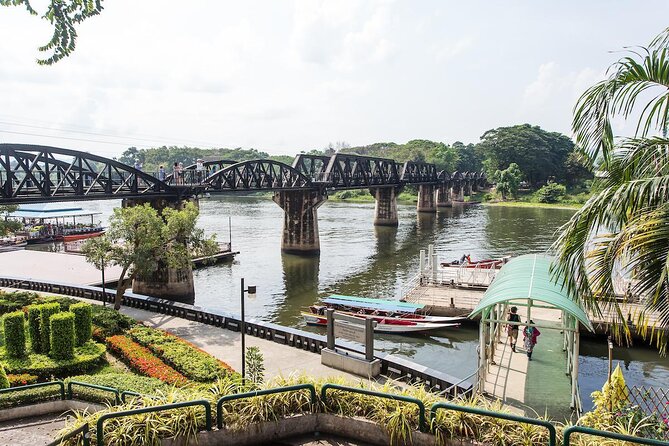
Erawan Waterfalls and Bridge Over River Kwai Tour from Bangkok
Read our review →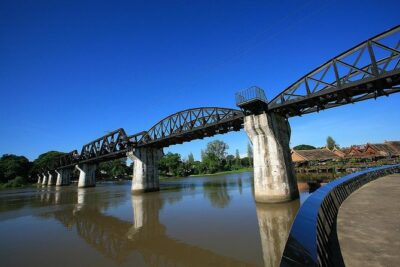
Bridge on the River Kwai and Thailand-Burma Railway Guided Tour
Read our review →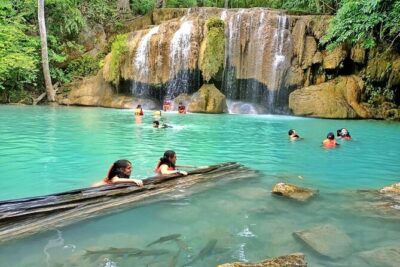
Kanchanaburi Full Day Tour: River Kwai and Erawan Falls
Read our review →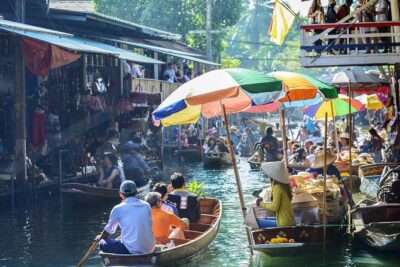
Floating Markets and Bridge on River Kwai Tour from Bangkok
Read our review →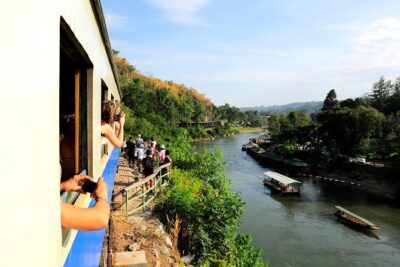
River Kwai Day Tour from Bangkok – History, Scenery & Culture
Read our review →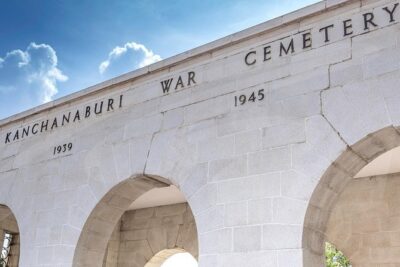
Private Tour: Thai–Burma Death Railway Bridge on the River Kwai from Bangkok
Read our review →Browse the lists this tour appears in