
Reviewed · HIKING & TREKKING
Authentic trek only walk in Chiang Rai jungle
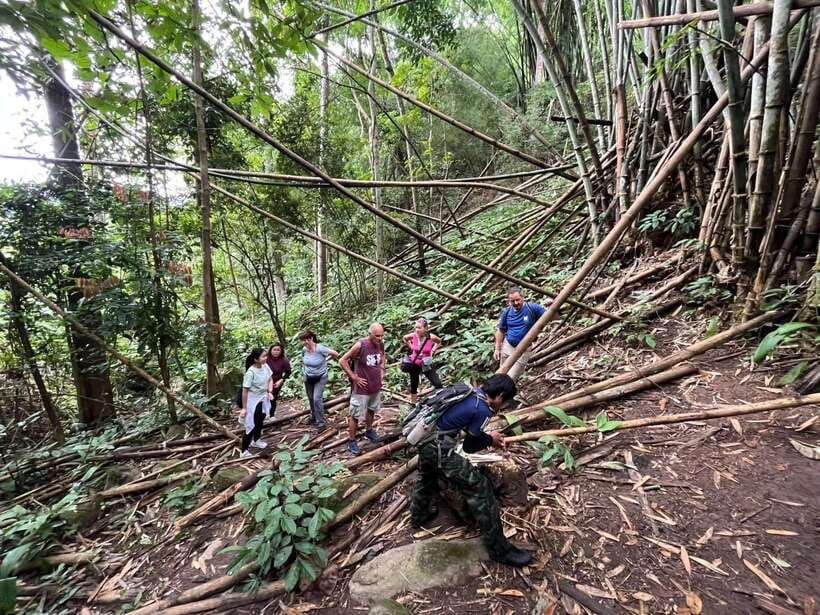
The best part of this Chiang Rai day is the proper jungle trek, not a short forest stroll dressed up as adventure. You’ll walk steep, sometimes awkward trails, duck under fallen bamboo, pass tea fields and hill villages, then cool off at a waterfall. James, Wat, and the other local guides keep the day lively while explaining the plants, communities, and places you pass.
I like two things in particular: cooking lunch in bamboo gives you a real hand-on connection to northern Thai food, and the route brings together several very different settings, from Lisu and Chinese villages to Akha and Lahu communities. The main drawback is clear: this is harder than the phrase moderate fitness suggests, with steep climbs, rocky ground, and sections where you may need to clamber.
Key points to know before booking
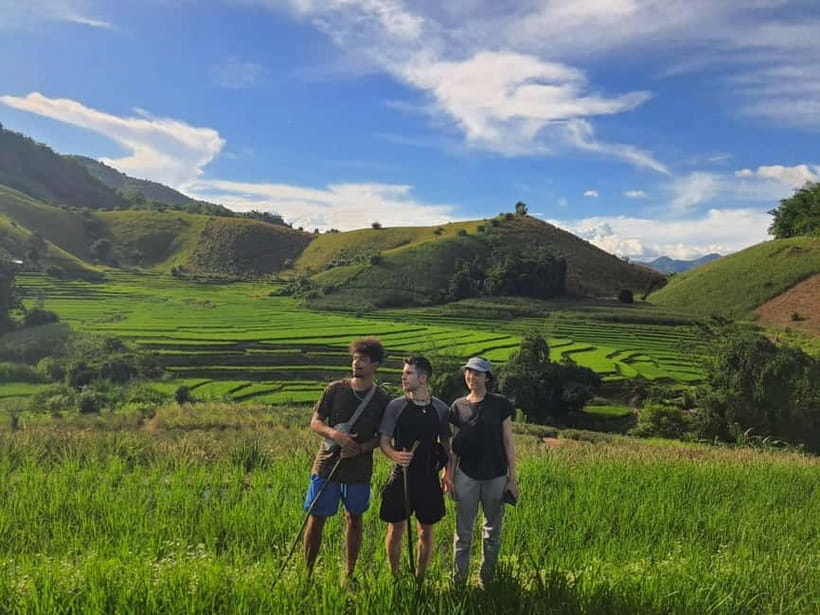
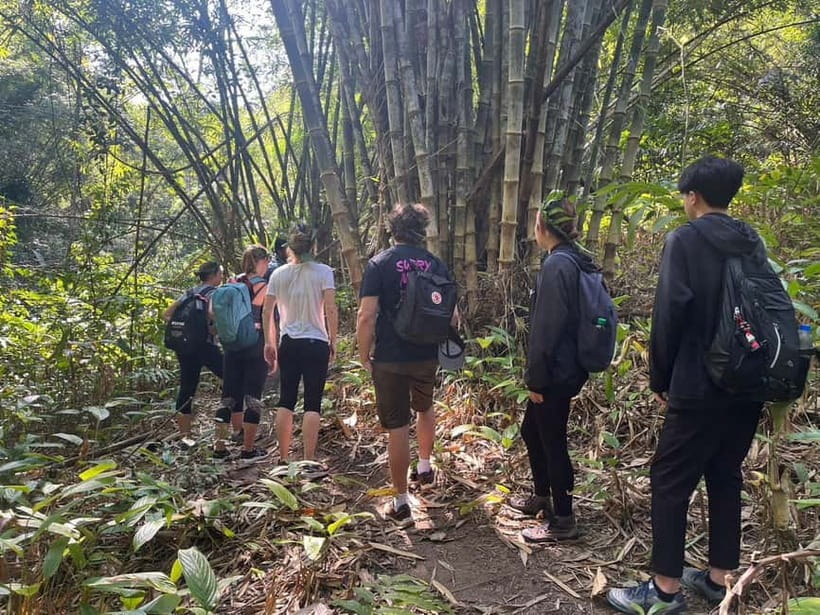
- A genuine hike: Expect several hours on jungle trails, with steep ascents, uneven ground, and fallen bamboo.
- Bamboo cooking at lunchtime: You help prepare traditional Thai food using bamboo and banana leaves, then eat it in the forest.
- Four cultural stops: The route includes Lisu, Chinese, Akha, and Lahu communities, each offering a different view of northern Thailand.
- Waterfall swim: Bring swimwear and a towel so you can cool down after the hardest part of the walk.
- Tea plantation views: The trail passes working tea fields and open viewpoints as well as dense jungle.
- Good value at $57: Hotel transport, a TAT-licensed guide, lunch, and a full nine-hour day are included, but drinks beyond water are not.
Why this Chiang Rai trek feels different
Many countryside excursions around Chiang Rai involve a short walk, a photo stop, and a quick return to town. This one is built around walking. That matters if you want to feel the change from road to forest rather than simply look at the jungle from a vehicle.
The day runs for about nine hours, with pickup from Chiang Rai at 9 a.m. You’ll spend much of the middle of the day on foot, moving through jungle trails and hill country. The route is not described as a gentle nature walk, and the first thing you should understand is the physical demand.
You may climb steep slopes, step over roots, pass beneath fallen bamboo, and deal with rocky or slippery sections. Some people have found it challenging but rewarding. One traveler described parts as technical, while another pointed out that a member of the group had to stop near the beginning because the hike was too demanding.
That is useful information, not a warning to ignore. If you walk regularly and feel comfortable on uneven trails, the effort is likely to be part of the appeal. If you have mobility problems, poor balance, or trouble with steep ground, this is not the Chiang Rai outing to choose.
More treks and jungle hikes in Chiang Rai:
- 1 Day Trekking in Chiang Rai forest (walk only)
★ 4.9 · 95 reviews - 1 Day trekking : Chiang Rai popular activity,Fun in Nature.
★ 4.8 · 18 reviews - 3-in-1: Doi Inthanon Tour, Elephant Sanctuary, and Trekking Trail
★ 5.0 · 1,087 reviews
Morning pickup and the road into the hills
Hotel pickup is included from Chiang Rai. You’re asked to wait in the lobby about ten minutes before the scheduled collection time, with the usual start listed as 9 a.m. The exact pickup time can depend on your hotel and the day’s arrangements, so keep your morning free.
Transport gets you to the walking area, but the vehicle itself may not be the most polished part of the day. One person reported a strong diesel smell during the ride, which caused some discomfort. That does not define the experience, but it is worth knowing if you are sensitive to vehicle fumes or motion.
Once the walk begins, the focus shifts quickly from transport to the countryside. Your guide gives a safety briefing and sets the pace. Guides named in the feedback include James, Wat, Sammy, and Tee. The most consistently praised feature of the guiding is the mix of humor, attention, and local explanation.
James is known for keeping the group laughing, while Wat is often involved in the cooking and explaining the route. The guides also check that people are coping with the hills. That personal attention matters on a route where the ground can change quickly.
Lisu and Chinese villages at the start
The first cultural part of the route takes you to a Lisu village. The Lisu are one of northern Thailand’s hill communities, and this stop gives you a chance to see a place connected to everyday village life rather than only a staged cultural display.
You should approach this part with respect. Walk quietly, listen to your guide, and ask before taking close-up photographs. The value here is not a long formal presentation. It is the chance to see how the village setting fits into the wider mountain region and to understand that the jungle trails are also routes between living communities.
The itinerary then includes a Chinese village, adding another layer to the area’s population and past. Chiang Rai Province is not culturally uniform, and these stops help explain that. You are not simply looking at scenery. You are moving through places shaped by different communities, farming practices, and traditions.
The village visits may also include time for sightseeing and shopping. Do not expect a large market or an extended shopping session. The focus remains on the walk, but you may have an opportunity to look at local goods or small items connected with village life.
Tea plantations and open mountain views
After the villages, the route passes through tea plantations. This is one of the more pleasant changes in scenery. Dense jungle can feel enclosed, while the tea fields open the view and give you a chance to pause, take photographs, and catch your breath.
You’ll notice the smell of tea plants and see how cultivation fits into the hill country. The route also includes scenic viewpoints, rubber trees, and wild-grown fruit according to the guide commentary described for the day. The guides may point out plants along the way, and you may have the chance to taste some fruit growing in the area.
The tea fields are especially welcome after a steep section. They provide visual variety and make the route feel less repetitive. This is not a trek through one unbroken wall of trees. You move between jungle, village edges, cultivated areas, and more open mountain views.
The practical point is to use these pauses wisely. Take photographs, drink water, and adjust your shoes or backpack before the trail turns rough again. You will want both hands free on some parts of the route, so avoid carrying loose items.
More Walking Tours in Chiang Rai:
- Bangkok: City Highlights Temple and Market Walking Tour
★ 4.5 · 3,990 reviews - Bangkok: Grand Palace and Wat Phra Kaew Guided Walking Tour
★ 4.4 · 2,417 reviews - Bangkok: Wat Pho and Wat Arun Guided Walking Tour
★ 4.6 · 1,720 reviews - Chiang Mai: 3 Hour Old City and Temples Guided Walking Tour
★ 4.6 · 1,568 reviews
Bamboo cooking in the middle of the jungle
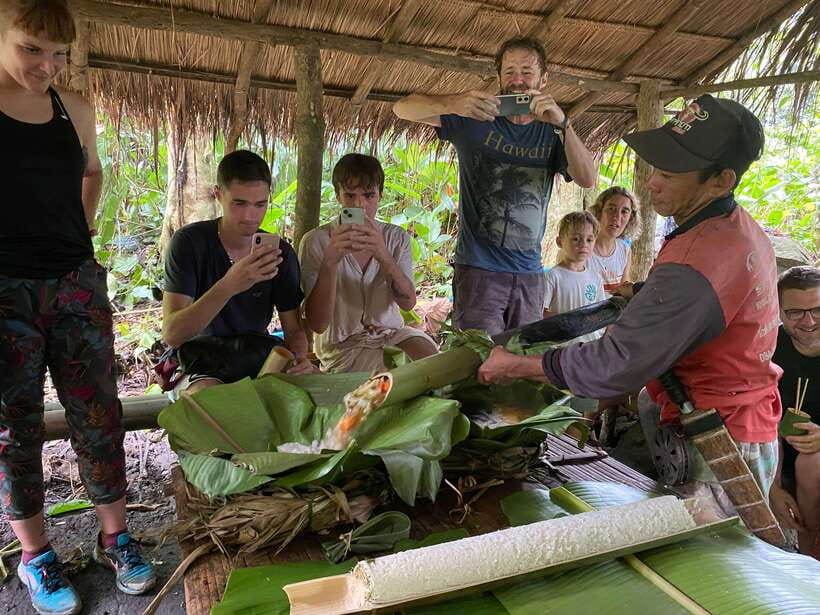
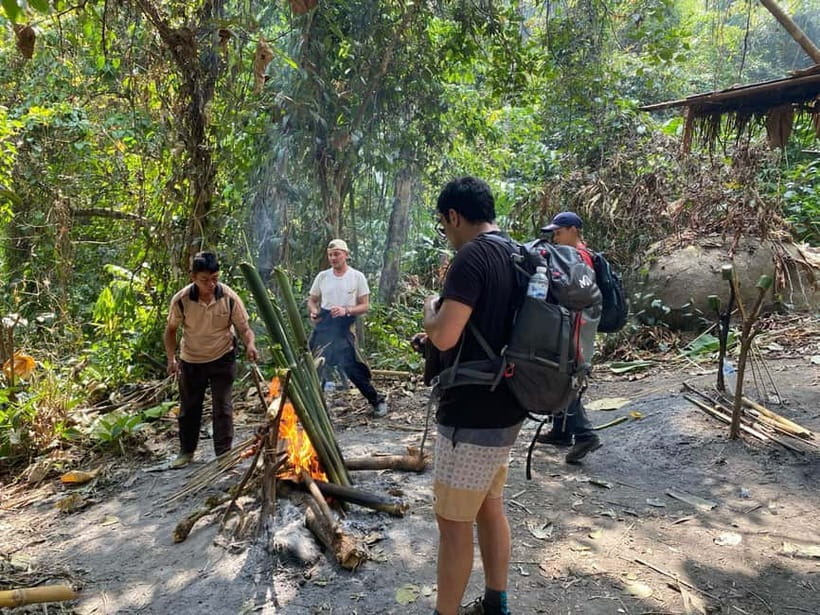
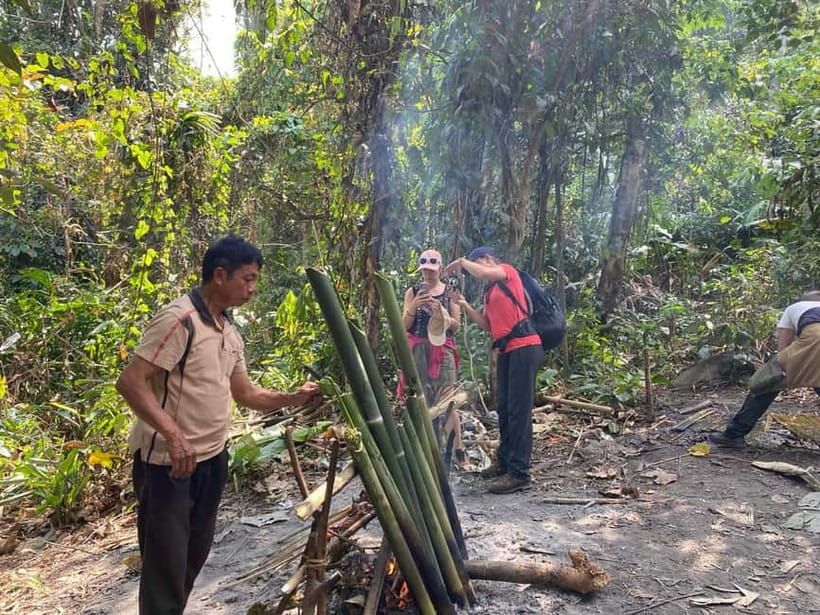
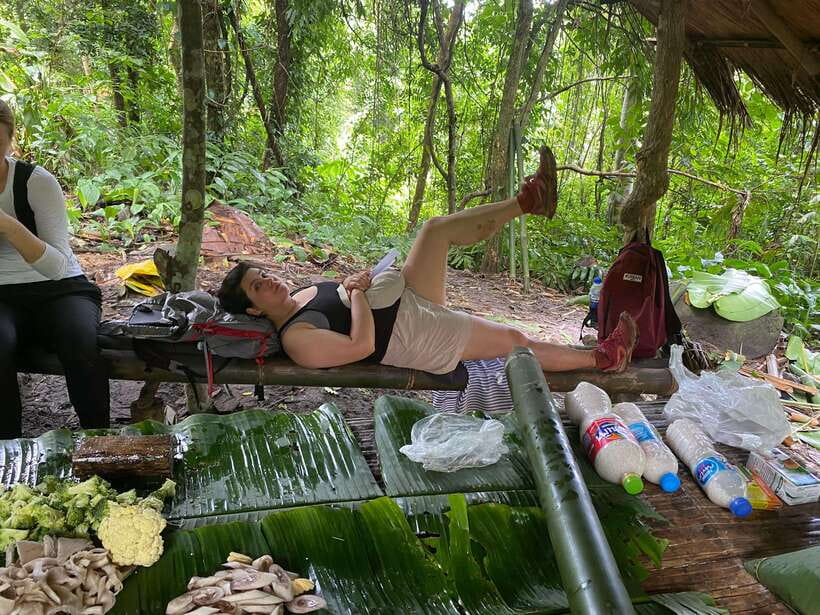
The lunch stop is the experience’s most distinctive feature. Instead of carrying a prepared restaurant meal into the forest, you help cook Thai food with bamboo gathered from the jungle. Banana leaves and bamboo canes are used in the preparation and serving.
This is not just a novelty for photographs. It breaks up the physical effort and gives you something active to do before the afternoon section. You’ll see how a simple natural material can become part of the cooking process, serving dishes, and even small handmade souvenirs.
The food has received especially strong praise. Descriptions include delicious, creative, and better than expected, with some people calling it one of the best meals of their Thailand trip. The meal is included in the $57 price, which improves the value considerably.
You should tell the operator about dietary restrictions or medical conditions before the day. The supplied information does not list a fixed menu, so you should not assume that every dietary need can be handled on the spot.
The guides may also carve small bamboo ornaments for you to take home. These simple souvenirs are more personal than a generic shop purchase because they connect directly to the activity and the people leading it.
Drinking water is included only in the sense that other drinks are specifically excluded. Bring enough water for your comfort, and do not expect soft drinks or alcohol to be part of the package. A reusable bottle is a sensible choice.
The waterfall reward after the hard walking
After lunch, the trail continues through thicker jungle toward a waterfall. This is where the route earns its effort. The sound of running water and the chance to cool off make a real difference after hours of climbing and uneven ground.
Swimwear and a towel are on the recommended packing list. The water is described as clear and refreshing, but this is still a natural setting, so take care around rocks and wet surfaces. You should not treat the pool like a managed swimming facility.
The waterfall is also a good reason to carry your camera in a waterproof bag or sealed pouch. A camera is recommended, but a phone left loose in a wet backpack is an avoidable mistake.
The timing of the stop may depend on the group’s pace and trail conditions. If you walk slowly, you may have less time at the water. That is another reason to be realistic about fitness. The waterfall is not a substitute for the hike. It is the reward at the end of it.
Akha and Lahu communities on the return route
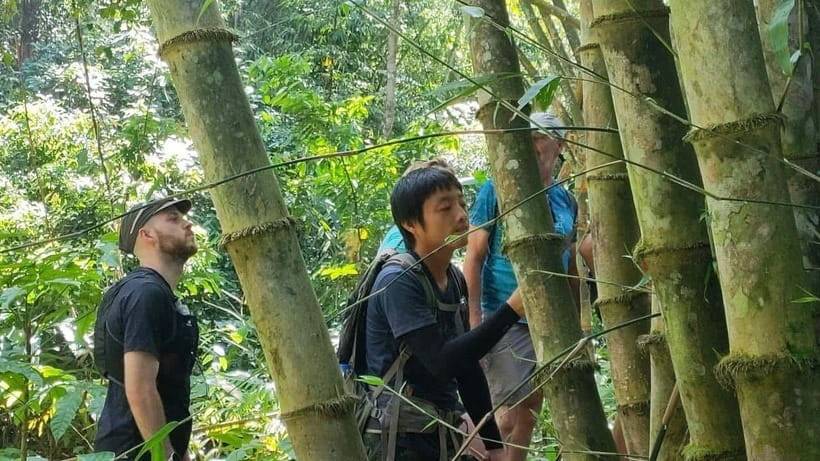
The afternoon route continues toward Akha and Lahu villages. These stops broaden the cultural side of the day, giving you contact with two more communities connected to the northern hills.
The guides can explain customs, village life, and the setting around you. Because the trip includes several communities, you should not expect an extended tour of every village. The experience works better as a moving picture of the region, with short visits and conversations woven into a day of walking.
You may hear jungle sounds around the villages and notice how close daily life remains to the forest. That connection between people, crops, trails, and natural resources is one of the most worthwhile parts of the trip.
As at the Lisu and Chinese stops, be thoughtful with photography and purchasing. Ask before taking portraits, and listen when your guide explains what is appropriate. Cultural contact works best when you treat it as an exchange, not a photo stop.
The final walking section brings you back toward transport and Chiang Rai. By this point, you’ll probably be tired, damp from the waterfall or sweat, and happy to sit down. The return is part of the nine-hour day, so do not plan a demanding evening activity afterward.
How much value do you get for $57?
At $57 per person, this is not the cheapest way to see the Chiang Rai countryside. It is also not simply a transfer to a viewpoint. The price covers hotel pickup and drop-off, a TAT-licensed guide, lunch, village visits, the full walking route, and the waterfall stop.
The value depends on what you want. If you want a short, easy outing with lots of time in a vehicle, this will feel like too much walking. If you want a full day with active travel, local guides, food preparation, and several different settings, the price is reasonable.
The bamboo meal adds real value because it is both lunch and an activity. The guide team adds more because you are not left to find the trail or interpret the villages alone. Transport is also important in Chiang Rai, where rural stops can be spread across the province.
The main extra cost to remember is drinks other than water. You should also arrive with the right equipment. A poor pair of shoes can turn a good-value day into an uncomfortable one.
What to wear and pack
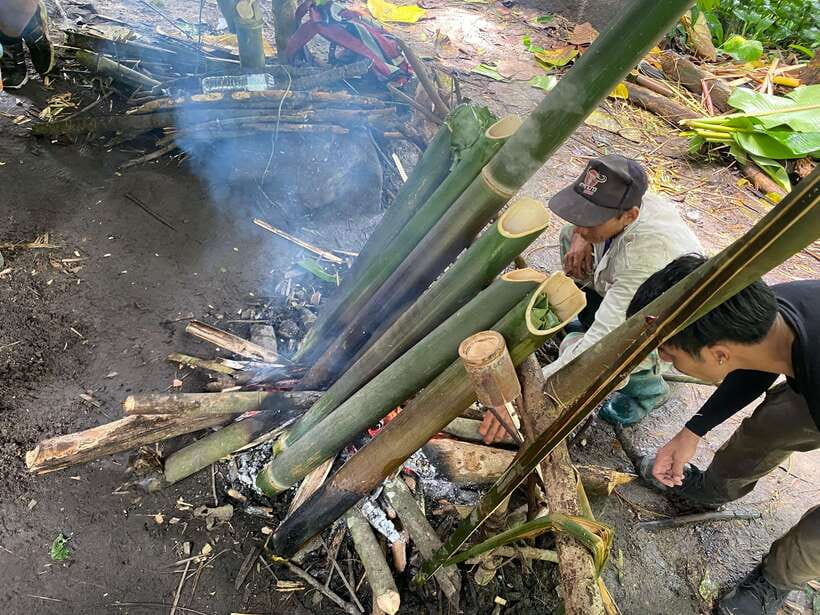
Take the packing list seriously. This is not the place for smooth-soled trainers or casual sandals.
Bring:
- Hiking shoes with good grip
- A sun hat and sunscreen
- Insect repellent
- Swimwear and a towel
- A camera or phone in waterproof protection
- Drinking water
- Light clothing that can handle sweat and dirt
Keep your hands free where possible. You may need them for balance on steep or awkward ground, and loose bags can get caught on bamboo.
The route can feel hot, even when the forest provides shade. One April outing was described as hot but enjoyable, while rainy-season conditions can make a difficult trail more demanding. Conditions will affect footing, so your pace should be guided by the day rather than by a fixed expectation of speed.
Who should book this experience?
I would choose this trek if you want a physical day in the countryside and prefer local contact to polished sightseeing. It suits adults and older teenagers who can manage several hours of walking, steep slopes, and uneven trails.
It is a strong choice for anyone interested in food as well as scenery. The bamboo cooking gives the day a clear center, and the waterfall provides a welcome break. It also suits small groups and solo bookers who enjoy a social day with guides who joke, explain, and keep watch over the group.
I would not choose it for someone with mobility difficulties, limited fitness, or a strong dislike of heat and rough ground. The phrase moderate fitness may undersell the tougher sections. You should be comfortable with the possibility of climbing, crouching beneath bamboo, and taking careful steps on rocky trails.
Free cancellation up to 24 hours before the start gives you some flexibility, and you can reserve now and pay later. Still, the more important decision is physical: be honest about how you handle a real hike.
Should you book the Chiang Rai jungle trek?
Book it if you want the most active and hands-on option in your Chiang Rai plans. The combination of jungle walking, tea plantations, four hill communities, bamboo cooking, and a waterfall gives the day much more substance than a standard sightseeing loop.
I especially like that the experience asks you to do something rather than only look at something. You walk the terrain, help prepare lunch, meet the guides where they work, and finish with a swim. That makes the day memorable, but it also means you must accept sweat, steep ground, and a little discomfort.
Skip it if you need an easy outing or have mobility concerns. For everyone else, pack sturdy shoes, keep your schedule clear for the full nine hours, and prepare for one of Chiang Rai’s more rewarding active days.
FAQ
What time does the Chiang Rai jungle trek start?
Hotel pickup is listed for 9 a.m. You should wait in your hotel lobby ten minutes before the scheduled pickup time.
How long does the experience last?
The full activity lasts about nine hours, including transport, walking, village visits, lunch, and the return to Chiang Rai.
Is hotel pickup included?
Yes. Hotel pickup and drop-off in Chiang Rai are included.
Which languages do the guides speak?
Live guiding is available in English and Thai.
Is lunch included?
Yes. Lunch is included, and you help prepare traditional Thai food using bamboo and banana leaves. Drinks other than water are not included.
Is the trek suitable for beginners?
The route requires a moderate level of physical fitness and includes steep slopes, uneven ground, jungle trails, and sections where you may need to duck under or step over fallen bamboo. It is not suitable for people with mobility difficulties.
What should I bring?
Bring a sun hat, swimwear, a towel, camera, hiking shoes, sunscreen, and insect repellent. You should also carry water and protect electronic items from moisture around the waterfall.
Just added around Chiang Rai
- Chiang Rai Temples Day Trip from Chiang Mai★ 4.5 · 23 reviews
- Chiang Mai-Chiang Rai:White-Black-Blue Temple-Golden Triangle-Keren-Boat Trip★ 4.0 · 96 reviews
- Visit Dantewada(Angel Land), Blue Temple, and Sticky Waterfall★ 5.0 · 120 reviews
- Chiang Mai-Chiang Rai: White Temple-Black Museum-Blue Temple★ 4.0 · 24 reviews
- Chiang Mai-Chiang Rai:White+Black+Blue Temple+Golden Triangle+Boat Trip★ 4.0 · 63 reviews
- Best 2-Day: Explore Chiang Rai Landmarks from Chiang Mai, Private Trip★ 5.0 · 8 reviews
- Chiang Rai Temples ( White,Blue )And Doi Suthep Private Day Tour★ 5.0 · 26 reviews
- From Chiang Mai: White Temple, Blue Temple & Black House★ 4.5 · 15 reviews
Hiking & Trekking, compared.
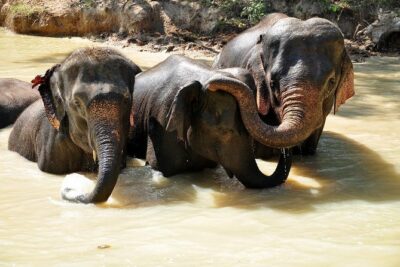
3-in-1: Doi Inthanon Tour, Elephant Sanctuary, and Trekking Trail
Read our review →
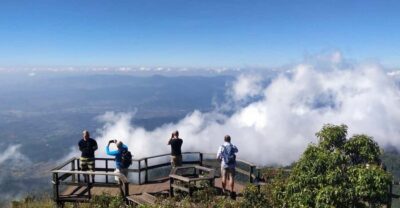
Doi Inthanon Park with Kew Mae Pan Hike Day Trip
Read our review →

Doi Inthanon Private Tour with Trek & Lunch from Chiang Mai
Read our review →
Doi Inthanon National Park and Pha Dok Siew Trek
Read our review →Browse the lists this tour appears in