
Reviewed · DEATH RAILWAY MEMORIALS
River Kwai Day Tour from Bangkok – History, Scenery & Culture
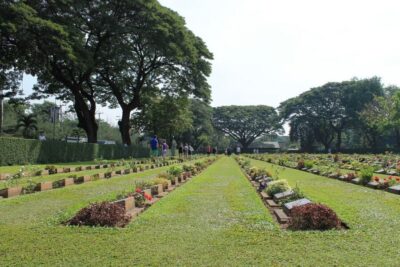
The most powerful part of this day is not the famous bridge. It is the quiet Commonwealth War Cemetery, where rows of graves mark the terrible cost of building the Burma Railway. From there, the tour connects the memorial site, JEATH Museum, bridge, and surviving railway in one long but meaningful day.
I like the small group of no more than 15 and the chance to ride the old railway itself, rather than only look at photographs. I also like the practical extras: air-conditioned transport, lunch, hotel pickup on request, and guides such as Rach and Oom, who have been praised for clear and caring explanations. The drawback is the length. With an early start, heavy Bangkok traffic, and several hours on the road, this is not a gentle half-day outing.
Key points to know before you book
- A full WWII history day: Visit Kanchanaburi War Cemetery, the JEATH War Museum, the River Kwai Bridge, and the Death Railway.
- The train ride is the highlight for many people: You travel along a remaining section of railway beside the River Kwai and across wooden viaducts.
- Small groups make a difference: The maximum group size is 15, far easier to manage than a large coach.
- Plan for a very early start: The day lasts about 11 hours, and pickup times can be affected by Bangkok traffic.
- Lunch is included: You eat Thai-style food near Wang Po station, with views toward the river.
- Seat upgrades may be offered: Standard train seating can mean hard benches, while a better seat may cost about 500 baht extra.
Why the River Kwai day matters
This is a history tour first, a scenic outing second. During World War II, Allied prisoners of war and Asian laborers were forced to build the railway linking Thailand with Burma, now Myanmar. The work took place under brutal conditions, and many thousands died from disease, starvation, exhaustion, and mistreatment.
The bridge has become famous through books and film, but the real story is broader than the bridge itself. The cemetery, museum, railway, and river valley help you understand that this was a huge military project, not a single dramatic structure.
You should approach the day with respect. The cemetery is not a quick photo stop, and the museum material can be upsetting. The experience is most rewarding if you want context and remembrance, not just a scenic train ride.
More Death Railway memorial sites:
- From Bangkok: Historical Day Tour to River Kwai
★ 4.6 · 868 reviews - Bridge on the River Kwai and Thailand-Burma Railway Tour
★ 4.5 · 658 reviews - Erawan Waterfalls and Bridge Over River Kwai Tour from Bangkok
★ 4.5 · 372 reviews
Leaving Bangkok for Kanchanaburi
Pickup is available from various Bangkok hotels, with the exact timing provided on your voucher. You need to wait in your hotel lobby 15 minutes before the stated pickup time. The operator allows for traffic delays of roughly 15 to 45 minutes, so keep your morning flexible.
The trip uses an air-conditioned minibus. A small group of up to 15 means the vehicle should feel more manageable than a full-size tour coach, though space and comfort can still vary depending on the number of passengers and luggage.
The road journey is one of the main tradeoffs. Bangkok traffic can be slow, and the total day runs about 11 hours. Some sightseeing days promise a faraway attraction without making the travel time clear. This one requires stamina, so I would not schedule an important evening booking afterward.
Kanchanaburi War Cemetery: the most moving stop
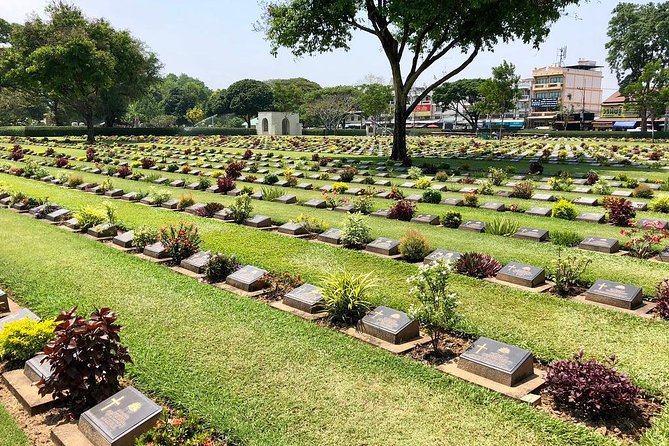
The first major stop is Kanchanaburi War Cemetery, also known as the cemetery for Allied prisoners who died during the railway project. The grounds are carefully arranged, with long rows of marked graves that make the scale of the loss plain.
You get about an hour here according to the planned schedule, though the exact time can shift. That is enough to walk quietly among the graves and read the inscriptions. Some people come looking for a particular relative or regiment. A guide may be able to help locate a grave, as Rach did for one family group, but you should bring any names or details with you.
This stop works because it is direct and personal. A museum can give you dates and maps. A cemetery gives you individual names, ages, and places of origin. I would spend your time here slowly rather than rushing from one row to the next.
The cemetery is also a useful correction to the popular image of the River Kwai. The film version focuses on a dramatic bridge. The real site is about the men who suffered and died across the wider railway project.
JEATH War Museum and the limits of the displays
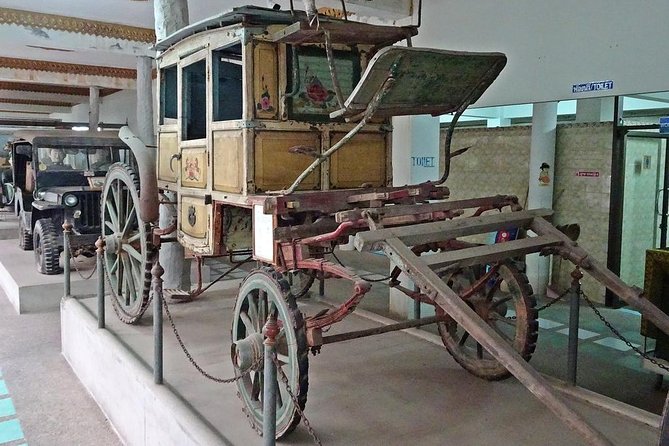
The JEATH War Museum covers the World War II railway story through photographs, paintings, historical material, and a recreation of a prisoner-of-war hut. The name refers to Japan, England, America, Australia, Thailand, and Holland, the national groups linked with the railway story.
The museum gives you useful visual context before you see the bridge and railway. The recreated hut helps show how basic the living conditions were. Still, you should set your expectations carefully. Parts of the museum have been described as worn and in need of cleaning, and some photographs and displays have limited English explanation.
The planned visit can last up to an hour, although the actual time may be shorter. Some people find the material informative but dated. If you want a polished modern museum with extensive labels, this may disappoint. If you treat it as one piece of a larger historical day, it works better.
Your guide makes a major difference here. Rach, Oom, Nina, and Jira have been praised for explaining the railway and answering questions. Other guides have been less fluent in English or offered little beyond what you could read yourself. That variation is worth keeping in mind when you compare this tour with alternatives.
More Historical Tours in Kanchanaburi:
- River Kwai Day Tour from Bangkok: History, Scenic Views & Culture
★ 4.5 · 36 reviews - Private Historic River Kwai Death Railway, War Cemetery and Hellfire Pass Tour
★ 4.5 · 12 reviews - From Bangkok: Ayutthaya Historical Park Guided Day Trip
★ 4.6 · 3,020 reviews - UNESCO’s Ayutthaya Historical Park: Full-Day Tour from Bangkok
★ 4.5 · 1,559 reviews
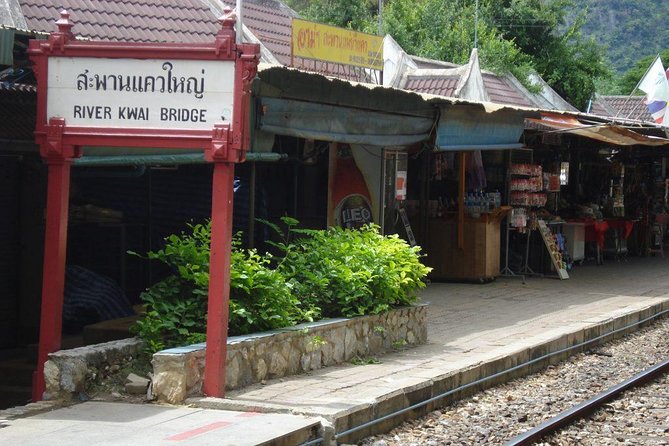
Walking across the River Kwai Bridge
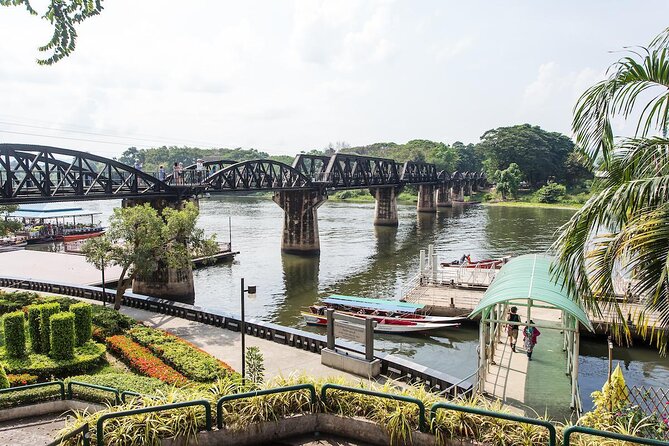
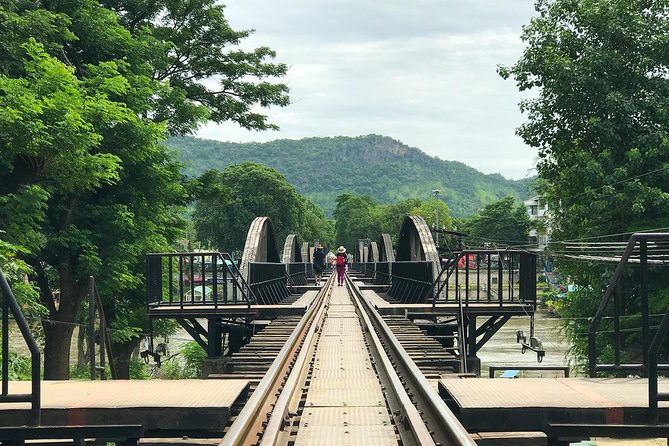
At the bridge, you can walk across the structure and look down at the river. The bridge is still used, so you need to pay attention to railway movements and follow local instructions. The walk is not difficult, but the bridge can feel exposed and busy when several groups arrive at once.
The best reason to walk across is not the bridge’s appearance. It is the chance to connect the museum’s photographs with a real working railway. The river, steel framework, tracks, and surrounding hills make the site feel more immediate than a display case ever could.
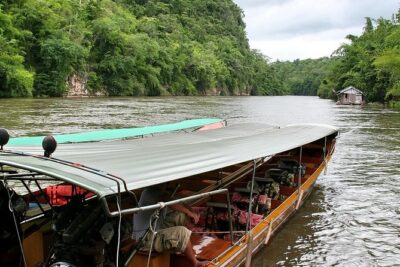
A short boat ride may sometimes be offered as an optional extra on the day. It gives you another angle on the bridge from the water, but it is not part of the stated inclusions. Ask about the price and timing before agreeing, since the main schedule is already full.
This stop can feel more tourist-oriented than the cemetery. That is normal for a famous landmark. Give the bridge its proper place in the story, but do not mistake it for the whole story.
Riding the Death Railway
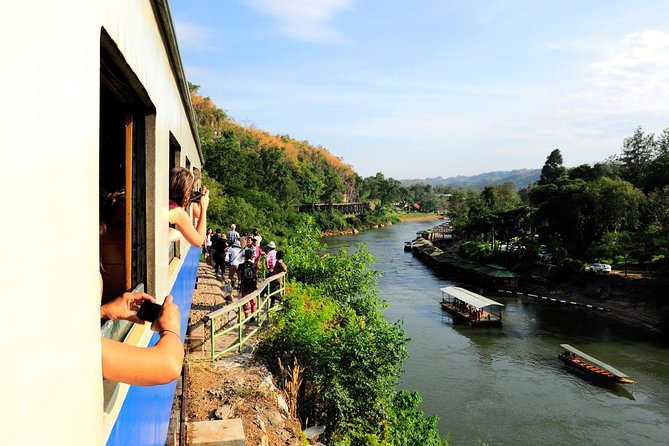
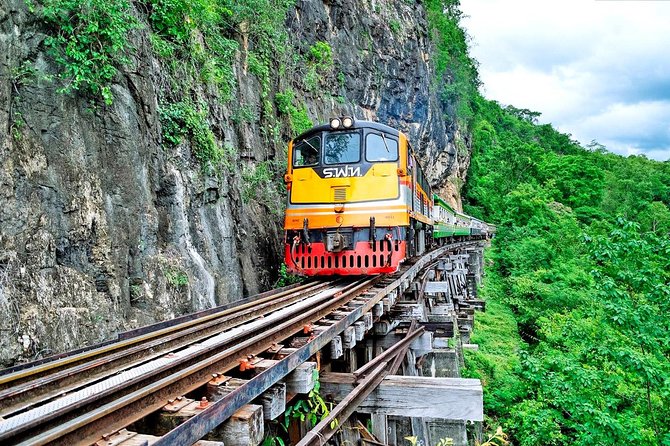
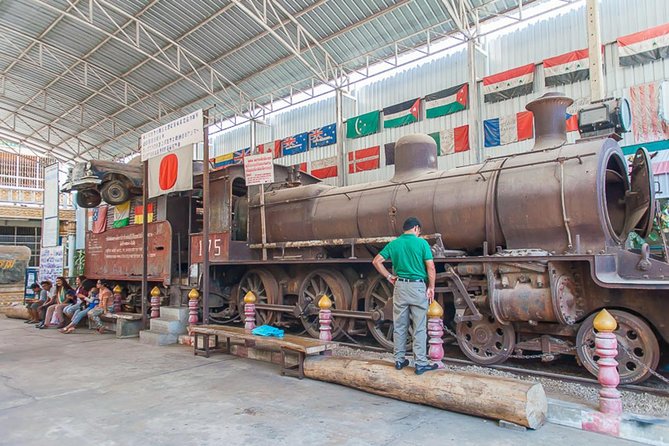
The train ride is the day’s most distinctive activity. You travel along a surviving section of the Death Railway, taking in rural views and passing over wooden viaducts built by prisoners of war. The route near Tham Kra Sae and Wang Po is especially striking because the track hugs the cliff above the River Kwai.
The train is old and public, not a private luxury carriage. Standard seating can mean hard benches, and a seat is not always guaranteed in the most comfortable position. A train seat upgrade may be offered for around 500 baht. I would consider it if you want a better view, have back problems, or expect the ride to be a major part of your day.
The schedule lists about 30 minutes for the train section, but timing can vary. You may encounter dust, smoke, heat, and crowding. There is no air-conditioning on the old train, so carry water and expect a basic ride.
That roughness is also part of the appeal. You are not watching the railway from a museum platform. You are moving across a real section of track, through countryside and along the wooden viaducts. The train is not a theme-park recreation, although the modern setting and other passengers mean it cannot reproduce wartime conditions.
Some people find the scenery peaceful, particularly near the end of the route. That contrast can be striking: the river and trees look calm, while the railway carries a grim story. Listen to the guide before and during the ride, since the view alone cannot explain what happened here.
Lunch near Wang Po station
Lunch is included at a local restaurant near Wang Po station, close to the Burmese border area. It is described as a Thai-style buffet with plenty of choice, and the dining spot overlooks the river.
This is a useful pause after the cemetery, museum, bridge, and train. You can eat without having to search for a restaurant or manage another transfer. The meal also gives you time to recover before the return drive to Bangkok.
Do not book this tour solely for food, but the lunch adds real value to the price. A number of meals on day tours are rushed or limited to one fixed dish. Here, the buffet format offers more flexibility, though the exact menu is not specified.
There may also be a small market near the lunch stop. Treat it as spare browsing time rather than a core part of the tour, since the schedule and traffic can affect how long you have.
Guides can make or break the day
The tour includes an English-speaking guide, but the quality of explanations can vary. Some guides have been described as warm, careful, and very well informed. Rach is especially praised for his WWII explanations, personal attention, and willingness to help locate graves. Oom is noted for extensive knowledge and patience, while Nina has been praised for explaining the railway, helping with train seating, and offering water and fruit. Jira has also been described as well prepared and attentive.
That is the good side of the equation. A few departures have had guides with limited English or little commentary beyond the written displays. One guide was described as more of an escort and offered little information during the drive or at the stops.
I would ask questions whenever you can. Ask about the railway’s construction, the role of Asian laborers, the bridge’s wartime history, and what remains of the original route. If you receive strong explanations, the day becomes far more valuable. If not, the cemetery and train still carry their own weight, but you may feel you have paid for more interpretation than you received.
Is $97.77 good value?
At $97.77 per person, the price is reasonable if you want transport from Bangkok, an English-speaking guide, lunch, museum entry, cemetery access, bridge access, and a train ride bundled together. Hiring separate transport to Kanchanaburi and arranging the railway independently would require more planning and leaves you responsible for timing.
The value is strongest for first-time visitors who want the main historical sites in one day. You do not have to work out the route, find the cemetery, locate the museum, or coordinate the train and lunch.
The price feels less attractive if you dislike long road journeys or prefer to study historical sites at your own pace. The museum visit may feel brief, and the train ride can be basic. Optional extras, such as a boat ride or better train seat, can also raise the final cost.
The small group helps justify the price. With no more than 15 people, it is easier to hear the guide, ask questions, and move through the stops than it would be on a large bus. Group discounts may be available, though the exact terms are not provided.
Who should book this experience?
I would recommend it to anyone with a serious interest in World War II, military history, family remembrance, or Thailand beyond Bangkok. It also suits you if you want one organized day that combines history, countryside, and a real railway ride.
It is a good fit for families with older children, provided they understand the solemn subject matter. Children taller than the stated limit are charged the adult rate. The supplied information gives two different height thresholds, 110 cm and 120 cm, so confirm the correct rule before booking.
I would think twice if you want a relaxed outing, dislike early starts, or need a polished museum experience. The day is long, the vehicle spends substantial time on the road, and the old train can be dusty and uncomfortable.
Free cancellation is available if you cancel at least 24 hours before the start time. Late arrival can lead to reallocation or cancellation without a refund, so be in the lobby early.
Should you book the River Kwai day tour?
Book it if you want the key Kanchanaburi sites handled in one day and you value the chance to ride the Death Railway. The cemetery, river views, wooden viaduct, and lunch near Wang Po give the day more substance than a simple bridge photo stop.
Before booking, accept three things: the road trip is long, the museum is modest, and the guide matters greatly. If possible, ask how train seat upgrades and optional boat rides work on the day.
For a first visit from Bangkok, I think the tour offers solid value and a respectful introduction to the River Kwai story. Go for the history and the railway, not for comfort or a leisurely pace.
FAQ
How long does the River Kwai day tour take?
The experience lasts about 11 hours, including transport from Bangkok, the visits in Kanchanaburi, the train ride, lunch, and the return transfer.
Is hotel pickup included?
Bangkok hotel pickup is available on request. You should wait in your hotel lobby 15 minutes before the pickup time shown on your voucher.
How large is the tour group?
The maximum group size is 15 people. The smaller format makes it easier to hear the guide and manage the visits.
What sites are included?
The schedule includes Kanchanaburi War Cemetery, the JEATH War Museum, the River Kwai Bridge, the Death Railway, Tham Kra Sae, and Wang Po station.
Is the train ride included?
Yes. The tour includes a train journey along a section of the Death Railway, with views of the countryside and the wooden viaduct beside the river.
Is lunch included?
Yes. Lunch is provided at a local Thai-style restaurant near Wang Po station. The meal is described as buffet-style with several choices.
Is the tour suitable for children?
Most people can participate, but children above the stated height limit are charged the adult rate. The supplied information gives both 110 cm and 120 cm as height references, so confirm the applicable limit when booking.
Can I cancel for a refund?
You can cancel for a full refund up to 24 hours before the experience starts. Cancellations or changes made less than 24 hours before the start time are not accepted for a refund.
Are optional upgrades available?
A better train seat may be offered for about 500 baht, and a boat ride near the bridge may also be available for an additional fee. These options are not part of the listed inclusions, so confirm the cost before choosing them.
Just added around Kanchanaburi
- Floating & Railway Markets and Erawan Waterfall [Optional Luxury]★ 5.0 · 43 reviews
- Train trip death railway Bridge on river Kwai from Bangkok to Kanchanaburi trip★ 4.0 · 17 reviews
- River Kwai Day Tour from Bangkok: History, Scenic Views & Culture★ 4.5 · 36 reviews
- Private Tour to Kanchanaburi Death Railway and Elephant Haven★ 5.0 · 15 reviews
- Private Historic River Kwai Death Railway, War Cemetery and Hellfire Pass Tour★ 4.5 · 12 reviews
- Private Tour: Kanchanaburi Erawan Waterfall Tour from Bangkok★ 4.5 · 13 reviews
- Private Erawan Waterfall, River Kwai, Death Railway Tour from Bangkok★ 4.5 · 22 reviews
- Private Tour: Death Railway, Hellfire Pass and Erawan Waterfall★ 5.0 · 55 reviews
Death Railway Memorials, compared.
Bridge on the River Kwai and Thailand-Burma Railway Tour
Read our review →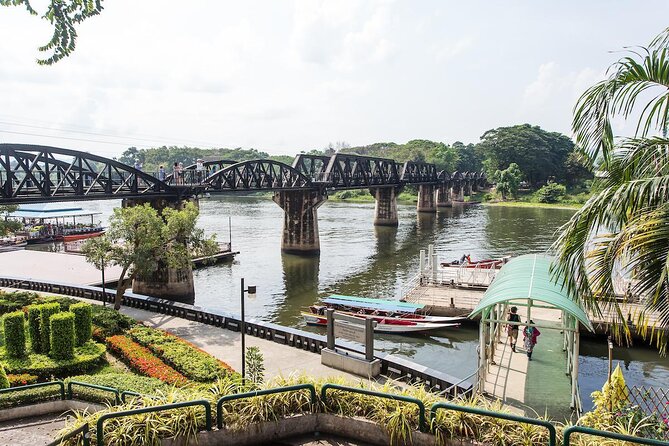
Erawan Waterfalls and Bridge Over River Kwai Tour from Bangkok
Read our review →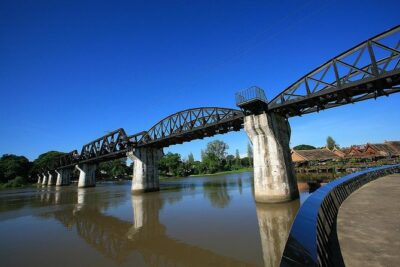
Bridge on the River Kwai and Thailand-Burma Railway Guided Tour
Read our review →
Kanchanaburi Full Day Tour: River Kwai and Erawan Falls
Read our review →
Floating Markets and Bridge on River Kwai Tour from Bangkok
Read our review →
Bridge over River Kwai and Hellfire Pass Tour with Train Ride
Read our review →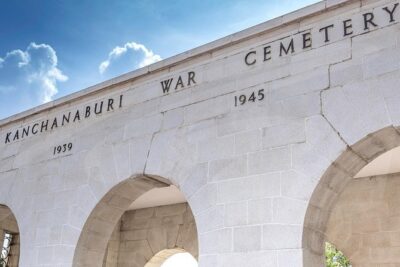
Private Tour: Thai–Burma Death Railway Bridge on the River Kwai from Bangkok
Read our review →Browse the lists this tour appears in