
Reviewed · COOKING CLASSES
Half-Day Cooking Class with Market Tour
Chiang Mai’s best cooking lesson may begin before you touch a knife. You visit a local market, learn what Thai vegetables, herbs, and seasonings look like, then take those ingredients to a family home and turn them into a full meal. The five-hour class costs $36 per person, which is strong value for transport, food, instruction, and a recipe book.
I like the freedom to choose your own dishes, and I like the home setting, where the husband-and-wife team makes the class feel personal rather than factory-made. The main consideration is simple: you cook and eat a large amount of food, so skip breakfast or lunch beforehand.
I also like that the class handles dietary requests well, including vegetarian, pescatarian, gluten-free, and allergy-related adjustments. Pickup is limited to hotels within 3 kilometers of the Old City, and the class can feel food-heavy if you want only a light cooking lesson.
Key points at a glance
- A market visit comes first: Learn about Thai produce and seasonings while seeing local shopping life.
- Choose your own menu: Pick one dish from each category, including stir-fry, soup, appetizer, curry paste, and curry.
- Cook in a real home: The class takes place in a family house, not a large commercial kitchen.
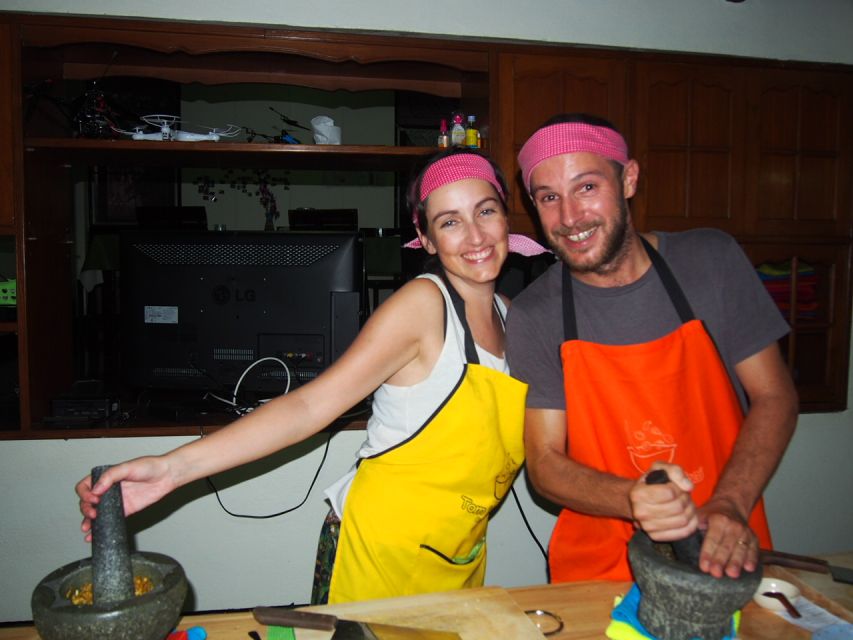
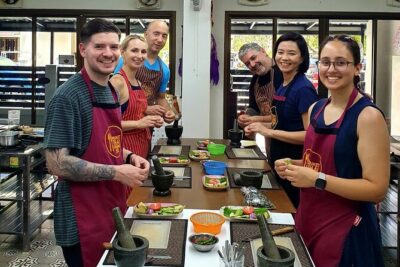
- You get your own cooking station: Each person can prepare dishes with individual equipment and hands-on guidance.
- Expect a very full meal: You make five dishes plus sticky rice with mango, then eat everything as it is prepared.
- Small groups keep it manageable: The class accepts no more than 10 people and includes English instruction.
Why this Chiang Mai cooking class feels personal
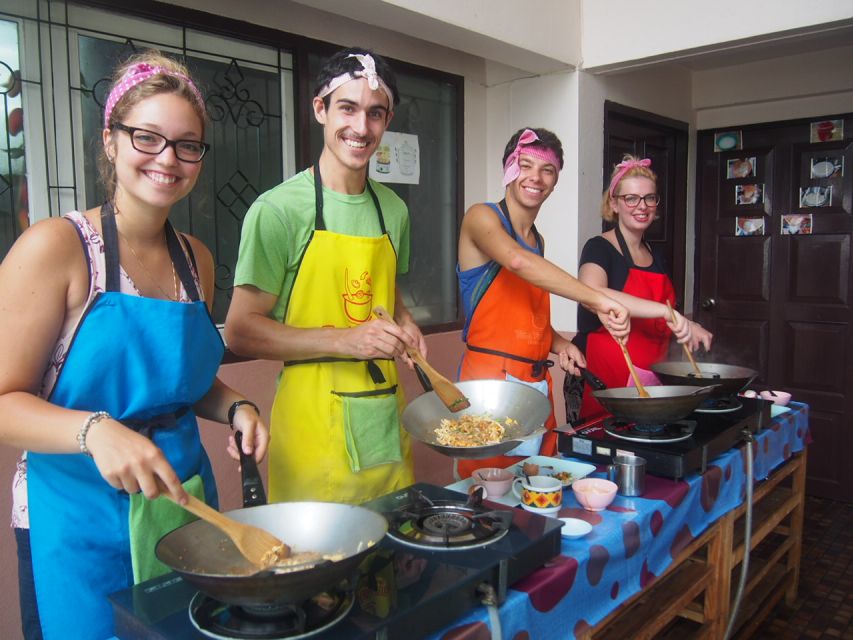
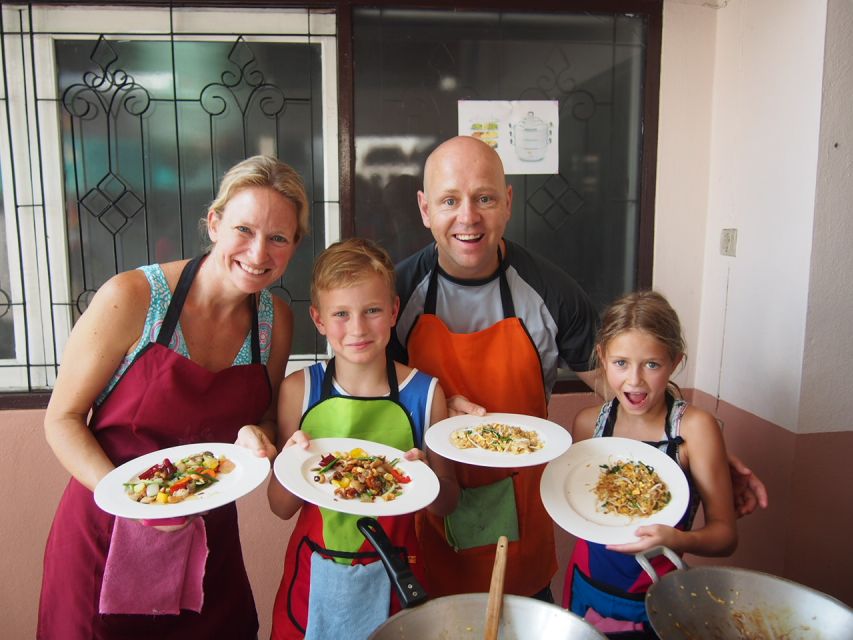
Many cooking classes are built around a demonstration: watch the teacher, stir a pot, and try a bite. This one puts you in the middle of the process. You visit a market, prepare ingredients, cook at your own station, and eat the results course by course.
The home setting matters. You are not simply moving through a tourist kitchen with a large crowd. The class takes place in the instructors’ home, and the warm hospitality is part of the experience. Oun, Mind, Mindy, Gay, and Orn are names that appear in connection with the teaching team, so the exact instructor may vary by date. The common thread is clear English, plenty of help, and a playful teaching style.
The pace is also worth noting. You are not rushed from one recipe to the next. You cook a dish, eat it, and move to the next part of the meal. That makes the class easy to follow, though it also means you should arrive hungry and ready to spend most of the day or evening around food.
More Cooking Classes in Chiang Mai
- Half-Day Thai Cooking Class at Organic Farm in Chiang Mai
★ 5.0 · 19,087 reviews - Chiang Mai: Cooking Class, Market & Thai Herbs Garden Tour
★ 4.9 · 4,824 reviews - Chiang Mai: Authentic Cooking Class with Market & Farm Visit
★ 4.9 · 4,546 reviews
The 8:45 pickup and trip to the market
The morning class begins at 9:00 a.m., with pickup usually between 8:45 and 9:15. The afternoon class begins at 3:30 p.m., with pickup around 3:00 to 3:30. You wait in your hotel lobby or agreed pickup spot about 10 minutes early.
Pickup and return are included for hotels within 3 kilometers of Chiang Mai Old City. This is a useful extra in Chiang Mai’s heat, especially for the morning class. If you are staying farther out, confirm the meeting point before booking because the included transfer area is limited.
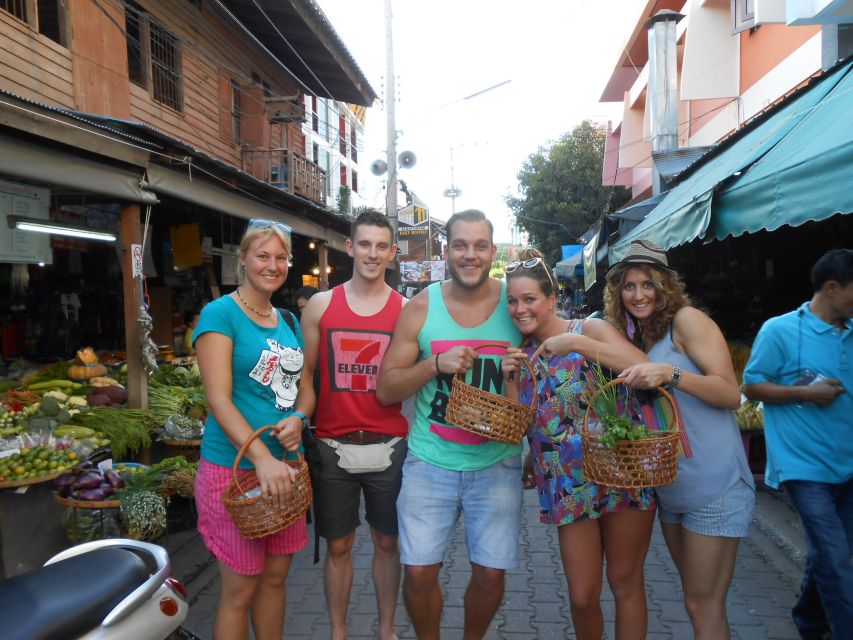
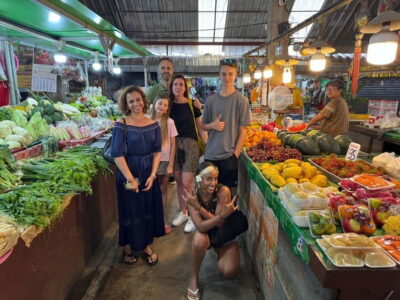
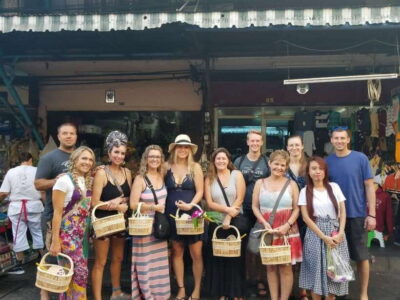
The first stop is a local market. This is not just a quick ingredient collection. You get an introduction to the vegetables, herbs, curry ingredients, and seasonings used in Thai cooking. The market also gives you a look at ordinary shopping life, which adds context you cannot get from a restaurant menu.
You might see ingredients that are familiar but used differently in Thailand, along with produce you would not recognize at first glance. The value here is practical: once you know what galangal, chilies, herbs, or Thai vegetables look like, Thai menus make more sense during the rest of your trip.
The market visit is also a good reason to take this class early in your Chiang Mai stay. It gives you a head start on understanding what you are eating at local restaurants. You may also leave with a better sense of how Thai cooks balance salty, sour, spicy, sweet, and creamy flavors.
Cooking in a Thai home
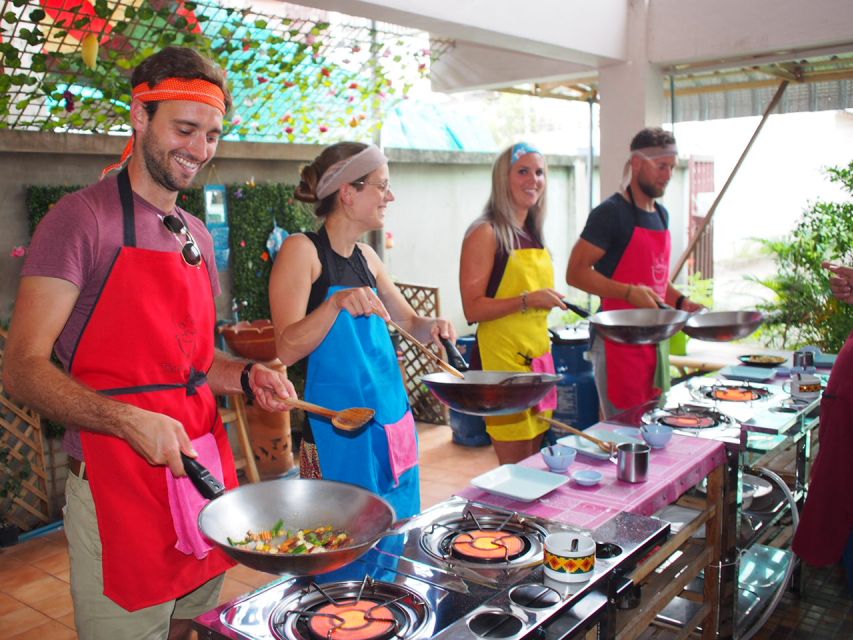
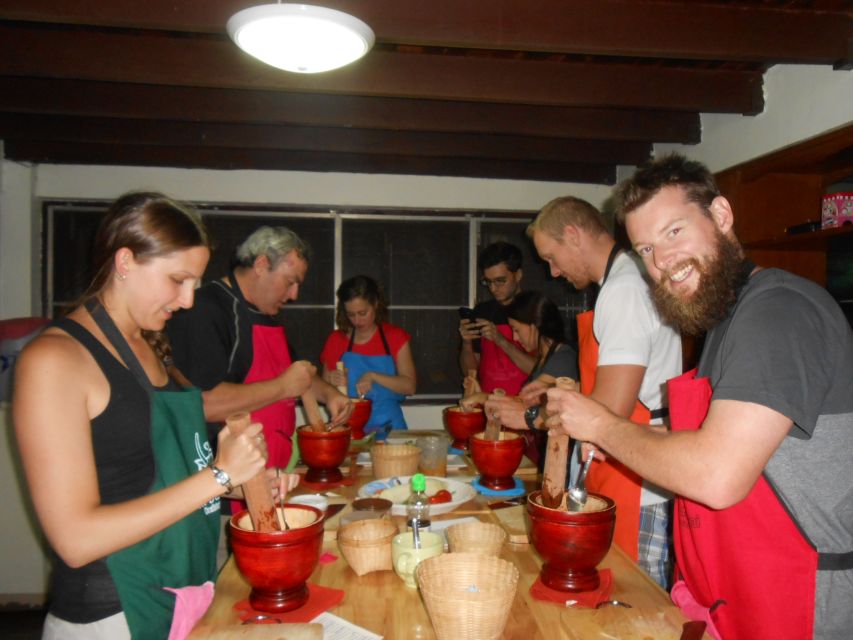
After the market, you go to the cooking school, which is located in a family home. The setup includes separate areas for preparation, cooking, and eating. That arrangement keeps the class organized and gives each part of the meal its own rhythm.
At the cooking station, you prepare ingredients before cooking them. Each person has individual equipment, including a skillet, and the class supplies knives and the ingredients needed for the chosen dishes. You are not simply standing behind a teacher watching a large pot. You take part in the chopping, mixing, frying, and seasoning.
The hosts also serve seasonal fruit and snacks, with drinking water, tea, and coffee available. These small touches help while you wait for the cooking to begin, but remember that the main meal comes later and is substantial.
The instructors are especially important here. Oun is praised for humor, clear explanations, and good English. Mind is also noted for friendly teaching and for managing groups with different language abilities. The class is designed for beginners, so you do not need formal cooking skills. You should still expect to handle a knife and work at your own station.
Five dishes plus mango sticky rice
The menu gives you a useful amount of choice. One person selects one item from each main category, while everyone prepares sticky rice with mango. The available choices are:
- Stir-fried dishes: Pad Thai, cashew nut with chicken, or Pad See Ew
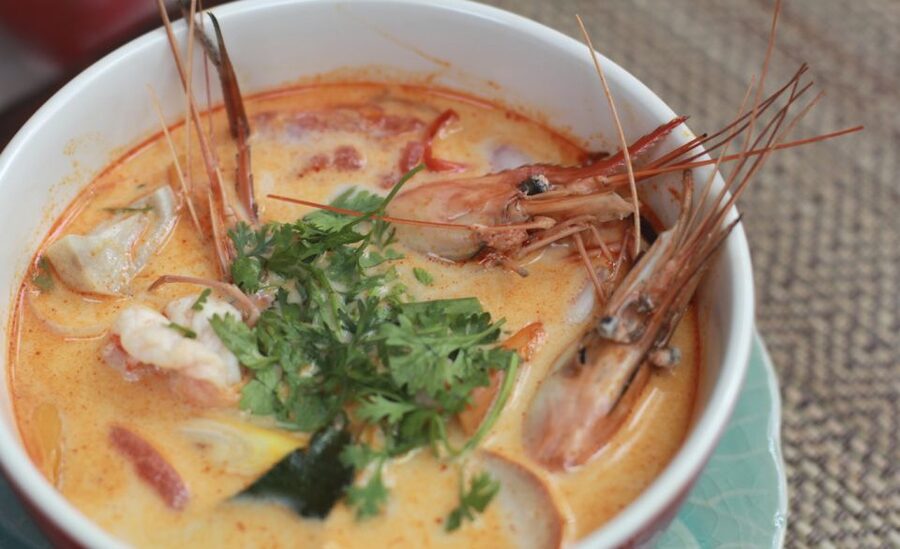
- Soups: hot and sour prawn soup, chicken in coconut milk soup, or Thai noodle soup
- Appetizers: spring roll, papaya salad, or cucumber salad
- Curry pastes: green curry paste, Panang curry paste, or Khao Soi curry paste
- Curries: green curry, Panang curry, or Khao Soi curry
- Dessert: sticky rice with mango
The choice system is one of the strongest parts of the class. If you are traveling with a partner, you can choose different dishes and taste a wider range of Thai food. A group of four could cover most of the menu, then share the finished dishes.
The recipes also cover more than one style of Thai cooking. Pad Thai and Pad See Ew introduce stir-frying. Tom Yum brings sour, spicy broth. Coconut milk soup shows a softer, creamier side of Thai food. The curry paste section gets you closer to the base of the dish rather than only showing you how to open a prepared packet.
Khao Soi is a particularly useful choice in Chiang Mai. It is one of northern Thailand’s best-known dishes, and making the curry paste gives you a closer look at what creates its flavor. The class is not limited to northern food, though. You can also choose popular central Thai dishes such as Pad Thai, green curry, and Panang curry.
The dessert is not optional. Everyone makes sticky rice with mango, a fitting finish after the spicy and savory dishes. The menu can add up to a large meal, so I would not plan a major restaurant booking immediately afterward.
Same base, a completely different sort of day out:
- Chiang Mai: Elephant Sanctuary, Waterfall & Bamboo Rafting
★ 4.9 · 9,160 reviews - Chiang Mai: Elephant Sanctuary & Waterfall Group Tour
★ 4.9 · 5,780 reviews - Chiang Mai: Elephant Sanctuary Feeding Program Half-Day Tour
★ 4.8 · 4,527 reviews - Thai and Akha Cooking Class in Chiang Mai
★ 5.0 · 4,358 reviews
What the market adds to the recipes
A recipe book is useful after the class, but the market visit makes the recipes easier to remember. You see the raw ingredients before they are chopped, mixed, or cooked. That helps connect the dish on your plate with the produce sold in everyday Thai markets.
The class also lets you ask about ingredients as you go. If you have wondered how Thai cooks distinguish between similar herbs or which curry base belongs in a specific dish, this is the moment to ask. The lesson is not only about following measurements. It is about recognizing the building blocks of Thai food.
The market portion is not a long sightseeing tour, and you should not expect a major market attraction with a long guided walk. Its purpose is focused: show you ingredients, explain their use, and pick up food for the class. For someone interested in cooking, that is more useful than a broad market tour with no connection to a meal.
Dietary requests and food allergies
The school asks you to share allergies and special requests in advance. This is important because the class uses seafood, chicken, soy-based sauces, curry ingredients, and other common Thai food components.
The cooking team has made adjustments for vegetarian, pescatarian, and gluten-free diets, and one participant specifically received help with an allergy. That is encouraging, but you should still provide clear details before the class rather than waiting until you arrive.
Choice is another advantage. You can select dishes that suit your eating style, and the instructors can make adjustments where possible. Still, do not assume every recipe can be changed without affecting the dish. Give the school enough notice so the ingredients can be planned properly.
How much food will you actually eat?
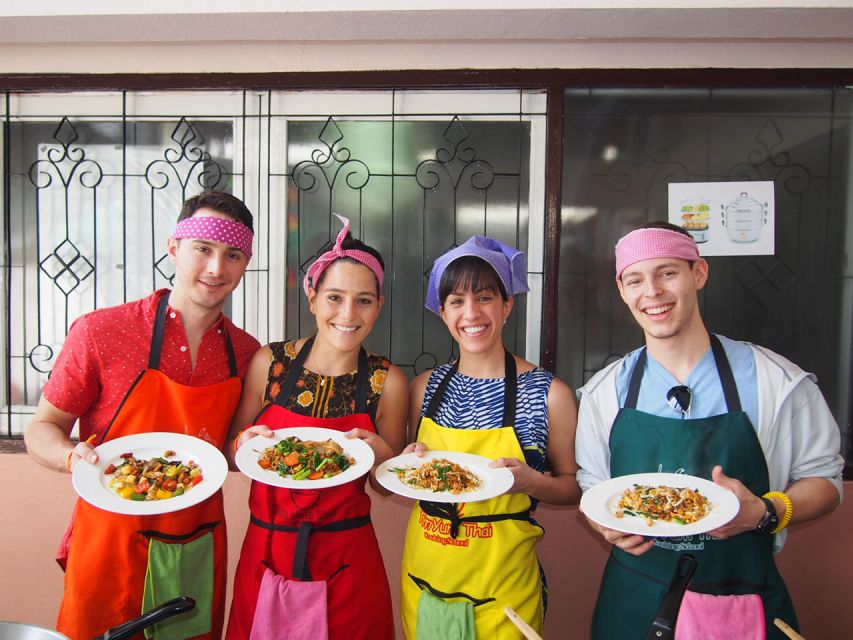
A lot. You prepare five dishes, one from each main category, and everyone makes mango sticky rice. Depending on your selections, that could mean a stir-fry, soup, appetizer, curry paste, curry, and dessert in one sitting.
The food arrives in stages, so the meal does not appear all at once. You cook a dish, eat it, then continue. This makes the experience more comfortable than facing six full plates at the end, but you will still get very full.
Several useful tips come from the class format. Do not eat a large meal beforehand. If you are taking the morning class, a light breakfast is enough. For the afternoon class, keep lunch modest. You may also want to avoid scheduling another food-focused activity that evening.
The generous portions are good value, particularly at $36. You are not paying only for a demonstration or a small tasting. You receive transport within the pickup zone, market access, ingredients, instruction, the full meal, drinks, and recipes to take home.
Group size, teaching, and the pace of the day
The maximum group size is 10 people. That is small enough for the teacher to move around and help with cutting, seasoning, and cooking. Your experience may vary slightly depending on the final group, but the class is built for hands-on work rather than passive watching.
The instructors use humor, which helps when you are working with unfamiliar ingredients or trying to judge spice levels. English is the teaching language. Clear instruction matters here because the class moves between several dishes, and you need to understand the order of preparation.
This is a practical class for beginners. You do not need to know how to make curry paste or control a Thai wok before arriving. You should be comfortable following directions and doing basic kitchen tasks.
The class also works well for families. Children or less experienced cooks can take part with help, though the supplied information does not specify a minimum age. If you are booking for a family, ask about age suitability before confirming.
Morning or afternoon class?
The morning session runs from 9:00 a.m. to 1:30 p.m. It fits neatly into the first half of the day and leaves your evening open. Choose it if you want to eat your main meal early or plan to explore Chiang Mai afterward.
The afternoon session runs from 3:30 p.m. to 8:30 p.m. This gives the class a dinner-like shape. It can work well after a morning of sightseeing, but you should keep lunch light because the meal is filling.
Neither time is automatically better. The morning class may be easier if you want to use what you learn for lunch and still have the afternoon free. The evening class may suit you if you prefer a slower start and want your cooking lesson to serve as dinner.
Is $36 good value?
At $36 per person, this is a strong package for Chiang Mai. The price includes hotel pickup and drop-off within 3 kilometers of the Old City, the local market visit, ingredients, cooking instruction, drinking water, tea, coffee, a full meal, and a recipe book.
The most valuable part is the hands-on format. A cheaper market tour may not include instruction, while a restaurant meal will not teach you how the dish was made. Here you get food, transport, a cultural look at shopping, and skills you can use at home.
The value is best if you plan to cook Thai food later. If you only want a quick tasting or a short demonstration, five hours may feel too long. You are paying for a full activity, not a brief class.
The perfect rating and 163 ratings point to very consistent satisfaction, with praise focused on hospitality, food quality, organization, and the instructors’ humor. The practical caution is not about quality. It is about the amount of food, the five-hour commitment, and the limited pickup area.
Who should book this class?
I would choose this for first-time visitors who want to understand Thai food beyond ordering familiar dishes. It is also a good fit for home cooks, couples, families, and anyone who enjoys learning by doing.
It suits you especially well if you want:
- A small-group class with personal help
- A local market visit tied directly to the recipes
- Northern Thai options such as Khao Soi
- Choice between meat, seafood, and vegetarian-friendly dishes
- A relaxed home setting
- Recipes to use after returning home
You may want a different activity if you dislike spicy food, do not want a large meal, or prefer a short cooking demonstration. The class can adjust some dishes, but Thai cooking often includes strong flavors, and the day is built around eating what you prepare.
Should you book the Tom Yum Thai Cooking School?
Yes, if you want a full cooking experience rather than a quick tourist lesson. The market visit gives the class local context, the home kitchen keeps it personal, and the menu lets you choose dishes that match your interests.
Book it early in your Chiang Mai stay if you want the market knowledge to help with later meals. Tell the school about allergies or dietary needs in advance, choose the morning or afternoon session around your appetite, and arrive hungry.
At $36, the class offers a lot: transport, ingredients, instruction, six food components, drinks, and recipes. The only real warning is that you may leave too full to think about dinner.
FAQ
How long does the cooking class last?
The experience lasts five hours. The morning class runs from 9:00 a.m. to 1:30 p.m., while the afternoon class runs from 3:30 p.m. to 8:30 p.m.
Is hotel pickup included?
Yes. Pickup and drop-off are included for hotels within 3 kilometers of Chiang Mai Old City.
What time is pickup?
Morning pickup is usually between 8:45 and 9:15 a.m. Afternoon pickup is usually between 3:00 and 3:30 p.m. You should wait in the hotel lobby or pickup area 10 minutes before the scheduled time.
How many people are in the group?
The class is a small-group experience with a maximum of 10 participants.
What language is the class taught in?
The live instruction is in English.
Can I choose which Thai dishes to cook?
Yes. You choose one dish from each category, including stir-fry, soup, appetizer, curry paste, and curry. Everyone also makes sticky rice with mango.
Can the class accommodate allergies or special diets?
You should tell the school about food allergies and special requests in advance. Adjustments have been made for vegetarian, pescatarian, gluten-free, and other dietary needs.
Is food and drink included?
Yes. The class includes the dishes you cook and eat, seasonal fruit and snacks, drinking water, tea, and coffee.
Can I cancel and receive a refund?
You can cancel up to 24 hours before the activity for a full refund. You can also reserve now and pay later.
More Markets in Chiang Mai
- Chiang Mai: Cooking Class with Market and Pickup
★ 4.9 · 1,365 reviews - Chiang Mai: Evening Cooking Class and Local Market Visit
★ 4.9 · 648 reviews - Chiang Mai: Evening Local Street Food Market Tour
★ 4.8 · 604 reviews - Chiang Mai: Kalare Night Bazaar Boxing Stadium Muay Thai
★ 4.7 · 507 reviews
Just added around Chiang Mai
- Chiang Mai Best City Tour with Doi Suthep & Iconic Temples★ 4.5 · 24 reviews
- Chiang Mai Michelin Food Walking Tour with Professional Tour Guide★ 4.5 · 13 reviews
- Private Chiang Mai Temple Tour with Doi Suthep and Wat Umong★ 5.0 · 52 reviews
- Secret Waterfall and Bamboo Rafting from Chiang Mai★ 5.0 · 30 reviews
- Bua Tong Waterfall Adventure& Huge Cave included Thai Buffet Tour★ 4.5 · 28 reviews
- Chiang Mai Scavenger Hunt and Sights Self-Guided Tour★ 5.0 · 8 reviews
- Chiang Mai Sak Yant Tattoo By Ajarn Tu★ 5.0 · 25 reviews
- Chiang Mai Airport Transfer by Private Van – Arrival or Departure★ 4.5 · 11 reviews
Cooking Classes, compared.
Half-Day Thai Cooking Class at Organic Farm in Chiang Mai
Read our review →
Cooking Class, Market & Thai Herbs Garden Tour
Read our review →
Authentic Cooking Class with Market & Farm Visit
Read our review →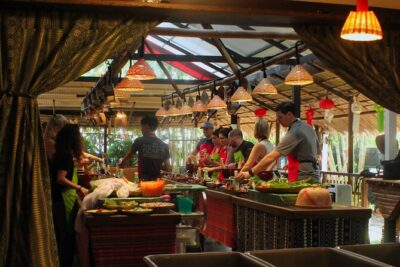
Phuket Thai Cooking Class with Market Tour Option
Read our review →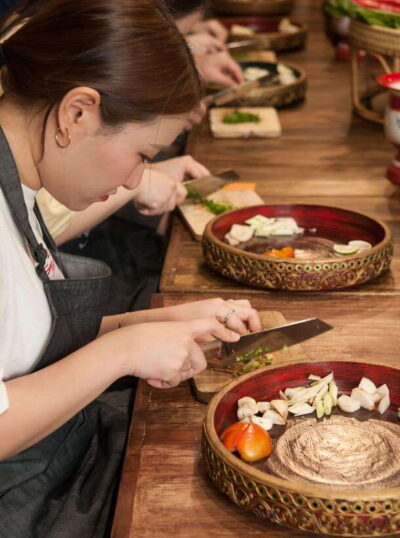
Tingly Thai Cooking School Half-Day Cooking Class
Read our review →Browse the lists this tour appears in