
Reviewed · CYCLING TOURS
Colors of Chiang Mai Guided Bicycle Tour
The best part of this Chiang Mai bicycle tour is how quickly it leaves city traffic behind. You pedal through quiet green lanes, local neighborhoods, rice fields, and fruit orchards, then follow the Ping River toward Wiang Kum Kam, the former Lanna capital. Along the way, your guide may stop at a temple, a market, a pottery or craft workshop, and a roadside restaurant serving Khao Soi Kai.
I like the easy pace and careful road guidance, especially if you enjoy cycling but feel uneasy around traffic. I also like the human scale of the day: you see women making Thai products, visit ordinary communities, and hear about Buddhism from guides such as Wit, Wee, Dong, and Koi. The main consideration is distance. At 20 to 25 kilometers, this is manageable for many people, but it is still a proper morning ride, and the route can change when markets, schools, orchards, or rice fields are not active.
Key points to know before you book
- A 20 to 25 kilometer ride: Most of the route follows quiet roads at an easy pace, with occasional busier crossings.
- A local view of Chiang Mai: The route includes villages, rice fields, orchards, the Ping River, and everyday neighborhoods outside the old center.
- Temple insight from former monks: Guides including Wit and Wee have shared personal experience of Buddhist life, adding useful context at temple stops.
- Ancient Wiang Kum Kam: Visit ruins and temples from the old Lanna settlement founded in 1286 by King Mengrai.
- Food is part of the experience: A Thai meal or snack, often Khao Soi Kai, plus water or soft drinks are included.
- Good value at $38: The price covers the bicycle, helmet, guide, food, drinks, and insurance, though personal spending is extra.
Why this ride shows you a different Chiang Mai
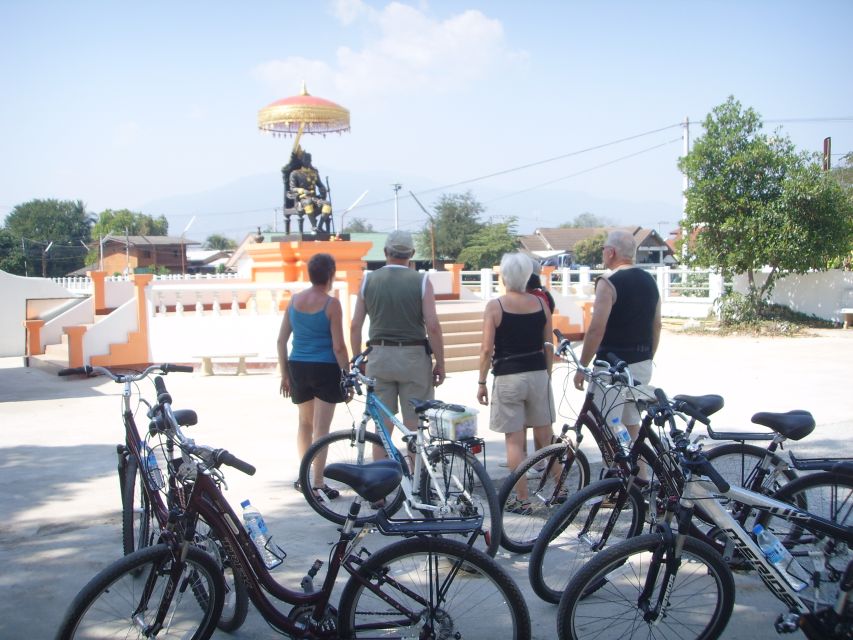
Chiang Mai is easy to picture as a city of old walls, night markets, coffee shops, and famous temples. This tour gives you a different frame. You spend much of the half-day in the countryside around the city, where narrow roads pass homes, trees, fields, workshops, and small communities.
That change matters. On foot, these outlying areas are spread too far apart to connect comfortably in one morning. By bicycle, you can link the river, farms, villages, local food, and old ruins without spending the day in a vehicle.
The ride lasts 270 minutes, or four and a half hours. The actual cycling covers about 20 to 25 kilometers, but the pace includes stops for explanations, photographs, food, drinks, and rest. You are not signing up for a race. The route is designed for sightseeing, and guides use hand signals and help manage crossings.
The ride is not entirely traffic-free. You will cross or briefly use busier roads, and that is the point at which your guide matters most. The available comments repeatedly praise the careful pacing and safe handling of crossings. If you are nervous on a bicycle, tell the guide at the start. The route is generally gentle, but confidence around traffic still matters.
More Cycling Tours in Chiang Mai
- Chiang Mai: Historic Old City Bike Tour – Morning or Night
★ 4.7 · 263 reviews - Chiang mai Hike & Downhill Bike Adventure –Suthep National Park
★ 4.5 · 204 reviews - Chiang Mai: Historic Old City Bike Tour – Morning or Night
★ 5.0 · 202 reviews
Quiet lanes, rice fields, and village life
The early part of the ride takes you onto green land roads and leafy suburban lanes. These are the roads that let you see Chiang Mai at a slower speed. Instead of looking through a vehicle window, you have time to notice gardens, houses, trees, small shops, and people going about their daily work.
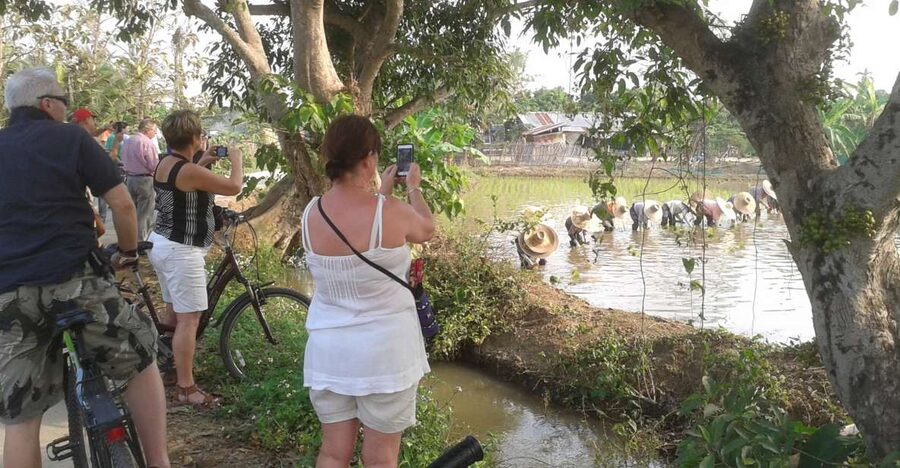
The route passes through local communities, with occasional stops connected to Thai traditions. One highlight is seeing women from a local village making traditional products. Other possible stops have included a pottery-making place, a coffee-roasting workshop, and a public school. The exact visits can change, but the basic idea remains the same: this is a look at working communities, not a parade of major monuments.
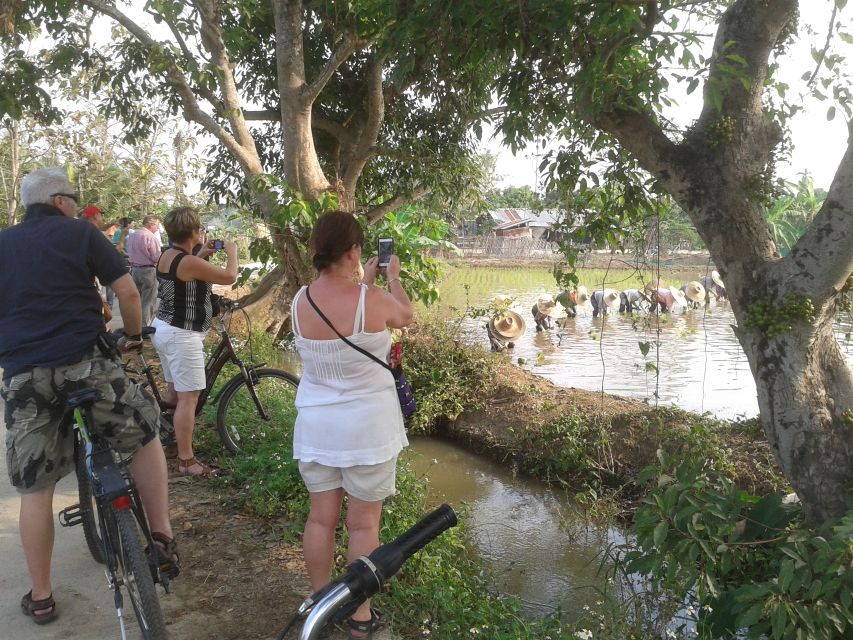
Rice fields and fruit orchards add a rural stretch to the ride. These views are seasonal, so do not book this tour expecting the same scenery at every time of year. The operator can change the route when fields and orchards are not in season, and local shops or schools may close on weekends, school holidays, or national holidays.
That flexibility is practical, but it means the tour is not a fixed checklist. If you want one very specific workshop or market, ask what is operating on your date. The experience works best when you treat the route as a guided look at the area rather than a guarantee of every possible stop.
Temple visits with useful Buddhist context
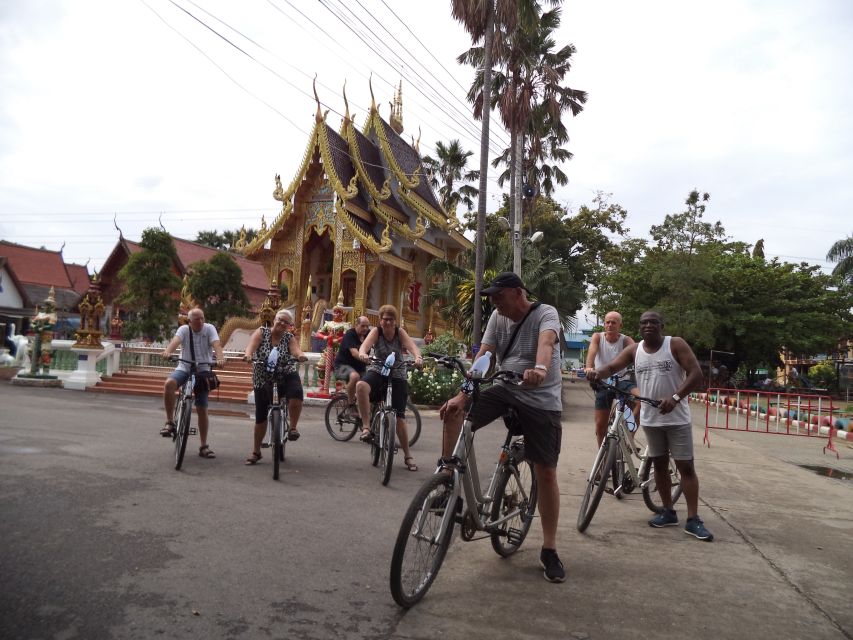
A local temple is part of the route, and your guide explains the building and Buddhist customs. This is more useful than simply stopping to take a photograph. A temple can be confusing if you do not know what you are looking at, and a good explanation helps you notice the layout, religious details, and local practice.
Guide Wit previously spent six years as a monk, and he has shared personal experience when explaining Buddhism and temple traditions. Guide Wee has also been praised for combining local information with a calm, caring approach. Guide names can vary by departure, but the tour is offered in English or Thai.
The temple visit also gives your legs a break. You can get off the bicycle, drink some water, listen to the guide, and ask questions. Dress and behavior should be respectful at any Thai temple, even when the stop is brief. The supplied information does not give a detailed dress code, so it is sensible to wear clothing suitable for a religious site.
A market stop, fresh food, and Khao Soi Kai
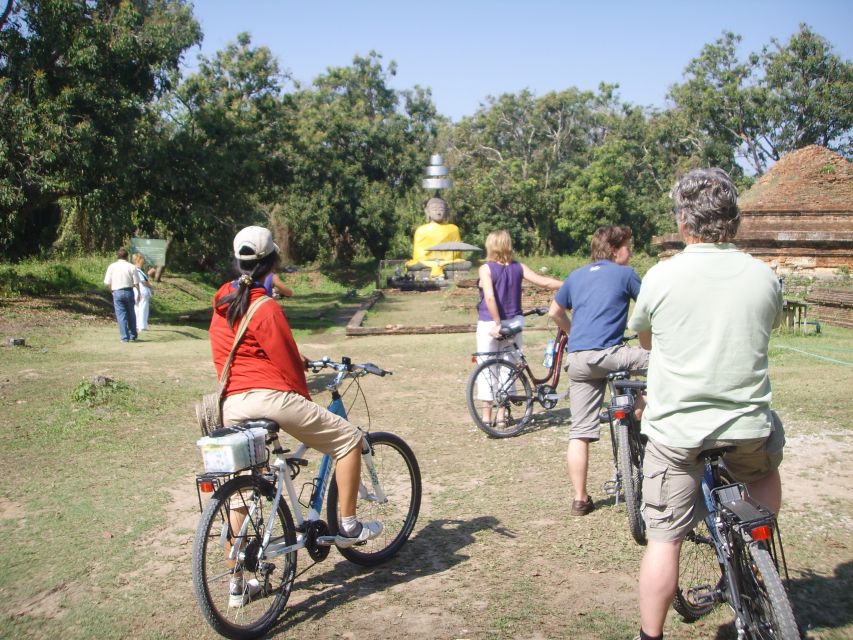
Food is not an afterthought on this ride. The tour includes a Thai meal or snack, water or soft drinks, and stops to rest. A local market may provide fresh fruit or a small snack, depending on the day. One important detail is that the market does not operate daily. A Saturday departure may offer a livelier market stop, while another day may use a different food stop.
The meal may be Khao Soi Kai, Chiang Mai’s famous curry noodle dish with chicken. It is a fitting choice for this tour because it connects you with northern Thai food rather than a generic restaurant meal. Several departures have included a fresh roadside meal, and the food has been a strong part of the morning.
You should still bring some personal spending money. The included food and drinks cover the planned refreshment stops, but personal expenses are not included. If you want extra snacks, drinks, or purchases at a market or workshop, you will pay separately.
The food stop also sets the pace. You are not pedaling continuously for four and a half hours. The breaks make the distance feel less demanding and give you time to ask the guide about local dishes, customs, and places to eat elsewhere in Thailand.
Same base, a completely different sort of day out:
- Half-Day Thai Cooking Class at Organic Farm in Chiang Mai
★ 5.0 · 19,087 reviews - Chiang Mai: Elephant Sanctuary, Waterfall & Bamboo Rafting
★ 4.9 · 9,160 reviews - Chiang Mai: Elephant Sanctuary & Waterfall Group Tour
★ 4.9 · 5,780 reviews - Chiang Mai: Cooking Class, Market & Thai Herbs Garden Tour
★ 4.9 · 4,824 reviews
Following the Ping River
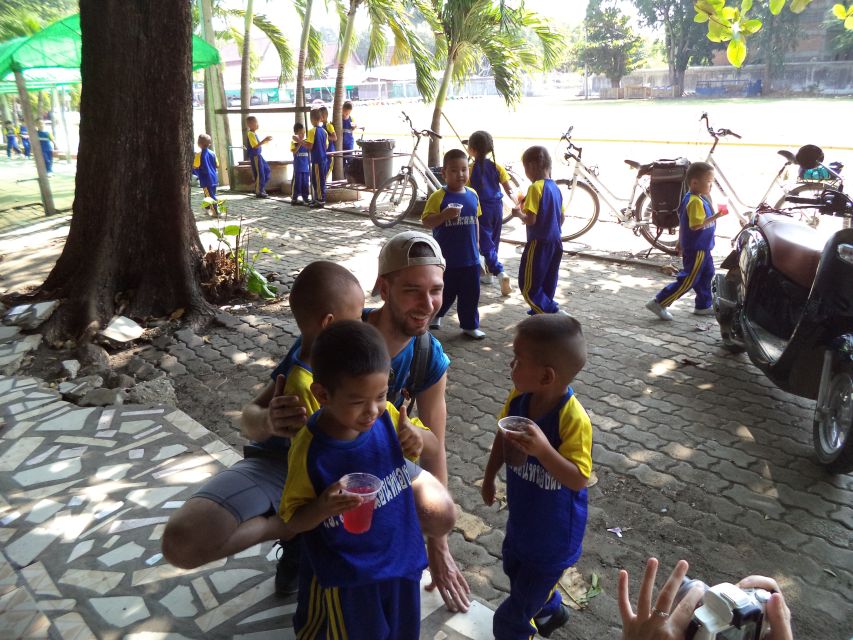
The ride along the Ping River is one of the most pleasant sections. The river helps connect the city with the surrounding communities, and the route gives you a chance to watch local life away from the main tourist streets.
Cycling beside the river is not the same as visiting a viewpoint. You move through the area slowly, with changing views and small details at eye level. The river section also provides a natural transition between the countryside and the old settlement of Wiang Kum Kam.
Do not expect a long, uninterrupted riverside path for the whole tour. The route combines river roads with local streets, lanes, and crossings. Its appeal is the mix rather than one single dramatic sight.
Ancient Wiang Kum Kam and the 700-year-old Chedi
The final major section reaches Wiang Kum Kam, a historic settlement founded in 1286 by King Mengrai. It served as the capital of the Lanna Empire for only about ten years before the capital moved elsewhere. Today, the area contains temple ruins and old structures dating back hundreds of years.
This is where the bicycle tour earns its cultural weight. You approach the ruins through the surrounding communities rather than arriving by coach, seeing the old settlement as part of the area around it. You can stop to photograph the remains and hear how the site fits into northern Thailand’s past.
The tour highlights a 700-year-old Chedi. A chedi is a Buddhist monument often used to hold sacred relics, and its form is one of the most recognizable features of Thai temple architecture. The stop is not a full archaeological expedition, but it gives you a clear connection to the age of Chiang Mai and the Lanna kingdom.
The ruins are also a good reason to choose this tour over a simple countryside bike ride. You get fields and villages, but you also get a major historical chapter in the same half-day. After the visit, you cycle back to the starting point.
The guides make the difference
The route is pleasant, but the guide determines how much you get from it. Names associated with this experience include Wit, Wee, Dong, Wichan, and Koi. The strongest pattern is not a single scripted personality. It is careful riding, local explanations, patience, and help with practical details.
Wit has led groups through temples, countryside roads, markets, and food stops. His former monastic experience gives him a useful way to explain Buddhist customs, and he has also offered suggestions about food and places to visit elsewhere in Thailand.
Wee has been praised for taking care of groups, setting a safe pace, and answering questions. Dong has guided rides through leafy suburban roads and helped guests see a quieter side of the city. Koi has also led a safe and enjoyable outing.
The tour offers private or small-group arrangements. That matters because a smaller group makes it easier to ask questions and adjust the pace. Solo participants are welcome, but the operator requires at least two participants for the tour to run. If the minimum is not reached, the time, date, or tour may be changed, or the booking may be canceled.
How difficult is 20 to 25 kilometers?
You do not need to be a serious cyclist, but you should be comfortable riding for several hours with breaks. The route is generally described as easy, and most of it follows quiet roads. Guides keep the pace relaxed and use clear hand signals at crossings.
The distance can pass quickly because the ride is broken up by temple visits, food, drinks, photographs, and conversations. Still, 20 to 25 kilometers is more than a short city spin. If you rarely cycle, consider how comfortable you are with that distance before booking.
The main challenge is not described as steep climbing. It is the length of the outing and the occasional traffic. The guide helps make crossings less stressful, but you remain responsible for handling your bicycle safely.
Wear comfortable clothing and shoes suited to cycling. Bring sun protection and any personal items you need during a half-day outdoors. A bicycle, helmet, insurance, and refreshments are included.
Is $38 a fair price?
At $38 per person, this tour offers solid value if you want several experiences joined into one morning. The fee includes a bicycle and helmet, an English or Thai-speaking guide, food or snacks, water or soft drinks, and insurance. You are also paying for route planning and local interpretation, not just bicycle rental.
A self-guided ride might cost less in direct terms, but it would not provide the same access to temple explanations, local workshops, food stops, and Wiang Kum Kam in one organized route. You would also need to manage navigation, traffic crossings, and the return journey yourself.
One practical detail came up after a ride when the group needed help getting back toward the city. The guide arranged transport, with the reported cost at 50 baht per person. That was a useful touch, but do not assume return transport is included in the $38. The stated inclusions cover the bicycle tour, food, drinks, and insurance, not personal transportation expenses.
Free cancellation is available up to 24 hours before departure, and you can reserve now while paying later. Starting times depend on availability, so check the date carefully before booking.
Who should book this bicycle tour?
I would choose this tour if you want to see Chiang Mai beyond the old town and prefer ordinary local settings to a packed list of major sights. It suits couples, solo cyclists who are comfortable joining a small group, and families with older children who can manage the distance. Private departures may be useful if you want a more personal pace.
It also suits people who like food and culture to be part of the same outing. You get a temple, a market or snack stop, local production, a river ride, rural views, and ancient ruins without arranging several separate trips.
I would think twice if you dislike cycling, want a fully traffic-free route, or need a rigid itinerary. Seasonal changes and closures can alter the stops, and a minimum of two participants is required. The ride is relaxed, but it is not a short ride around one park.
Should you book it?
Book this tour if your ideal Chiang Mai morning includes quiet roads, local food, temple stories, and old ruins rather than only city-center attractions. The price is reasonable for the equipment, guide, refreshments, and four-and-a-half-hour route.
Before paying, make sure you are happy with the 20 to 25 kilometer distance and the possibility of occasional traffic crossings. If you are, this is a thoughtful way to see the city’s outer communities and Wiang Kum Kam at a human pace. If your date falls during a weekend or holiday, ask which market, school, workshop, or food stops are expected to be open.
FAQ
How long is the Colors of Chiang Mai bicycle tour?
The tour lasts 270 minutes, or four and a half hours.
How far will I cycle?
The route covers approximately 20 to 25 kilometers.
What places does the tour visit?
The route includes quiet rural roads, local communities, rice fields, fruit orchards, the Ping River, temples, and the historic settlement of Wiang Kum Kam. It also includes ancient ruins and a 700-year-old Chedi.
Is food included?
Yes. A Thai meal or snack is included. The tour may include Khao Soi Kai at a local restaurant, along with water or soft drinks during the excursion.
Are bicycles and helmets provided?
Yes. The bicycle and bicycle helmet are included in the tour price.
What languages are available?
The tour is offered with a live guide in English or Thai.
Can I join as a solo participant?
Solo participants are welcome, but the tour requires a minimum of two participants to operate. If that minimum is not reached, the operator may offer another date, time, or tour, or cancel the reservation.
Can I cancel the booking?
You can cancel up to 24 hours before the tour for a full refund. The reserve-now-and-pay-later option is also available.
Just added around Chiang Mai
- Chiang Mai Best City Tour with Doi Suthep & Iconic Temples★ 4.5 · 24 reviews
- Chiang Mai Michelin Food Walking Tour with Professional Tour Guide★ 4.5 · 13 reviews
- Private Chiang Mai Temple Tour with Doi Suthep and Wat Umong★ 5.0 · 52 reviews
- Secret Waterfall and Bamboo Rafting from Chiang Mai★ 5.0 · 30 reviews
- Bua Tong Waterfall Adventure& Huge Cave included Thai Buffet Tour★ 4.5 · 28 reviews
- Chiang Mai Sak Yant Tattoo By Ajarn Tu★ 5.0 · 25 reviews
- Chiang Mai Airport Transfer by Private Van – Arrival or Departure★ 4.5 · 11 reviews
- Chiang Mai Scavenger Hunt and Sights Self-Guided Tour★ 5.0 · 8 reviews
Cycling Tours, compared.
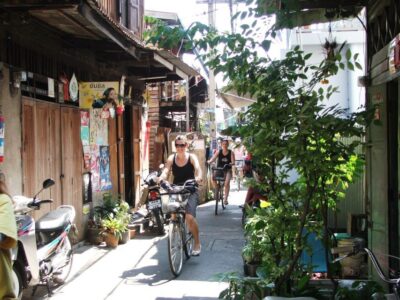
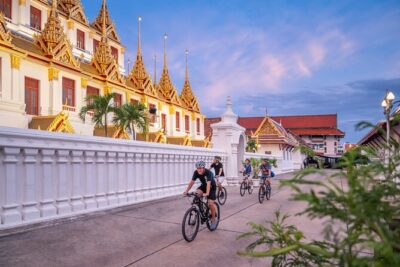
Night Bike Tour with Temples & Flower Market Visit
Read our review →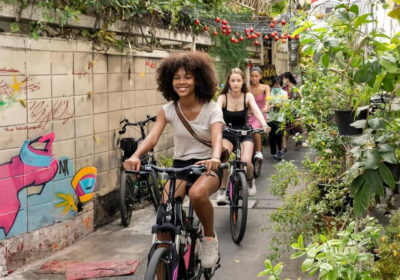
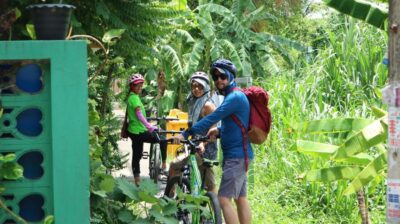
Bangkok Jungle Bike Tour – Hotel-pickup & Lunch
Read our review →
Browse the lists this tour appears in