
Reviewed · COOKING CLASSES
Chiang Mai : Traditional Northern Cooking Class
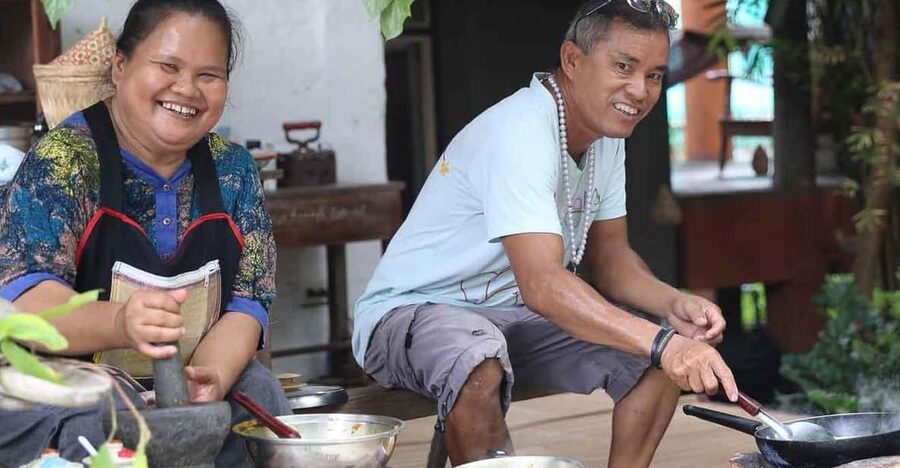
Northern Thai food makes a strong first impression here, especially when you cook it over charcoal fire and work with real herbs instead of simply watching a chef. The three-hour class covers sticky rice, pork curry, chicken Khao Soi, pork chili sauce, and eggs cooked on banana leaves.
I like the small group of 10 or fewer, which gives you room to ask questions, and I like the plain, family-run setting described by the class. The main consideration is that this is not a polished restaurant show. If you want air-conditioned comfort or a fancy demonstration kitchen, this down-to-earth class may feel basic.
Key points at a glance
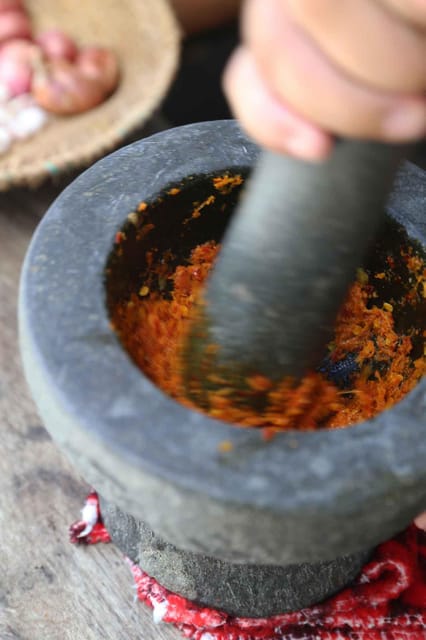
- Northern dishes, not generic Thai food: Prepare Khao Soi, pork curry, chili sauce, sticky rice, and banana-leaf grilled eggs.
- Charcoal cooking: The class includes traditional cooking over a charcoal fire, a detail that gives the food a more grounded sense of place.
- Small group format: A maximum of 10 participants leaves more space for questions and hands-on work.
- Family-style atmosphere: The experience is run by family members, with a friendly and informal tone rather than a glossy culinary production.
- Three hours of cooking: The session is long enough to cover several techniques without taking up your whole day.
- Flexible booking: You can cancel up to 24 hours ahead for a full refund, or reserve now and pay later.
Why this class feels different from a standard Thai cooking lesson
Many cooking classes in Thailand focus on familiar dishes designed for international visitors. This one points you toward the food of Northern Thailand, a region with its own cooking habits, textures, and flavor combinations.
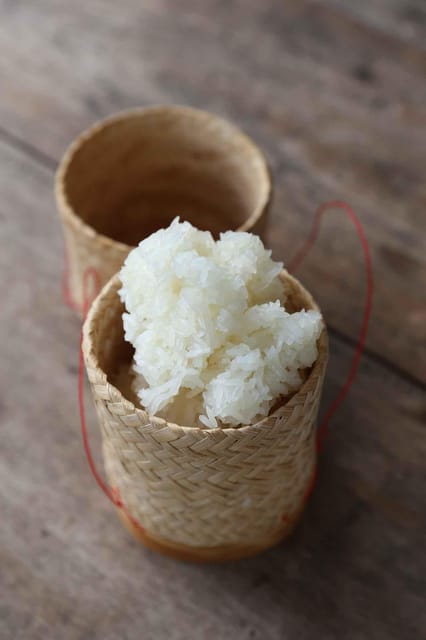
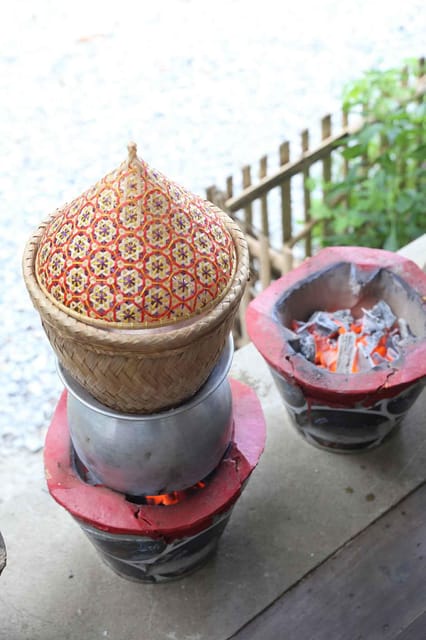
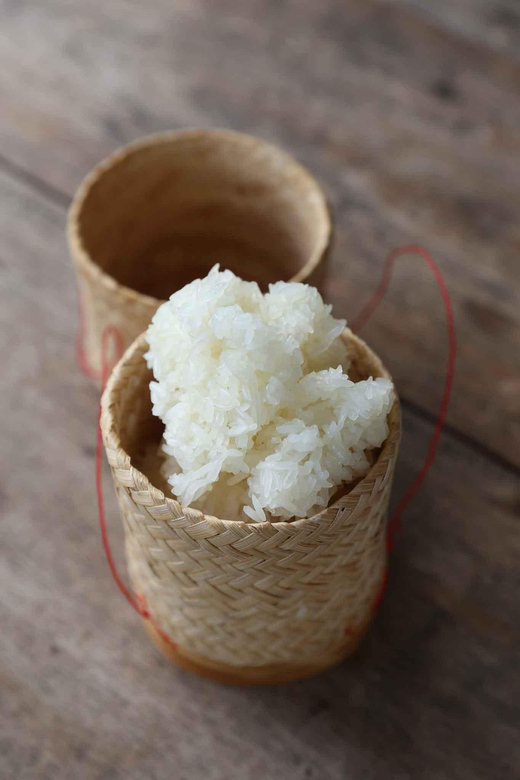
The menu gives you a useful introduction. Sticky rice is a daily staple in the North, while Khao Soi is the dish most people associate with Chiang Mai. You also prepare Northern curry with pork, chili sauce with pork, and eggs grilled on banana leaves. That is a good spread for a three-hour session because it includes steamed food, curry, noodles, sauce, and food cooked over heat.
I especially like that the class is not limited to mixing ingredients in bowls. You learn about texture and cooking method, two parts of Thai food that are easy to miss when you only eat in restaurants. Sticky rice needs the right preparation to reach its familiar soft but pleasantly chewy texture. Khao Soi depends on the balance between noodles, broth, spices, and toppings. The banana-leaf egg offers a different lesson, using a natural wrapper and direct heat.
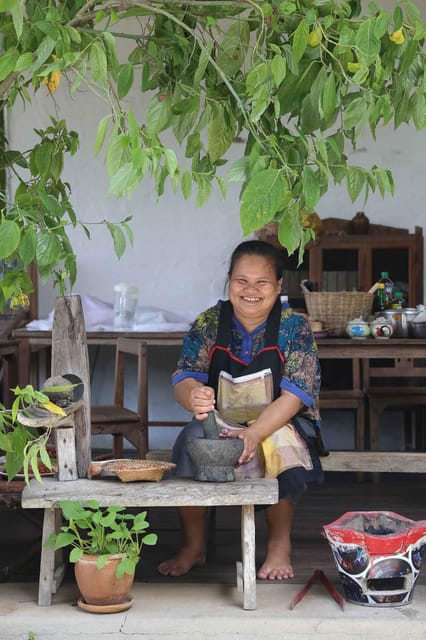
The setting matters too. One participant described cooking on a porch over charcoal, with family members leading the session. That gives the class a more personal feel than a large school with several dozen people moving through stations. It also means the atmosphere may be simple rather than slick. For many people, that is the point.
More Cooking Classes in Chiang Mai
- Half-Day Thai Cooking Class at Organic Farm in Chiang Mai
★ 5.0 · 19,087 reviews - Chiang Mai: Cooking Class, Market & Thai Herbs Garden Tour
★ 4.9 · 4,824 reviews - Chiang Mai: Authentic Cooking Class with Market & Farm Visit
★ 4.9 · 4,546 reviews
The three-hour flow: from sticky rice to Northern curry
The class begins with the foundations of Northern cooking. Sticky rice is more than a side dish here, and learning to prepare it helps you understand how Northern meals are built.
You can expect instruction on getting the rice to the right texture and flavor. The information provided does not specify every step or the exact order of the dishes, so the pace may vary by session. Still, the class clearly treats sticky rice as a skill in its own right, not an afterthought served beside the main dishes.
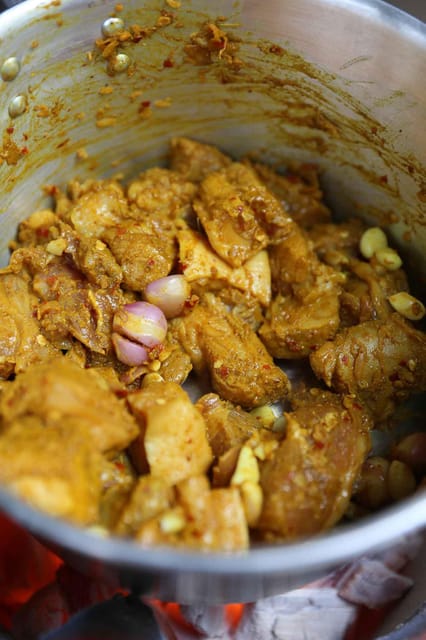
Next comes Northern curry with pork. This is where you work with the spices and aromatic ingredients that give the dish its character. The useful part of a curry lesson is not simply learning a recipe. You also see how several strong flavors need to work together instead of competing with one another.
The pork adds a savory base, while the curry mixture supplies heat and fragrance. I would pay close attention here and ask questions about how the ingredients are balanced. English and Thai are both offered, and the small group should make it easier to ask for clarification if a step moves quickly.
Making Khao Soi, Chiang Mai’s signature noodle soup
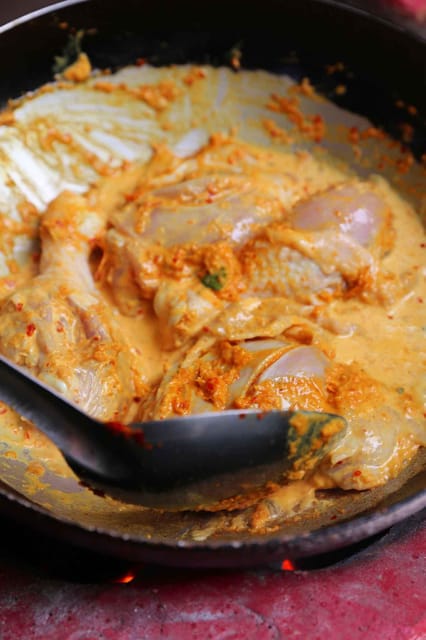
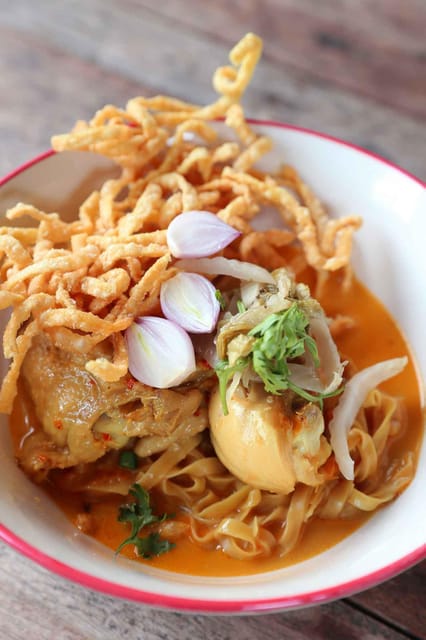
Khao Soi is likely to be the star of the menu. This Northern noodle soup combines silky noodles with a spiced curry broth and contrasting textures. The class prepares it with chicken.
The value of making Khao Soi yourself is that you see how the parts come together. A restaurant bowl arrives finished. In class, you get a clearer sense of how the noodles, broth, spices, and other textures create the final dish.
The description calls Khao Soi a traditional soup noodle, and the menu specifies chicken Khao Soi. It does not list every topping or garnish, so you should not book expecting a particular set of extras. What you can count on is a hands-on lesson focused on the dish itself.
I like this part of the menu because it gives you a recipe with a strong connection to Chiang Mai. After the class, you will have a better idea of what makes Khao Soi different from a standard Thai noodle dish. You may also find that the cooking process helps you notice the balance between smooth noodles and the stronger flavor of the curry base.
Mixing pork chili sauce with the right balance
The homemade chili sauce with pork adds a smaller but important lesson. Northern Thai meals often depend on sauces and relishes to bring heat, salt, and savory flavor to the table. A good chili sauce is not just about making food as hot as possible.
This section should help you understand balance. The important question is how the pork, chili, and other ingredients work together. If you are sensitive to spice, ask the instructor about the heat level before adding anything. The class offers instruction in English or Thai, so you can raise that question during the preparation.
I appreciate this dish as part of the overall menu because it shows how Northern food is often eaten in combination. You are not simply making one large bowl and calling it lunch. You are preparing several items with different roles, from sticky rice to curry to sauce.
The provided information does not say how spicy the sauce will be or whether adjustments are available. That is worth keeping in mind if you have a low tolerance for chili. The class is built around Northern flavors, and chili is an important part of that food tradition.
Same base, a completely different sort of day out:
- Chiang Mai: Elephant Sanctuary, Waterfall & Bamboo Rafting
★ 4.9 · 9,160 reviews - Chiang Mai: Elephant Sanctuary & Waterfall Group Tour
★ 4.9 · 5,780 reviews - Chiang Mai: Elephant Sanctuary Feeding Program Half-Day Tour
★ 4.8 · 4,527 reviews - Thai and Akha Cooking Class in Chiang Mai
★ 5.0 · 4,358 reviews
Grilling eggs on banana leaves
The most unusual technique on the menu is the egg grilled on a banana leaf. The class uses the leaf as a natural cooking surface and brings in a smoky element through grilling.
This is the kind of small detail that can make a cooking class memorable. You are learning not only what to cook but also how local cooking methods use natural materials. The leaf adds a traditional touch, while the heat gives the egg a different character from a standard pan-cooked version.
The wording of the menu describes this as grilled egg on banana leaf. It does not provide a full recipe or say exactly how the egg is seasoned, so I would treat this as a special technique lesson rather than a dish you can fully assess in advance.
Because the session includes charcoal cooking, you should expect a setting with some smoke and heat. That is part of the appeal, but it may not suit anyone looking for a spotless, modern kitchen environment. Wear clothing you do not mind wearing around cooking smells.
Fresh ingredients and a family-run setting
Several details point to an experience that values direct participation. Ingredients are prepared and ready to use, and one participant specifically noted that they were fresh. You still take part in the cooking rather than simply watching a host perform each recipe.
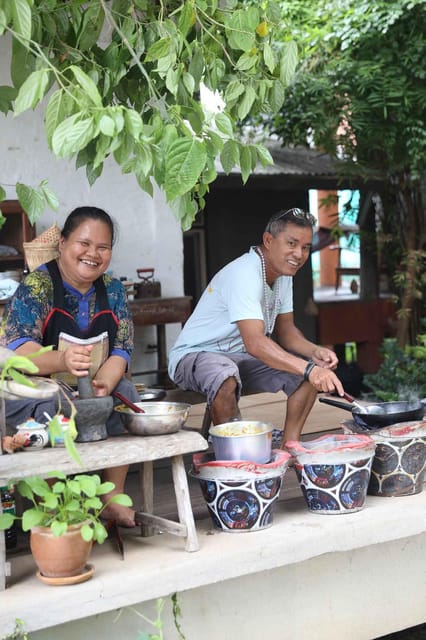
The class is run by Baannoi Nornmuan. One account described family members leading the session, with a friendly and professional approach. That combination matters. You get the warmth of a family setting while still having staff who organize the cooking and answer questions.
The class appears to favor a simple, down-to-earth atmosphere. Cooking on a porch over charcoal gives the session a sense of everyday life rather than a staged food show. If you want a polished presentation with elaborate equipment, this may not be the right match. If you want to see how food can be prepared in a more traditional and personal setting, it has clear appeal.
The class has earned a perfect rating from eight submitted ratings, with praise focused on the food, organization, kindness, and authentic feel. One person described it as a special memory, while another called it well organized and professional. Those comments point to a class that combines informality with enough structure to keep the three hours moving.
What the small group changes
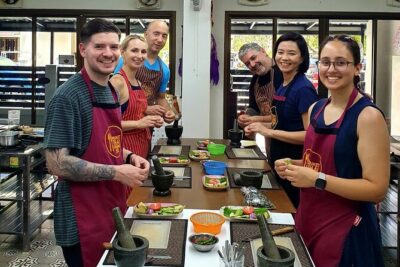
The class accepts up to 10 participants. That is small enough to make hands-on work more practical than in a large demonstration.
You should have a better chance to see what is happening, ask about ingredients, and get help with unfamiliar techniques. That is especially useful when preparing curry, handling chili, or judging sticky rice texture. A large class can leave you watching from the back. This format is more personal.
Small groups can also feel more social. You will be cooking alongside other people rather than eating a finished meal in isolation. The class information does not promise a private lesson, so expect a shared experience rather than one-on-one instruction.
Instruction is available in English and Thai. That makes the class suitable for English-speaking visitors, though the exact depth of explanation may depend on the instructor and the group. If you have dietary restrictions, the supplied information does not confirm substitutions, so ask before booking.
Is $38 a fair price?
At $38 per person, the class sits in a reasonable range for a three-hour food experience, especially because you prepare several dishes rather than just one. The value comes from the combination of instruction, ingredients, a meal or tasting of what you cook, and access to techniques you may not learn from a restaurant visit.
The strongest value is the menu. You get sticky rice, pork curry, chicken Khao Soi, pork chili sauce, and grilled eggs on banana leaf. That gives you a broad introduction to Northern cooking in one sitting.
The price may feel less attractive if you only want to eat Khao Soi and have no interest in cooking. You are paying for participation, not just lunch. It is also not the best choice for someone who wants a luxury food setting, extensive culinary theory, or a highly staged presentation.
For an independent cook, the class can pay off after the trip. You leave with a better sense of how Northern dishes are assembled and what textures to look for when ordering them elsewhere. The information does not state whether recipe cards or take-home ingredients are provided, so do not assume those are included.
Who should book this Chiang Mai cooking class?
I would choose this class if you want to understand Northern Thai food through your hands, not just your appetite. It suits people who enjoy simple settings, direct contact with ingredients, and cooking methods that feel tied to local tradition.
It is also a good fit for anyone who has already eaten Khao Soi and wants to learn how it is made. The class gives that famous noodle soup a wider context by placing it alongside sticky rice, curry, chili sauce, and banana-leaf cooking.
Couples, families, and small groups should find the format manageable, while solo participants can expect to cook alongside a limited number of others. The age requirements are not provided, so families should confirm suitability before booking for children.
You may want to choose another activity if you dislike spicy food, smoke, or hands-on kitchen work. The class centers on chili, curry, and charcoal cooking, and the atmosphere is intentionally informal.
Practical details before you reserve
The activity lasts three hours, with starting times based on availability. That makes it easy to fit into a Chiang Mai schedule, but you should check the available start time before planning other activities around it.
English and Thai are the listed languages. The class is wheelchair accessible, which is useful information for anyone who needs step-free access or a more accommodating activity setting. The supplied details do not explain the exact venue layout, so contact the provider if you need specific access information.
You can cancel up to 24 hours before the activity for a full refund. You can also reserve now and pay later, which helps if you are still arranging your Chiang Mai plans. These policies add flexibility without changing the nature of the experience itself.
Should you book Baannoi Nornmuan?
Book it if you want authentic Northern dishes, a small group, and a family-style lesson built around actual cooking. The strongest reasons are the focused menu, charcoal preparation, fresh ingredients, and chance to make Khao Soi rather than merely order it.
Skip it if you want a luxury kitchen, a highly polished show, or a quiet restaurant meal. This class is at its best when you are happy to get involved, handle unfamiliar ingredients, and accept a simple setting as part of the experience.
For $38, it offers a solid introduction to Chiang Mai food culture in three hours. The cooking is the main event, and the best reward is understanding how the region’s staple dishes come together.
FAQ
How long does the Traditional Northern Cooking Class last?
The class lasts three hours.
What dishes are included?
The menu includes sticky rice, Northern curry with pork, chicken Khao Soi, chili sauce with pork, and grilled egg on banana leaf.
Is Khao Soi part of the class?
Yes. You prepare Khao Soi with chicken, a traditional Northern Thai noodle soup.
What languages are offered?
Instruction is available in English and Thai.
How many people can join the class?
The class is limited to a maximum of 10 participants.
Can I cancel or pay later?
You can cancel up to 24 hours in advance for a full refund. You can also reserve your place and pay later.
Just added around Chiang Mai
- Chiang Mai Best City Tour with Doi Suthep & Iconic Temples★ 4.5 · 24 reviews
- Chiang Mai Michelin Food Walking Tour with Professional Tour Guide★ 4.5 · 13 reviews
- Private Chiang Mai Temple Tour with Doi Suthep and Wat Umong★ 5.0 · 52 reviews
- Secret Waterfall and Bamboo Rafting from Chiang Mai★ 5.0 · 30 reviews
- Bua Tong Waterfall Adventure& Huge Cave included Thai Buffet Tour★ 4.5 · 28 reviews
- Chiang Mai Sak Yant Tattoo By Ajarn Tu★ 5.0 · 25 reviews
- Chiang Mai Airport Transfer by Private Van – Arrival or Departure★ 4.5 · 11 reviews
- Chiang Mai Scavenger Hunt and Sights Self-Guided Tour★ 5.0 · 8 reviews
Cooking Classes, compared.
Half-Day Thai Cooking Class at Organic Farm in Chiang Mai
Read our review →
Cooking Class, Market & Thai Herbs Garden Tour
Read our review →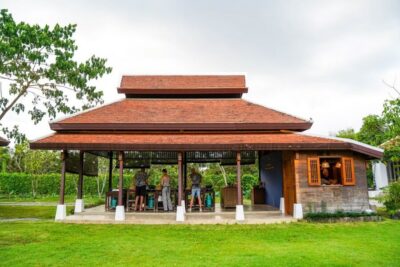
Authentic Cooking Class with Market & Farm Visit
Read our review →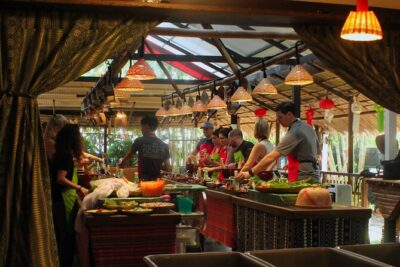
Phuket Thai Cooking Class with Market Tour Option
Read our review →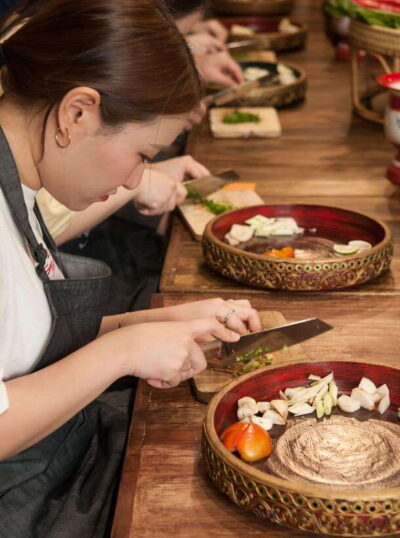
Tingly Thai Cooking School Half-Day Cooking Class
Read our review →Browse the lists this tour appears in