
Reviewed · ELEPHANT SANCTUARIES
Chiang Mai: Elephant Dream Project Sanctuary – Half-Day
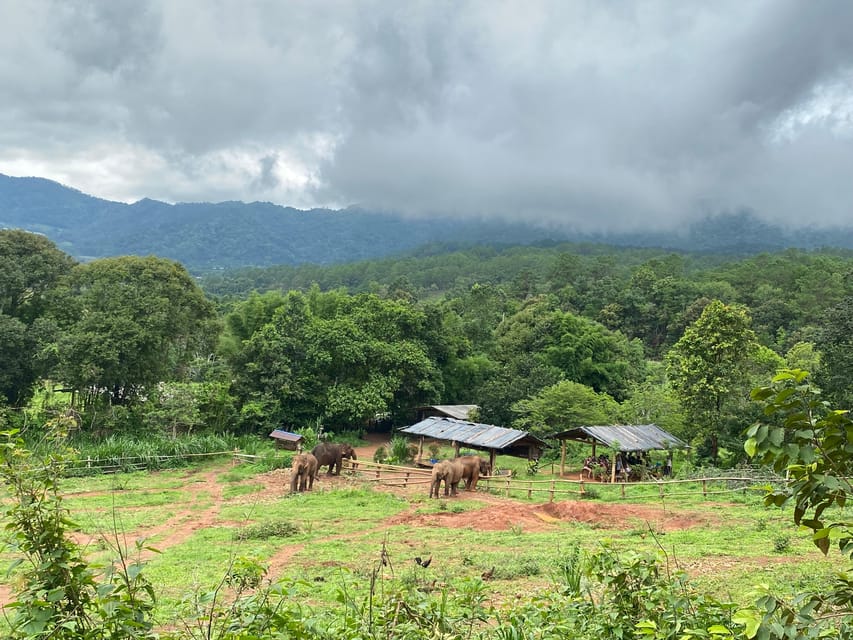
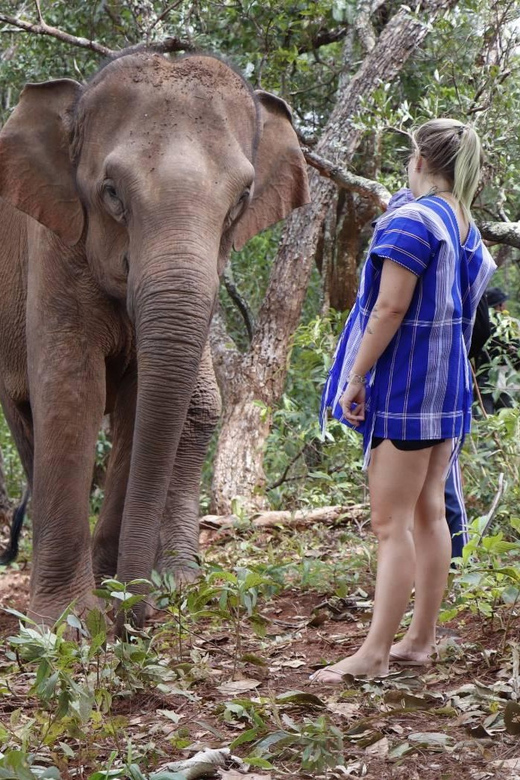
The best part of this Chiang Mai outing is simple: you follow the elephants instead of making the elephants perform for you. At the Elephant Dream Project, you feed them, walk beside them through the forest, and watch them choose where to go. No riding, tricks, or forced bathing are part of the visit.
I like the gentle pace and the strong local connection. Guides such as JJ and Mr Dee explain the elephants’ lives with real feeling, while the owner’s family ties to these animals give the visit a personal edge. I also like that lunch, hotel transfers, water, and feeding food are included for $51. The main drawback is the long drive from Chiang Mai, and the day shown in the schedule runs closer to seven or eight hours door to door than a classic four-hour tour.
Key points to know before booking
- Follow the elephants’ pace: The animals can wander off instead of being pushed into an activity.
- Meet five well-cared-for elephants: The project is locally run, with strong links to Karen communities and family elephant traditions.
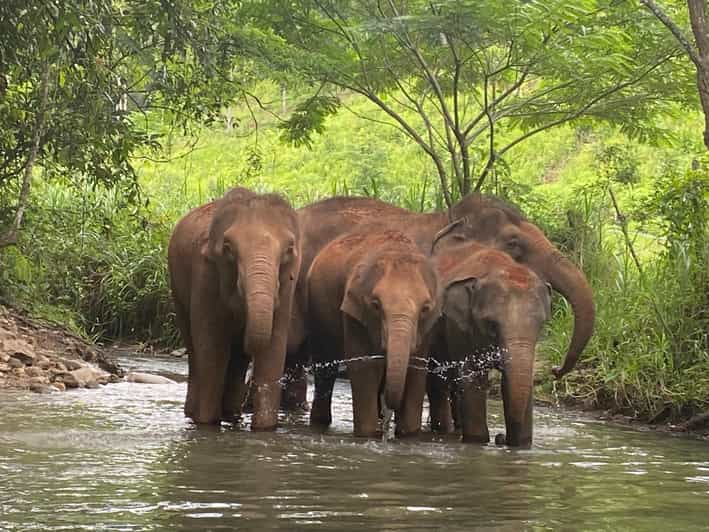
- Expect food and forest time: You feed the elephants, walk uphill through the jungle, and watch them drink or bathe naturally.
- No hands-on show: The experience avoids riding, tricks, mud spas, and forced bathing.
- Allow for a long road journey: Pickup is around 7:00 to 7:30 AM, with return around 2:30 to 3:00 PM.
- Bring proper footwear: The forest walk can be slippery, steep, and uneven.
Why the Elephant Dream Project feels different
Elephant tourism in northern Thailand can be hard to judge. A place may use the word ethical while still arranging rides, performances, bathing sessions, or close contact on a fixed schedule. At this project, the published approach is more modest: the elephants come first, and the day follows their natural behavior.
That matters in practical terms. If an elephant wants to move away, you do not chase it down for a photograph. If it does not want to take part, the staff allow it to leave. Your main contact is feeding, watching, and walking alongside the animals rather than touching them constantly.
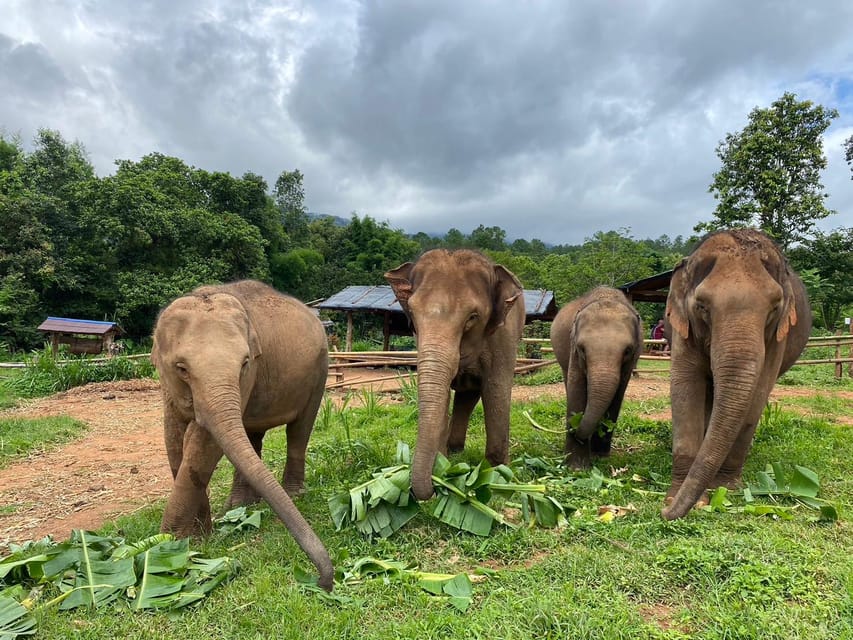
The project cares for five elephants, according to the information provided by the local team. The owner, often called Mr Dee, grew up with elephants connected to his family village. Some of the elephants have family links stretching back through generations, from a time when elephants worked on farms.
That background does not remove every complicated issue around captive elephants. The guide has explained that there is limited forest in Thailand where former working elephants can live fully wild lives. The project also needs visitor income to buy food and improve the land available to the animals. I would treat your ticket as support for a small local operation, not as a claim that the entire elephant industry has been solved.
More Elephant Sanctuaries in Chiang Mai
- Chiang Mai: Elephant Sanctuary, Waterfall & Bamboo Rafting
★ 4.9 · 9,160 reviews - Chiang Mai: Elephant Sanctuary & Waterfall Group Tour
★ 4.9 · 5,780 reviews - Chiang Mai: Elephant Sanctuary Feeding Program Half-Day Tour
★ 4.8 · 4,527 reviews
The early pickup and mountain road
Pickup is included from hotels in Chiang Mai city. You are asked to wait in the lobby about five minutes before the scheduled time and look for the Elephant Dream Project vehicle. The pickup window is roughly 7:00 to 7:30 AM.
The drive to the sanctuary takes about one hour and 45 minutes. That is the biggest time commitment, so do not book this if you want a quick city outing. The road takes you away from Chiang Mai and toward a quieter mountain setting, with countryside views along the way.
The vehicle has been described as a comfortable nine-seat van, though transport details can vary. If you are prone to motion sickness, sit near the front and bring anything you normally use for winding roads. The early departure is useful because you reach the sanctuary before the hottest part of the day, but it does mean an early breakfast.
The schedule creates a small point of confusion. The activity is sold as a four-hour experience, yet the published timing shows pickup around 7:00 AM and hotel return between 2:30 and 3:00 PM. The sanctuary portion is listed from about 9:30 AM until 1:00 PM, with most of the remaining time spent driving. Check the exact pickup and return details when you book.
Meeting the elephants at 9:30 AM
On arrival, a local English-speaking guide gives you an introduction to Asian elephants and the purpose of the Elephant Dream Project. JJ has guided many of the visits, and Mr Dee may also be involved in welcoming and leading the group.
This first talk is not just filler before the photos. You learn how to approach the elephants, how to offer food, and why the staff do not force an animal into an activity. Listen carefully, because an elephant that looks calm is still a very large, strong animal with its own boundaries.
The project’s style is personal rather than polished. You are visiting a small local operation in a village setting, not a large wildlife park with a long visitor center and a formal stage. That simplicity is part of the appeal, but it also means you should arrive ready for an outdoor day with basic facilities.
Feeding time puts you close to the animals
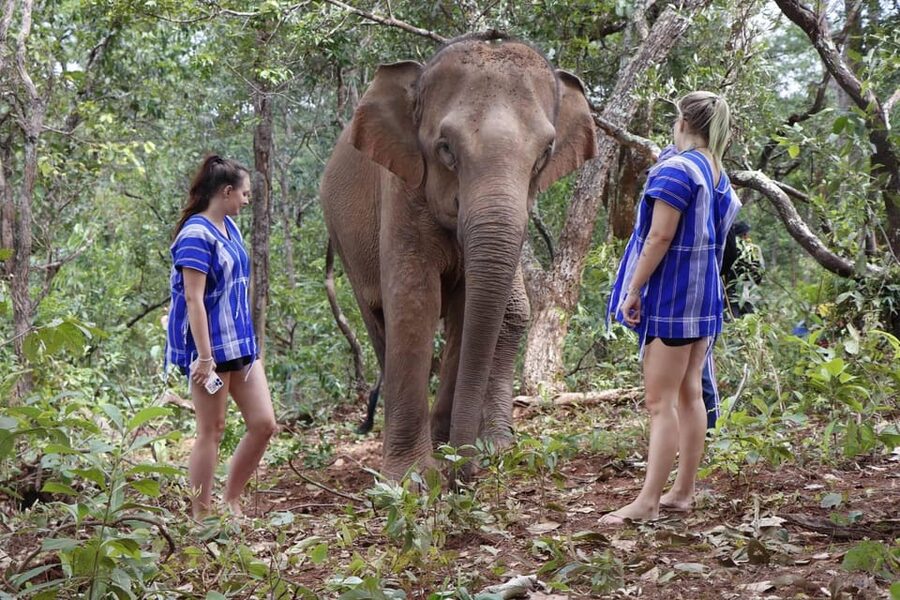
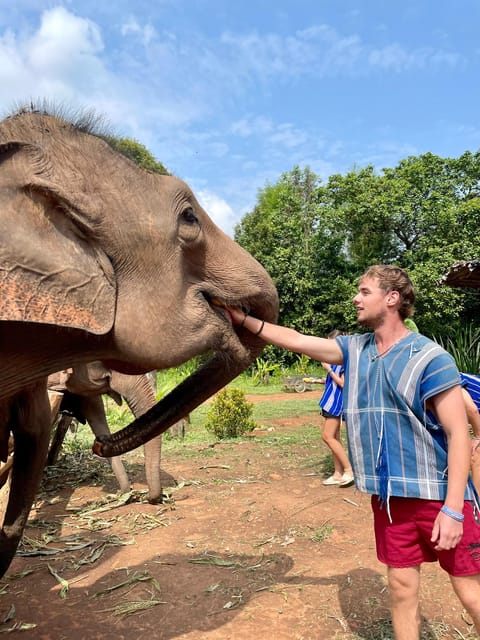
Feeding is the most direct activity of the morning. Food for the elephants is included, and you get to offer them buckets of fruit and other food. Elephants eat a great deal, so the feeding session gives you a quick lesson in their size, appetite, and strength.
The staff explain how to feed safely and respectfully. Follow their instructions rather than reaching out suddenly or trying to get a perfect photograph. The animals may come close because they expect food, but that does not mean they want unlimited touching.
This is a good setup for families and first-time elephant visitors who want a close view without a circus-style show. You can see the animals’ faces, trunks, ears, and feeding habits at close range, while the guide remains nearby. The supplied information makes clear that the project does not promise constant physical contact, and that is a plus for animal welfare.
Some visitors have been given a loose cover or smock to help keep clothing clean during feeding. Still, wear clothes you can wash easily. Elephants are messy eaters, and outdoor conditions add dust, mud, and plant debris.
Same base, a completely different sort of day out:
- Half-Day Thai Cooking Class at Organic Farm in Chiang Mai
★ 5.0 · 19,087 reviews - Chiang Mai: Cooking Class, Market & Thai Herbs Garden Tour
★ 4.9 · 4,824 reviews - Chiang Mai: Authentic Cooking Class with Market & Farm Visit
★ 4.9 · 4,546 reviews - Thai and Akha Cooking Class in Chiang Mai
★ 5.0 · 4,358 reviews
Walking uphill through the jungle
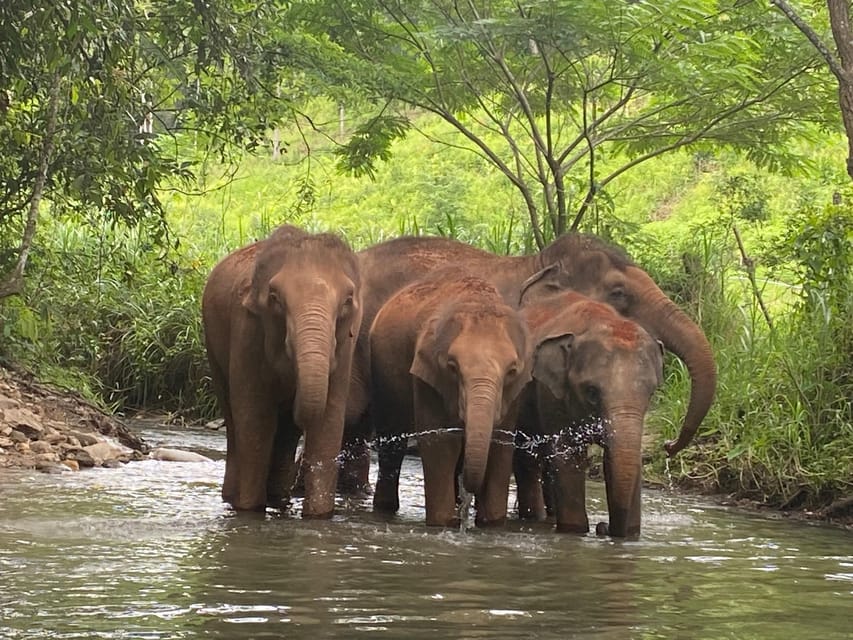
After feeding, you walk with the elephants into the forest. The animals lead the pace, and the route can include an uphill section through the trees. This is not a paved park stroll. You may deal with slippery ground, uneven paths, and wet areas, especially after rain.
Wear hiking shoes with good grip. One useful tip from the experience is to bring traction rather than relying on sandals or smooth-soled trainers. Sunscreen and insect repellent belong in your day bag, even though parts of the walk may be shaded.
The appeal is seeing the elephants in a less staged setting. You may watch them browse, move between trees, drink from a river, or head toward water. The schedule can change because the staff do not force the animals to perform at a certain spot or time.
This also means the visit may not deliver the same photograph for every group. If you want a guaranteed bathing pose or a carefully arranged group shot, this is the wrong kind of tour. If you prefer to watch an elephant make its own choices, the uncertainty is part of the value.
You may also hear the individual stories of the elephants and learn how their lives connect to local families. The guides explain the problems facing elephants used in entertainment and why some activities marketed as fun can place pressure on the animals.
Watching natural bathing instead of joining in
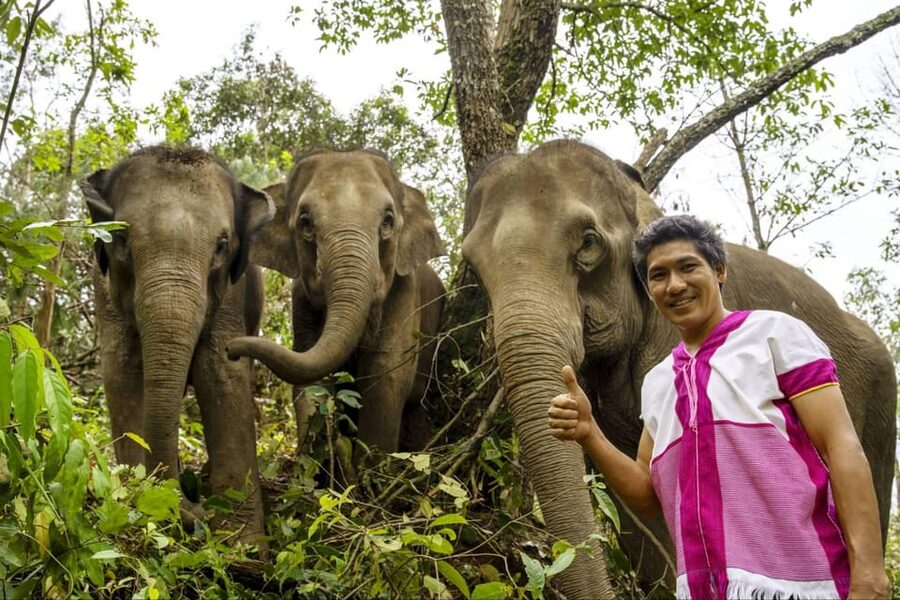
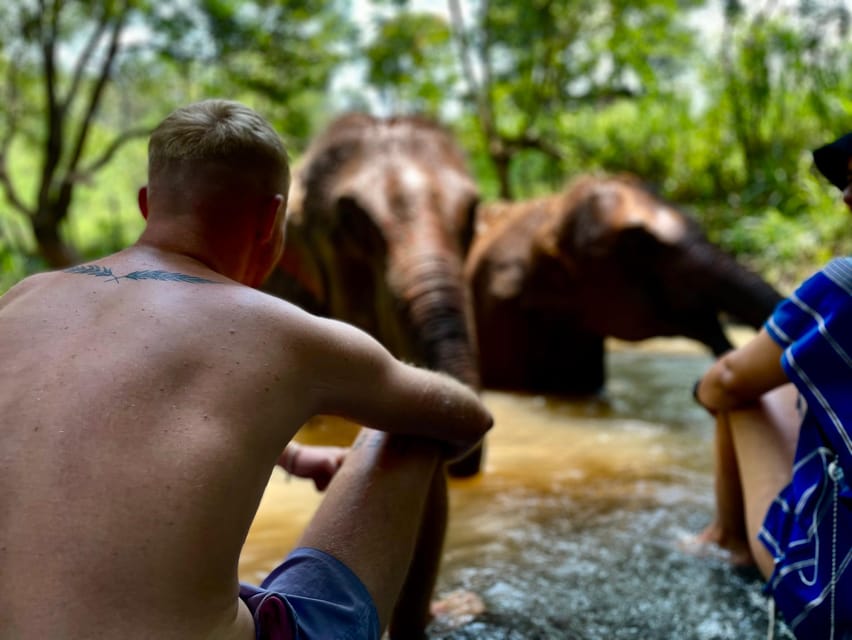
One of the project’s strongest choices is leaving bathing to the elephants. You may walk to the river and watch them drink or wash, but you are not expected to get into the water with them.
That may sound less exciting than an elephant bathing session, but it is more respectful and more practical. Elephants can defecate in the water, and forcing a bathing routine turns a natural behavior into a performance. Here, you watch from the bank and let the animals decide what happens.
The same rule applies to touching. The focus is on feeding and observing rather than rubbing, hugging, or climbing onto the elephants. This gives you a more honest sense of their behavior and avoids treating them like oversized domestic pets.
Conditions may affect what you see. The animals may spend more time walking, feeding, or resting than bathing. Keep your expectations flexible and pay attention to the guide’s explanation of what is happening.
Thai lunch and a taste of village life
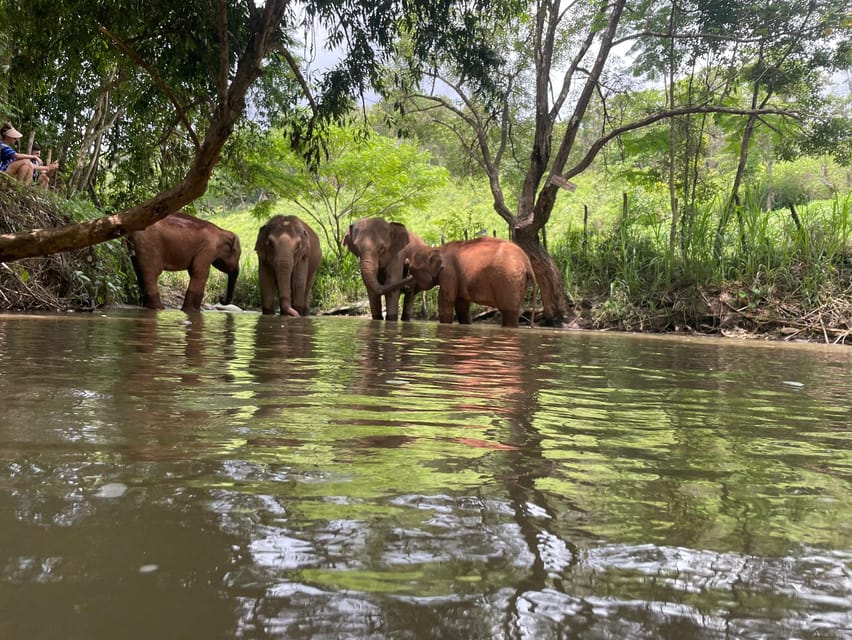
Around noon, you eat Thai food with seasonal fruit. Lunch is included, as are drinking water and the food used for feeding the elephants. Soft drinks are not included, so bring extra money if you want one.
The meal adds value to a $51 tour. You are not paying separately for transport, entry, lunch, water, or elephant food, and the day supports a small local project rather than only a large commercial operator. The menu is described as Thai food rather than a specific set menu, so tell the operator in advance about any dietary needs if that is important to you.
The village setting is another reason to choose this visit. You spend time around local people and get a look at a way of life tied to elephants, farming, and mountain communities. The experience is not presented as a full village tour, so do not expect a long craft demonstration or a detailed cultural program. The connection is found in the people caring for the animals and in the setting where the project operates.
What the $51 price really covers
At $51 per person, this is not the cheapest possible elephant outing in Chiang Mai. The price makes sense if you value a small group feel, a local guide, hotel transfers, and an animal-first program without riding or staged bathing.
The included items are useful:
- Round-trip hotel transportation within Chiang Mai city
- Entry to the project
- English-speaking guide
- Elephant feeding food
- Thai lunch
- Drinking water
You should budget for sunscreen, insect repellent, soft drinks, and any extra personal purchases. You also need to supply suitable clothing and footwear.
The strongest value comes from the time spent with the elephants in their own routine. You are not paying for a packed list of attractions. You are paying for access to a locally run project, staff supervision, food for the elephants, transport into the mountains, and a chance to support better care.
Who will enjoy this visit most
I would choose this experience if you want close views of elephants without riding or making them perform. It suits people who enjoy quiet observation, local contact, and a flexible outdoor schedule.
It is also a good match for anyone comparing elephant sanctuaries and trying to avoid forced interactions. The staff’s stated rule is that the animals are not made to participate for entertainment. The repeated focus on feeding, walking, and watching lets you enjoy the animals without expecting them to act on command.
You should think twice if you need smooth paths, wheelchair access, or a short transfer. The project is not suitable for wheelchair users, and the walk can be slippery and uphill. It is also not suitable for people over 80 or over 95, as stated in the booking information. The wording lists both age limits, so check the current requirement before paying.
Young children may enjoy the elephants, but the data does not give a minimum age or child policy. Ask the operator directly if you are traveling with children.
What to pack for the forest walk
Bring a change of clothes and a towel, even though you are not scheduled to bathe with the elephants. The mountain setting can be muddy or damp, and a spare outfit makes the return drive more comfortable.
Your basic kit should include:
- Hiking shoes with strong traction
- Sunscreen
- Insect repellent
- Water, although drinking water is provided
- A change of clothes
- A towel
- A small bag for personal items
Do not pack the day around elaborate photo equipment. The animals move freely, the ground can be uneven, and you may need both hands for walking safely. A phone with a secure strap is more useful than a large camera bag.
Booking, cancellation, and timing
Pickup is available from hotels in Chiang Mai city, not necessarily from every area outside the city. Confirm that your accommodation falls inside the pickup zone.
You can cancel up to 24 hours before the activity for a full refund, and the reserve-now-pay-later option keeps your plans flexible. Availability depends on the chosen start time, so check the current schedule rather than assuming every day follows the same timing.
The English-language guide is included. Ask questions during the introduction, especially about the elephants’ backgrounds and the correct way to approach them.
Should you book the Elephant Dream Project?
I would book this tour if your priority is a respectful elephant encounter where the animals are allowed to walk, eat, drink, bathe, or leave on their own terms. The feeding session and forest walk give you real contact without riding, tricks, or forced bathing.
I would not book it if you want a polished attraction, a short trip from central Chiang Mai, guaranteed bathing photos, or easy walking. The road journey is long, the terrain can be rough, and the schedule depends on elephant behavior.
For the right visitor, the $51 price is fair. You get transport, lunch, entry, water, elephant food, and several hours around a small local project. Most important, your visit helps a team that is trying to care for elephants without turning every natural behavior into a show.
FAQ
How long does the Elephant Dream Project tour take?
The experience is advertised as a half-day tour lasting four hours, but the published schedule shows hotel pickup around 7:00 to 7:30 AM and return around 2:30 to 3:00 PM. The sanctuary visit itself runs from about 9:30 AM to 1:00 PM, with the rest of the time used for driving.
Is hotel pickup included?
Yes. Round-trip pickup and drop-off are included from hotels in Chiang Mai city. Wait in your hotel lobby five minutes before the scheduled pickup and look for the Elephant Dream Project vehicle.
What activities can I do with the elephants?
You can feed the elephants, walk beside them through the jungle, learn about them from the English-speaking guide, and watch them drink or bathe naturally. The animals are not forced to take part.
Does the tour include elephant riding?
No. Elephant riding is not included. The experience focuses on feeding, walking, and observing.
Can I bathe the elephants?
You do not bathe with the elephants. You may watch them wash or drink at the river, depending on their behavior that day.
Is lunch included?
Yes. Thai food, seasonal fruit, and water are included. Soft drinks are not included.
What should I bring?
Bring a change of clothes, a towel, hiking shoes, sunscreen, and insect repellent. Strong traction is useful because the forest path may be slippery.
Is the tour suitable for wheelchair users?
No. The activity is not suitable for wheelchair users. It is also listed as unsuitable for people over 80 years old and people over 95 years old.
Just added around Chiang Mai
- Chiang Mai Best City Tour with Doi Suthep & Iconic Temples★ 4.5 · 24 reviews
- Chiang Mai Michelin Food Walking Tour with Professional Tour Guide★ 4.5 · 13 reviews
- Private Chiang Mai Temple Tour with Doi Suthep and Wat Umong★ 5.0 · 52 reviews
- Secret Waterfall and Bamboo Rafting from Chiang Mai★ 5.0 · 30 reviews
- Bua Tong Waterfall Adventure& Huge Cave included Thai Buffet Tour★ 4.5 · 28 reviews
- Chiang Mai Sak Yant Tattoo By Ajarn Tu★ 5.0 · 25 reviews
- Chiang Mai Airport Transfer by Private Van – Arrival or Departure★ 4.5 · 11 reviews
- Chiang Mai Scavenger Hunt and Sights Self-Guided Tour★ 5.0 · 8 reviews
Elephant Sanctuaries, compared.
Elephant Sanctuary, Waterfall & Bamboo Rafting
Read our review →
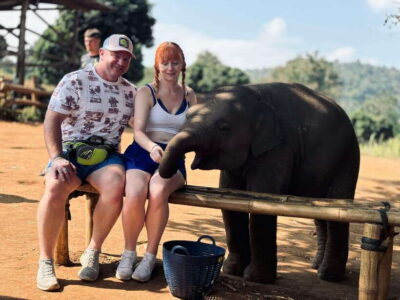
Elephant Sanctuary Feeding Program Half-Day Tour
Read our review →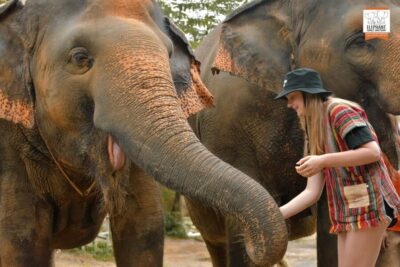
Elephant Jungle Sanctuary Ethical Feeding Experience
Read our review →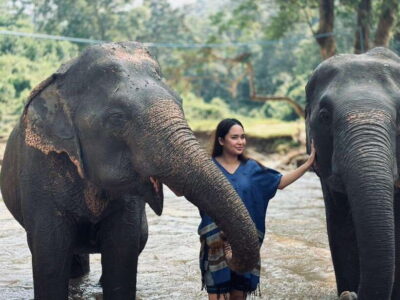
Elephant Sanctuary, Long Neck & Sticky Waterfall
Read our review →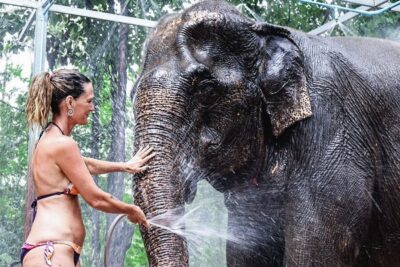
Elephant Bathing Session at Krabi Elephant Shelter
Read our review →
Elephant Sanctuary Guided Tour with Hotel Transfers
Read our review →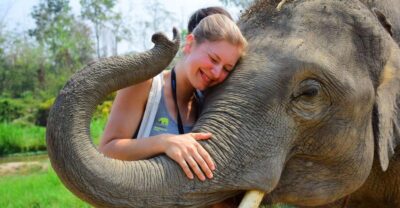
Browse the lists this tour appears in