
Reviewed · ELEPHANT SANCTUARIES
From Chiang Mai: Kerchor Eco Elephant Park Tour
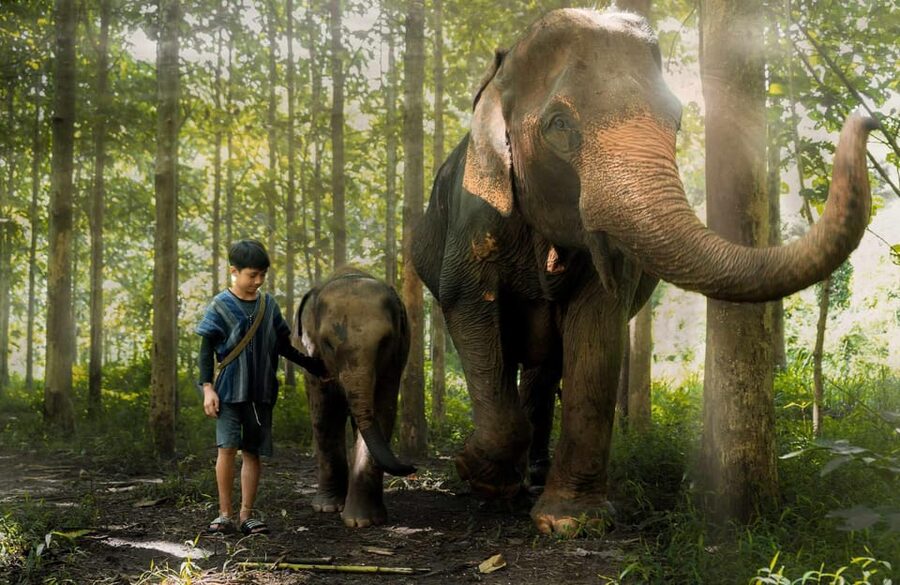
Kerchor Eco Elephant Park gives you close contact with elephants without turning the visit into a circus show. You feed them, walk beside them, watch them play in mud and water, and bathe one in a flowing stream. The baby elephants are a major draw, especially if you want gentle, memorable photo opportunities.
I like the calm setting and the guides, who explain elephant care, Karen traditions, and safe ways to approach the animals. I also like the sensible half-day length, which leaves room for Chiang Mai sightseeing. The main drawback is the three hours of road travel, plus a lunch that can be basic rather than a highlight.
Key points before you book
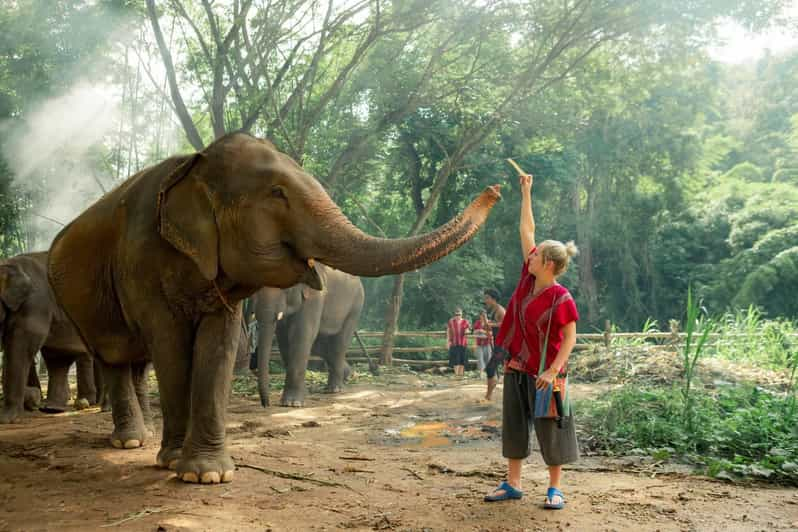
- Baby elephants and free-roaming animals: You may see young elephants playing, feeding, and moving around without the feel of a tightly staged show.
- Feed, walk, and bathe: The visit includes hands-on activities, mud play, and time in the stream.
- Strong local guides: Guides known as F, Fa, Fai, P’E, and NamNam have been praised for humor, photos, elephant information, and Karen cultural insight.
- Half-day format: About 330 minutes total, including roughly 1.5 hours each way by van.
- Lunch and drinks included: Expect Thai food, water, tea, coffee, and soft drinks, though the meal may be simple.
- Bring clothes for water: Pack sandals, a towel, sunscreen, biodegradable insect repellent, and quick-dry clothing.
The 90-minute ride from Chiang Mai
Your day begins with pickup in Chiang Mai and a van ride of roughly 1.5 hours to Kerchor Eco Elephant Park. That is not a quick hop across town, so I would avoid scheduling a tight afternoon commitment after the tour. One useful warning: some pickup points outside the service area do not receive hotel collection, and you may need to reach the Tha Phae branch of McDonald’s yourself.
The drive is part of the cost of reaching a more rural setting, but it can be bumpy. A few people also found the driving too fast, so this is worth keeping in mind if you are sensitive to road travel. Pickup can occasionally run late, although many departures are reported as well organized and on time.
The van transfer makes the $48 price easier to assess. You are not paying only for elephant contact. The fee also covers transport from Chiang Mai, the park visit, an English, Chinese, or Thai-speaking guide, elephant food, activity clothing, and lunch with drinks. For a half-day outing with round-trip transport, that is a fair package, particularly if you would otherwise need to arrange a private ride.
More Elephant Sanctuaries in Chiang Mai
- Chiang Mai: Elephant Sanctuary, Waterfall & Bamboo Rafting
★ 4.9 · 9,160 reviews - Chiang Mai: Elephant Sanctuary & Waterfall Group Tour
★ 4.9 · 5,780 reviews - Chiang Mai: Elephant Sanctuary Feeding Program Half-Day Tour
★ 4.8 · 4,527 reviews
Starting with elephant care and local context
On arrival, you receive an introduction to Kerchor’s work with the elephants. The presentation covers how the park protects the animals, keeps them healthy, and manages daily care. This opening talk matters because close contact is more responsible when you understand what to do around a large animal.
Guides also explain how to interact safely. That can include how to offer food, where to stand, and when to give an elephant space. The best part of the visit is not simply touching an elephant. It is learning to pay attention to the animal’s movement and mood.
The park is associated with Karen communities, and local guides can add cultural context. NamNam, for example, has explained Karen traditions and local life during the visit. Other guides, including F, Fa, Fai, and P’E, have been singled out for warmth, humor, clear explanations, and practical help with photographs.
A veterinarian may also be part of the program. This is especially useful if you want more than a photo stop, since questions about elephant health can be answered by someone directly connected to their care.
Feeding elephants, including the youngest animals
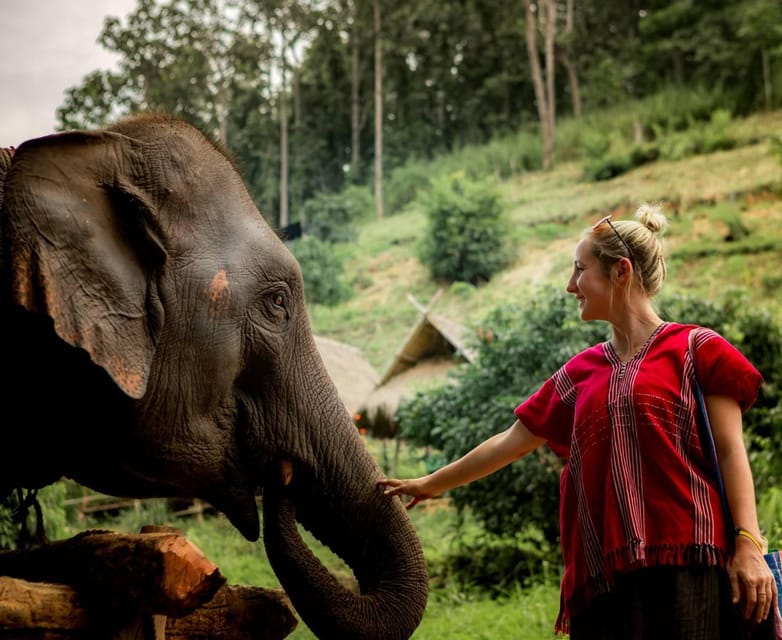
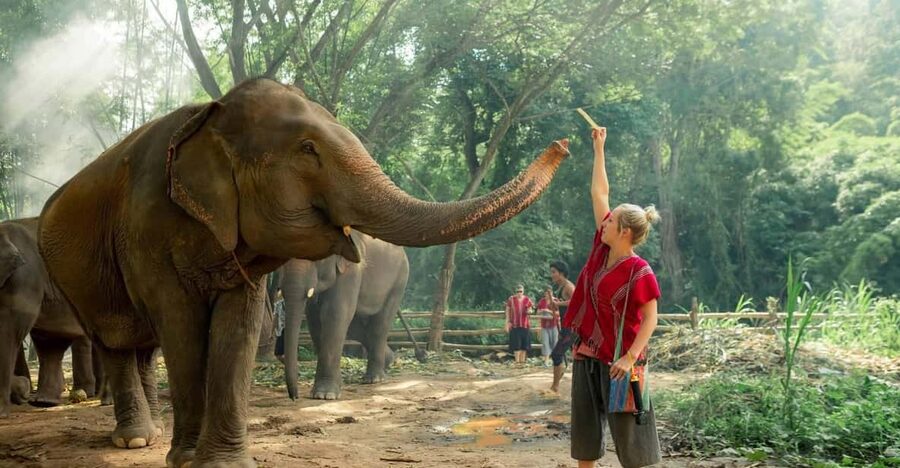
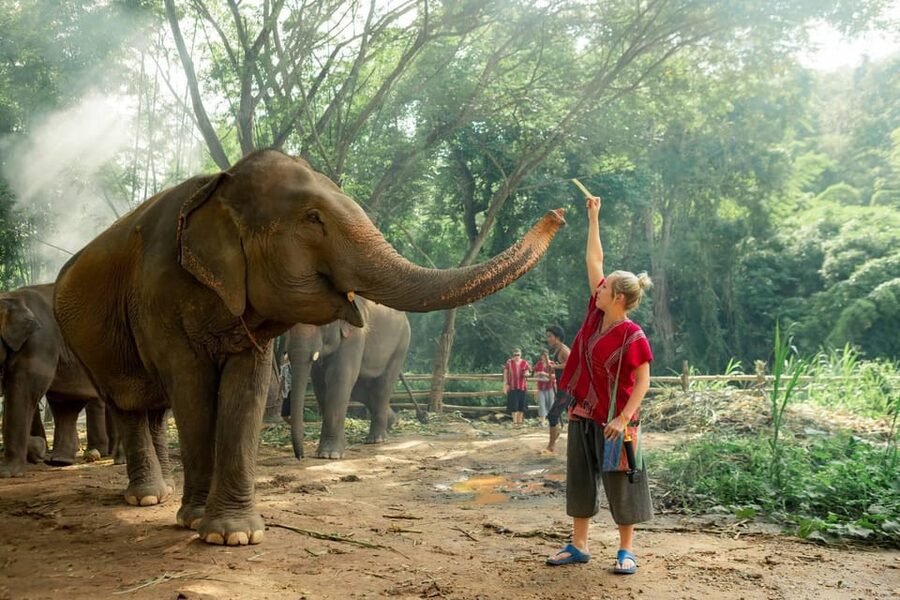
After the introduction, you prepare or receive snacks for the elephants and begin feeding them. This is usually the point when the size of the animals becomes real. An elephant’s trunk is powerful, quick, and surprisingly precise, and you need to follow the guide’s instructions rather than improvise.
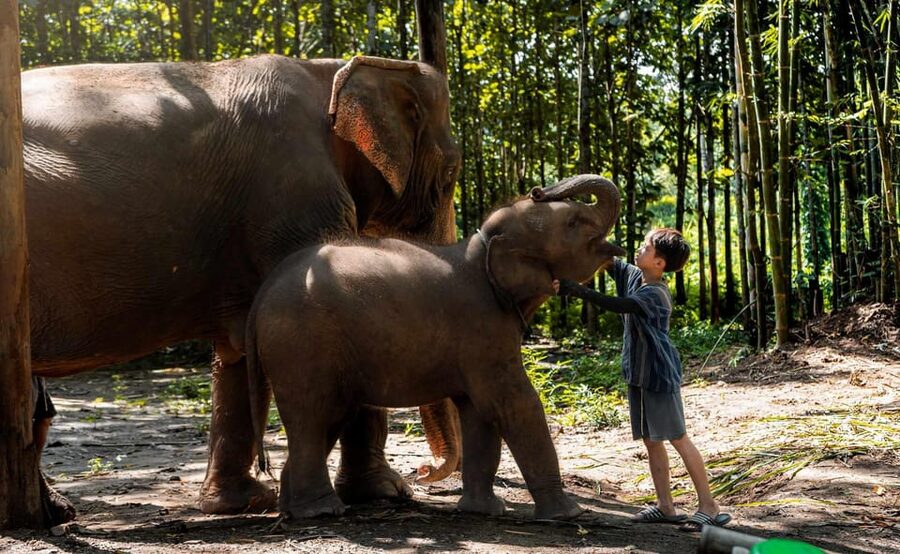
The presence of baby elephants gives this part extra appeal. They can be playful and curious, and some visitors have described them as eager to approach people. You may get close photos, but remember that the guide controls the interaction. The animals should set the pace, and a cute young elephant is still a strong animal with its own boundaries.
Photo opportunities are built into the experience. Guides often help solo visitors and groups get pictures, which is a real benefit if you are traveling alone. Fai has been praised for making solo participants feel included, while other guides have taken photos and helped people get involved.
There is a small tradeoff here. Photo lines or posed moments can feel more arranged than the rest of the visit. If you want the most natural experience, pay as much attention to the elephants feeding, walking, and playing with one another as you do to the camera.
Walking beside elephants through the park
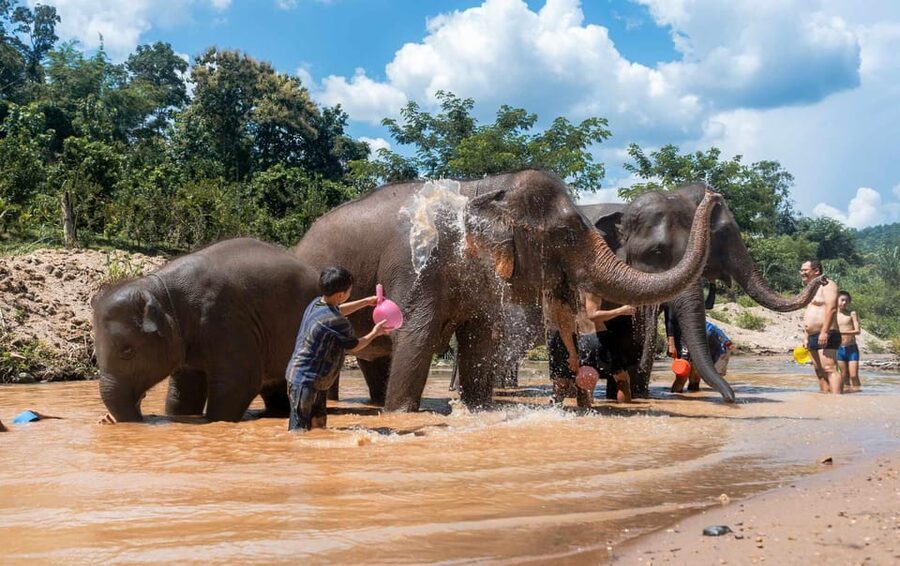
The walking segment lets you see the animals outside a single feeding station. You move with them as they explore, bathe, and spend time together. This is a quieter form of contact than a performance, and it gives you a better sense of their individual behavior.
The setting is one reason the tour feels different from a standard animal attraction. The park is described as open, peaceful, and close to the animals’ natural surroundings, with no barriers emphasized in the experience. That does not mean the elephants are entirely unmanaged. Guides remain nearby, and activities follow a set routine. Still, the focus is on accompanying the animals rather than making them perform tricks.
You should expect mud, wet ground, and changing weather. Rain does not necessarily ruin the outing, but it makes quick-dry clothing especially useful. You will want sandals rather than delicate shoes, and old clothes are a smart choice for anyone planning to join the mud and water activities.
The park asks you not to make noise or start fires. Those rules are simple, but they make sense in a place where calm behavior helps both the elephants and the people around them. Pets are not allowed.
Same base, a completely different sort of day out:
- Half-Day Thai Cooking Class at Organic Farm in Chiang Mai
★ 5.0 · 19,087 reviews - Chiang Mai: Cooking Class, Market & Thai Herbs Garden Tour
★ 4.9 · 4,824 reviews - Chiang Mai: Authentic Cooking Class with Market & Farm Visit
★ 4.9 · 4,546 reviews - Thai and Akha Cooking Class in Chiang Mai
★ 5.0 · 4,358 reviews
Mud, water, and bathing an elephant
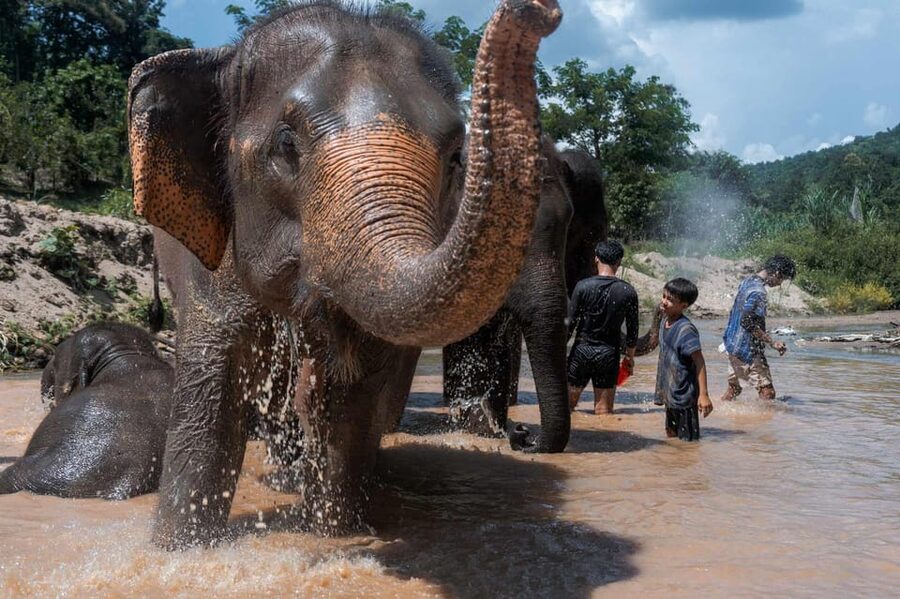
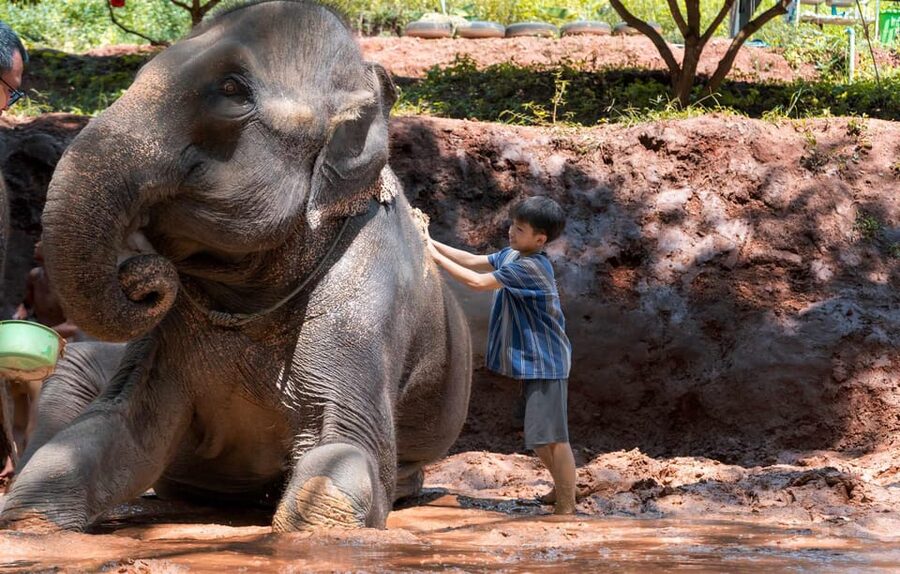
The most playful part of the visit comes when the elephants enter muddy water. You can watch them roll, splash, and play with each other. The scene is fun, but it is also a reminder that the animals are not there only for human entertainment. Their own activity remains the center of attention.
You then have the chance to bathe one of the elephants in the flowing stream. This is hands-on and wet, so bring a towel and a full change of clothes. Sandals are more practical than trainers, and biodegradable insect repellent is recommended for the outdoor setting.
Some accounts describe both a mud bath and a swim in the stream. The exact order may vary with conditions and the elephants’ behavior. That flexibility is a positive sign in practical terms: you should not expect every moment to run like a stage show.
Bathing is also the part that requires the most thought. You are close to an animal that is far stronger than you, even when it seems friendly. Follow the guide’s instructions, avoid loud behavior, and let staff manage the distance. The activity includes bathing, but you should not treat it as permission to chase, hug, or demand contact.
For many people, this is the emotional high point of the day. You are not just taking a picture beside an elephant. You are standing in the water, helping with a daily care activity, and seeing how the animals respond to their handlers.
Thai lunch after the elephant activities
After the outdoor program, you sit down for a Thai meal at the park. Water, coffee, tea, and soft drinks are included, and the meal gives you time to dry off and rest before the ride back.
Food quality is the least consistent part of the experience. Some people describe the meal as good, with egg fried rice and soup included on at least one visit. Others found the buffet ordinary, and one meal was described as white rice with spring rolls. If you are not vegan, do not assume the lunch will include a wide range of meat or other choices.
The meal may also appear as dinner in some scheduling information, even though the main description calls it lunch. Treat it as the included meal served at the end of your park visit, rather than planning around a specific breakfast, lunch, or dinner menu.
I see the food as a useful inclusion, not the reason to book. It saves you from finding a restaurant after getting muddy and wet, and the quiet setting makes it a pleasant pause. But if food is central to your trip, keep expectations modest.
Timing, group size, and the return journey
The full activity lasts about 330 minutes, or five and a half hours. The park portion is listed at roughly 2.5 hours, with the remaining time spent in the van. Some people find the half-day format just right, while others want more than two hours with the elephants.
That distinction is important. If you want a compact experience that fits beside a Chiang Mai city tour, this version works well. If elephant care is the main purpose of your northern Thailand visit, you may prefer a longer program.
Group size can affect the feel of the day. Smaller groups make it easier to ask questions, get photos, and spend time near the animals without waiting. One especially positive detail is that some departures have not felt crowded. Still, the exact group size is not guaranteed, so you should expect a shared experience rather than a private encounter.
The return van takes another 1.5 hours. I would leave at least a couple of spare hours after the scheduled finish, especially if you have a flight, dinner reservation, or another paid activity. Rain, traffic, late pickup, and road conditions can all stretch the day.
What to pack and how to prepare
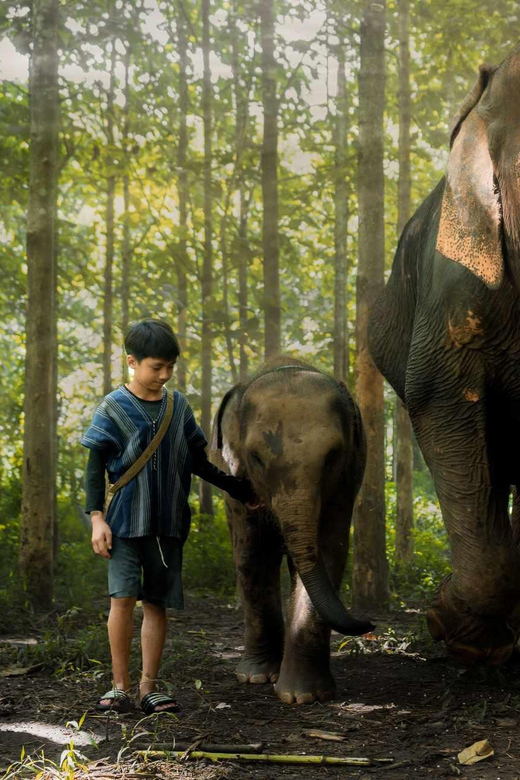
You do not need specialist gear, but the right basics make a major difference:
- A towel and a complete change of clothes
- Sandals with a secure fit
- Quick-dry clothing
- Sunscreen
- Biodegradable insect repellent
- A waterproof pouch for valuables
- A little patience for mud, water, and road travel
Activity shirts are supplied for the park program, but you should still bring clothing you do not mind getting dirty. A phone or camera is useful, and the guides often help with photos, though you should protect electronics around the stream.
The park is listed as wheelchair accessible. Because the experience includes hiking, mud, and a flowing stream, it is sensible to confirm which parts can be adapted to your needs before booking. The supplied information confirms accessibility, but it does not spell out the exact route or bathing arrangements.
Who will enjoy Kerchor most
I would recommend this tour to first-time Chiang Mai visitors who want close elephant contact in a short format. Families, couples, solo visitors, and people who enjoy outdoor activities can all find something here. Solo participants should feel comfortable joining a group, especially since guides have helped individuals with photos and made sure they were included.
It also suits people who want some learning with their animal encounter. The opening talk, elephant health information, local Karen context, and safe-interaction guidance give the day more substance than simply feeding an elephant and leaving.
I would be more cautious if you dislike long van rides, muddy clothing, or uncertain weather. The tour is not ideal for anyone expecting a polished resort meal or a guaranteed private interaction. You should also consider your personal view of elephant tourism. The park presents itself as an eco-focused place where elephants are cared for and allowed to move freely, but bathing and close contact remain managed visitor activities. Go with respectful behavior and realistic expectations.
Should you book this elephant park tour?
At $48, this is a good-value half-day outing if you want transport, a guide, elephant food, lunch, and several forms of interaction in one package. The strongest parts are the feeding, walking, baby elephants, muddy play, and stream bathing. The guides add real value, especially F, Fa, Fai, P’E, and NamNam, who bring humor, photos, animal information, and local context.
Book it if you want an active, friendly introduction to elephant care and do not mind spending three hours on the road. Skip it if you need a short transfer, a gourmet meal, or a completely unstructured encounter. Pack for water, leave time after the tour, and judge the experience by the elephants’ welfare rather than by how many photos you can collect.
FAQ
How long does the Kerchor Eco Elephant Park tour last?
The activity lasts about 330 minutes, or five and a half hours. This includes roughly 1.5 hours by van each way and about 2.5 hours at the park.
What activities are included with the elephants?
You can learn about elephant care, feed the animals snacks, walk with them, watch them play and bathe, and bathe one of them in a flowing stream.
Are baby elephants present at the park?
Baby elephants are part of the experience described, and several visits included time near two young elephants.
Is lunch included?
Yes. A Thai meal is included, along with water, coffee, tea, and soft drinks. The meal may be simple, and some schedules refer to it as dinner even though the main activity description calls it lunch.
What languages are available for the live guide?
Guides are available in English, Chinese, and Thai.
What should I bring?
Bring a towel, sandals, sunscreen, biodegradable insect repellent, and quick-dry clothing. A change of clothes is also practical because the bathing and mud activities can leave you wet.
Is hotel pickup included?
Pickup is included within the stated pickup area in Chiang Mai. If your hotel is outside that area, you must travel to the meeting point at the Tha Phae branch of McDonald’s.
Is the tour wheelchair accessible?
The activity is listed as wheelchair accessible. Since parts of the visit include hiking, mud, and a stream, confirm the details of the route and water activities when booking.
Can I cancel the booking?
You can cancel up to 24 hours in advance for a full refund. The reserve-now, pay-later option is also available.
Just added around Chiang Mai
- Chiang Mai Best City Tour with Doi Suthep & Iconic Temples★ 4.5 · 24 reviews
- Chiang Mai Michelin Food Walking Tour with Professional Tour Guide★ 4.5 · 13 reviews
- Private Chiang Mai Temple Tour with Doi Suthep and Wat Umong★ 5.0 · 52 reviews
- Secret Waterfall and Bamboo Rafting from Chiang Mai★ 5.0 · 30 reviews
- Bua Tong Waterfall Adventure& Huge Cave included Thai Buffet Tour★ 4.5 · 28 reviews
- Chiang Mai Sak Yant Tattoo By Ajarn Tu★ 5.0 · 25 reviews
- Chiang Mai Airport Transfer by Private Van – Arrival or Departure★ 4.5 · 11 reviews
- Chiang Mai Scavenger Hunt and Sights Self-Guided Tour★ 5.0 · 8 reviews
Elephant Sanctuaries, compared.
Elephant Sanctuary, Waterfall & Bamboo Rafting
Read our review →
Elephant Sanctuary Feeding Program Half-Day Tour
Read our review →
Elephant Jungle Sanctuary Ethical Feeding Experience
Read our review →
Elephant Sanctuary, Long Neck & Sticky Waterfall
Read our review →
Elephant Bathing Session at Krabi Elephant Shelter
Read our review →
Elephant Sanctuary Guided Tour with Hotel Transfers
Read our review →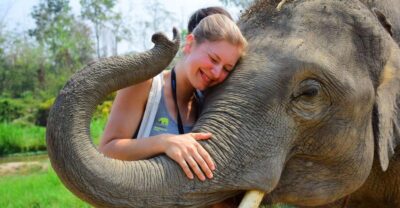
Browse the lists this tour appears in