
Reviewed · SCUBA DIVING
Open Water Course
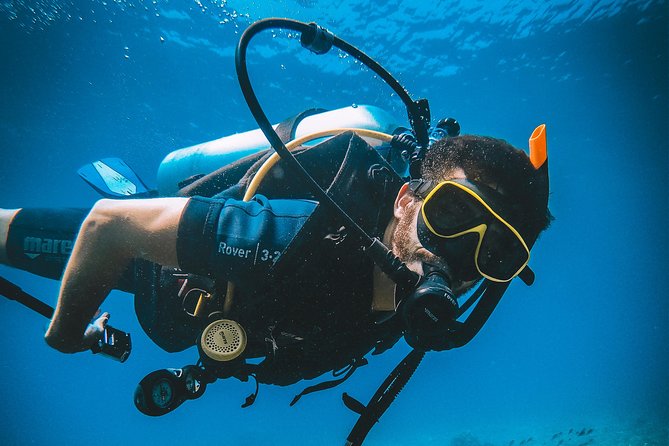
Koh Tao is a smart place to learn scuba. The island offers warm tropical water, coral, fish, and a course built for complete beginners. You spend about 2.5 days moving from classroom lessons to five supervised underwater sessions, with an instructor guiding you at every stage.
I like the small groups, limited to four students per instructor, and the strong personal support. I also like the course pace: the first day is mostly learning and practice, while the next two days let you build confidence before the final exam. The main drawback is the fixed schedule. You need good weather and enough time on Koh Tao, and the booking is non-refundable if you cancel.
Key points before you book
- Five underwater sessions: One initial water session, followed by four open-water sessions across the next two days.
- Small teaching groups: A maximum of four students per instructor, with a Dive Master or assistant also present.
- Beginner-friendly certification: No previous scuba experience is required.
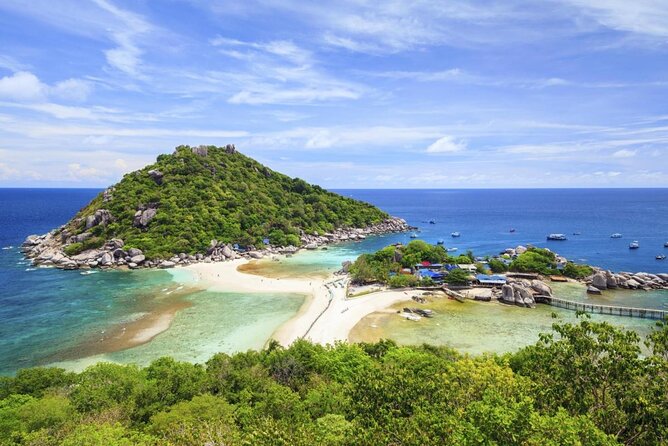
- Nang Yuan Island stop: The course itinerary includes Nang Yuan Island, one of Koh Tao’s best-known nearby settings.
- International qualification: The certificate permits scuba to 18 meters and is valid internationally for life.
- Personal instructor support: Instructors such as Natasha, George, Tomas, Esn, Jess, Tyler, Jony, Mind, Joaco, Jessy, Pat, and Malena have worked with students on the course.
Why Koh Tao works for a first scuba course
Koh Tao is not only a beach stop. It is also one of Thailand’s major places to begin scuba training, and this course makes good use of that setting. You learn in a small tropical island environment rather than in a crowded city pool, with coral, fish, and clear water waiting once your basic skills are in place.
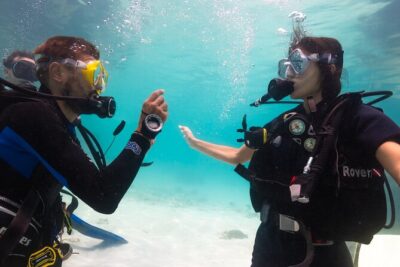
That matters when you are nervous. Your first underwater breaths can feel odd, and simple tasks such as clearing your mask or managing pressure in your ears take concentration. The course is designed to build those skills step by step, with your instructor close by throughout.
You do not need previous experience. You do need to be ready to listen, practice, and stay calm while learning something new. The course is aimed at beginners, including older students. One student specifically described completing the training at age 50, which is a useful reminder that this is not limited to young backpackers.
The official price is $376. That is a sizeable part of a Thailand trip budget, but you are paying for a full certification course rather than a one-time introductory session. The package includes theory, five water sessions, instructor supervision, and the final exam. For someone who wants to continue scuba on future trips, the lifetime international qualification gives the price practical value.
More Scuba Diving in Koh Tao
- Open Water Course – Become certified diver in 3 days
★ 5.0 · 1,137 reviews - Advanced Adventurer – 2 days ( Advanced Open Water)
★ 5.0 · 206 reviews - Basic Diver ( One Day Experience)
★ 5.0 · 205 reviews
Day one: classroom work and your first water session
The first morning begins with theory. This is not filler before the real activity. You learn the basic rules, equipment use, underwater communication, and safety procedures that allow you to make sensible decisions below the surface.
Pay attention here, especially if you are tired from arriving on Koh Tao. The knowledge from the classroom becomes useful very quickly. You will need to understand how to use the equipment, follow your instructor’s signals, and respond to common situations before moving farther from shore or into open water.
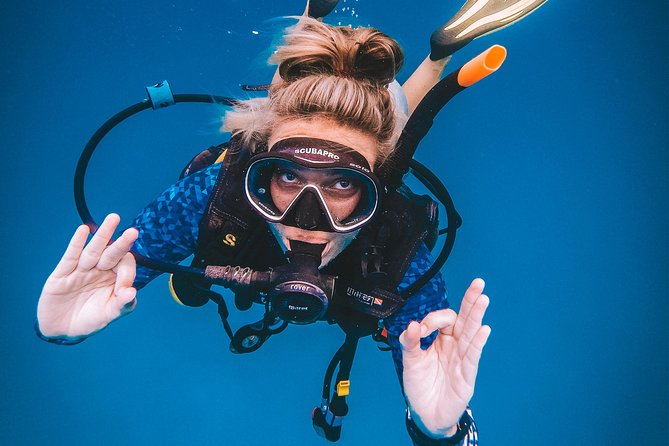
Your first water session takes place in the afternoon. This gives you time to absorb the morning lessons instead of rushing straight from a briefing into a full set of open-water sessions. The gradual start is helpful if you feel uneasy about breathing through a regulator or managing your buoyancy.
Small groups make a real difference on this first day. With no more than four students per instructor, you should have a better chance to ask questions and receive corrections. A Dive Master or assistant also accompanies the group, adding another trained person to the session.
The course is taught by instructors from DPM Diving’s own professional training department, an SSI Instructor Trainer Center. You might be assigned someone such as Natasha, Jess, Tyler, Jony, Mind, Joaco, Jessy, Pat, or Malena, depending on the schedule and language needs. Students have also praised the helpful communication from George and Tomas during registration and preparation.
Day two: two open-water sessions around Koh Tao
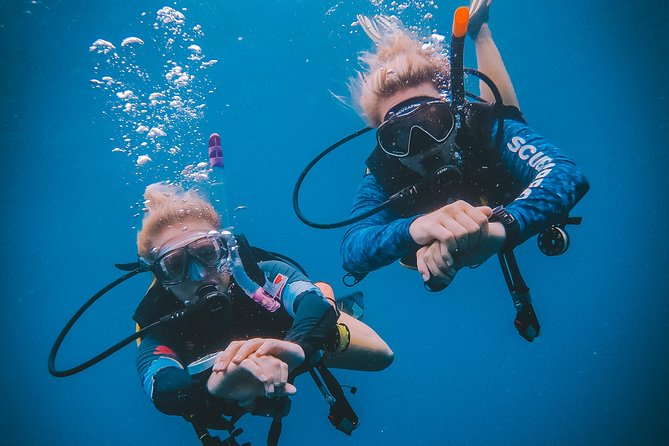
Day two brings the main transition from controlled practice to open-water training. After the classroom work is complete, you take part in two open-water sessions under direct instruction.
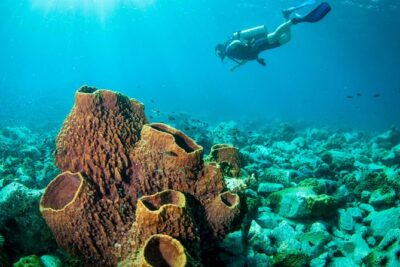
This is where the course starts to feel like a real underwater adventure. Koh Tao’s setting gives you the chance to see tropical fish and coral while you continue practicing the core skills required for certification. The scenery is a welcome reward, but the training remains the priority.
You should expect your instructor to keep checking your comfort and technique. If your ears have trouble equalizing, tell the instructor early rather than forcing the issue. One student arrived worried about ear pressure and still completed the course after receiving close attention from the instructors. That is the right approach: communicate clearly, go slowly, and do not treat discomfort as something to ignore.
The two-session format also lets you learn from the first outing. You may feel more relaxed with the equipment during the second session, and tasks that seemed awkward at first can become easier with repetition. The course is not built around showing off. It is built around making you capable and calm enough to continue safely.
Nang Yuan Island and the appeal of the setting
Nang Yuan Island appears in the course itinerary and adds a memorable setting to the program. It is associated with the best-known scenery around Koh Tao, and its inclusion gives the course more than a series of technical exercises.
The useful thing about learning in this kind of environment is that the natural surroundings help keep the experience enjoyable. You are not simply working through a checklist. You are learning skills in tropical waters where coral and fish may appear during your sessions.
The exact timing of the Nang Yuan visit is not specified, so do not build a separate island day around it. Treat it as part of the course program and ask DPM Diving for the current schedule when you arrive. Weather and sea conditions can affect the plan.
Same base, a completely different sort of day out:
- Koh Tao: Islands Snorkeling Highlights Day Tour & Lunch
★ 4.7 · 3,742 reviews - Full day snorkeling adventure around Koh Tao
★ 5.0 · 2,300 reviews - Koh Tao: Koh Nangyuan & Hidden Bays Snorkeling Tour w/ Lunch
★ 4.6 · 912 reviews - Ko Tao: Tao-Nangyuan Snorkeling Day Trip with Meals & Sunset
★ 4.6 · 711 reviews
Day three: final sessions and the certification exam
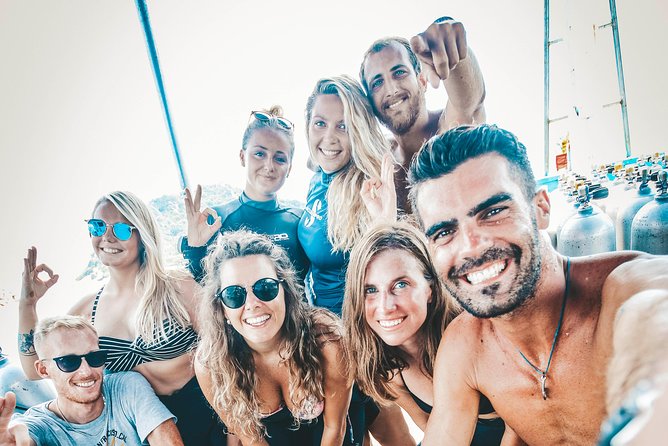
The last day usually begins with two final open-water sessions. These are often scheduled in the morning, and the course generally finishes around midday with a short exam.
By this point, you have completed classroom study, a first water session, and two further open-water sessions. The final pair gives you a chance to show that you can use the skills with greater independence while still receiving instructor support.
The exam is short, but you should not dismiss it. The point is to confirm that you understand the safety information and basic knowledge covered during the course. If you have kept up with the classroom work and asked questions when something was unclear, it should feel like a final check rather than a surprise.
Once certified, you can scuba anywhere in the world to a maximum depth of 18 meters. The qualification has international and lifetime validity. That does not mean every operator will accept every certification arrangement without checking, but it does make the course useful well beyond Koh Tao.
What the small-group format really changes
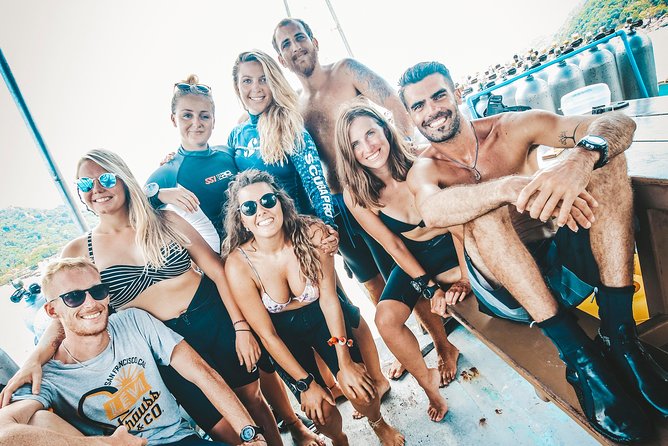
A group limit of four students per instructor is one of the strongest features here. In a larger class, you may spend more time waiting for attention or trying to copy what everyone else is doing. A small group gives the instructor more opportunity to watch your technique and respond to your concerns.
This matters most for first-time students. You may need extra help with ear pressure, buoyancy, equipment, or simply getting comfortable underwater. The instructors have been praised for being friendly, patient, and reassuring, with several students naming individual teachers such as Natasha, Malena, Jess, Tyler, Jony, Pat, and Joaco.
The extra Dive Master or assistant is another practical plus. You are not left to manage the group on your own, and there is another trained person present during the sessions. That does not remove your responsibility to listen and follow instructions, but it adds useful support.
The small-group promise is also worth confirming at booking if the exact group arrangement matters to you. The stated maximum is four students per instructor, with a Dive Master or assistant accompanying the group.
Safety, comfort, and the right mindset
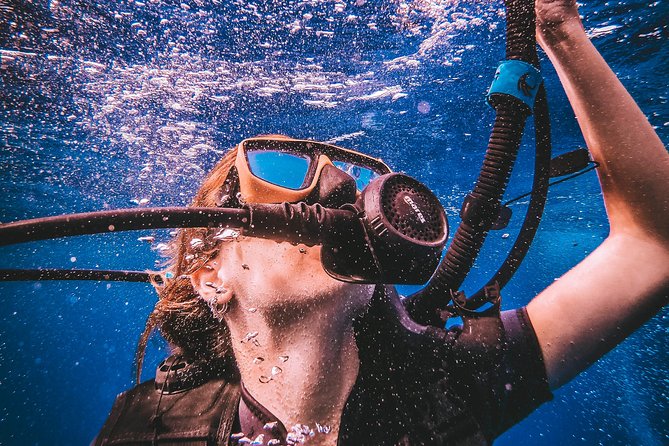
This is a supervised training course, not a casual boat outing. Safety comes first, and the instructors are described as trained through DPM Diving’s professional department. You still need to take the course seriously.
Arrive ready to learn rather than expecting constant sightseeing. You will spend time in class, practice skills, repeat exercises, and follow instructions. The reward comes when the routine starts to feel natural and you can focus more on the fish and coral around you.
If you are anxious, say so. Students have completed the course after concerns about ear pressure, confidence, and first-time nerves. Good instruction can help, but no instructor can make physical discomfort disappear. Be honest about how you feel and allow yourself time to adjust.
The course suits solo visitors particularly well. The small-group setup makes it easier to meet other new scuba students, and people have made friends during the program. It also suits couples and friends who want a shared qualification, although this is described as a private activity for your group.
Languages, instructors, and the human side
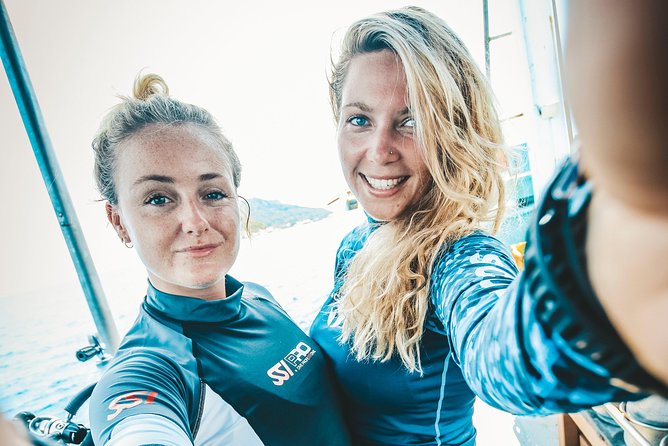
The school offers instruction in multiple languages, which can be important when technical terms and safety procedures are involved. Ask about language availability before starting if you need instruction in a specific language.
The instructor names connected with the course include Natasha, Esn, Jess, Tyler, Jony, Mind, Joaco, Jessy, Pat, and Malena. George and Tomas have also helped students with communication and registration. The personal attention is a repeated strength of the experience.
A friendly teaching style matters here. You are learning skills that require trust, and you need to feel comfortable admitting when you do not understand something. The best instructor for you is not simply the most entertaining person. It is the one who explains clearly, watches carefully, and lets you progress at a sensible pace.
Timing, meeting point, and practical planning
The course starts and ends at DPM Diving Koh Tao, at 1 Tambon Village or building, 9 Soi DPM Diving, Koh Tao, Surat Thani 84360. The activity ends back at the meeting point.
It lasts approximately two days and twelve hours, spread across three calendar days. Plan to remain on Koh Tao for the full schedule. Avoid booking a ferry, flight, or major onward connection immediately after the final session, since weather or timing changes can affect the day.
The meeting point is near public transportation, and confirmation is provided when you book. A mobile ticket is available, which makes arrival simpler if you are using your phone rather than printing documents.
Good weather is required. If poor weather causes cancellation, you are offered another date or a full refund. In contrast, the normal cancellation rule is strict: the course is non-refundable and cannot be changed for any reason after booking. That makes flexible trip planning important.
Who should choose this course
You should consider it if you want a recognized qualification rather than a single short underwater trial. It is suited to first-time students, solo visitors, couples, and friends who can give three days to the process.
It is also a good choice if personal instruction matters to you. The four-student maximum offers more support than a large group class, and the extra Dive Master or assistant adds another layer of supervision.
You may want to reconsider if your schedule is tight or your plans on Koh Tao are uncertain. The course has fixed stages, requires suitable weather, and cannot normally be changed or refunded. It is also not the right pick if you only want a relaxed boat trip with no classroom work or exam.
Should you book the Koh Tao Open Water Course?
Book it if you want to leave Koh Tao with a lifetime international Open Water qualification and you can commit to the full 2.5-day schedule. The strongest reasons are the small classes, five supervised water sessions, multilingual instruction, and the patient personal support associated with instructors such as Natasha, Jony, Jess, Tyler, and Malena.
At $376, it is not a throwaway activity, but the price makes more sense when you count the theory, five sessions, supervision, and certification. Just protect your schedule, understand the strict cancellation terms, and allow extra time around the course. For a first step into scuba, this is a practical and well-supported way to begin in Koh Tao.
FAQ
How long does the Open Water Course take?
The course lasts approximately two days and twelve hours, spread across three days.
How many underwater sessions are included?
The program includes five sessions in total: one water session on day one, two open-water sessions on day two, and two final sessions on day three.
Do I need previous scuba experience?
No. The course is designed for beginners, and no previous experience is required.
How deep can I scuba after certification?
The Open Water certification allows you to scuba anywhere in the world to a maximum depth of 18 meters.
Is the certification valid internationally?
Yes. The qualification has international and lifetime validity.
How many students are in each group?
There can be a maximum of four students per instructor. A Dive Master or assistant also accompanies the group.
Where does the course start and finish?
It starts at DPM Diving Koh Tao, 1 Tambon Village or building, 9 Soi DPM Diving, Koh Tao, Surat Thani 84360, Thailand, and finishes back at the meeting point.
Is the course available in different languages?
Yes. Instruction is available in multiple languages. You should confirm the available language when arranging your course.
What happens if bad weather cancels the course?
If poor weather causes cancellation, you are offered another date or a full refund. Normal cancellations or requested changes are non-refundable.
Just added around Koh Tao
- Snorkeling Tour with meals and BBQs – Cocktail – Sunset⭐⭐⭐⭐⭐★ 5.0 · 105 reviews
- Koh Tao: Snorkeling and Sunset Tour★ 4.8 · 118 reviews
- Koh Tao: Yoga Class In Paradise – All Levels Welcome!★ 4.8 · 30 reviews
- Koh Tao: Golden Hour Getaway – Your Late Start to Paradise★ 4.7 · 13 reviews
- Koh Tao: First Light Snorkel Adventure with Oxygen Tours★ 4.7 · 38 reviews
- From Samui: Koh Tao and Nangyuan Snorkeling Tour Day Trip★ 4.2 · 9 reviews
- Ko Tao: Late Riser Snorkeling Tour with Lunch and Photos★ 4.6 · 135 reviews
- Ko Tao: Morning Trip to Ko Nangyuan’s Serene Oasis by Oxygen★ 4.9 · 18 reviews
Scuba Diving, compared.
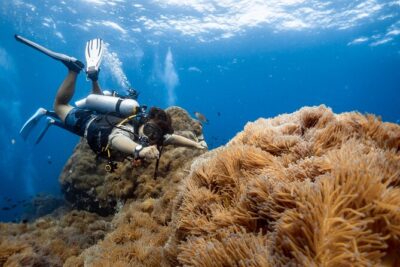
Open Water Course – Become certified diver in 3 days
Read our review →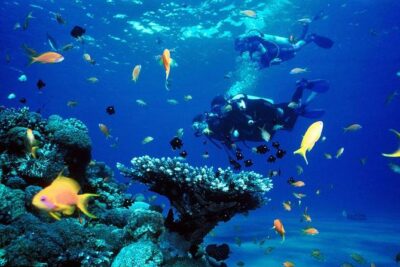
Full-Day Beginner Scuba Course with Private Tuition, Racha Yai
Read our review →
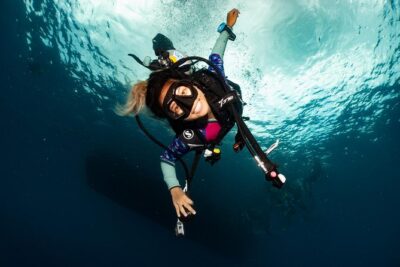
Advanced Adventurer – 2 days ( Advanced Open Water)
Read our review →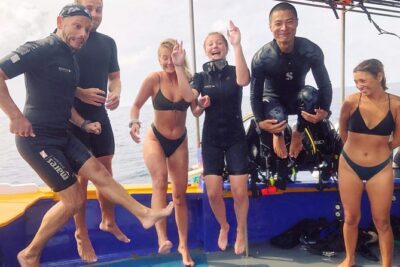
Padi open water diver course, become a diver in 3 days
Read our review →Browse the lists this tour appears in