
Reviewed · ELEPHANT SANCTUARIES
Half-Day Elephant Experience at Rantong
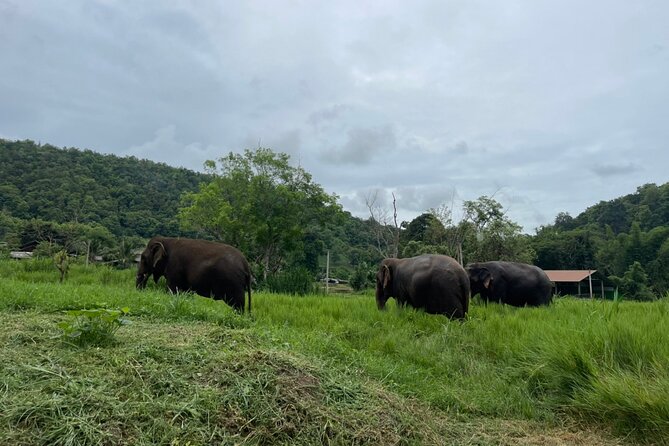
Ran-Tong gives you close contact with rescued elephants without elephant riding. You learn how the center cares for pregnant, injured, and older animals, then make vitamins, feed them, walk beside them, and help with their bath.
I like the small groups of up to 15 and the chance to choose a morning or afternoon start. I also like the practical touches: Karen-style clothing, boots, changing space, showers, towels, and a Thai meal with fruit.
The main drawback is the drive. Chiang Mai pickup and return can take about an hour each way, and van comfort and driving standards may vary. A few departures have also involved late pickups or long waits on the return.
What makes this elephant experience worth considering
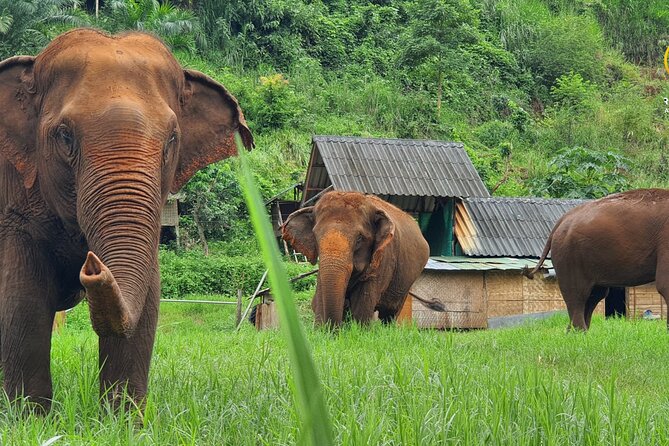
- Hands-on care rather than riding: You help make elephant vitamins, feed the animals, walk with them, and assist during bath time.
- A useful introduction to elephant welfare: The opening elephant school explains the center’s work and how to behave around large animals.
- Small-group attention: Groups are capped at 15, and guides often help with photos and individual questions.
- Wet, muddy fun: You may need sandals, spare clothes, and shoes you do not mind getting dirty.
- Hotel pickup from Chiang Mai: You avoid finding a rural meeting point, though the road journey takes time.
- A complete half-day outing: Thai food, seasonal fruit, drinking water, changing facilities, and showers are part of the day.
Meeting rescued elephants near Mae Taeng
This is not a quick photo stop beside a roadside elephant. The Ran-Tong Save & Rescue Elephant Centre sits in Mae Taeng District, about an hour north of Chiang Mai by van. The setting gives the animals more room than a city attraction, and the visit is built around their daily care.
The experience lasts about five hours from pickup to return. That sounds short enough to fit neatly into a Chiang Mai itinerary, but remember that a large share of the day is spent on the road. Pickup and drop-off from accommodations in Chiang Mai make the timing easier, especially if you do not have a car.
You can choose a morning or afternoon departure. The morning option is useful if you want the rest of the day in Chiang Mai, while the afternoon option may suit a slower start. Exact pickup times depend on your accommodation and the other people being collected around the city.
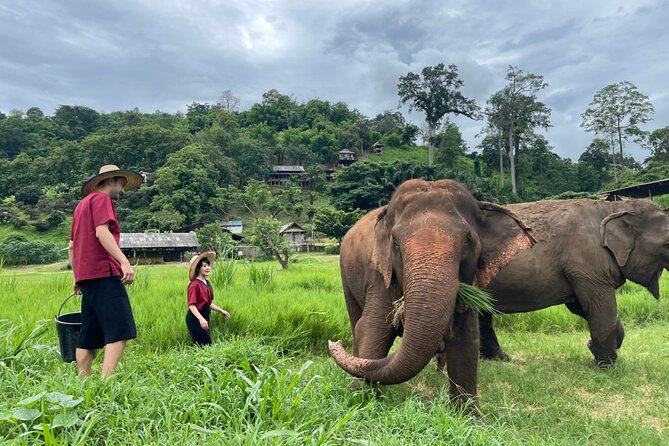
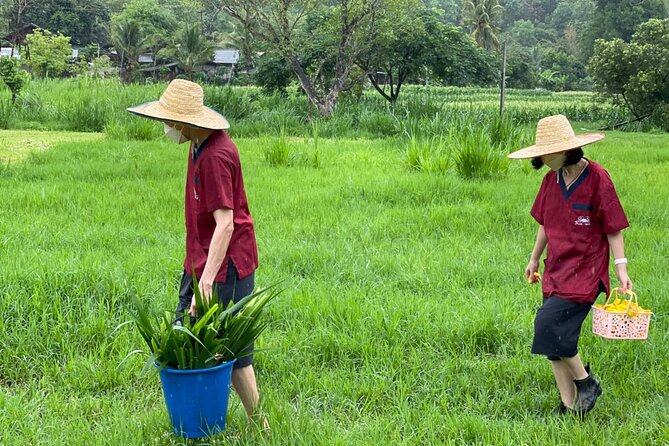
At the center, you change into Mahout-style Karen clothing before the main program begins. This is practical, not just decorative. Elephant care can involve water, mud, food, and plenty of contact with the ground, so you should not arrive in clothing you want to keep spotless.
More Elephant Sanctuaries in Chiang Mai
- Chiang Mai: Elephant Sanctuary, Waterfall & Bamboo Rafting
★ 4.9 · 9,160 reviews - Chiang Mai: Elephant Sanctuary & Waterfall Group Tour
★ 4.9 · 5,780 reviews - Chiang Mai: Elephant Sanctuary Feeding Program Half-Day Tour
★ 4.8 · 4,527 reviews
The elephant school sets the tone
The first formal activity is an elephant school. You learn about the center, the animals, and the way to behave around them before getting too close. That early briefing matters because elephants are powerful, social animals, and a good visit depends on giving them space and following staff instructions.
The guides explain elephant behavior and individual personalities as the day unfolds. Guides named Seven, Rambo, Nikon, Oh-Oh, and Dang have led different sessions, and the strongest part of their work is making the visit easy to understand without turning it into a lecture.
You should expect clear instructions about feeding, walking, and bathing. The center’s approach, as described during the visit, lets the elephants set the pace. If an animal moves away, you are not expected to force it back for a photograph.
That point changes the feel of the experience. You are not watching a staged performance with a fixed routine. Instead, you take part in ordinary care tasks while the elephants remain the focus.
Making vitamins for older and injured elephants
One of the more useful details is the vitamin-making session. You help prepare vitamins for elephants that are pregnant, injured, or old. This gives you a better sense of the work behind a rescue center, where care is not limited to feeding and washing animals for visitors.
The activity also adds context to the elephant encounter. You see that some animals need extra attention because of age or past injury, and you learn that keeping a rescued elephant healthy requires regular food, monitoring, and staff time.
The exact handling of the vitamins may vary by group and by the animals present that day. Follow the guide’s instructions closely, especially if food is being handed directly to an elephant.
Feeding and walking with the elephants
Feeding is usually the first moment when the size of the animals feels real. Elephants take food directly from your hands, and you quickly learn to keep your fingers positioned as instructed. The guides help you approach calmly and avoid sudden movements.
You may work with more than one elephant during the visit. That gives you a chance to notice different temperaments rather than treating the animals as identical photo props. Some may be eager for food, while others may take their time or wander off.
The walking section lets you see the elephants moving through their surroundings instead of remaining in one place. You follow at the group’s pace, with staff nearby to explain behavior and keep the interaction controlled.
This is also where group size matters. A maximum of 15 people is not private, but it is small enough for a guide to give instructions, answer questions, and help with photos. Larger groups would make feeding and walking feel more crowded.
Several guides have also taken photos and videos for solo participants. That is a small but valuable service, since you can stay involved instead of constantly holding your phone out for a picture.
Same base, a completely different sort of day out:
- Half-Day Thai Cooking Class at Organic Farm in Chiang Mai
★ 5.0 · 19,087 reviews - Chiang Mai: Cooking Class, Market & Thai Herbs Garden Tour
★ 4.9 · 4,824 reviews - Chiang Mai: Authentic Cooking Class with Market & Farm Visit
★ 4.9 · 4,546 reviews - Thai and Akha Cooking Class in Chiang Mai
★ 5.0 · 4,358 reviews
Bath time is the wettest part of the day
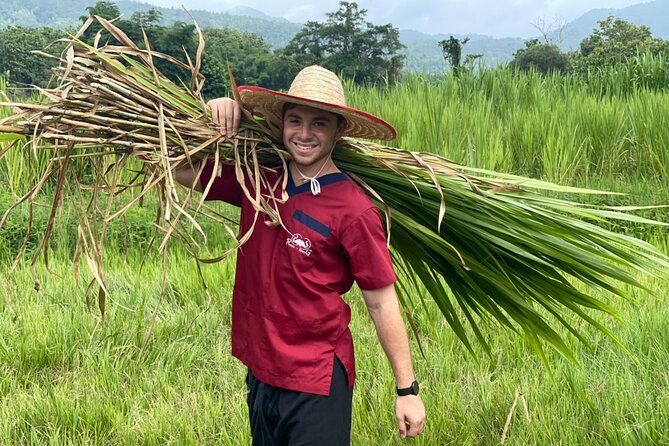
The bath is the most playful section, but it is also the part that demands the most preparation. You may help bathe the elephants in water and watch them take their baths in conditions intended to be close to their natural habitat.
Do not treat this as a guaranteed performance. The animals may respond differently on each visit, and staff instructions come first. The best approach is to enjoy the contact while accepting that the elephant decides how long to stay.
Bring sandals or shoes you do not mind getting wet and dirty. Spare clothes are essential, and the center provides clothing and boots according to the practical arrangements described for the experience. Shampoo, soap, mosquito spray, and a camera are also suggested.
After the elephant activities, you can change and shower. Facilities have been described as clean and spacious, with towels and shower gel available in some sessions. Pack your own essentials anyway, since supplies and arrangements can change.
Thai food makes the half-day feel complete
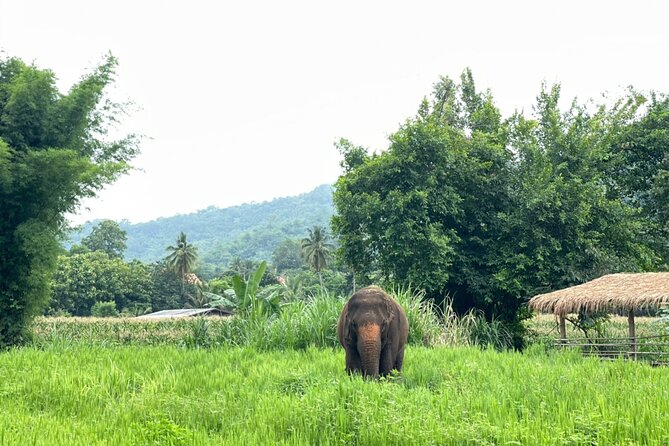
Food is served after the elephant activities. The meal includes Thai food, seasonal fruit, and drinking water, with pad Thai specifically served on some visits. Portions have been described as generous, and asking for seconds has been possible during some meals.
This is more than a nice extra after a muddy morning. A half-day at an outdoor center can leave you hungry, and having food on site means you do not need to plan a separate lunch or dinner immediately afterward.
The meal also gives you a natural pause before the return drive. You can change, shower, eat, and collect your belongings instead of climbing straight into the van after bath time.
The ride from Chiang Mai deserves careful thought
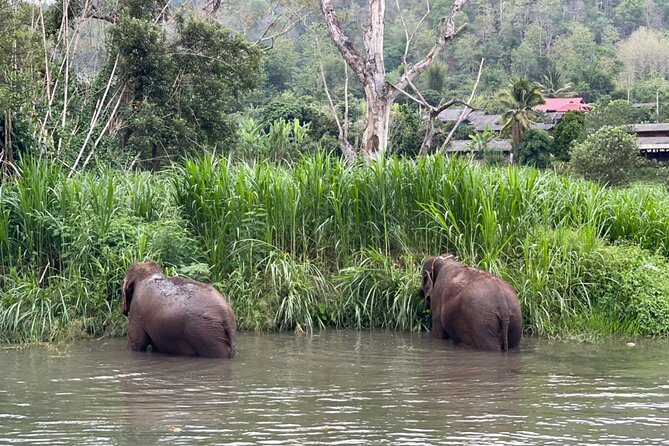
Hotel pickup is one of the strongest practical features. You are collected from your accommodation in Chiang Mai city, driven to Mae Taeng, and returned afterward. There is no need to arrange a taxi to a meeting point outside town.
The drive takes about an hour each way, though some accounts place it closer to 45 minutes. Pickup involves collecting other people from around the city, so the total door-to-door time may stretch beyond the advertised five-hour activity.
Van comfort is the weakest part of the package. Some departures have had crowded seating, which can be uncomfortable for taller people, and a few reports describe rough or unsafe driving. Delays have also occurred because of traffic, including a long wait for a return pickup in one case.
I would confirm your pickup details and allow extra time after the scheduled return. If you are sensitive to motion, bring water and any usual travel aids. The elephant program itself receives far stronger praise than the transport, so keep that distinction in mind when deciding.
How the $58.70 price compares with the experience
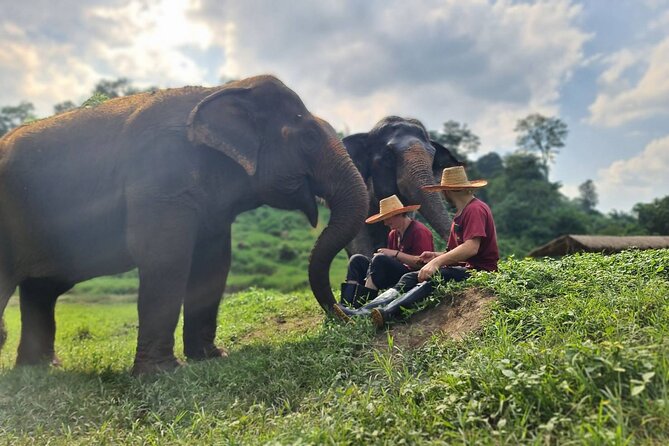
At $58.70 per person, this is not just an admission ticket. The price includes hotel transport, a roughly five-hour program, staff instruction, elephant care activities, food, fruit, water, and changing or shower arrangements.
The value is strongest if you want an organized visit and do not have your own transport. Hiring separate transport to Mae Taeng, arranging food, and finding a reputable center could easily make a self-planned visit less simple, even before counting your time.
The price also covers a full schedule of activities rather than a short feeding session. You make vitamins, meet the elephants, feed them, walk with them, take part in bath time, eat, and clean up before returning to town.
I would not choose it solely because it is inexpensive. The key question is the type of contact you want. If you want to ride elephants or watch tricks, this is the wrong choice. If you want close interaction built around feeding, walking, and bathing rescued animals, the cost is reasonable.
Who will enjoy this most
This experience suits first-time elephant visitors who want clear guidance and plenty of contact. Families can take part, and the program has been described as safe for children, though adults should stay alert and make sure children follow every instruction around the animals.
It also works well for solo visitors. Small groups make it easier to join activities, and guides may help take photos and videos. Couples and families should bring a dry change of clothes for everyone, not just the people who plan to enter the water.
You should be comfortable with a rural drive, muddy footwear, wet clothes, and a schedule shared with other people. The center is not the right fit if you need a private tour, dislike long van rides, or want a quiet viewing-only experience.
The program is also less suitable if you expect complete control over the encounter. Elephants may walk away, change pace, or show little interest in a particular activity. That unpredictability is part of treating them as animals rather than performers.
Practical preparation for a smoother visit
Pack light, but bring the items that matter:
- Spare clothes for after bath time
- Sandals or shoes that can get wet and dirty
- Comfortable walking shoes
- Shampoo and soap
- Mosquito spray or insect repellent
- A camera or phone in a waterproof pouch
- Water if you prefer having your own supply
Wear something easy to change out of. You will be given or shown suitable clothing for the activity, but a dry outfit for the trip back to Chiang Mai will make the return ride much more comfortable.
Keep your phone protected around the water. The guides may take pictures for you, but you should still assume that any personal device could get splashed.
The tour requires a minimum number of participants. If that number is not reached and the outing is canceled, you can be offered another date or experience, or receive a full refund. You can cancel for a full refund up to 24 hours before the start time, while changes or cancellations inside 24 hours are not refunded.
Should you book the Ran-Tong half-day?
I would book this if your ideal elephant experience includes feeding, walking, and bathing, with no riding and a clear focus on care. The strongest parts are the staff guidance, the small-group format, the vitamin-making session, and the chance to see the elephants at their own pace.
I would hesitate if transport comfort is a major concern. The drive is long enough to matter, and van space and driving quality can vary. Ask about pickup timing, keep your afternoon or evening flexible, and do not schedule a tight connection afterward.
For most people visiting Chiang Mai, this is a practical way to spend half a day with rescued elephants. Just remember that the best moments come from patient, respectful contact, not from forcing an animal to pose or perform.
FAQ
Where is the Ran-Tong elephant experience located?
Ran-Tong Save & Rescue Elephant Centre is in Mae Taeng District, outside Chiang Mai. The drive from Chiang Mai city takes approximately one hour.
How long does the experience last?
The experience lasts about five hours, including the activities at the center and the hotel pickup and return journey.
Is hotel pickup included?
Yes. Pickup and drop-off are offered from accommodations in Chiang Mai city.
Can I choose a morning or afternoon start?
Yes. You can select a morning or afternoon start time.
How many people can join the group?
The maximum group size is 15 participants.
What activities are included with the elephants?
You learn about the center, make vitamins, meet and feed the elephants, walk with them, and help bathe them.
Is elephant riding included?
No. The activities described include feeding, walking, and bathing, but not riding.
Is food included?
Yes. The meal includes Thai food, seasonal fruit, and drinking water.
What should I bring?
Bring spare clothes, comfortable shoes, sandals that can get wet and dirty, shampoo, soap, mosquito spray or insect repellent, and a camera.
Just added around Chiang Mai
- Chiang Mai Best City Tour with Doi Suthep & Iconic Temples★ 4.5 · 24 reviews
- Chiang Mai Michelin Food Walking Tour with Professional Tour Guide★ 4.5 · 13 reviews
- Private Chiang Mai Temple Tour with Doi Suthep and Wat Umong★ 5.0 · 52 reviews
- Secret Waterfall and Bamboo Rafting from Chiang Mai★ 5.0 · 30 reviews
- Bua Tong Waterfall Adventure& Huge Cave included Thai Buffet Tour★ 4.5 · 28 reviews
- Chiang Mai Sak Yant Tattoo By Ajarn Tu★ 5.0 · 25 reviews
- Chiang Mai Airport Transfer by Private Van – Arrival or Departure★ 4.5 · 11 reviews
- Chiang Mai Scavenger Hunt and Sights Self-Guided Tour★ 5.0 · 8 reviews
Elephant Sanctuaries, compared.
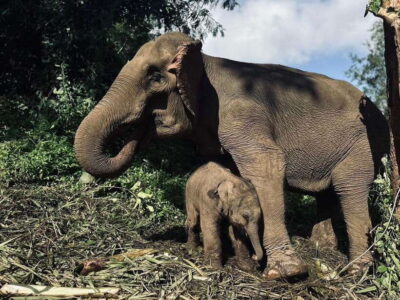
Elephant Sanctuary, Waterfall & Bamboo Rafting
Read our review →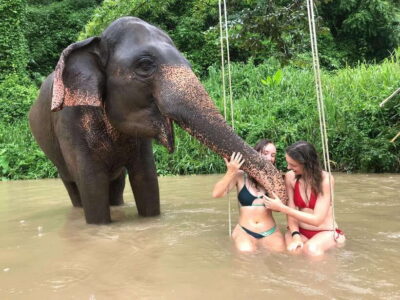
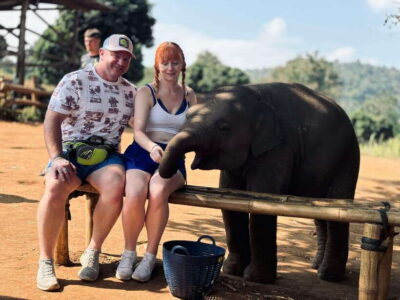
Elephant Sanctuary Feeding Program Half-Day Tour
Read our review →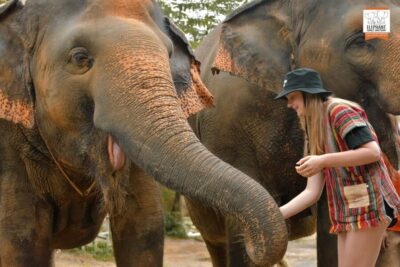
Elephant Jungle Sanctuary Ethical Feeding Experience
Read our review →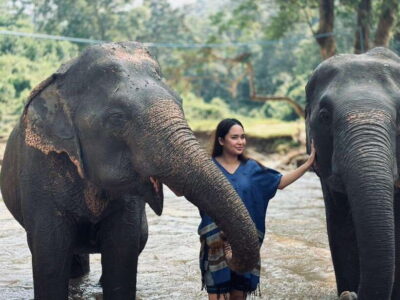
Elephant Sanctuary, Long Neck & Sticky Waterfall
Read our review →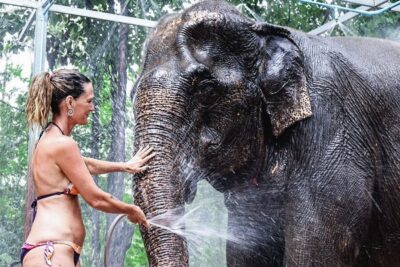
Elephant Bathing Session at Krabi Elephant Shelter
Read our review →
Elephant Sanctuary Guided Tour with Hotel Transfers
Read our review →
Browse the lists this tour appears in