
Reviewed · ELEPHANT SANCTUARIES
Elephant care program at Chiangmai Elephant Care
The best part of this Chiang Mai elephant program is its simple idea: the elephants set the pace. You do not ride them, and the activities focus on feeding, preparing herbal supplements, and watching the animals walk and socialize. Guides including Ford, Tom, Todd, and Tong are praised for explaining elephant care in clear, friendly English.
I like the small maximum group of 12, which gives you a better chance to ask questions and spend useful time near the elephants. I also like the practical setup: hotel pickup, an air-conditioned vehicle, lunch, water, and a uniform are included. The main thing to keep in mind is that bathing or getting into the water with the elephants is not guaranteed. Some visits include water activities, while others focus on observing the animals from land.
Key points to know before you go
- No elephant riding: The program presents the animals as rescued elephants that are free to walk, socialize, and choose their own activity.
- Hands-on care without a circus show: You may feed the elephants and help prepare traditional organic herbal supplements.
- Small group format: The maximum is 12 people, a useful limit for questions and close observation.
- A 1.5-hour drive each way: The route passes through agricultural areas outside Chiang Mai, so transport takes a good part of the morning.
- Water activities can vary: Bring a swimsuit, sandals, and towel if you hope to get wet, but do not book this expecting a guaranteed elephant bath.
- Good half-day value: At $52 per person, the package includes transport, lunch, water, fees, taxes, insurance, and a guide.
Why this elephant program feels different
Elephant tourism in northern Thailand can be confusing. A place may use the word sanctuary while still offering riding, shows, or forced bathing. This program takes a gentler approach. The stated rule is no riding, and the elephants are observed as they roam and socialize rather than being made to perform.
That difference matters. You still get close enough to feed the animals and watch their behavior, but the experience is less about collecting a dramatic photo and more about seeing how a care facility works. You may help make protein or herbal supplement balls, learn how food is prepared, and watch the elephants choose where to move.
The group may include only a few elephants. Reports describe visits with three elephants and a baby, while other outings involved two adult female Asian elephants. That smaller number can feel intimate, but it also means the experience is not a large reserve with herds spread across wide acreage. If your dream is to see dozens of elephants, this may feel modest. If you prefer a quieter setting, the limited number is a benefit.
The tone is friendly and hands-on, but not polished like a theme park attraction. Expect a working care facility in a rural setting. You will likely get muddy, and rubber boots may be provided for some activities. This is a place to watch animals and help with basic care, not a formal zoo with a fixed show schedule.
More Elephant Sanctuaries in Chiang Mai
- Chiang Mai: Elephant Sanctuary, Waterfall & Bamboo Rafting
★ 4.9 · 9,160 reviews - Chiang Mai: Elephant Sanctuary & Waterfall Group Tour
★ 4.9 · 5,780 reviews - Chiang Mai: Elephant Sanctuary Feeding Program Half-Day Tour
★ 4.8 · 4,527 reviews
The 8:00 a.m. pickup and the countryside drive
Pickup is scheduled from your hotel lobby in Chiang Mai between about 8:00 and 8:30 a.m. The exact timing depends on your location and the day’s route, so be ready before the stated window. The return to the city is expected around 2 p.m., making this a useful half-day plan.
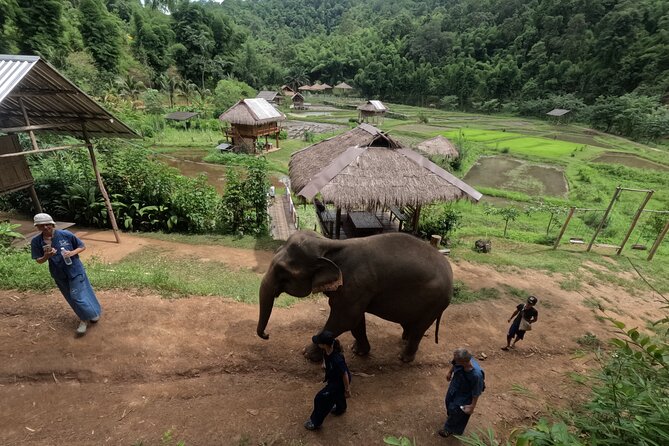
Transport is in an air-conditioned vehicle. The drive to the facility takes roughly 1.5 hours and passes through agricultural areas outside Chiang Mai. This is not wasted time. You get to leave the city behind and see a quieter side of northern Thailand, though anyone prone to car sickness should plan ahead because the total time on the road is substantial.
Guides such as Todd are known for talking about local traditions during the drive, while others, including Tom, Ford, and Tong, help explain the day’s activities. Guide assignments can change, so you should not book solely on the promise of one particular person. Still, the guide role is important here. Good explanations help you understand why elephants behave as they do and why the program avoids forcing them into set actions.
Pickup and drop-off are included, which adds real value at this price. You do not need to arrange a separate taxi to a rural facility or worry about finding your way back after muddy outdoor activities.
Changing into a mahout-style uniform
On arrival, you change into a mahout-style uniform. It is practical rather than decorative. The clothing protects your own outfit from mud, food, and water, while giving the group a common look for the day.
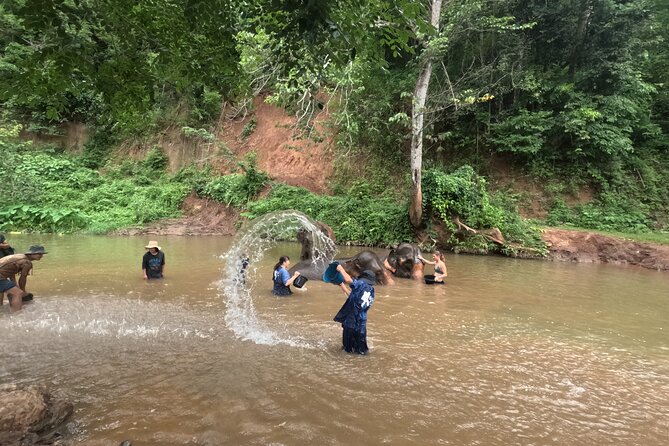
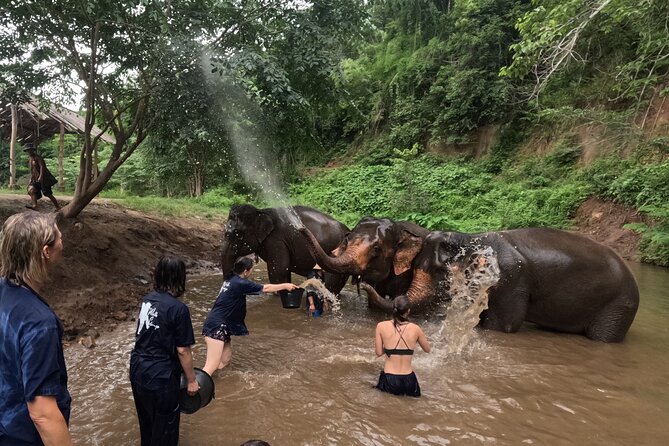
Bring sunscreen and insect spray. Also pack a swimsuit, sandals, and a towel if you are comfortable with water activities. The supplied information is slightly mixed on this point. The program describes observing elephants as they roam and take baths, while several accounts describe washing or entering the water with them. Another visit did not include water contact. Treat bathing as a possible activity, not a promise.
The uniform change is also a useful signal about the kind of day ahead. You are not staying on a paved viewing platform. You will walk around an outdoor facility, possibly through wet or muddy areas, and get close enough to take part in feeding and care.
Learning how elephants are cared for
The first part of the visit introduces elephant behavior and basic care. You learn about the animals in a natural setting and hear about traditional organic herbal dietary supplements. The program also focuses on rescued elephants, so the conversation centers on welfare and daily needs rather than tricks.
This is where a good guide makes the difference. Ford is described as especially passionate about elephant welfare, and Tom is praised for his humor, care, and strong English. Todd is also known for explaining the animals and taking photographs for visitors. You can expect the guide to answer questions, but the precise depth of the talk may depend on your group and the day.
The setting gives you a better chance to watch ordinary behavior. Elephants may walk, feed, socialize, or simply pause. They are not guaranteed to pose or perform on command. That can make the visit feel slower than a standard attraction, but it is also the point.
Parents should note that children can take part, provided they can manage a moderate level of physical activity and follow safety instructions around large animals. A nine-year-old was reported to enjoy the activities, but the official guidance calls for moderate fitness. You will be walking outdoors, standing near elephants, and possibly dealing with mud or water.
Same base, a completely different sort of day out:
- Half-Day Thai Cooking Class at Organic Farm in Chiang Mai
★ 5.0 · 19,087 reviews - Chiang Mai: Cooking Class, Market & Thai Herbs Garden Tour
★ 4.9 · 4,824 reviews - Chiang Mai: Authentic Cooking Class with Market & Farm Visit
★ 4.9 · 4,546 reviews - Thai and Akha Cooking Class in Chiang Mai
★ 5.0 · 4,358 reviews
Feeding elephants and making herbal supplements
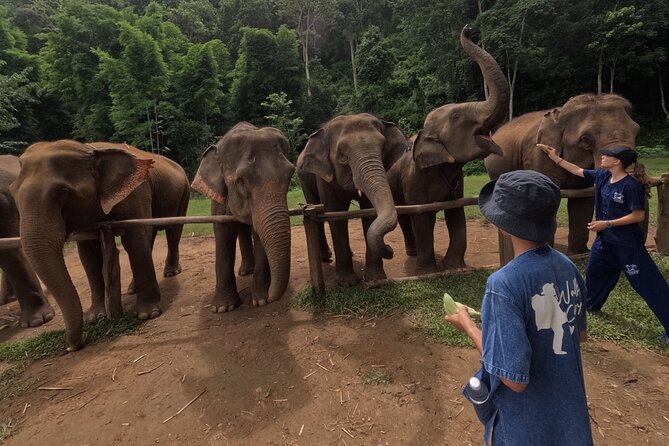
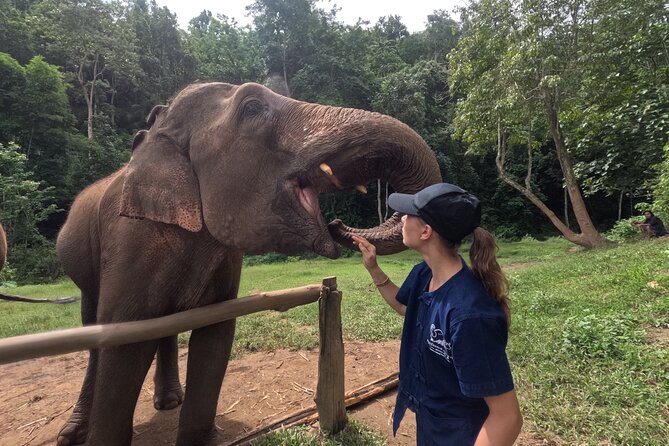
Feeding is one of the strongest parts of the program. You get close to the elephants and offer food under the guide’s direction. Their size can be startling when you are standing nearby, but the activity gives you a practical way to interact without climbing onto an animal or asking it to perform.
You may also help prepare protein supplements or herbal medicine balls. This adds useful context. Elephant care is not only about scenic walks and giant ears. Food, nutrition, and routine care are a major part of keeping rescued animals healthy.
The elephants are described as friendly and very interested in food, so expect plenty of trunks reaching toward the next offering. Follow the guide’s instructions closely. Do not treat the animals like oversized pets, even when they seem calm and eager. Their size alone demands attention.
The experience may include touching the elephants, but this should happen only when the guide allows it and the animal accepts it. The central appeal is proximity without coercion. You are near the elephants because they are comfortable enough to remain there, not because they are tied down for a photo.
Walking and observing the elephants at their own pace
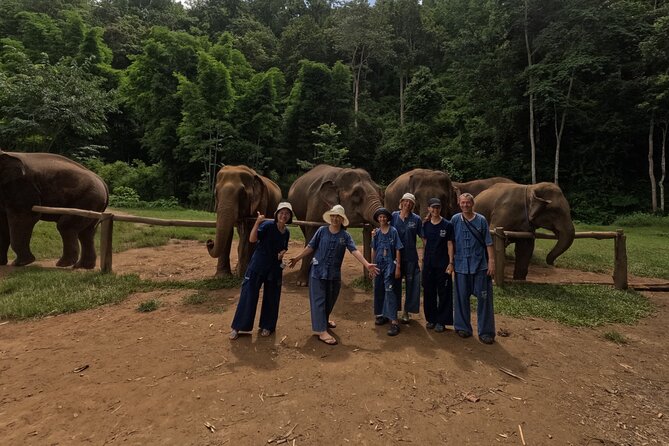
After feeding and care activities, you walk and observe the elephants around the facility. The aim is to see them behave in a more natural way, with room to roam and socialize.
This section can be the most rewarding for people who want to watch rather than constantly handle the animals. You might see an elephant move away from the group, follow another animal, or wander through the grounds. The experience is less predictable than a show, so patience helps.
The facility is described as scenic, cozy, and surrounded by nature, but it is not presented as a huge wilderness reserve. You may see only a few elephants during your visit. That can mean more focused time with each animal, though it also limits the range of behavior and personalities you will see.
A baby elephant called Lucky is mentioned in connection with some visits. A young elephant can be fun to watch, but the presence of a particular baby should not be assumed for every date. Animal care programs change as animals move, rest, or receive treatment.
Lunch, water, and the possible bathing session
Lunch is included, with pad thai and fruit mentioned as part of the meal. It is simple local food rather than a separate restaurant outing, but it fits the day well. After walking and feeding, having lunch provided means you do not need to carry a full meal or leave the facility.
Bottled water is included as well. Still, bring extra water if you need frequent drinks, especially in warm weather. Sunscreen and insect spray are listed as essential items, and both make sense for an outdoor program in northern Thailand.
If conditions and the day’s plan allow, you may take part in a water activity or watch the elephants bathe. Some people have washed elephants or entered the water with them. Others have had a land-based visit with no water contact. Ask before booking if this is the deciding feature for you.
This is not a weakness in itself. A program that refuses to force an elephant into the water is behaving more responsibly. The drawback is that you cannot guarantee the classic wet elephant photograph. Book this for ethical observation and care, with bathing as a bonus.
Is $52 a fair price?
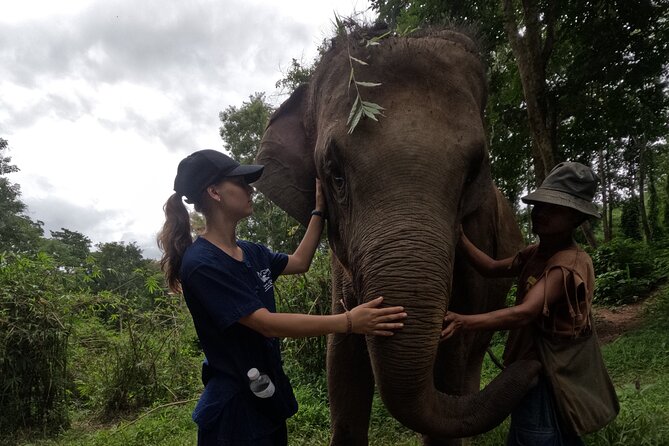
At $52 per person, I consider this a solid package for a six-hour outing. The fee covers hotel pickup and drop-off, an air-conditioned vehicle, lunch, bottled water, entrance and service fees, taxes, insurance, and the guide. You also avoid arranging separate transport to a rural site.
The price is especially reasonable for a small group capped at 12. A private tour would offer more control, but this format keeps the cost down while avoiding a large crowd. The actual value depends on what you want. If you want a full-day nature reserve, a large elephant population, or guaranteed bathing, you may prefer another type of program. If you want a compact care visit with transport and food included, the package works well.
There is also a practical value in the return time. Finishing around 2 p.m. leaves part of the afternoon for Chiang Mai markets, temples, a massage, or a quiet meal. You get a meaningful rural outing without giving up the entire day.
Who should book this experience?
I would recommend it to you if you want close contact with elephants but do not want to ride them. It suits couples, families with older children, first-time visitors to Chiang Mai, and anyone looking for a half-day activity outside the city.
It is also a good fit if you care about the difference between observing an animal and making it perform. The program gives you a chance to feed elephants, prepare supplements, and watch them move freely, while keeping the focus on care.
You should think twice if you need a tightly timed schedule or a guaranteed list of animal encounters. The number of elephants can be small, and the water portion may not happen. You should also reconsider if you dislike mud, outdoor walking, or a 1.5-hour drive each way.
Wear clothes you do not mind getting dirty under the supplied uniform. Bring sunscreen, insect spray, a swimsuit, sandals, and a towel. A moderate level of fitness is expected, and the program may involve wet or uneven ground.
Free cancellation is available if you cancel at least 24 hours before the start time. Changes or cancellations inside that window are not refunded, and poor weather or failure to meet the minimum group size can lead to a new date or a full refund.
My call: book it for care, not for a guaranteed bath
I would book this program if my priority were ethical elephant contact in a small group. The no-riding policy, feeding activities, herbal supplements, local lunch, and direct guide support make it a useful introduction to elephant care near Chiang Mai.
Go in expecting a modest rural facility, a few elephants, and an unhurried visit. Do not book it only for washing elephants or for a perfect baby-elephant photograph. If you accept that the animals come first, the $52 price gives you a practical and humane half-day outside the city.
FAQ
How long does the elephant care program last?
The experience lasts approximately six hours. Morning pickup is scheduled around 8:00 to 8:30 a.m., with return to Chiang Mai at about 2 p.m.
Is hotel pickup included?
Yes. Pickup and drop-off are offered from hotels in Chiang Mai city.
Is elephant riding part of the program?
No. The program specifically states that there is no elephant riding.
How many people can join the activity?
The maximum group size is 12 people.
How long is the drive from Chiang Mai?
The drive to the elephant care facility takes approximately 1.5 hours through agricultural areas and countryside.
What food and drinks are included?
Lunch and bottled water are included. Pad thai and fruit are mentioned as examples of the food provided.
Will I be able to bathe or wash the elephants?
Water activities can vary. Some visits include washing or being in the water with the elephants, while others involve observing the elephants from land. Bring a swimsuit, sandals, and a towel if you want to be prepared, but do not assume bathing is guaranteed.
What should I bring?
Bring sunscreen and insect spray. A swimsuit, sandals, and towel are also recommended if water activities are offered.
Can I cancel for a full refund?
Yes, if you cancel at least 24 hours before the experience start time. Cancellations or changes made less than 24 hours in advance are not refunded. If the activity is canceled because of poor weather or an insufficient number of participants, you can be offered another date or a full refund.
Just added around Chiang Mai
- Chiang Mai Best City Tour with Doi Suthep & Iconic Temples★ 4.5 · 24 reviews
- Chiang Mai Michelin Food Walking Tour with Professional Tour Guide★ 4.5 · 13 reviews
- Private Chiang Mai Temple Tour with Doi Suthep and Wat Umong★ 5.0 · 52 reviews
- Secret Waterfall and Bamboo Rafting from Chiang Mai★ 5.0 · 30 reviews
- Bua Tong Waterfall Adventure& Huge Cave included Thai Buffet Tour★ 4.5 · 28 reviews
- Chiang Mai Scavenger Hunt and Sights Self-Guided Tour★ 5.0 · 8 reviews
- Chiang Mai Sak Yant Tattoo By Ajarn Tu★ 5.0 · 25 reviews
- Chiang Mai Airport Transfer by Private Van – Arrival or Departure★ 4.5 · 11 reviews
Elephant Sanctuaries, compared.
Elephant Sanctuary, Waterfall & Bamboo Rafting
Read our review →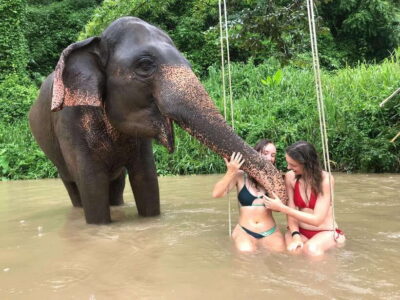
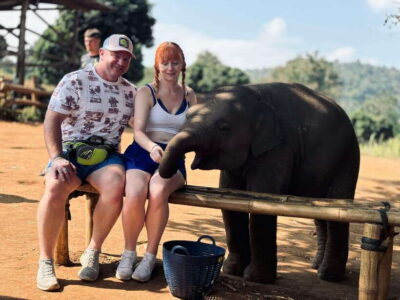
Elephant Sanctuary Feeding Program Half-Day Tour
Read our review →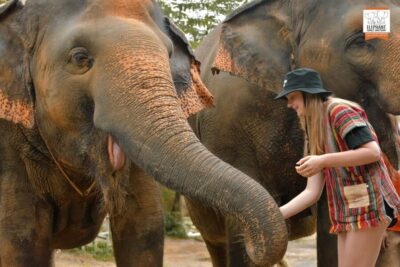
Elephant Jungle Sanctuary Ethical Feeding Experience
Read our review →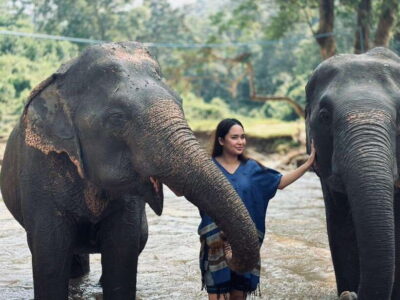
Elephant Sanctuary, Long Neck & Sticky Waterfall
Read our review →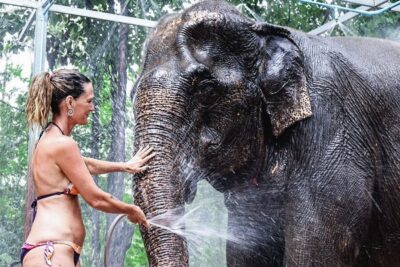
Elephant Bathing Session at Krabi Elephant Shelter
Read our review →
Elephant Sanctuary Guided Tour with Hotel Transfers
Read our review →
Browse the lists this tour appears in