
Reviewed · COOKING CLASSES
Tingly Thai Cooking School Afternoon Class
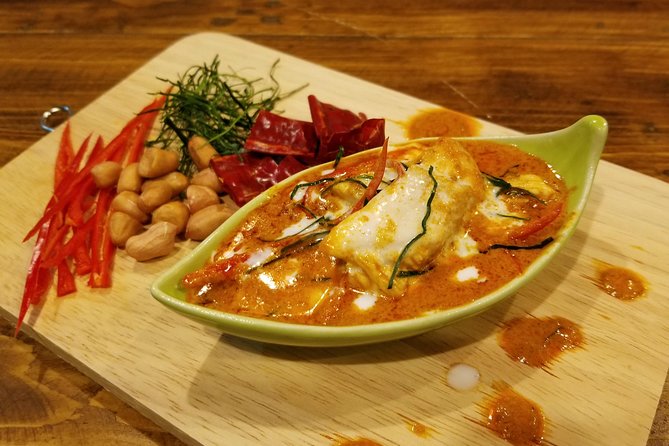
Thai curry paste is not a shortcut ingredient here. You work with the raw ingredients, learn how the flavors come together, and then eat the results. I like the hands-on cooking and the chance to learn techniques that rarely appear in a basic recipe. I also like that the class can produce four courses, including dishes such as Pad Thai, Tom Yum, curry, and mango sticky rice.
The main thing to consider is the amount of food. Several dishes can leave you very full, so arrive hungry. The afternoon session does not include the market tour, and the advertised timing varies slightly between about three and a half hours and 1:00 to 5:00 pm.
Key points to know before booking
- Curry paste from scratch: Learn how fresh ingredients become the base of a Thai curry.
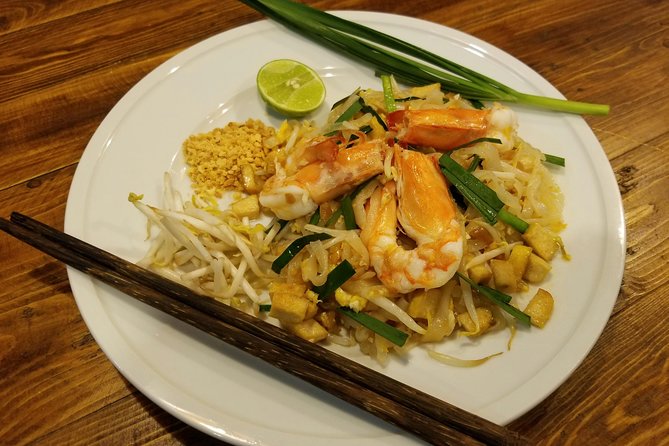
- Four-course meal: Prepare and eat several dishes, with Pad Thai, soups, curries, and mango sticky rice among the examples taught.
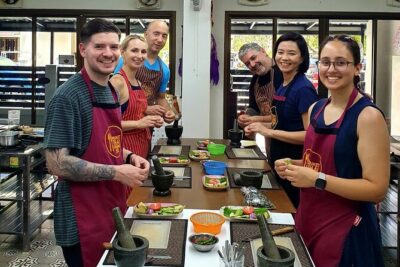
- Small class size: The maximum is 10 people, which suits hands-on instruction.
- Lively instructors: Soung, Chan, Chun, Nam, Song, and Chef Chon are among the teachers named for different sessions.
- Afternoon schedule: Meet at 17/1 Soi Silom 22 at 1:00 pm, with the activity ending at the same point.
- Useful take-home help: Recipes, cooking advice, and tips for storing Thai food help you repeat the dishes at home.
Why the curry paste lesson matters
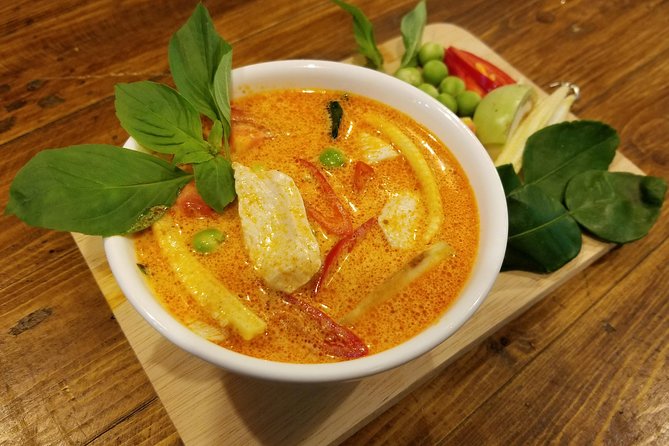
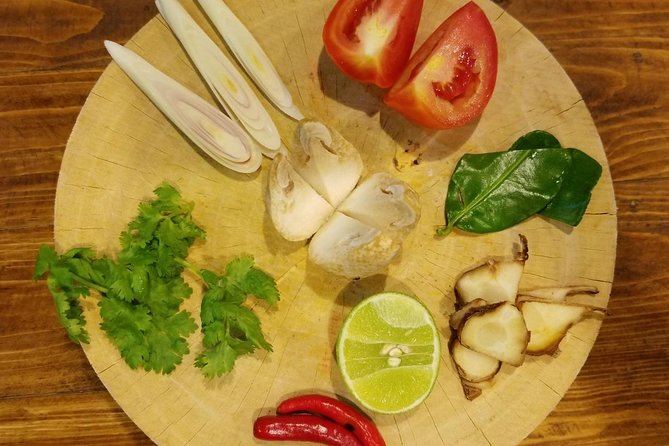
Many Thai cooking classes let you stir pre-made curry paste into a pan. Tingly Thai takes a more useful route by showing you how the paste is prepared. That gives you a clearer idea of how herbs, spices, chilies, and other ingredients shape the final flavor.
You are not just following a recipe line by line. You learn small decisions that affect the result, such as how ingredients are prepared, how they are combined, and how Thai food can be stored properly. Those details matter once you return home and discover that your local ingredients are not exactly the same as those in Bangkok.
I like this part of the class because curry paste is the point where Thai food can seem difficult. The lesson breaks it into workable steps. You may not reproduce every dish perfectly on your first attempt, but you leave with a much better sense of what gives Thai food its strong, fresh taste.
More Cooking Classes in Bangkok
- Bangkok: Hands-on Thai Cooking Class and Market Tour
★ 4.9 · 1,614 reviews - Bangkok: Tingly Thai Cooking School Half-Day Cooking Class
★ 4.9 · 1,191 reviews - Bangkok: Maliwan Thai Cooking Class with Market Tour
★ 4.9 · 1,133 reviews
A practical afternoon in Silom
The meeting point is 17/1 Soi Silom 22 in the Suriyawong area of Bang Rak. The school is near public transportation, which makes the location useful if you are building the class into a day around central Bangkok. The activity begins at 1:00 pm.
The afternoon timing suits people who do not want an early start. It also gives you time to visit another Bangkok sight in the morning without rushing back for class. The published information describes the session as about three and a half hours, while the schedule gives a 1:00 to 5:00 pm window. Plan for most of the afternoon rather than trying to fit in a tightly timed evening booking.
The class ends back at the meeting point. That is handy because you do not need to arrange a separate pickup or work out where the cooking session finishes. A mobile ticket is accepted, and confirmation is provided when you book.
The school limits the group to 10 people. That is an important detail for a cooking class. You will have more room to take part than you would in a large demonstration, though the exact amount of personal attention can still depend on the size and mix of the group.
From ingredients to finished dishes
The class focuses on preparation as much as cooking. You can expect an explanation of the ingredients used in Thai food, followed by practical work in the kitchen. The teaching is designed to show you what to do and why it matters.
The instructors named for different sessions include Soung, Chan, Chun, Nam, Song, and Chef Chon. Their teaching styles are described as energetic, funny, clear, and encouraging. That tone matters in a class where people may have different cooking backgrounds. You can ask questions, watch the technique, and then try it yourself rather than simply sitting through a demonstration.
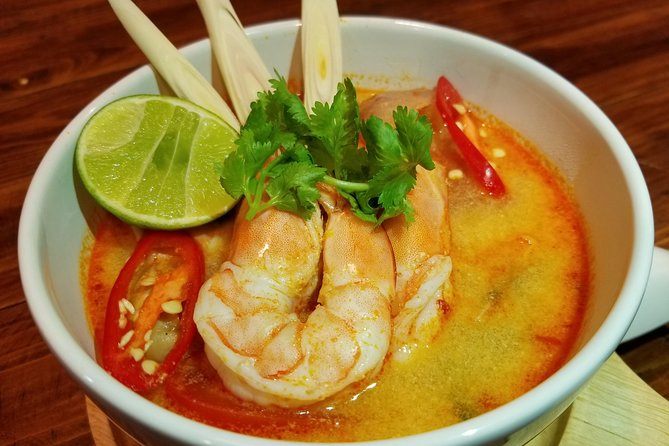
A typical session teaches four dishes. The exact menu can vary, but the dishes described include Pad Thai, Tom Yum shrimp soup, Tom Kha shrimp soup, Penang curry, green curry, and mango sticky rice. You should not assume every one of these appears in a single class. The useful point is the range: you get practice with noodles, soup, curry, and dessert rather than learning four versions of the same dish.
The class also covers chili paste and curry preparation. Working with fresh ingredients gives you a better feel for texture and balance. You learn why Thai cooking is not only about adding heat. Sour, sweet, salty, creamy, herbal, and spicy notes all need to work together.
Eating what you prepare
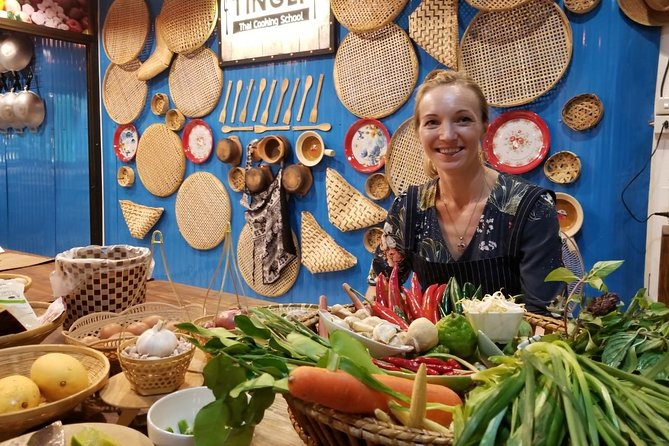
The meal is the reward at the end, and it is a substantial one. You eat the food made during the class, including the dishes prepared by the group. Some sessions produce enough food that people take portions away.
That makes the experience feel more useful than a class where you taste only a spoonful of each recipe. You get a proper meal and can judge the results for yourself. If a curry needs more balance or a soup needs a sharper sour note, you can connect the taste with the technique you just used.
Arrive with an appetite. Four courses can be a lot, especially in the afternoon. If you have dinner plans soon after class, leave plenty of time. The large meal is a benefit for many people, but it can be a drawback if you prefer a light cooking lesson or have a fixed evening reservation.
Mango sticky rice is one of the sweeter finishes mentioned in the menu examples. It gives the meal a different texture and flavor from the savory dishes. You also get a chance to see how a familiar Thai dessert is put together instead of treating it as an afterthought.
Same base, a completely different sort of day out:
- Bangkok: Damnoen Saduak Market and Maeklong Railway Market
★ 4.5 · 26,723 reviews - The Old Siam: Damnoen Saduak and Maeklong Railway Market
★ 4.5 · 10,992 reviews - Bangkok: Train Market & Floating Market with Boat Ride
★ 4.7 · 9,547 reviews - Bangkok Canal Tour: 2-Hour Longtail Boat Ride
★ 4.5 · 5,909 reviews
The teaching style and group atmosphere
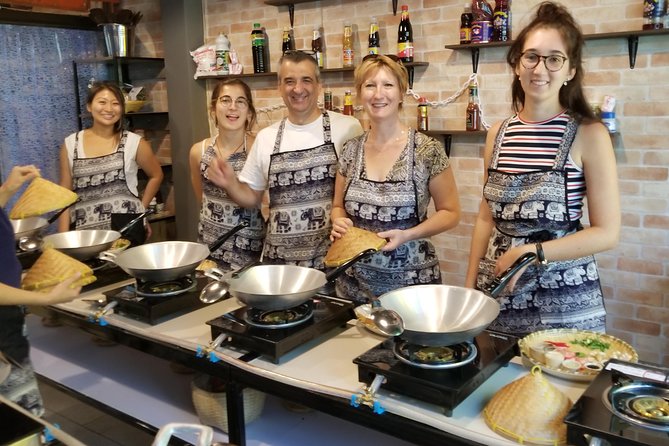
The class is designed to be social. People come as couples, families, solo participants, and groups of friends. Since the maximum is 10, you have a reasonable chance to work alongside people from different countries without the class feeling like a large food demonstration.
I would especially consider this experience if you are traveling alone. The shared cooking and meal create an easy reason to talk to other people. Families can also use it as a change from sightseeing, and a 14-year-old has taken part successfully according to the information provided.
The instructors bring plenty of energy. Soung is described as funny and lively, while Chan, Chun, Nam, Song, and Chef Chon are also praised for keeping the class active and clear. The humor is part of the appeal, but the lesson is not only entertainment. You receive explanations of the ingredients, cooking process, and storage methods.
The tone may not suit someone who wants a quiet, private lesson. You should expect a group setting and an upbeat teacher. If you like learning by doing and enjoy a little banter in the kitchen, that atmosphere should work well.
What you take home besides a full stomach
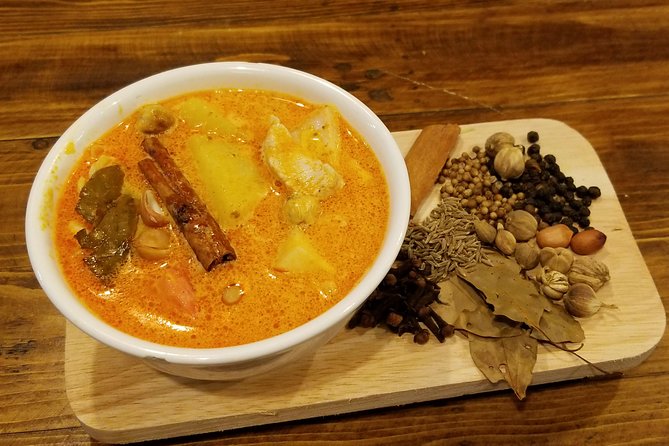
The most practical benefit is the collection of recipes and methods. Some participants receive a cooking book or recipes to use later, and chopsticks are also provided as a small take-home touch. You can use the instruction to attempt Thai cooking at home without relying only on a prewritten ingredient list.
The storage advice is another useful feature. Thai dishes can change in texture and flavor after cooking, so knowing how to keep them properly is part of making them successfully at home. This is a small detail, but it turns the class from a one-time meal into something you can use again.
The school also has traditional Thai cooking tools available for purchase. The information provided does not specify the full range or prices, so treat this as an optional extra rather than part of the paid experience. It may appeal to you if you want a physical reminder of the class or a tool for trying the recipes at home.
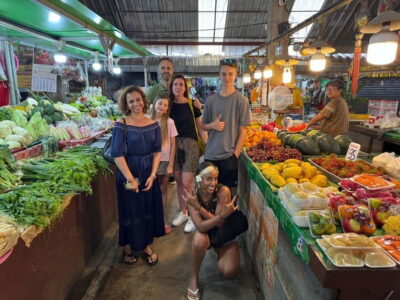
The afternoon session does not include the market tour. The school’s wider teaching approach includes learning about ingredient sources in markets, but you should not book this particular time slot expecting a guided market visit. If the market is important to you, confirm the details before choosing a session.
Is $40.47 a fair price?
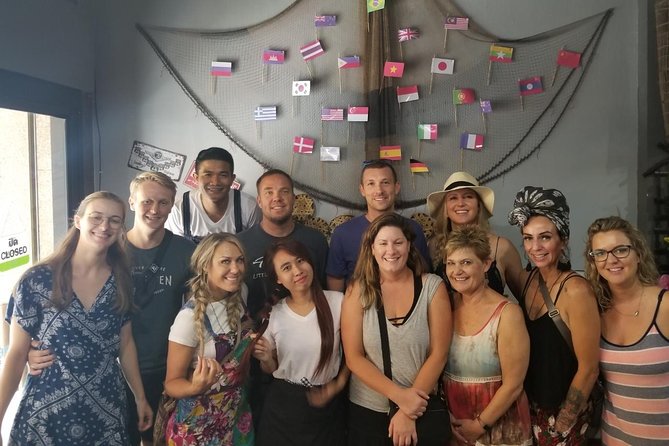
At $40.47 per person, the value depends on what you want from the afternoon. You are not paying only for a meal. The price includes instruction, ingredient preparation, a multi-dish cooking session, and the food you make. For many people, four courses plus recipes makes the cost reasonable compared with booking a separate cooking activity and eating out afterward.
The value is strongest if you plan to cook Thai food at home. Learning how to prepare curry paste, handle ingredients, and store finished dishes can save you repeated trial and error later. You also get a better sense of the flavors than you would from reading a recipe online.
The price is less compelling if you mainly want a quick tasting or a polished restaurant meal. This is a working class, so you spend time preparing food. You need to take part to get the full benefit.
The 10-person limit helps support the price. A smaller class should make it easier to see the steps and ask questions, though the experience is still shared with other people. The meal, recipes, and instruction together make this a solid value for food-focused visitors.
Who should book this class?
I would recommend it for anyone who wants more than a standard Bangkok sightseeing stop. It works well for:
- Solo visitors who want a social afternoon
- Families looking for a hands-on activity
- Couples and friends who enjoy cooking together
- Home cooks curious about curry paste and Thai ingredients
- People who want a substantial meal as part of the activity
- Visitors who prefer a 1:00 pm start to a morning class
It may be less suitable if you dislike group activities, want a private chef, or need to keep your afternoon short. The food quantity also matters. This is not a light snack between attractions.
You should also keep the weather requirement in mind. If poor weather causes a cancellation, you are offered another date or a full refund. Free cancellation is available up to 24 hours before the start time, but changes or cancellations inside that window are not refunded.
My recommendation
I like Tingly Thai Cooking School because it puts the useful work in the lesson: fresh curry paste, ingredient handling, cooking techniques, and storage advice. You are not simply watching someone prepare a plate. You make several dishes and then sit down to eat them.
Book it if you want a friendly, active afternoon and plan to try Thai recipes after Bangkok. Come hungry, allow the full afternoon, and do not expect the market tour during the 1:00 pm class. At $40.47, it is a good choice for hands-on food learning, especially for families, solo visitors, and anyone who sees Thai cuisine as more than a meal to order.
FAQ
Where does the cooking class start?
The class starts at 17/1 Soi Silom 22, Suriyawong, Bang Rak, Bangkok, Thailand.
What time does the afternoon class begin?
The afternoon class begins at 1:00 pm.
How long does the class last?
The advertised duration is about three and a half hours. The schedule also gives a 1:00 to 5:00 pm time window, so you should plan for most of the afternoon.
Where does the activity finish?
The activity ends back at the meeting point.
Is a market tour included in the afternoon class?
No. The afternoon class is specifically listed as excluding the market tour.
How many people can join the class?
The maximum group size is 10 people.
What kinds of dishes might I make?
The dishes named for the classes include Pad Thai, Tom Yum shrimp soup, Tom Kha shrimp soup, Penang curry, green curry, and mango sticky rice. The exact combination may vary.
Will I eat the food I cook?
Yes. The class includes eating the dishes prepared during the session.
Is the class suitable for a solo participant?
Yes. The group format gives solo participants a chance to meet other people while cooking and eating together.
What happens if the experience is canceled because of bad weather?
You will be offered a different date or a full refund.
Can I cancel for a full refund?
Yes, if you cancel at least 24 hours before the experience start time. Cancellations made less than 24 hours in advance are not refunded.
Just added around Bangkok
- Yoga in the Park Thailand★ 5.0 · 12 reviews
- re:leaf spa and massage★ 4.0 · 10 reviews
- Wonderful Pearl Dinner Cruise★ 3.5 · 27 reviews
- 3-Hour Bangkok Walking Tour: Wat Pho and Wat Arun★ 5.0 · 102 reviews
- White Orchid Sunset Dinner Cruise Calypso Ladyboy Cabaret Show★ 4.0 · 10 reviews
- Visit temples in and around Bangkok with a former monk of 10 years★ 5.0 · 30 reviews
- Morning Buddhist Almsgiving, Grand Palace and Flower Market Tour in Bangkok★ 3.5 · 9 reviews
- Visit Wat Pho and Wat Arun with Local Expert★ 4.0 · 14 reviews
Cooking Classes, compared.
Half-Day Thai Cooking Class at Organic Farm in Chiang Mai
Read our review →
Cooking Class, Market & Thai Herbs Garden Tour
Read our review →
Authentic Cooking Class with Market & Farm Visit
Read our review →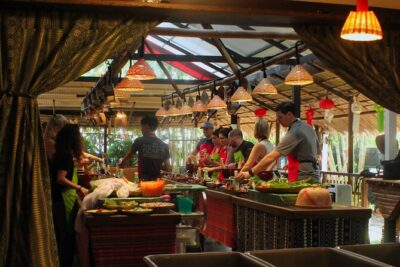
Phuket Thai Cooking Class with Market Tour Option
Read our review →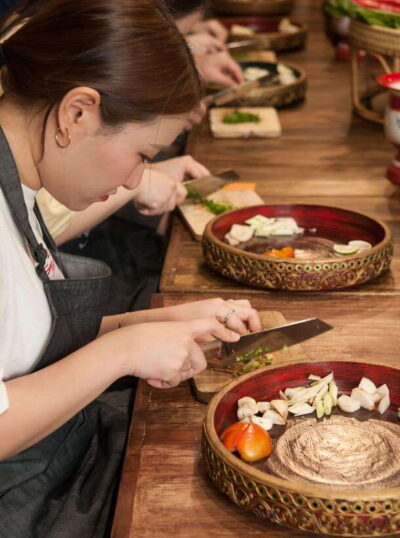
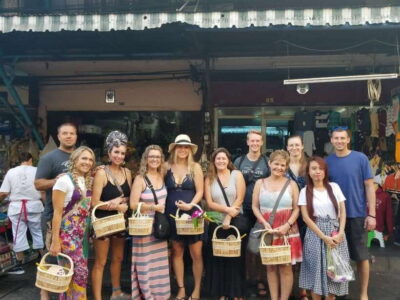
Tingly Thai Cooking School Half-Day Cooking Class
Read our review →Browse the lists this tour appears in