
Reviewed · COOKING CLASSES
Bangkok: Cooking Class + Tuk Tuk Ride + Market Tour
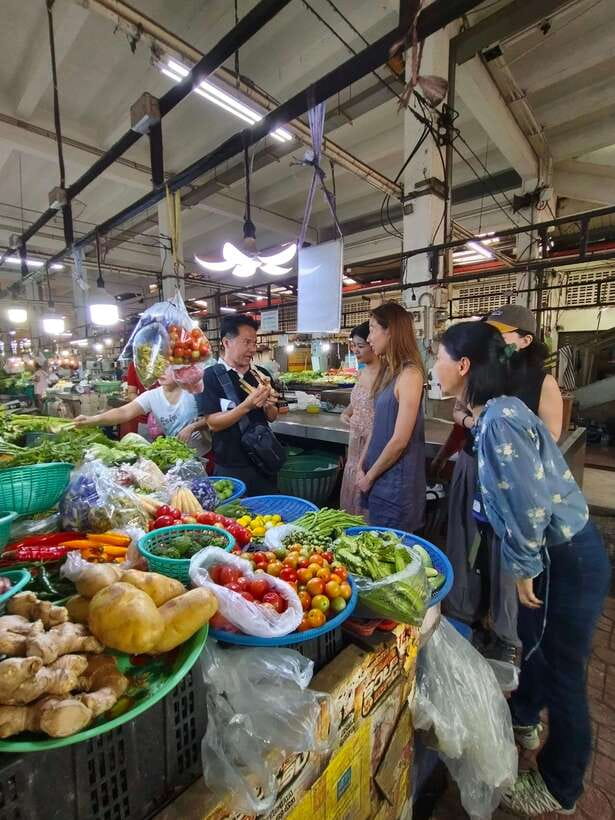
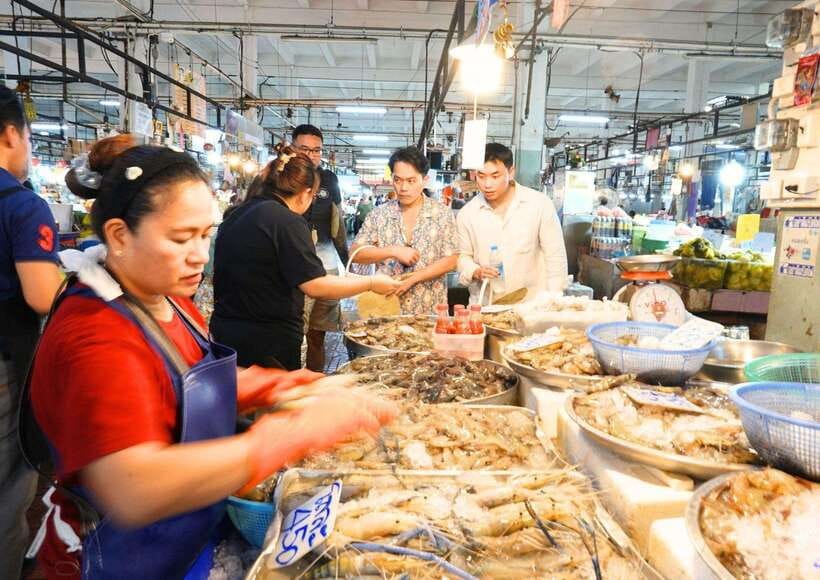
The most memorable part here may happen before you touch a wok. A five-minute tuk-tuk ride takes you to Prannok Market, where old stalls sell herbs, prawns, curry pastes, tropical fruit, snacks, and freshly made coconut cream. You get a quick look at everyday Bangkok life, not just a cooking room built for tourists.
I like the market-to-kitchen connection, since you see the ingredients before learning how they work in a dish. I also like the spacious, newly renovated school, plus the chance to cook four full dishes rather than just one curry. The main consideration is time: the market visit and four recipes make this a busy three-and-a-half-hour session, not a slow, leisurely food stroll.
Key points
- A short tuk-tuk ride adds local flavor: The shared ride to Prannok Market takes about five minutes.
- Prannok Market is more than a shopping stop: Its stalls have served the neighborhood for over 60 years.
- You cook four complete Thai dishes: Tom Yum Prawns, Pad Thai Prawns, Massaman Curry Chicken, and Mango Sticky Rice.
- June and Lalit are among the instructors: June, also referred to as Juney, has guided many sessions, while Lalit has also received praise for clear teaching.
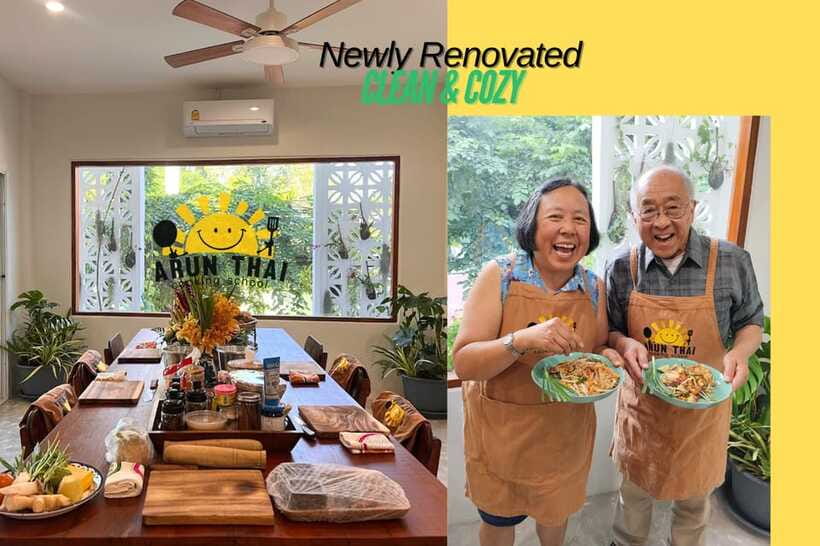
- The school is clean and spacious: A separate food preparation room and cooking room help the class run in an orderly way.
- Dietary needs can be discussed: Vegetarian cooking and other dietary requirements can be accommodated if you provide allergy information ahead of time.
From Arun Thai Cooking School to Prannok Market
You meet on the second floor of Arun Thai Cooking School. The school is near Icon Siam and Wat Arun, so this activity can fit neatly into a day around Bangkok’s riverside sights.
The first leg is a shared tuk-tuk ride with a local chef. It is only about five minutes, but that is enough to add some street-level movement to the morning or afternoon. This is not a long sightseeing ride, so do not book it expecting a grand tour of Bangkok from the back seat. Its value is practical: it gets you to the market in a distinctly local way.
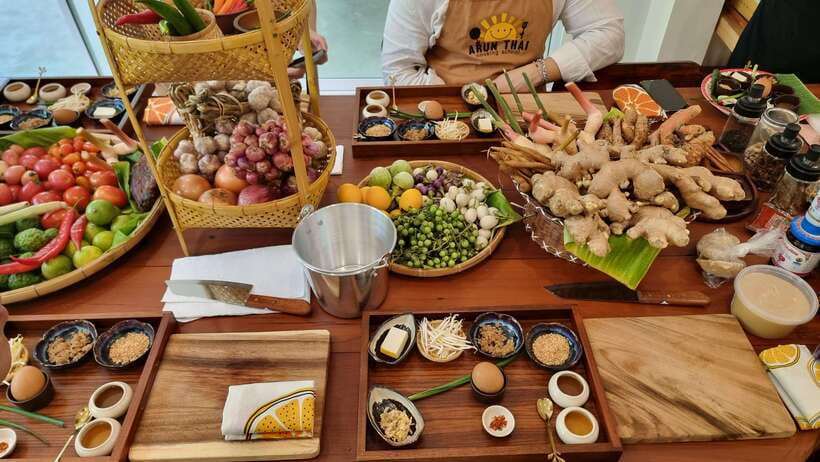
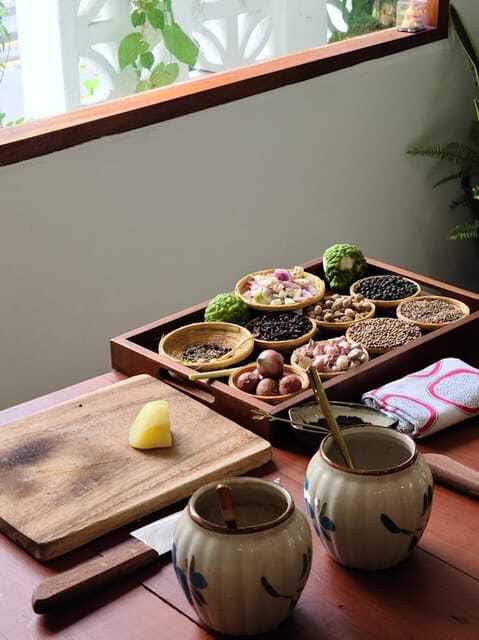
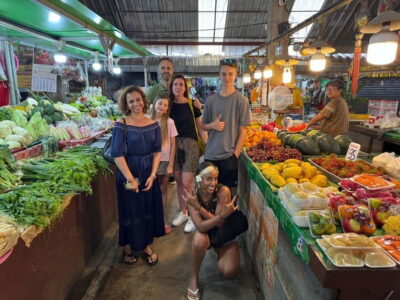
Prannok Market has more than 60 years of neighborhood life behind it. The market visit is designed to prepare you for the cooking class, but it also gives you a useful introduction to Thai food shopping. You can see fresh prawns, curry pastes, spices, tropical fruit, less familiar herbs, and vegetables that may not appear on a standard restaurant menu.
Your guide explains what the ingredients are and how they are used. June, also called Juney in some sessions, has been praised for explaining both cooking methods and the background of the dishes. Lalit has also led classes, with a clear and friendly teaching style.
One particularly interesting stop is the preparation of fresh coconut cream and milk. This helps you understand why coconut products taste different depending on how they are made and used. You also get to taste a well-known Thai dessert, which is a good reason to arrive hungry.
The market also brings in local customs. You may hear about the Thai practice of releasing live fish for good karma. It is a small cultural detail, but it gives the market visit a wider purpose. You are not simply being shown ingredients. You are being introduced to food, belief, and neighborhood habits in the same place.
More Cooking Classes in Bangkok
- Bangkok: Hands-on Thai Cooking Class and Market Tour
★ 4.9 · 1,614 reviews - Bangkok: Tingly Thai Cooking School Half-Day Cooking Class
★ 4.9 · 1,191 reviews - Bangkok: Maliwan Thai Cooking Class with Market Tour
★ 4.9 · 1,133 reviews
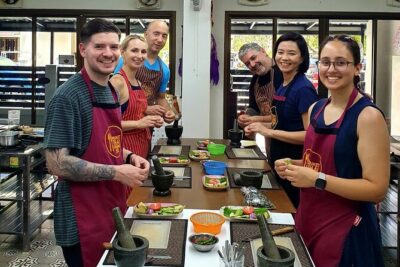
Four Thai dishes at your own cooking station
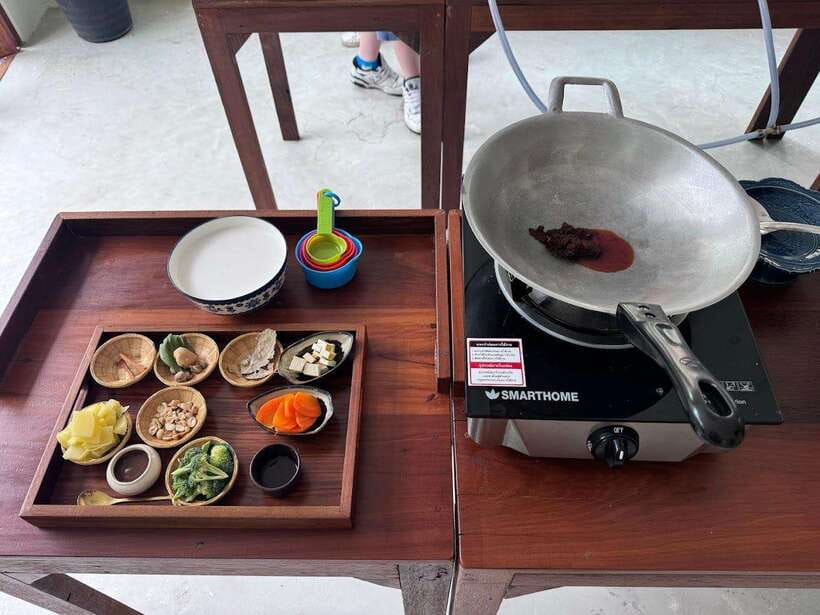
Back at the school, you prepare four dishes:
- Tom Yum Prawns
- Pad Thai Prawns
- Massaman Curry Chicken
- Mango Sticky Rice
That is a generous menu for a class lasting three and a half hours. You get a soup, a noodle dish, a curry, and a dessert, so the lesson covers several major parts of Thai cooking. It also gives you a useful meal plan to recreate at home.
The class is hands-on. You do not simply watch an instructor cook while someone else handles the difficult steps. The format is intended for all skill levels, including beginners. The teaching focuses on the ingredients, the order of preparation, and the methods needed to repeat the dishes later.
Tom Yum Prawns introduces the sharp, spicy, sour side of Thai cooking. Pad Thai gives you a familiar street-food classic, while Massaman Curry adds a slower, warmer flavor profile. Mango Sticky Rice finishes the meal with a sweet dish that uses coconut and fruit rather than complicated pastry techniques.
The order of the recipes may vary, so treat the menu as the fixed part and the sequence as flexible. Since you cook four dishes, you should expect an active session with several ingredients and steps. If you prefer a class focused on mastering one recipe in great detail, this may feel fast. If you want a broad introduction to Thai food, the range is a strong point.
A clean, spacious school with room to work
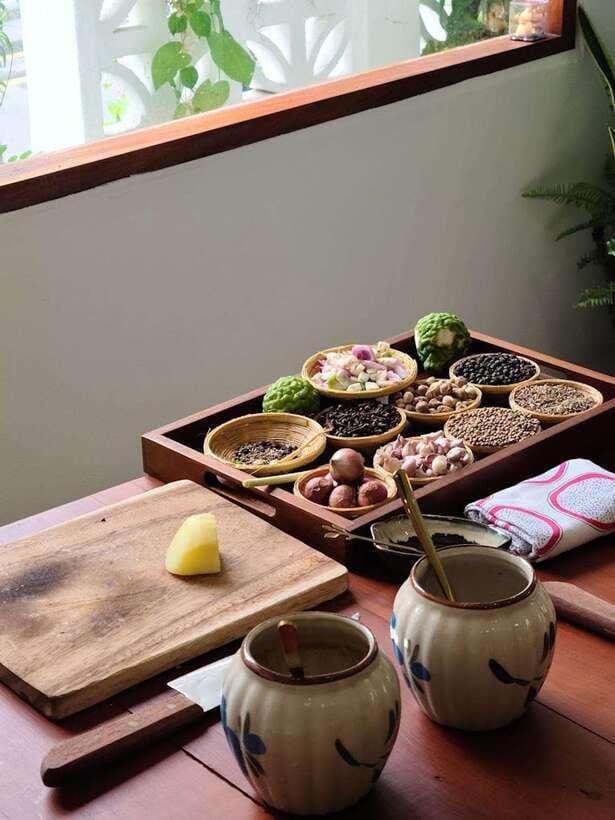
The cooking school has recently been renovated. The space is described as clean and spacious, with separate areas for food preparation and cooking. That matters more than it may sound. A cramped class can turn chopping, stirring, and plating into a fight for elbow room. Here, the layout is intended to make each stage easier to follow.
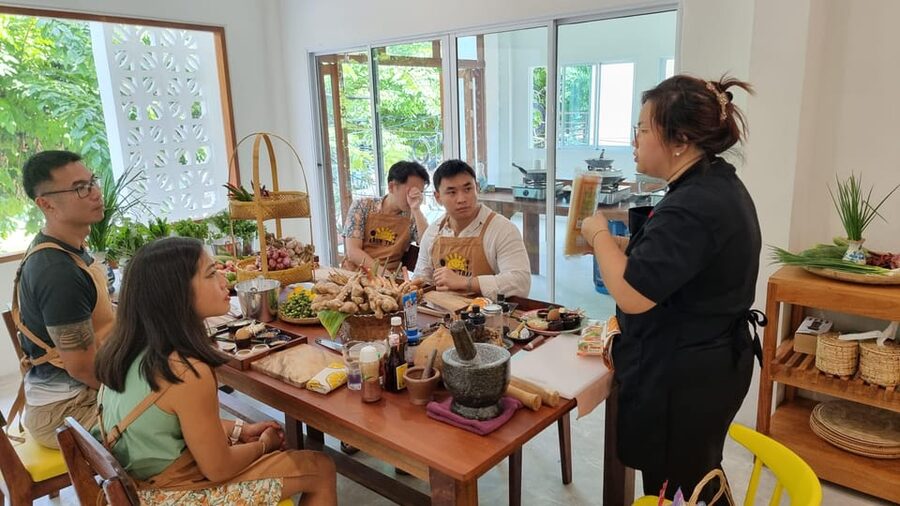
The separate rooms also give the class a clear rhythm. First you learn about the ingredients and prepare them. Then you move into the cooking room and work through the dishes. Several people who attended with family members or friends found the organization helpful, particularly because the cooking remained practical and easy to follow.
The instructors explain each step in a way suited to beginners. June has been especially praised for making the process clear and for sharing stories about Bangkok, Thai food, and the background of each dish. That combination is useful because it helps you remember not only what to do, but why the ingredient belongs in the recipe.
The school offers instruction in English and Chinese. Chinese classes are offered six days a week, with partial translation available on other days. If language support is important to you, check the class language when you choose a date.
What the meal is like at the end
You should come with an empty stomach. Four dishes is a lot of food, especially when you are sampling as you go and finish with Mango Sticky Rice.
The ingredients are included, as are refreshments. You do not need to shop for cooking supplies or bring your own produce. The market shopping is part of the lesson rather than a separate purchase for your kitchen.
The dishes are selected to give you variety, but there is also a practical benefit. You can compare the finished flavors and see how different Thai cooking styles use related ingredients. Prawns appear in both the soup and noodles, while coconut appears in the curry or dessert preparation. This gives the class a useful thread from market stall to finished plate.
The strongest reason to take a class like this is the confidence it can give you at home. The recipes are not presented as mysterious restaurant tricks. You learn a repeatable process, and the menu gives you four dishes to practice later. A number of participants left feeling ready to make Thai food again, which is a better measure of a cooking class than simply eating a tasty lunch.
More Tuk-Tuks in Bangkok
- Bangkok by Night: Temples, Markets and Food Tuk-Tuk Tour
★ 5.0 · 3,752 reviews - Bangkok Midnight Food Tuk Tuk Tour
★ 5.0 · 2,542 reviews - Bangkok: Michelin Guide Street Food Tour by Tuk Tuk
★ 4.4 · 1,274 reviews - Bangkok: Guided Tour in a Typical Thai Tuk-Tuk
★ 4.7 · 830 reviews
The value of $42 for three and a half hours
At $42 per person, this is good value if you want several activities in one outing. The price includes the shared tuk-tuk ride, the Prannok Market tour, all cooking ingredients, the four-dish class, and refreshments.
You are paying for more than kitchen time. The market visit adds a cultural stop, and the ride provides a small but memorable connection between the school and the neighborhood. The four recipes also make the price easier to justify than a short demonstration class with one finished dish.
The value is best for people who will use what they learn. If you want to bring Thai cooking into your own kitchen, the class offers more lasting benefit than a standard restaurant meal. If you mainly want a quick food tasting, the three-and-a-half-hour format may be longer than necessary.
There are no hotel transfers, so you need to reach Arun Thai Cooking School yourself. The meeting point is on the second floor, and the activity ends back there. Comfortable clothing, a sun hat, and sunscreen are sensible choices because the market portion is outdoors.
Dietary needs and class comfort
Vegetarian options and dietary needs can be accommodated, but you must provide allergy information in advance. Do not wait until you arrive to mention a serious allergy. The market visit includes prawns, curry pastes, spices, coconut products, and other ingredients, so early notice gives the school a chance to plan.
The standard menu includes prawns and chicken. If you do not eat either, ask about substitutions before booking. The available information confirms that vegetarian needs can be handled, but it does not spell out every possible substitution.
Wear clothes suitable for cooking. You do not need special equipment, but loose or delicate clothing may be less practical around food preparation and heat. A sun hat and sunscreen are useful for the market, while an empty stomach is the most important preparation of all.
Who should book this Bangkok cooking class
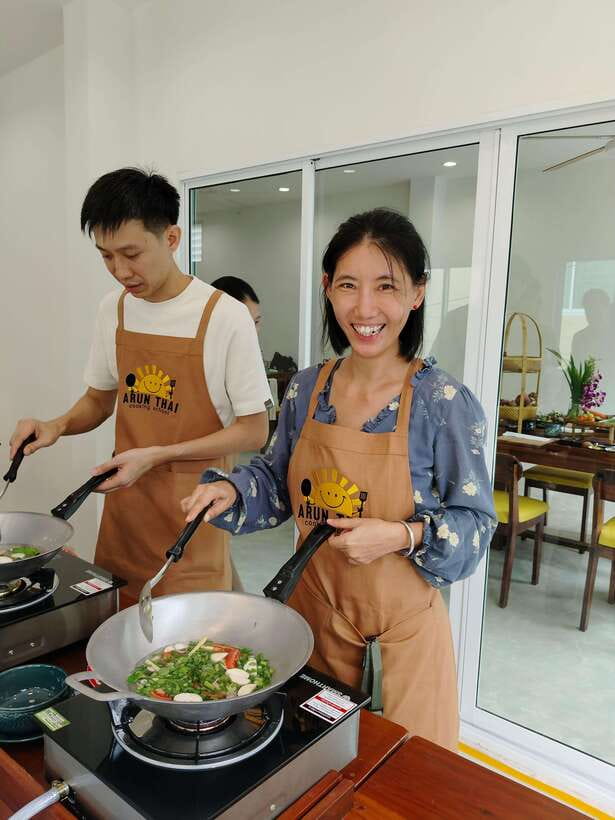
I would recommend this experience to first-time visitors who want an easy introduction to Thai food and daily life. It works particularly well for couples, families, and friends because everyone has a clear task and a shared meal at the end.
It also suits people who like structure. You have a defined meeting point, a short ride, a guided market visit, and four recipes to complete. The instructor-led format keeps the session moving without requiring previous cooking skills.
Food-focused visitors will get the most from the market. You can ask about unfamiliar herbs, watch coconut cream being made, taste a Thai dessert, and see ingredients before they are measured into a recipe.
This may be less suitable if you want a quiet, private lesson or a long market exploration with plenty of free time. The tuk-tuk ride is shared, and the schedule must fit in the market visit plus four dishes. It is also not the best choice for anyone who dislikes seafood unless the school confirms suitable replacements in advance.
The score of 4.9 from 70 reviews fits the experience’s strongest features: warm instructors, clear explanations, a pleasant kitchen, and food that people found easy to recreate. June received the most repeated praise, though Lalit has also taught well-received classes.
Should you book it?
Book this class if you want four useful Thai recipes, a local market visit, and a short tuk-tuk ride in one compact outing. The market is the feature that gives the class character, while the renovated school and clear instruction make it comfortable for beginners.
Before reserving, check the class language, share all allergy details, and confirm that the standard menu works for your diet. If it does, $42 is a fair price for the cooking lesson, ingredients, refreshments, market tour, and local transport. I would choose it for a practical Bangkok food experience that leaves you with more than a full stomach.
FAQ
Where does the cooking class start?
Meet on the second floor of Arun Thai Cooking School.
Where does the activity end?
The activity ends back at the cooking school meeting point.
How long does the experience last?
The experience lasts three and a half hours.
Is the tuk-tuk ride included?
Yes. A shared tuk-tuk ride to Prannok Market is included.
How long is the tuk-tuk ride?
The ride to the market takes about five minutes.
Which dishes will I cook?
You will cook Tom Yum Prawns, Pad Thai Prawns, Massaman Curry Chicken, and Mango Sticky Rice.
Are vegetarian options available?
Yes. Vegetarian options and other dietary needs can be accommodated. Allergy information must be provided in advance.
What languages are available?
Instruction is available in English and Chinese. Chinese classes run six days a week, with partial translation available on other days.
More Markets in Bangkok
- Bangkok: Damnoen Saduak Market and Maeklong Railway Market
★ 4.5 · 26,723 reviews - The Old Siam: Damnoen Saduak and Maeklong Railway Market
★ 4.5 · 10,992 reviews - Bangkok: Train Market & Floating Market with Boat Ride
★ 4.7 · 9,547 reviews - Bangkok: Floating Market and Train Market Experience
★ 4.8 · 3,998 reviews
Just added around Bangkok
- re:leaf spa and massage★ 4.0 · 10 reviews
- Wonderful Pearl Dinner Cruise★ 3.5 · 27 reviews
- Yoga in the Park Thailand★ 5.0 · 12 reviews
- 3-Hour Bangkok Walking Tour: Wat Pho and Wat Arun★ 5.0 · 102 reviews
- White Orchid Sunset Dinner Cruise Calypso Ladyboy Cabaret Show★ 4.0 · 10 reviews
- Visit temples in and around Bangkok with a former monk of 10 years★ 5.0 · 30 reviews
- Morning Buddhist Almsgiving, Grand Palace and Flower Market Tour in Bangkok★ 3.5 · 9 reviews
- Visit Wat Pho and Wat Arun with Local Expert★ 4.0 · 14 reviews
Cooking Classes, compared.
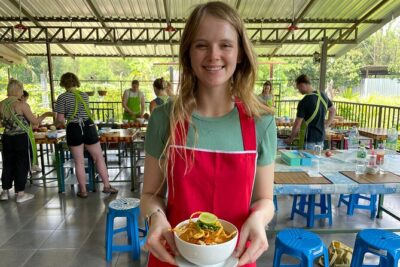
Half-Day Thai Cooking Class at Organic Farm in Chiang Mai
Read our review →
Cooking Class, Market & Thai Herbs Garden Tour
Read our review →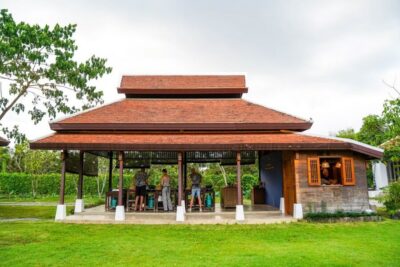
Authentic Cooking Class with Market & Farm Visit
Read our review →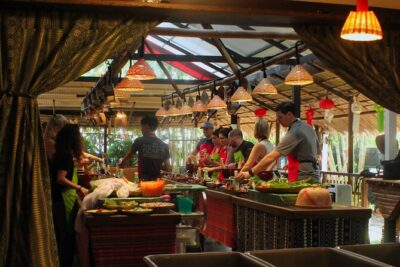
Phuket Thai Cooking Class with Market Tour Option
Read our review →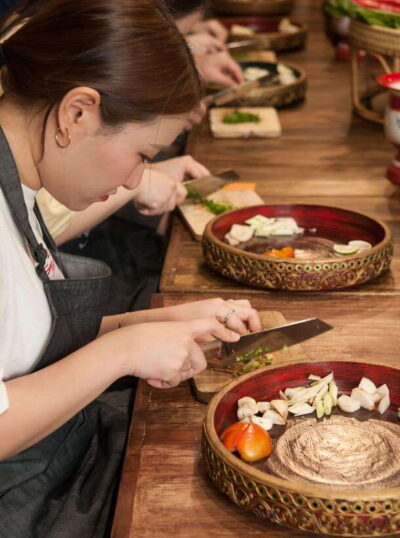
Tingly Thai Cooking School Half-Day Cooking Class
Read our review →Browse the lists this tour appears in