
Reviewed · ELEPHANT SANCTUARIES
Phuket: Guide Tour to Patong Elephant Sanctuary
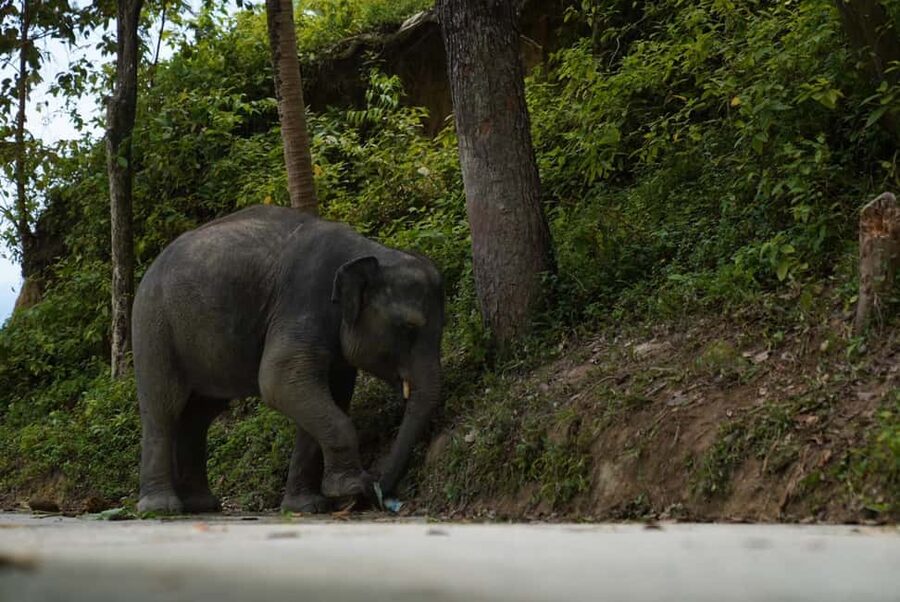
The best part of this Phuket experience is that you watch elephants follow their own routine instead of performing tricks. You walk with them through the forest, see them forage and interact, then help prepare the food they actually eat. Natural behavior is the main attraction here.
I like two things in particular: the hands-on work of cutting banana trees and grass, and the chance to hear each elephant’s story from the caretakers. The calm handling also matters. You may touch and photograph the elephants, but the activity is built around patience and respect. The main drawback is timing: the listing says one hour, while the detailed route includes a two-hour sanctuary visit plus transfers, so confirm the exact schedule before booking.
Key Points
- Retired tourism elephants: Learn how elephants are cared for after leaving tourism work.
- Forest walk: Watch the elephants explore, forage, and move at their own pace.
- Food preparation: Cut banana trees and collect fresh grass from the garden.
- Hill tribe caretakers: Hear about the bond between mahouts and the elephants in their care.
- Pickup from Patong: Hotel transfer is available in Patong, Tri Trung, and Kalim when you choose that option.
- New sanctuary setting: There is currently no toilet because the site aims to preserve open forest space.
Walking Beside Elephants, Not Watching a Show

This tour gives you a close look at elephant care without making the animals dance, carry people, or perform for a crowd. The elephants are retired from tourism, and the focus is on feeding, walking, observation, and basic daily care.
That difference shapes the whole visit. You are not handed a quick photo opportunity and sent away. Instead, you spend time learning how elephants behave when they are relaxed. Your guide explains body language, movement, feeding habits, and the way caretakers keep the animals healthy.
I find this especially useful if you have never been around elephants. A large animal can seem hard to read at first. The guide helps you notice what the ears, trunk, posture, and pace may tell you. You still need to follow instructions, but you gain a clearer idea of when an elephant wants space and when it is comfortable nearby.
The sanctuary is newly established, and that affects the feel of the visit. You should expect a simple setting rather than a polished attraction with many built facilities. The tradeoff is clear: less comfort and fewer visitor services, but more effort to keep the forest open for the elephants.
More Elephant Sanctuaries in Phuket
- Phuket: Elephant Jungle Sanctuary Ethical Feeding Experience
★ 4.8 · 4,359 reviews - Phuket: Elephant Sanctuary Guided Tour with Hotel Transfers
★ 4.8 · 2,020 reviews - A Morning with the Elephants at Phuket Elephant Sanctuary
★ 5.0 · 1,693 reviews
The Ride From Patong to the Hill Tribe Village
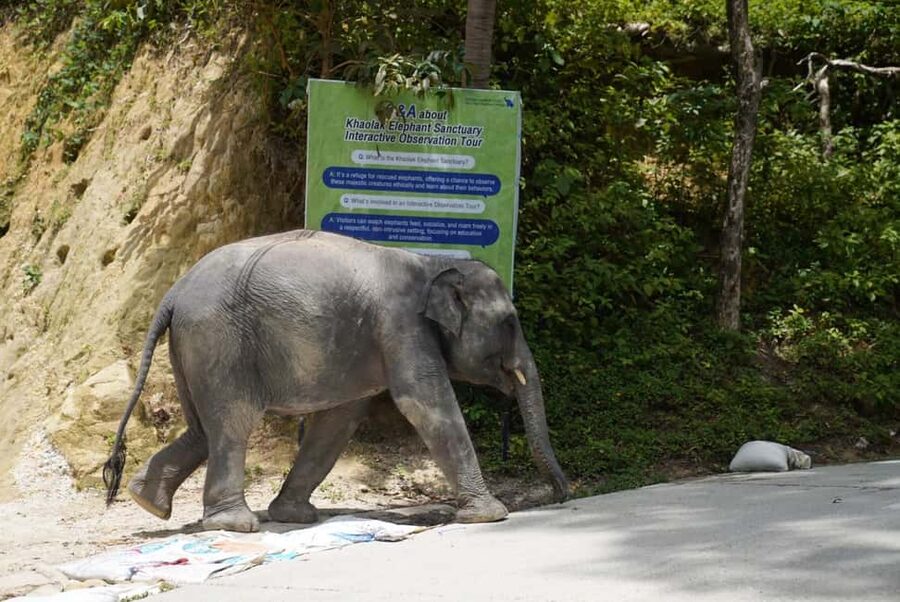
If you select hotel transfer, pickup is offered from hotels in Patong, Tri Trung, and Kalim. The listed route gives 45 minutes by van each way, so the drive is a meaningful part of your outing rather than a quick hop around the corner.
That transfer can be useful if you do not have your own transport. It also makes the price easier to judge, since the $45 cost covers more than time beside the elephants. You are paying for transport when the pickup option is selected, an English-speaking guide, insurance, the education session, the forest walk, and the food-gathering activity.
Allow some flexibility around the pickup. One booking had a transfer delay that pushed the whole activity later. I would not schedule a flight, ferry, dinner reservation, or another timed tour immediately afterward.
The timing needs special attention. The activity is advertised as lasting one hour, but the detailed route shows 45 minutes to the village, a two-hour guided visit and walk, and 45 minutes back. Those figures do not match. Ask the operator to confirm whether the one-hour label refers only to the central activity or whether the route details have not been updated.
Meeting the Elephants and Their Caretakers
At the hill tribe elephant village, the visit begins with an introduction to the elephants and the people who care for them. The caretakers come from a hill tribe community, and the session explains the relationship between mahouts and their elephants.
This human side adds meaning to the visit. You learn not only what an elephant eats, but also why regular care, observation, and trust matter. The aim is to show the work behind responsible elephant care, rather than reducing the animals to photo props.
The guide also explains the individual stories of the elephants. That is worth paying attention to. A short introduction can make the rest of the walk feel less like a general animal encounter and more like time spent with particular animals, each with a past and a daily routine.
English is the listed tour language. One guide called Jungle Man was praised for being helpful, giving clear information, and taking good photos. That does not guarantee he will lead your departure, but it gives you a useful name to ask about if you want to know who may be guiding the experience.
Expect some talking during this opening session. One booking found the guide’s explanations useful but felt there was too much speaking and not enough quiet time simply watching the elephants. If you prefer observation over instruction, politely ask for a few quiet minutes during the walk.
What the Forest Walk Really Shows You
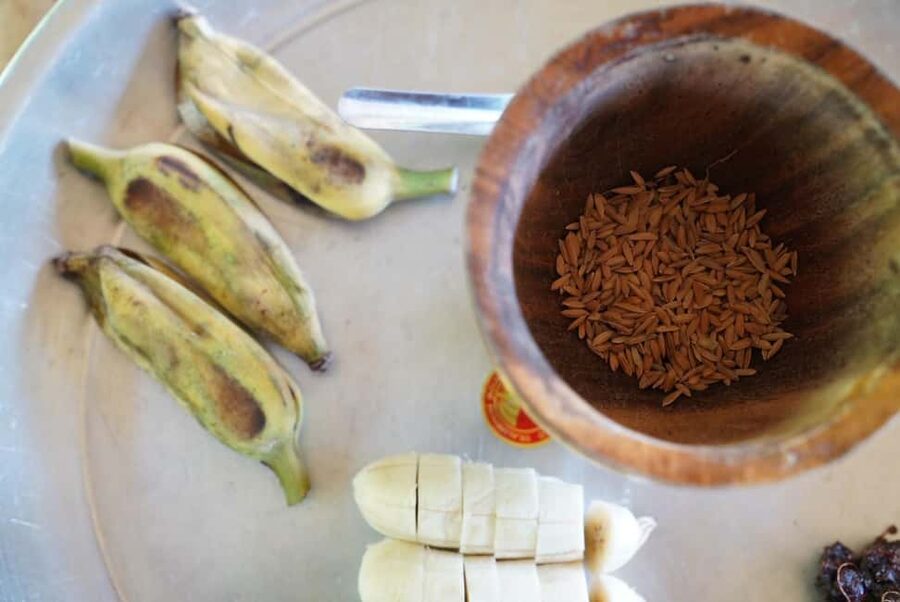
The walk is the heart of the experience. You move through the forest with the elephants as they explore, forage, and interact in a relaxed way. The important point is that the animals are not being asked to repeat a trained routine for you.
You may see an elephant stop to investigate its surroundings, reach for food, or change direction. The guide explains what is happening and points out signs of comfort or stress. This is the part that rewards patience. The most interesting moments may be quiet ones, when the elephants are simply deciding where to go next.
The walk also gives you a chance to see how much space matters. Elephants need room to move and make choices. The sanctuary’s choice to avoid building a toilet is inconvenient, but it reflects the stated aim of preserving as much natural forest as possible.
Photos are allowed, and you may be able to touch the elephants, but the tone is meant to remain calm and respectful. Do not expect a line of animals waiting for posed pictures. The better approach is to let the guide explain when contact is suitable and keep your attention on the animal rather than your camera.
Because the walk is outdoors and takes place in a forest setting, sensible clothes and shoes are important. The supplied details do not specify a dress code or trail conditions, so you should prepare for an ordinary outdoor visit rather than an indoor attraction.
Same base, a completely different sort of day out:
- Phuket: Paradise Trip ATV Jungle Adventure
★ 4.8 · 3,250 reviews - Phuket: Full Day City Tour with Night Market
★ 4.5 · 2,888 reviews - Phuket Thai Cooking Class with Market Tour Option
★ 5.0 · 2,665 reviews - Phuket: YONA Floating Beach Club Day Experience
★ 4.6 · 2,652 reviews
Cutting Banana Trees and Gathering Grass
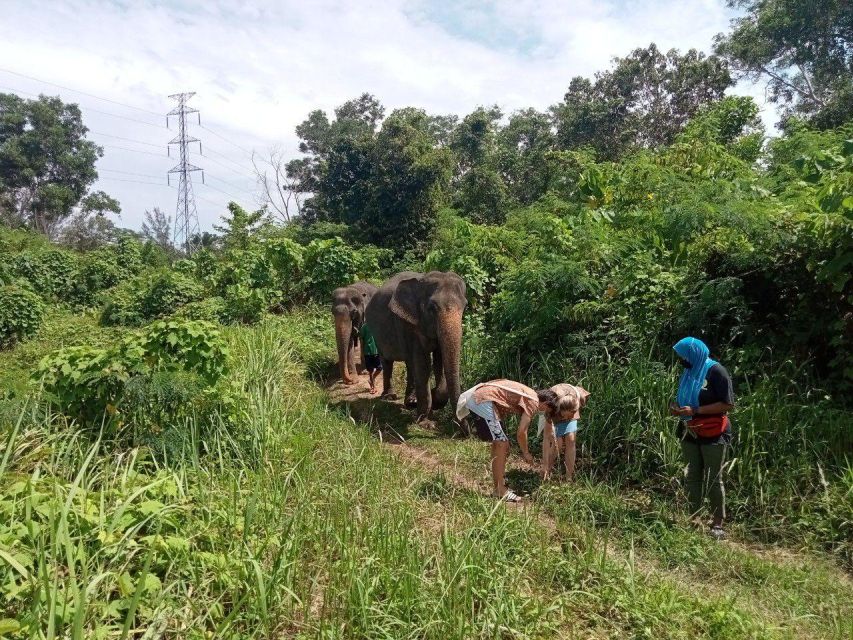
After the walk, you help prepare food for the elephants. The activity includes cutting banana trees and collecting fresh grass from the sanctuary’s garden. This is a small task, but it shows the daily work needed to feed large animals.
I like this part because it changes your role. You are not only observing a sanctuary operation. You take part in one basic chore that supports the elephants’ care. It also helps explain why feeding a large animal involves more than handing over a piece of fruit for a photograph.
The food-gathering activity is practical and direct. You see what goes into the elephants’ diet and how the sanctuary uses its garden. It is also one of the more engaging parts for children, provided they can follow the guide’s instructions and behave calmly around the animals.
Do not confuse this with a full caretaker apprenticeship. The experience is short, and the work is an introductory activity. You will not be responsible for medical care or long-term handling. Still, it gives you a useful glimpse of the routine that supports the elephants each day.
Bring a reusable water bottle. Drinking water is provided, but the instructions ask you to bring your reused bottle. Meals are not included, so plan to eat before or after the visit rather than expecting food at the sanctuary.
A Simple Sanctuary With One Clear Inconvenience

The sanctuary is newly established and currently has no toilet facility. This is the most important practical warning in the booking information.
The reason given is that avoiding construction helps preserve the forest and leaves the elephants more room to roam. That is a reasonable environmental goal, but it does not remove the inconvenience. Use a toilet before pickup, and consider the missing facility carefully if you are traveling with young children, older family members, or anyone who needs regular access.
The setting may also feel basic because it is new. You should not book this expecting a visitor center, a café, or a long list of amenities. The value is in the time with the elephants and the explanation of their care.
The activity is listed as wheelchair accessible. Since the route includes a forest walk, it is wise to confirm what parts of the path are suitable for your specific mobility needs before arrival. The available information does not describe the trail surface or any transfer details for wheelchairs.
Is $45 a Fair Price?

At $45 per person, this is a reasonable price if you want a short elephant-care experience with transport and a guide. The value is strongest when your booking includes hotel pickup, since the route has a 45-minute van ride in each direction.
The price also includes insurance, drinking water, the forest walk, the education session, and the banana and grass harvesting activity. Meals are not included, but this is not a meal-based excursion, so that omission should not greatly affect your decision.
The biggest question is how long you actually receive at the sanctuary. A one-hour label suggests a brief visit, while the detailed route describes two hours at the village. If the two-hour visit is accurate, the price looks more attractive. If the whole experience truly lasts only one hour before transport, the value is more modest.
I would ask for clarification before paying, especially if you are comparing this with longer Phuket elephant programs. You should also compare the type of contact offered. This experience is built around walking, observing, and feeding preparation, not rides or performances. For many people, that is exactly why the price makes sense.
Who Will Enjoy This Visit Most?

I would recommend it to you if you want a closer look at elephant care and prefer a small, practical activity to a theatrical show. It suits visitors who enjoy learning how animals behave and who are willing to spend time watching rather than demanding constant action.
Families may like the food-gathering task, especially the chance to cut banana trees and collect grass. Adults who care about animal welfare may value the emphasis on retired tourism elephants, open movement, and respectful contact.
It may be less suitable if you need a highly polished facility, guaranteed quiet time, or a strict one-hour schedule. The guide’s explanations are part of the experience, and one person found the amount of talking reduced the time available for silent observation.
It is also not a good choice if the lack of a toilet is a serious concern. That detail is easy to overlook when you are focused on the elephants, but it affects the practical comfort of the visit.
The activity is not designed for drinking or partying. Alcohol and drugs are not allowed. That rule fits the setting, since calm behavior is essential around large animals.
Booking and Cancellation Details

You can cancel up to 24 hours before the activity for a full refund. The reserve-now-and-pay-later option lets you hold a place without paying immediately, which is useful when your Phuket plans may change.
Pickup is included only when you choose the relevant transfer option. The listed pickup areas are Patong, Tri Trung, and Kalim. If you are staying elsewhere, do not assume hotel transfer is available.
The tour is conducted in English, and insurance is included. Check the available start times when booking because the advertised duration and the detailed transport schedule do not fully agree.
Should You Book the Patong Elephant Sanctuary Tour?
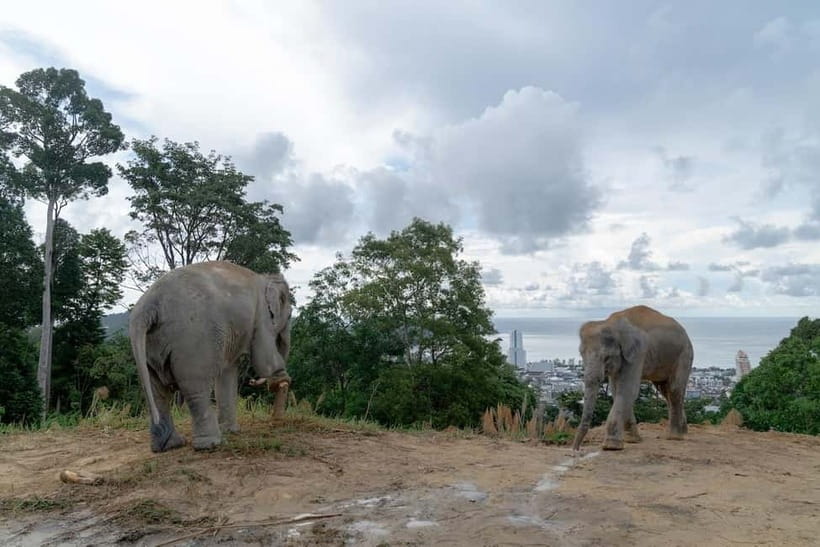
Book it if you want a calm, hands-on introduction to elephant care, with a forest walk, food preparation, and clear attention to natural behavior. The strongest parts are the time spent watching the elephants make their own choices and the chance to help prepare banana trees and grass.
Before booking, confirm the true duration and decide if you can manage a sanctuary with no toilet. If you need a polished attraction with many facilities, this new site may feel too basic. If you value open space, direct care work, and respectful contact, the $45 price can be good value, especially with hotel transfer included.
FAQ
Where does the Patong Elephant Sanctuary tour begin?
Pickup is available from hotels in Patong, Tri Trung, and Kalim when the hotel transfer option is selected.
How long does the experience last?
The activity is advertised as one hour, but the detailed route lists a 45-minute van ride each way and a two-hour guided visit at the elephant village. Confirm the exact timing before booking.
What animals will I see?
You will spend time with elephants retired from tourism at the Hill Tribe Elephant Village.
What activities are included?
You will join a guided forest walk, attend an elephant education session, and help cut banana trees and collect fresh grass for the elephants.
Is the tour conducted in English?
Yes. The listed live tour guide language is English.
Is hotel transportation included?
Hotel transfer is included if you select that option. Pickup is listed for Patong, Tri Trung, and Kalim.
Is food included?
No. Meals are not included. Drinking water is provided, and you are asked to bring a reusable bottle.
Is there a toilet at the sanctuary?
No. The sanctuary currently has no toilet facility and says this helps avoid construction and preserve forest space.
Just added around Phuket
- The Upside Down House: Phuket’s Must-See Attraction★ 4.7 · 13 reviews
- Siam Niramit Phuket Admission Ticket with Transfer Option★ 4.6 · 49 reviews
- Simon Cabaret Phuket Show Included Tickets and Transfer★ 4.4 · 155 reviews
- Phuket: Zipline Flying Higher than a Hawk with ATV Option★ 4.7 · 33 reviews
- Phuket:City Tour,Big Buddha, Forest Safari Tiger Park Canopy★ 3.6 · 15 reviews
- Phuket: White Water Rafting and Jungle Adventure with Lunch★ 3.9 · 192 reviews
- Phuket: White Water Rafting, ATV, and Zipline Adventure★ 3.1 · 35 reviews
- Phuket: Tu Bar Rooftop at Sri Panwa F&B Packages★ 4.5 · 22 reviews
Elephant Sanctuaries, compared.
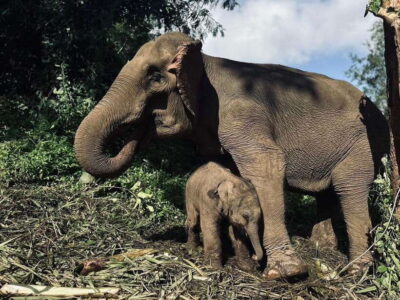
Elephant Sanctuary, Waterfall & Bamboo Rafting
Read our review →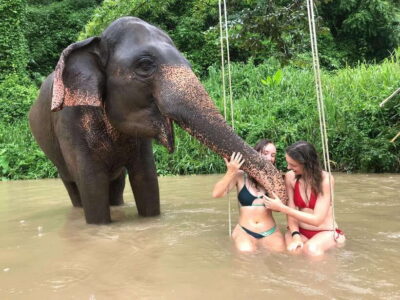

Elephant Sanctuary Feeding Program Half-Day Tour
Read our review →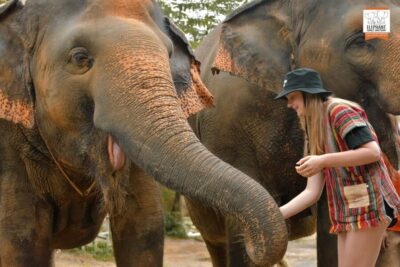
Elephant Jungle Sanctuary Ethical Feeding Experience
Read our review →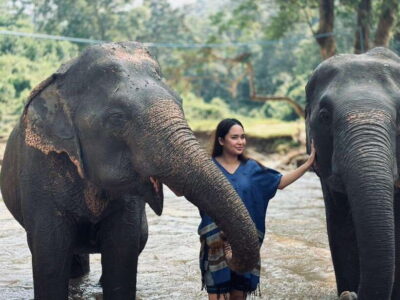
Elephant Sanctuary, Long Neck & Sticky Waterfall
Read our review →
Elephant Bathing Session at Krabi Elephant Shelter
Read our review →
Elephant Sanctuary Guided Tour with Hotel Transfers
Read our review →
Browse the lists this tour appears in