
Reviewed · STREET FOOD TOURS
Krabi: Morning Food Tour with Local Guide
Krabi Town is at its best before the heat sets in, when market stalls are cooking breakfast and locals are choosing what to eat for the day. This 3.5-hour food walk takes you from Maharaj Market to modest family restaurants, with more than 10 tastings along the way. I like the market start and the chance to try Southern Thai dishes that are not always easy to find on tourist menus.
I also like the small group limit of eight, which should make it easier to ask questions and keep a steady pace. Guide View receives especially strong praise for her warmth, clear English, and ability to make the food understandable for a five-year-old as well as adults. The main drawback is simple: this is a walking tour in a warm town, and anyone with food allergies should not book it.
Key points to know before you book
- Start with Krabi’s morning market: You will see fresh produce, snacks, tropical fruit, and the everyday rhythm of local shopping.
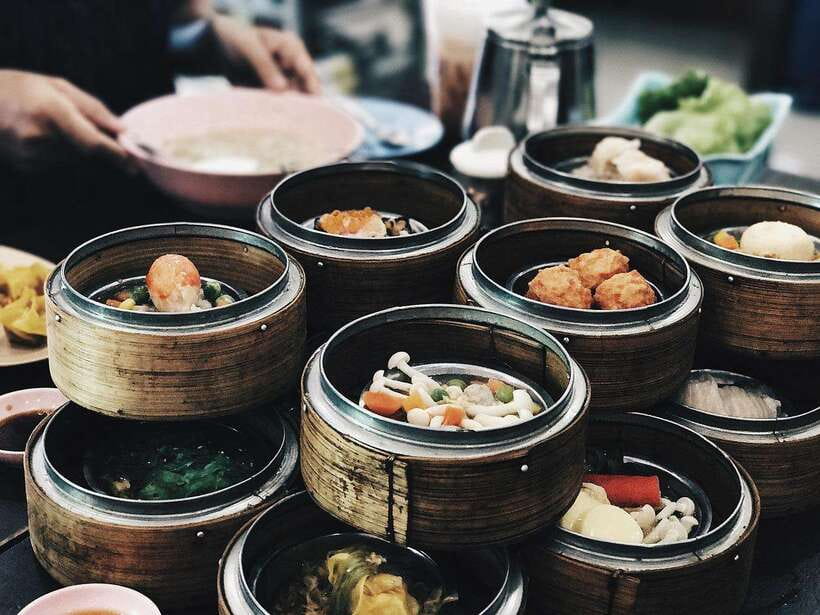
- Four food stops follow: Expect dim sum, an on-rice meal, roast meats, herbal drinks, roti, curry, and other Southern specialties.
- Small groups matter: The tour is limited to eight participants, a useful size for market lanes and family-run restaurants.
- Guide View is a strong possibility: She is praised for local food knowledge, friendly service, and making the experience work for families.
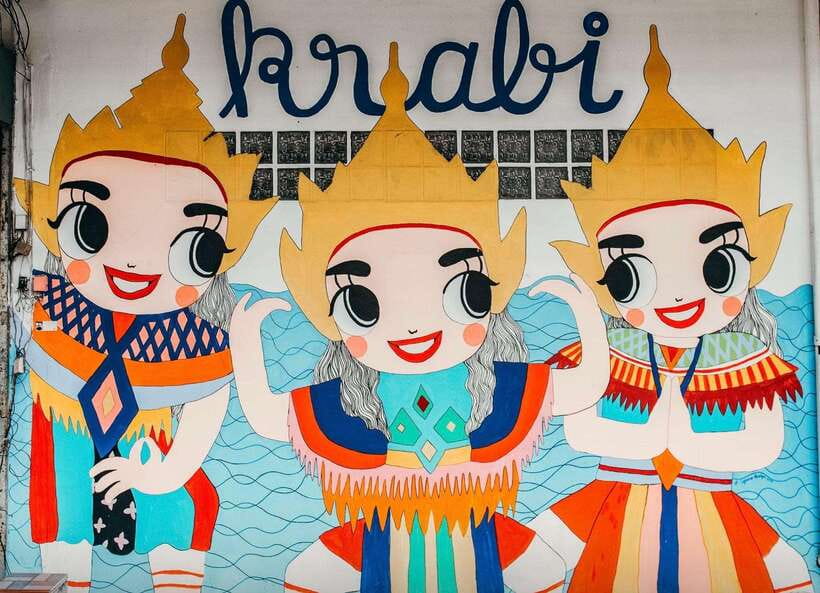
- Street art adds a local frame: The route begins by Krabi Street Art: Wild Life Wonder and ends near the Mud Crabs Sculpture.
- Skip breakfast: With 10 or more tastings over the morning, arriving hungry is one of the best practical tips.
Why this morning food walk works so well
Food tours can be hit or miss. Some simply move you from one restaurant to another. This one has a better shape: you begin in a public market, walk through town, stop at several local food businesses, and finish with a family-run roti shop. The food is the main attraction, but the streets, murals, river views, and guide’s explanations give the meal a sense of place.
I especially like the focus on ordinary breakfast food. Thai cooking is not just curries served at dinner. Morning eating may involve steamed dumplings, rice plates, sweet snacks, fruit, herbal drinks, flatbread, and dishes shaped by Chinese and Muslim traditions. That makes this a useful first activity in Krabi Town, particularly if you are still learning what to order.
The tour costs $54 per person. That is more than you would spend eating at the same kind of local shops on your own, but the price covers a guide, all listed tastings, accident insurance, and the work of selecting and explaining the stops. You are paying for access and context, not just food. The value is best if you want help navigating unfamiliar dishes and prefer a planned morning to guessing your way through the market.
More Street Food Tours in Krabi:
- Bangkok: Backstreets Food Tour with 15+ Tastings
★ 4.9 · 2,880 reviews - Southern Flavors Phuket Food Tour with 15+ Tastings
★ 5.0 · 1,933 reviews - Bangkok Backstreets Food Tour with 15+ Tastings
★ 5.0 · 1,926 reviews
Meeting the guide beside the Wild Life Wonder mural
The meeting point is near the entrance to Maharaj Market on Maharaj 9 Alley, in front of the Krabi Street Art: Wild Life Wonder mural. It is opposite Ran Beauty Land and near the Shell gas station. Your guide wears an orange Taste Krabi shirt.
Arrive at least 10 minutes early. The tour starts on time, and the meeting point is specific enough that arriving late could be awkward. The route finishes at the Mud Crabs Sculpture, so you should not expect to return to the starting point.
The first mural gives the walk a useful visual marker. Krabi’s street art includes wildlife and local themes, so the tour begins with more than a food briefing. You get an early look at how the town presents its identity through public art.
Maharaj Market: the best place to begin

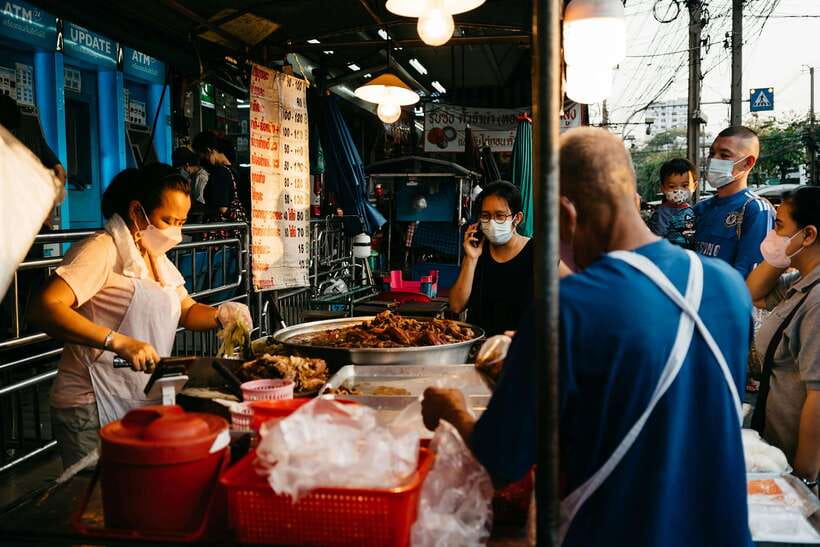
The first major section lasts about an hour and takes place around Muang Krabi and the morning market. This is where the tour earns its local character. Your guide leads you past stalls with fresh produce, snacks, tropical fruit, and less familiar local treats.
A market is often the most revealing place to start because it shows what people actually buy for breakfast. You can look at ingredients before tasting finished dishes, and your guide can explain how the food fits into daily life. For a first-time visitor, that helps turn an unfamiliar display into something you can understand.
You should expect several small tastes here rather than one large meal. That is important because the tour has many stops still to come. Pace yourself, even if every plate looks worth trying.
The market can also be the least polished part of the morning. You are walking through an active food-shopping area, not a staged attraction. Surfaces may be uneven, stalls may be close together, and the heat can build as the morning goes on. Wear comfortable shoes, bring water, and use sunscreen and a hat as advised.
A riverside walk and Krabi’s public art
After the market, the route includes a short walk of about 10 minutes with a photo stop and views along the way. The walk leads toward a local dim sum restaurant near the river.
This pause matters because it breaks up the tastings. You are not simply eating indoors for three and a half hours. You get a little time to see Krabi Town, notice the street art, and hear about local places as you move between stops.
The route’s landmarks also help place the food in a wider setting. The murals celebrate local wildlife and the work of area artists. At the end, the Mud Crabs Sculpture provides a clear finish and another local symbol for your photos.
Do not expect a long sightseeing tour. The landmark portions are brief, and the food remains the focus. If your main goal is temples, viewpoints, or a full history lesson, you will need a separate town walk.
More food tours in Krabi:
- Krabi: Elephant Feeding Program with Food Preparation
★ 4.8 · 43 reviews - Bangkok: White Orchid Chao Phraya Dinner Cruise free Beer
★ 4.4 · 4,573 reviews - Bangkok by Night: Temples, Markets and Food Tuk-Tuk Tour
★ 5.0 · 3,752 reviews - Bangkok Midnight Food Tuk Tuk Tour
★ 5.0 · 2,542 reviews
Dim sum at a local morning restaurant
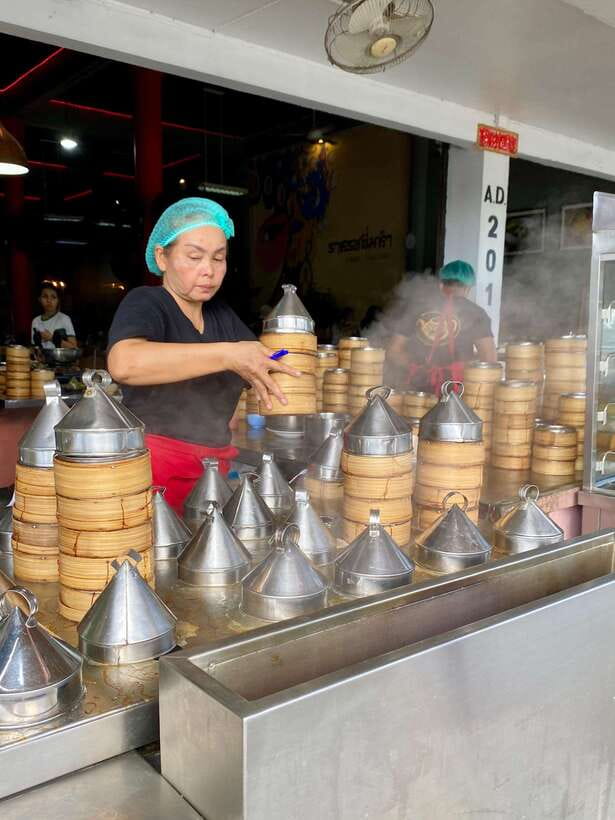
The first sit-down food stop is a local dim sum restaurant known for steamed dishes and a friendly atmosphere. You will try a selection that can include dumplings and soft buns with savory fillings.
This is a smart early stop. Dim sum fits naturally into the morning, and the shared selection lets you compare textures and fillings without ordering a full plate of one unfamiliar item. Your guide can explain what you are eating and how local Chinese food traditions fit into Krabi’s food culture.
The restaurant setting should also give you a welcome break from the market and the street. You can sit, eat, and ask questions before continuing.
Keep in mind that the exact dishes may change. The route can be adjusted if a vendor closes or an unexpected problem arises. That is normal for a food tour built around independent local businesses, but it means you should not treat any single dish as guaranteed.
Third-generation Thai-Chinese cooking and roast meats

The next stop is a third-generation Thai-Chinese local restaurant. Here you will have an on-rice dish with options that include homemade crispy pork, clay oven roasted pork, and aromatic chicken. Thai herbal juices are also part of the tasting.
This stop gives you a look at a different kind of local meal. Instead of small steamed pieces, you get a more filling plate built around rice, meat, and sauce. The roast pork dishes should appeal to anyone who likes crisp edges and savory flavors, while the herbal drinks offer a cooling contrast.
The family history is part of what makes the stop worthwhile. A third-generation business carries a sense of continuity without needing a formal museum or lecture. You are tasting food from a place that has served its community over time, and your guide can help explain why these dishes matter.
This is also the point where skipping breakfast pays off. Four food stops, plus market tastes and drinks, can add up quickly. The portions are designed for sampling, but you should arrive ready to eat rather than treating this as a light coffee walk.
Southern flavors at a family-run Muslim roti shop
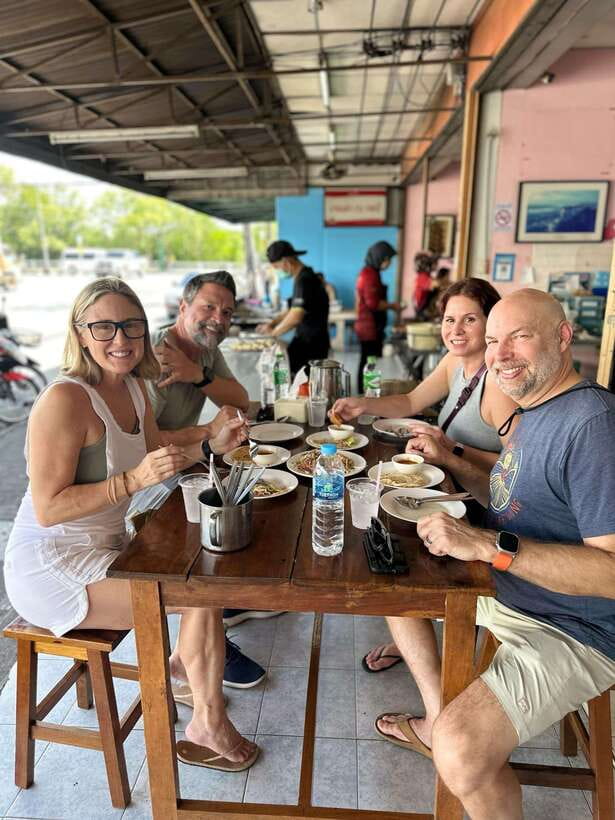
The final food stop is a family-run Muslim roti shop that has served local breakfast for decades. You will taste freshly made flatbread, Southern curry, and a Southern specialty that is less common in tourist areas.
For me, this is one of the most useful parts of the route. Southern Thai food often has a stronger, more forceful profile than the familiar dishes found on international menus. The Muslim influence adds another layer, with roti and curry offering a clear reminder that Krabi’s food culture is not one single tradition.
Roti also gives the tour a satisfying finish. It is made fresh, eaten as a breakfast favorite, and connected to a local family business rather than a restaurant aimed mainly at sightseers. You get a dish that feels tied to the town’s daily routine.
The warning about allergies matters most here and across the whole tour. The activity is specifically not suitable for people with food allergies. Multiple stops, shared tasting menus, sauces, meat preparations, and unfamiliar ingredients make this a poor setting for anyone who needs strict control over food preparation.
What the guide adds to the morning
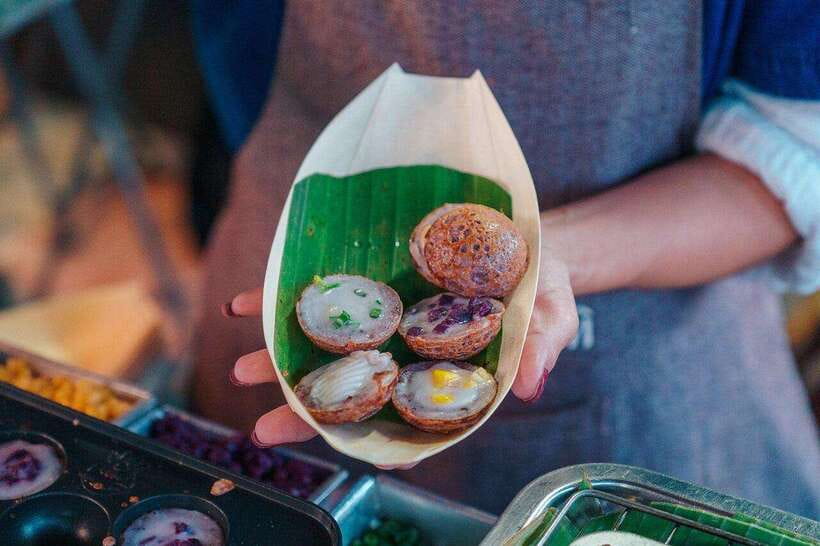
The guide is the difference between a series of snacks and a useful introduction to Krabi food. You will hear what the dishes are, how they fit local eating habits, and why the stops were chosen. The English-language format makes it easier to ask about ingredients, flavors, and customs as you go.
View is the guide most often associated with this experience, and she is praised for being warm, clear, and flexible. Her approach appears to work well for couples, first-time Thai food eaters, and families. One particularly useful detail is that she kept a five-year-old engaged and willing to try unfamiliar dishes.
That does not mean every guide will have the same personality. Guide assignment can vary, so book this for the route and food as well as for any particular guide. Still, the small group limit gives the guide room to talk with you instead of delivering a fixed speech to a large crowd.
Is $54 good value for Krabi?
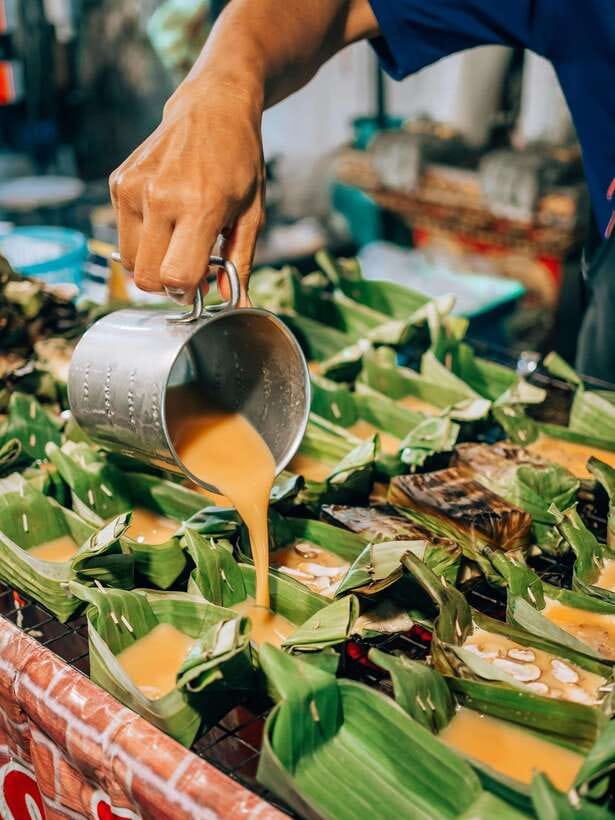
At $54, this is not a budget breakfast. You could spend far less by visiting one market stall and ordering a single dish. The comparison is not quite fair, though, because this experience includes at least 10 food and drink tastings at several locations, a three-and-a-half-hour guide-led walk, and local interpretation.
I see the value in three areas:
- You can sample many foods without committing to full portions.
- You get help identifying dishes and understanding local food customs.
- You visit family-run and local-style stops that may be difficult to find on your own.
The price makes the most sense for solo visitors, couples, and families who want a planned introduction to Krabi Town. It is less attractive if you already know the town well, speak Thai, or prefer choosing each meal independently.
The small group size helps protect the value. Eight people is large enough to keep the tour social but small enough for market movement and questions. A private tour would cost more, while a large group could make the food stops slower and less personal.
Practical advice for a comfortable morning
Arrive early at the mural, not just at the market in general. Wear shoes you can walk in for several hours, and bring a hat, sunscreen, a camera, and water. Smoking and pets are not allowed.
Eat very little before the tour, or skip breakfast altogether. You will begin with market snacks and fruit, then continue through dim sum, rice dishes, roast meats, drinks, roti, curry, and other tastes. You do not need to force every bite, but arriving full would reduce the value.
The tour lasts 210 minutes, or three and a half hours. It is a walking activity with food stops, not a coach excursion. The pace includes sitting at restaurants, but you should still be comfortable walking outdoors in the morning heat.
The itinerary can change if a vendor closes or another unexpected issue affects the route. That flexibility is practical for small local businesses, though it means the exact order and dishes are not fixed.
You can cancel up to 24 hours before the activity for a full refund, and the reserve-now, pay-later option keeps your plans flexible. Those terms are useful if your Krabi schedule is still moving around.
Who should book this food tour?
I would recommend it to you if you are new to Thai food, want to eat breakfast like a local, or prefer a guide to help you order and understand unfamiliar dishes. It is also a good fit for couples and families who want food plus a little street art and town sightseeing in one morning.
It suits adventurous eaters, but you do not need to be an expert. The range of dishes lets you sample gradually, and the guide can explain what is on the plate. Families may appreciate that the tour has worked well for a young child, although individual tastes will always vary.
I would skip it if you have food allergies, dislike walking in warm weather, or want a formal cooking class. It is also not the right choice if you need an exact, unchanging menu. Local restaurants and market vendors do not always operate on a rigid schedule.
Should you book the Krabi morning food tour?
Book it if you want to understand Krabi through its breakfast table rather than through a standard sightseeing route. The combination of Maharaj Market, dim sum, Thai-Chinese roast meats, herbal drinks, Southern curry, Muslim roti, street art, and a small group gives you a broad introduction in one morning.
The strongest reason to go is the variety. You are not sampling one famous dish and calling it local food. You are moving through several food traditions and business types, with a guide helping you make sense of them.
The main caution is practical: come hungry, wear good shoes, and do not book if allergies are a concern. For everyone else, this is a well-focused way to get your bearings in Krabi Town and find food you might otherwise walk past.
FAQ
How long does the Krabi food tour last?
The tour lasts 210 minutes, or three and a half hours.
Where does the tour begin?
Your guide meets you near the Maharaj Market entrance on Maharaj 9 Alley, in front of the Krabi Street Art: Wild Life Wonder mural. The meeting point is opposite Ran Beauty Land and near the Shell gas station.
Where does the tour finish?
The tour finishes at the Mud Crabs Sculpture.
How many people can join the tour?
The group is limited to eight participants.
What food and drinks are included?
The tour includes 10 or more food and drink tastings. The stops include market snacks and tropical fruit, dim sum, an on-rice dish, crispy pork, clay oven roasted pork, chicken, Thai herbal juices, Muslim roti, Southern curry, and another Southern specialty.
Is the tour suitable for people with food allergies?
No. The activity is not suitable for people with food allergies.
Just added around Krabi
- Krabi: Ya’s Cookery Late Afternoon Thai Cooking Class★ 4.7 · 35 reviews
- Krabi: Ultimate Zipline Games Challenge★ 4.4 · 13 reviews
- Krabi: Unveiling Thai Flavors by Night at Smart Cook School★ 4.8 · 9 reviews
- Krabi: Sunrise Yoga Balance Join-in Class★ 4.9 · 22 reviews
- Krabi: Sunset Yoga Balance Join-in Class★ 4.7 · 57 reviews
- Krabi: Tiger Cave Temple Sunset Tour★ 4.3 · 58 reviews
- Krabi shooting range (9mm GLOCK17 10 bullet)★ 4.6 · 52 reviews
- Krabi shooting range(.22 LRM4, .10 bullet)★ 4.3 · 73 reviews
Street Food Tours, compared.
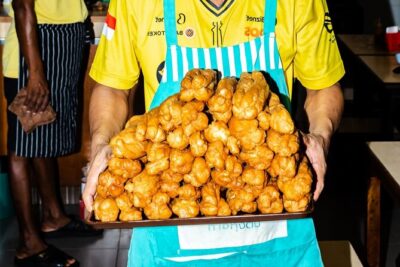
Southern Flavors Phuket Food Tour with 15+ Tastings
Read our review →Bangkok Backstreets Food Tour with 15+ Tastings
Read our review →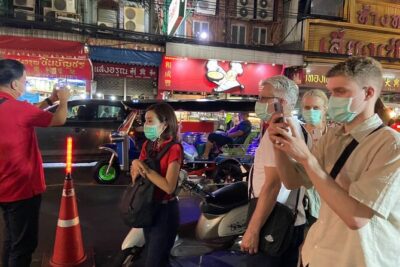
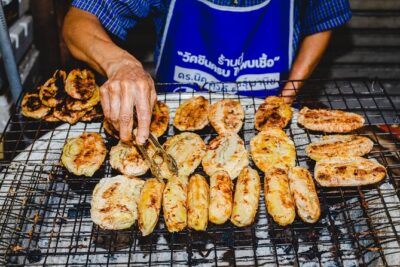
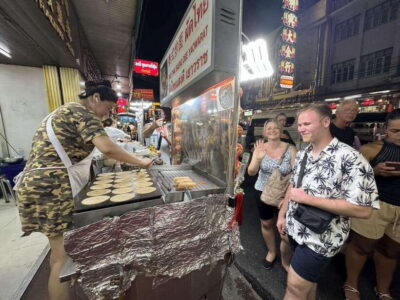
Bangkok Authentic Tasting Thai-Chinatown Walking Food Tour
Read our review →
Small-Group Chiang Mai Evening Street Food Tour
Read our review →
Bangkok Tuk-Tuk Tour by Night with Chinatown Street Food Meal
Read our review →Browse the lists this tour appears in