
Reviewed · ELEPHANT SANCTUARIES
Krabi: Love Elephant Sanctuary Tour
The best part of the Love Elephant Sanctuary visit is that you do more than take photos beside elephants. You help prepare their food, make herbal medicine, cover them in mud, and wash them afterward. I like the hands-on care and the way guides explain each elephant’s background, habits, and needs. I also like that riding is forbidden and the elephants are presented as animals to respect, not amusement-park props.
Two hours is enough time to enjoy the activities without turning the visit into an all-day commitment. The main consideration is crowd size: some sessions feel small, while others can place several people around only two elephants. If personal space and quiet observation matter most to you, ask about the group size before booking.
Key points at a glance
- Food preparation comes first: You chop and prepare fruit before feeding the elephants.
- Tuki leads the visit: She is known for lively explanations, humor, and strong personal care for the animals.
- Mud and water are part of the fun: Bring swimwear, a towel, and clothes that can get very dirty.
- No elephant riding: The activity focuses on feeding, observing, bathing, and gentle contact.
- Ao Nang pickup is included: The drive from Ao Nang is often around 10 to 15 minutes, depending on the hotel.
- Two hours offers the best balance: The longer visit includes the food, mud, and bathing activities that make this more than a quick photo stop.
A hands-on morning with elephants near Ao Nang
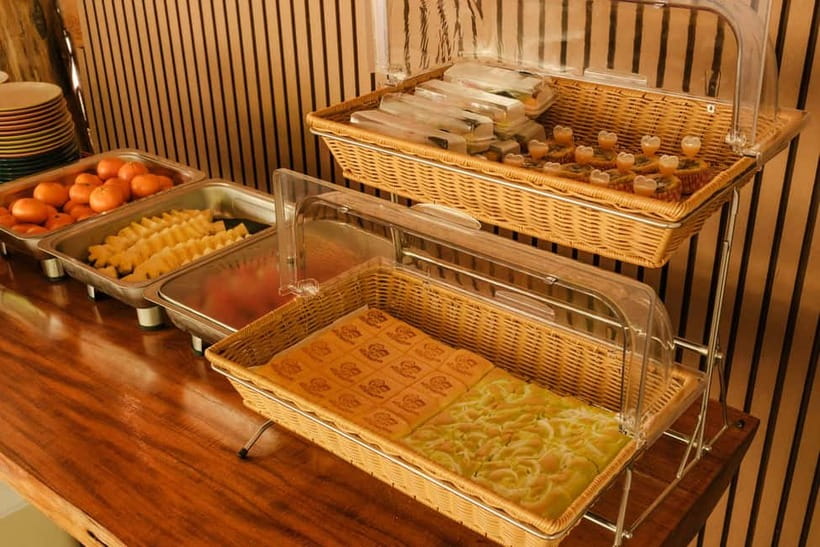
Love Elephant Sanctuary Krabi offers a compact two-hour visit for $51 per person. That price includes a round-trip transfer from hotels in Ao Nang, a guide, locker use, snacks, fruit, and drinks. Lunch is not included, but with the short running time, you can easily fit this into a morning or afternoon plan.
The sanctuary focuses on contact that has a useful purpose. You are not simply led into an enclosure for a quick picture. You prepare food, feed the elephants, help with a herbal treatment, and take part in mud bathing and washing. That structure gives the visit a clear rhythm, and it helps you understand how daily care works.
I especially like the mix of quiet watching and active work. You can see how the keepers read the elephants’ behavior, then step in when it is safe and appropriate. The staff appear to put elephant welfare and visitor safety first, while still giving you plenty to do.
The setting is not a grand wildlife park with a long list of animals. The number of elephants may be limited, and some sessions have focused on two elephants. That can be a good thing because you get more time to understand individual personalities, but it can also mean a busier group gathered around fewer animals.
More Elephant Sanctuaries in Krabi
- Krabi: Elephant Bathing Session at Krabi Elephant Shelter
★ 4.9 · 2,021 reviews - Krabi: Elephant Care House Guided Tour with Hotel Transfers
★ 4.7 · 543 reviews - Krabi: Highlights Tour with Krabi Elephant Shelter
★ 5.0 · 131 reviews
Pickup from Ao Nang and the short transfer
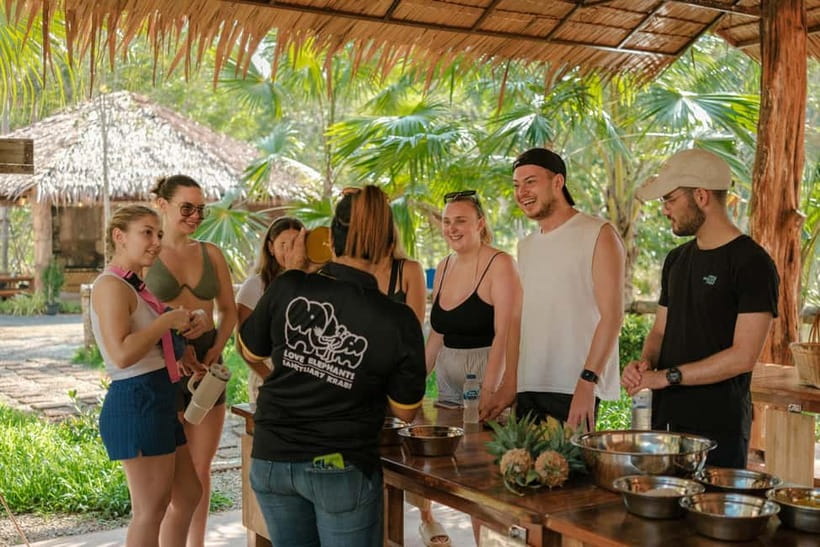
Pickup is included from hotels in Ao Nang. You are asked to wait in the hotel lobby 10 minutes before the scheduled time and look for a Love Elephant Sanctuary Krabi van. Staff wear shirts with the same logo, which should make the meeting easier.
The sanctuary is often only a 10 to 15 minute drive from Krabi or Ao Nang, although your exact ride depends on the hotel and road conditions. That short transfer makes this an easy addition to a beach holiday. You do not have to give up a full day of sightseeing or arrange a separate taxi.
Communication about pickup time may need a little attention. One useful tip is to contact the sanctuary through WhatsApp in advance if you have not received a clear message. One visitor also arranged pickup from a resort that was not listed as a standard pickup point, so it is worth asking rather than assuming your hotel is excluded.
The operating hours are 8:00 AM to 4:00 PM every day. Starting times vary, so check availability when you book. Morning visits can be practical if you want the rest of the day for Ao Nang, Railay, or a boat trip.
Learning the elephants’ stories before feeding
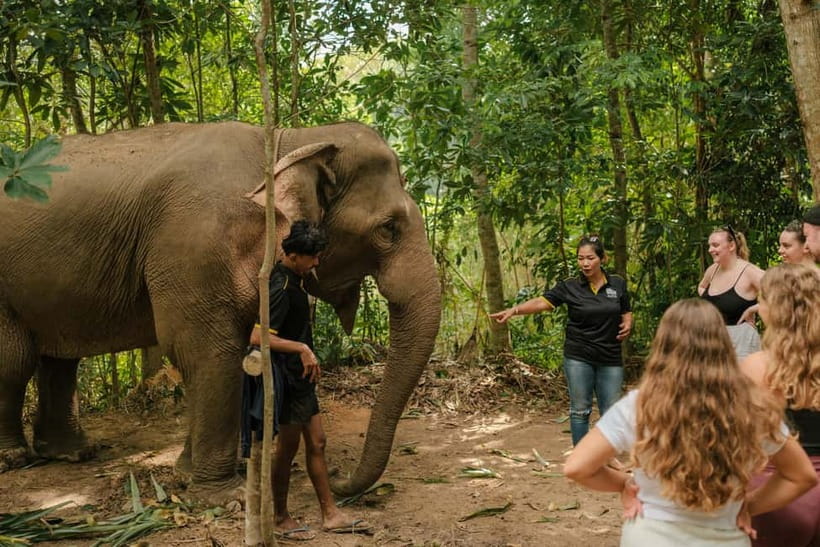
The visit begins with an introduction to the elephants and the sanctuary’s approach to care. Guides explain the animals’ pasts, personalities, and behavior before you get close. This short briefing matters. Elephants are large, powerful animals, even when they are calm and gentle.
Tuki, also known by the nickname Sexy Lady, receives repeated praise for her humor and clear explanations. She has been described as passionate about the elephants and quick to answer questions. The English and Thai tour options mean you should be able to follow the safety instructions and background information in one of those languages.
The ancient tools demonstration adds useful context. You see equipment connected with older elephant work and learn a little about how elephants were handled in the past. The tools are not just decoration. They help explain why rescued or retired elephants may need a different kind of care today.
I like this opening because it gives you a reason to watch rather than rush toward physical contact. Pay attention to the keepers’ instructions. Their understanding of each elephant’s mood helps determine how close you should stand and what kind of touch is suitable.
Preparing fruit and making herbal medicine
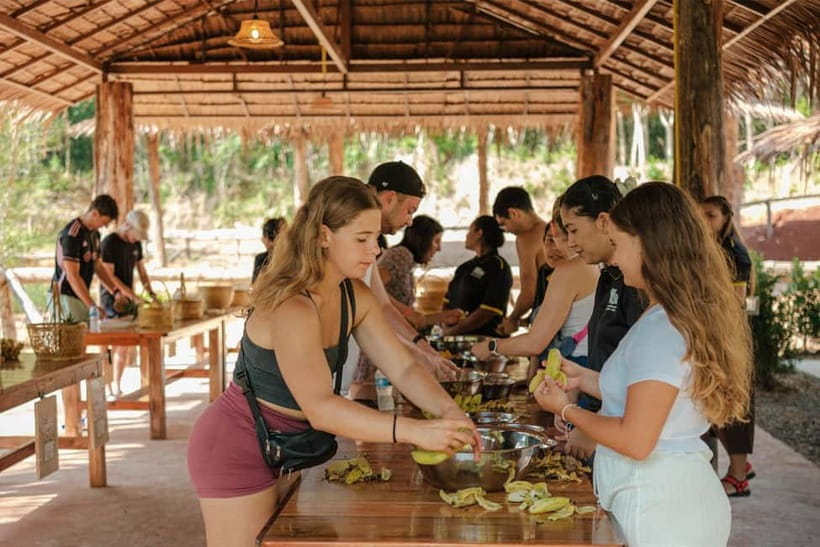
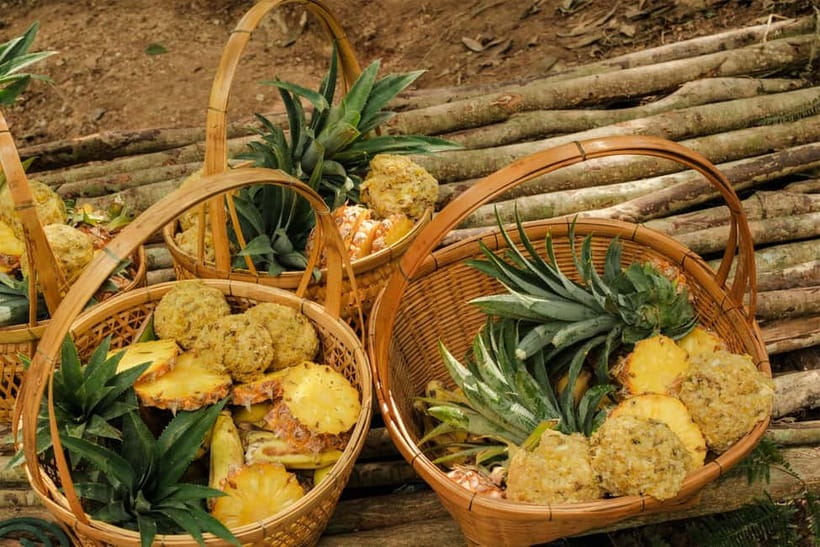
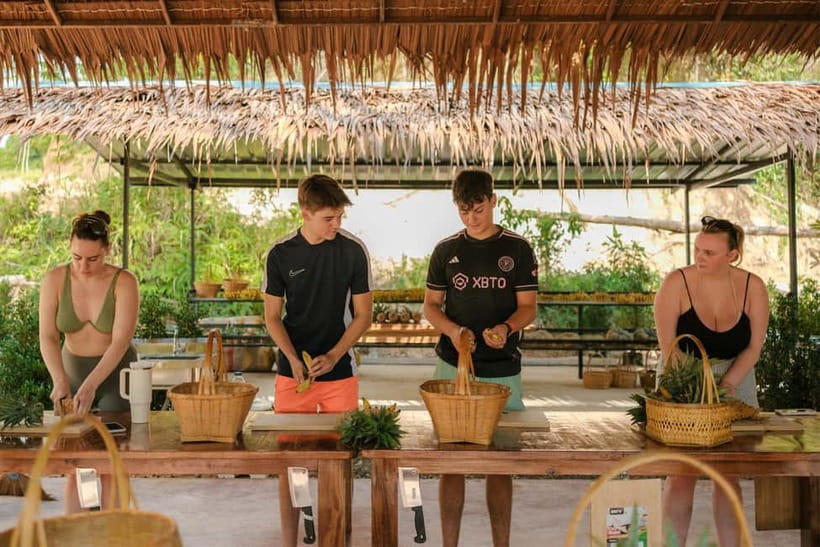
Next, you prepare fruit for the elephants. This is a simple task, but it changes the way you think about feeding. Instead of receiving a ready-made snack, you help with one small part of the animals’ daily routine.
Feeding is usually the moment when the elephants feel most animated. They may use their trunks to reach for food, and you quickly learn that an elephant can detect a banana hidden in a bag. Keep your own snacks packed away, especially fruit. One practical tip is not to carry bananas in your bag, since the elephants can smell them.
The herbal medicine activity adds another layer. You help make a treatment intended for the elephants, then learn why supplements or herbal care can matter to their health. The supplied information does not give a specific recipe or medical claim, so think of this as an introduction to sanctuary care rather than a veterinary lesson.
The useful point is that the visit does not treat feeding as the whole attraction. Food is one part of broader care, alongside water, vitamins, health support, and safe living conditions. That makes the activity more meaningful than simply handing out treats.
Same base, a completely different sort of day out:
- Krabi: Tiger Cave Temple, Emerald Pool and Hot Springs Tour
★ 4.8 · 3,616 reviews - Krabi: Tiger Cave, Hot Springs and Emerald Pool Jungle Tour
★ 4.2 · 2,643 reviews - Krabi: Kayak Adventure through Ao Thalane Mangrove Forest
★ 4.6 · 2,024 reviews - Krabi: Bioluminescent Plankton, Snorkeling & Sunset Tour
★ 4.3 · 863 reviews
The muddy spa and elephant bathing
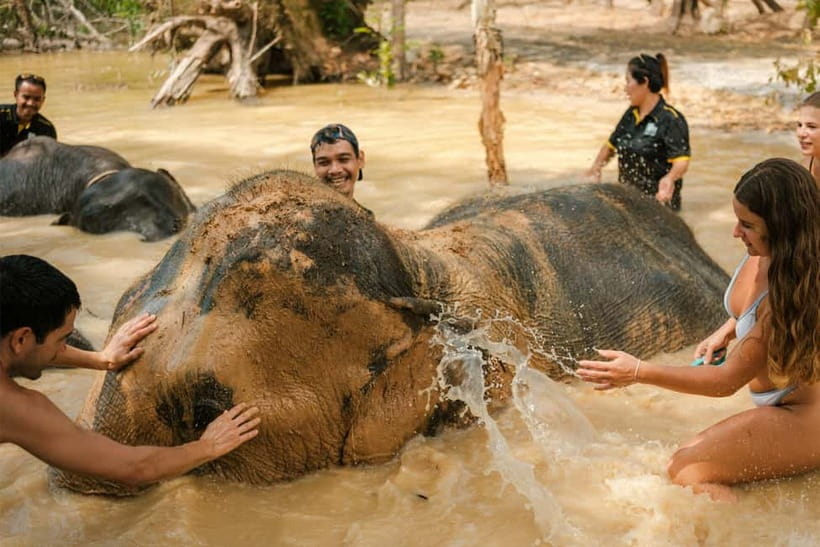
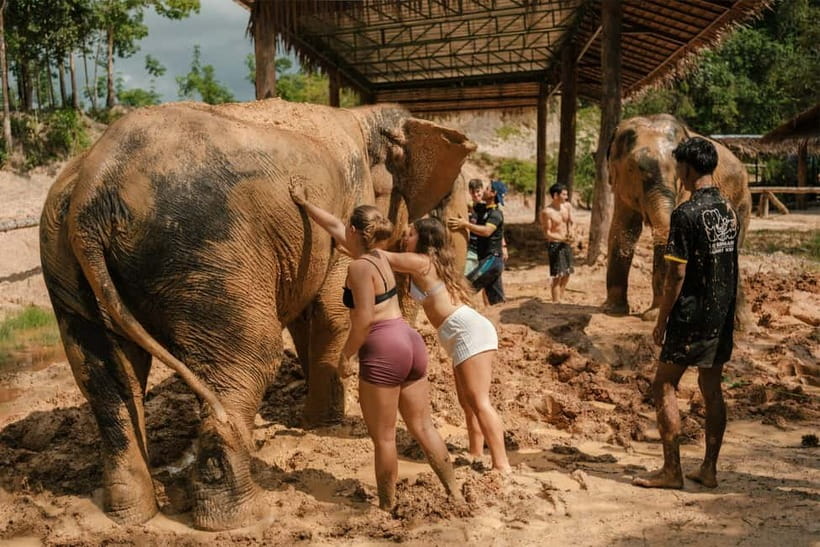
The mud bath is the messiest and most memorable part of the visit. You help cover the elephants with mud, following staff guidance and keeping your movements calm. Expect your shoes, shorts, and shirt to get dirty. This is not the time for your best beach outfit.
Mud can help cool an elephant’s skin and offers a natural form of protection, but the main value for you is seeing another care routine up close. The activity also gives you a chance to interact without riding or forcing a performance.
After the mud comes the washing. You bathe the elephants and help remove the mud, often near water. This is where the tour becomes especially physical. You may get wet, muddy, and tired, but the activity remains short enough that it does not become exhausting for most people who are comfortable outdoors.
Bring swimwear, a towel, comfortable shoes, shorts, and a change of clothes. Wear something suitable for outdoor activity and assume it will be splashed. Lockers are included, which is useful for keeping phones, wallets, and dry clothing away from the mud and water.
The staff’s role matters here. Several accounts describe the keepers as calm around the elephants and attentive to their behavior. That does not remove all risk, so you should follow instructions closely, avoid sudden movements, and never bring food close to an elephant unless the guide tells you to.
What the welfare approach means in practice
The sanctuary presents itself as a welfare-focused place, and several details support that impression. Riding is not allowed. The activities center on feeding, medicine, mud, washing, and observation rather than tricks or forced performances.
The elephants are described as able to walk freely, with staff who know their temperaments. Visitors have also noted the visible connection between the keepers and the animals. Those are encouraging signs, but you should still make your own judgment. A short visit cannot answer every question about an animal facility’s funding, veterinary care, or long-term plans.
A good sign is that the guides explain individual histories and behavior instead of treating every elephant as interchangeable. You are encouraged to understand when an elephant is comfortable and when it needs space. That is a better lesson than simply being told to touch as much as possible.
There are only a few elephants at some points in the sanctuary’s development. One recent account described two elephants serving a larger group, while another described three visitors with three elephants. This means your experience can vary by date and group size.
If you want a private-feeling encounter, ask about expected numbers before paying. If you are comfortable sharing the space and value a short, active introduction to elephant care, the limited number of animals may help the staff keep a closer eye on everyone.
Is $51 a fair price?
At $51, this is not the cheapest possible elephant encounter in Krabi. The value comes from what is bundled into the two hours: Ao Nang transport, a live guide, fruit preparation, feeding, herbal medicine making, mud bathing, elephant washing, snacks, drinks, and a locker.
The transfer alone saves you the hassle of arranging a taxi. The included food and drinks are modest extras, but they are welcome after muddy outdoor activities. The real value is the length and range of the visit. A short feeding session may suit someone with limited time, but the two-hour option lets you reach the mud and bathing stages.
Lunch is not included. That is not a serious problem because the activity lasts only two hours, but plan your next meal separately. You should also factor in the cost of changing clothes or cleaning muddy footwear if you are traveling on to another activity.
Free cancellation is available up to 24 hours in advance, and you can reserve now and pay later. Booking at least three hours ahead is recommended. Those terms are useful if your Krabi plans are changing, but confirm the final pickup details before the day of the tour.
Who will enjoy this visit most?
This tour suits adults, older children, couples, families with suitable children, and anyone who wants active contact rather than distant viewing. You need to be comfortable standing outdoors, handling mud, changing clothes, and following instructions around very large animals.
It is not suitable for children under three, pregnant women, people with back problems, or wheelchair users. The physical parts of the visit may also be awkward if you have difficulty walking, bending, or getting wet.
You should choose it if you want:
- A short activity close to Ao Nang
- A chance to feed and wash elephants
- A guide-led introduction to animal care
- A no-riding experience
- A muddy, hands-on morning rather than a formal wildlife lecture
You may want a different activity if you prefer long periods of quiet observation, dislike mud, or want to see a larger number of elephants. The sanctuary experience is personal and practical, but it is not a wide-ranging wildlife tour.
Practical tips for a better visit
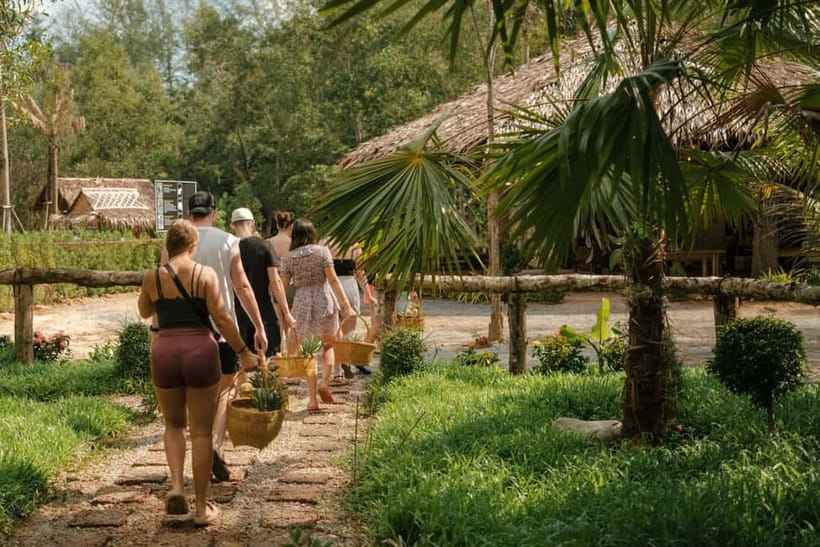
Book at least three hours ahead, then confirm your pickup time if no message arrives. Wait in the hotel lobby 10 minutes early and watch for the sanctuary van or staff shirts.
Wear clothes that can get dirty. Swimwear under quick-drying clothes works well, though the supplied information only requires comfortable outdoor clothing, shorts, shoes, and a towel. Bring a full change of clothes for afterward.
Use the locker for valuables. Keep bananas and other strongly scented food out of your bag. Follow the guide’s instructions during feeding, mud bathing, and washing, even if an elephant appears relaxed.
If you are deciding between a short visit and the two-hour option, I would choose the longer one. The extra time is what allows the food preparation, herbal medicine, mud, and bathing to fit without feeling rushed.
Should you book the Love Elephant Sanctuary tour?
I would book this tour if you want a convenient, two-hour introduction to elephant care near Ao Nang, especially if feeding and bathing matter more to you than seeing many animals. The staff’s attention to individual elephants, the ban on riding, and the focus on practical care all point in a more respectful direction than elephant attractions built around shows.
Go in with realistic expectations. Group size can change, there may be only two or three elephants, and the mud bath is genuinely messy. But at $51, the included transfer and hands-on activities make the price reasonable for a well-organized half-day add-on.
Choose the two-hour session, bring spare clothes, confirm pickup, and be ready to get dirty. That is the version most likely to feel like time spent caring for elephants rather than simply posing beside them.
FAQ
How long is the Love Elephant Sanctuary tour?
The activity lasts two hours.
How much does the tour cost?
The listed price is $51 per person.
Is hotel pickup included?
Yes. Round-trip transfer is included from hotels in Ao Nang. You should wait in the hotel lobby 10 minutes before pickup and look for the Love Elephant Sanctuary Krabi van.
What activities are included?
You can see ancient elephant tools, prepare fruit, feed the elephants, make herbal medicine, give them a muddy spa, and bathe them.
Is elephant riding included?
No. Riding animals is not allowed.
Are food and drinks included?
Snacks, fruit, and drinks are included. Lunch is not included.
What should I bring?
Bring comfortable shoes, swimwear, a towel, comfortable clothes, shorts, outdoor clothing, and a change of clothes for afterward.
Is the tour available in English?
Yes. The live tour guide is available in English and Thai.
Who cannot join this activity?
The activity is not suitable for children under three, pregnant women, people with back problems, or wheelchair users.
Just added around Krabi
- Krabi: Ya’s Cookery Late Afternoon Thai Cooking Class★ 4.7 · 35 reviews
- Krabi: Ultimate Zipline Games Challenge★ 4.4 · 13 reviews
- Krabi: Unveiling Thai Flavors by Night at Smart Cook School★ 4.8 · 9 reviews
- Krabi: Tiger Cave Temple Sunset Tour★ 4.3 · 58 reviews
- Krabi: Sunrise Yoga Balance Join-in Class★ 4.9 · 22 reviews
- Krabi: Sunset Yoga Balance Join-in Class★ 4.7 · 57 reviews
- Krabi shooting range (9mm GLOCK17 10 bullet)★ 4.6 · 52 reviews
- Krabi shooting range(.22 LRM4, .10 bullet)★ 4.3 · 73 reviews
Elephant Sanctuaries, compared.
Elephant Sanctuary, Waterfall & Bamboo Rafting
Read our review →
Elephant Sanctuary Feeding Program Half-Day Tour
Read our review →
Elephant Jungle Sanctuary Ethical Feeding Experience
Read our review →
Elephant Sanctuary, Long Neck & Sticky Waterfall
Read our review →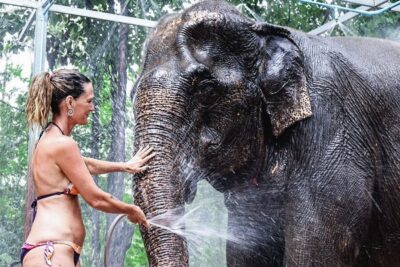
Elephant Bathing Session at Krabi Elephant Shelter
Read our review →
Elephant Sanctuary Guided Tour with Hotel Transfers
Read our review →
Browse the lists this tour appears in