
Reviewed · HILL TRIBE VILLAGES
Chiang Dao Cave & 5 Hill Tribe villages
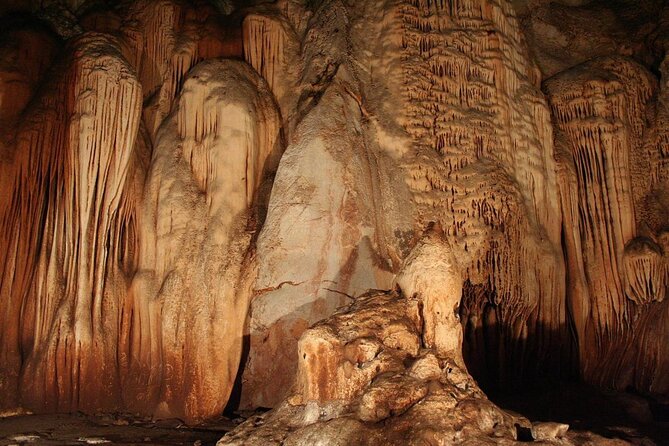
Chiang Dao Cave is the star here: a dark, humid limestone passage where a local guide leads you by lantern, past stalactites, stalagmites, bats, and Buddhist images. The day also takes you beyond Chiang Mai’s busy streets to five northern Thai communities: Akha, Meo, Lisu, Karen, and Palong.
I like the mix of nature and local culture, and I like that village guides join the visit instead of leaving your English-speaking guide to explain everything alone. Guides such as Tik, Jane, Saman, Amy, and Leo have been especially praised for their warmth and knowledge of plants, customs, and history. The main caution is pace: with so much packed into eight hours, the village stops and orchid farm can feel rushed, especially after a late departure.
Key points to know before booking
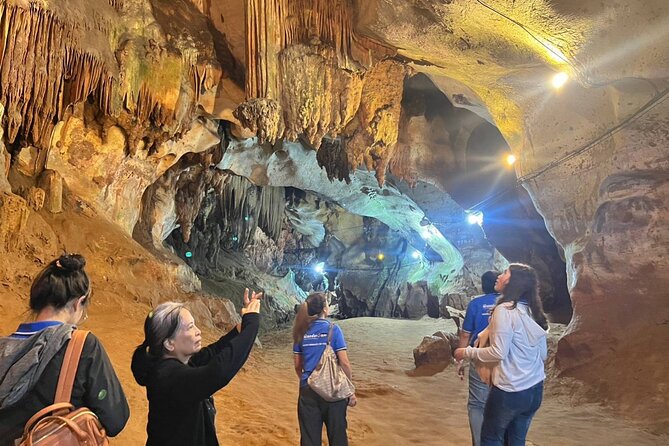
- Lantern-lit Chiang Dao Cave: Some passages are unlit, narrow, and require crawling. Comfortable shoes are essential.
- Five hill tribe communities: You see Akha, Meo, Lisu, Karen, and Palong traditions in one rural stop, though the visit can feel brief.
- Excellent guides make a difference: Tik, Jane, Saman, Amy, Leo, Duang, and others are praised for clear English, humor, plant knowledge, and good relationships with local people.
- Bai Orchid and Butterfly Farm: A calm greenhouse stop with Thai orchids and butterflies, but its entrance fee is not included and the visit may be short.
- Bring Thai baht: Lunch, purchases, possible tips, and the orchid farm may require cash.
- A full day outside Chiang Mai: Pickup and drop-off in the Old City area are included, with groups limited to 15 people.
Why Chiang Dao Cave gives this day its character
Many day trips from Chiang Mai keep you on the surface, moving between viewpoints and temples. This one takes you underground. Chiang Dao Cave feels less like a polished attraction and more like a living religious site, with shrines, Buddhist figures, natural rock formations, and local guides who know the passages.
The cave has installed lighting in some areas, but the more memorable section is explored with a single lantern. That light picks out the wet rock and leaves the rest in darkness. You may see bats, squeeze through tight spaces, and move carefully over uneven ground.
This is not a simple walk through a paved tunnel. Two passages are narrow enough that you need to crawl. The cave can be hot and humid, and you may brush your shoulders or head against the rock. If you are claustrophobic, this is a serious consideration, not a minor footnote.
Wear sturdy walking shoes or sneakers. Flip-flops are a poor choice on uneven surfaces, and a hat can protect your head in the tighter sections. Wear clothing that can get dusty or damp. Keep valuables to a minimum during the cave walk.
The cave is also a sacred place. You are not just looking at geology. The Buddhist decorations and local religious meaning give the visit a cultural side that a standard cave tour often lacks. Your cave guide is included, and the admission fee is part of the tour price.
More Cave Tours in Chiang Mai
- Chiang Mai: Bua Thong Sticky Waterfall & Huge Cave & Buffet
★ 4.8 · 1,049 reviews - No.1 Full-Day Chiang Mai Caving & Jungle Kayaking: Chiang Dao
★ 4.5 · 206 reviews - From Chiang Mai: Chiang Dao Cave Trekking Full-Day Tour
★ 4.8 · 126 reviews
Five communities at Ban Huai I-Ko
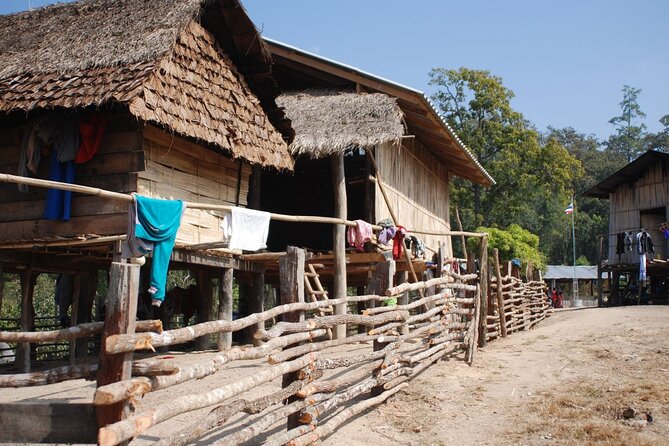
The village stop at Ban Huai I-Ko brings together people from five hill tribe groups commonly found in northern Thailand: Akha, Meo, Lisu, Karen, and Palong. The point is to compare their clothing, customs, beliefs, homes, and daily routines rather than treat the area as one single culture.
That distinction matters. The word hill tribe covers several different peoples, and their traditions are not interchangeable. A good guide can help you notice those differences without turning the visit into a dry lecture. Saman, Tik, Jane, and other guides have been praised for explaining how local people use plants, work with the land, and maintain community traditions.
You may have a chance to see handmade goods and purchase local products. Some visits feel informal, with villagers showing aspects of their lives rather than presenting a highly staged attraction. At other times, the shopping element can feel more prominent than the cultural explanation. One useful attitude is to go with curiosity, not the expectation of an open-air museum.
You should also understand the power balance. Buying a small handmade item can be a direct way to support local families, but you should not feel obliged to purchase something. Some people have felt pressure to buy, while others appreciated that the tour brings income to communities with limited cash flow. If you want to help, ask your guide about appropriate purchases or donations rather than handing out random items.
A school donation may be possible, according to the information provided for this tour, but it is optional. Bring small Thai baht notes if you think you may shop, donate, or tip. You can also politely decline and continue observing respectfully.
The village portion is one of the tour’s more unusual features, but it may not satisfy you if you want a long, slow visit in one community. The schedule attempts to cover five groups in one stop, so you receive breadth rather than a detailed study of one village.
Bai Orchid and Butterfly Farm adds a gentler pause
The Bai Orchid and Butterfly Farm is a much softer experience than the cave. Inside its greenhouse, you can see Thai orchids, flowering plants, and butterflies moving among the displays. It gives you a chance to slow down, take photographs, and enjoy a little color before or after the hill country drive.
The farm also offers orchids that you can bring home, though the supplied information does not specify the price or exact purchase rules. The entrance fee is not included, and one practical detail matters: the farm may accept Thai baht cash only. Keep some currency available rather than assuming a card will work.
The farm is not the reason to book this excursion, but it balances the more demanding parts of the day. If you love plants, it may be a highlight. If your main goal is the cave and villages, you may regard it as a pleasant extra.
Timing can affect how much you get from this stop. When the tour leaves late or the group spends longer elsewhere, the garden visit may feel hurried. Your departure time can shift between 8:00 and 9:00 a.m., depending on the number of people booked, so check the private message sent through the booking platform the day before.
The day’s likely rhythm from Chiang Mai
Pickup and drop-off are offered in the Chiang Mai Old City area. The listed meeting point is 77 Mun Mueang Road, Tambon Si Phum, and the usual start time is shown as 9:00 a.m., although the actual departure can be earlier, between 8:00 and 9:00.
The drive takes you north toward Chiang Dao, with a stop for refreshments or a bathroom break possible along the way. The exact order can vary, but the day commonly includes the orchid and butterfly farm, the hill tribe communities, a lunch stop, and Chiang Dao Cave.
Lunch is not included in the $52.18 price. A restaurant stop is made, and the meal is paid separately. Bring enough baht for food, drinks, purchases, and any tips you choose to give. The quality and price of lunch can vary, so think of it as a practical break rather than a central feature of the tour.
The air-conditioned vehicle matters here. This is a long rural day, and you will appreciate having a cool ride between stops. The group size is capped at 15 people, which is small enough for questions but not the same as a private tour.
The guide and driver are separate strengths of the trip. Several guides, including Tik and Leo, have been praised for staying organized and communicating well. Others, including Saman and Jane, are noted for their plant knowledge and relationships with the village and cave guides. Your assigned guide will vary, so do not book on the assumption that one particular person will lead your departure.
The tour operates in rain or sunshine. Tropical showers can be short, but heavy rain may delay the schedule while the group finds shelter. During the rainy season, carry a poncho or raincoat. Weather-related cancellation does not qualify for a refund.
More Hill Tribe Villages in Chiang Mai
- Thai and Akha Cooking Class in Chiang Mai
★ 5.0 · 4,358 reviews - Chiang Mai: Elephant Sanctuary, Long Neck & Sticky Waterfall
★ 4.9 · 2,262 reviews - 4-Hour Doi Suthep & Hmong Hill Tribe Village from Chiang Mai
★ 4.7 · 696 reviews - 4 in 1 Elephants Long Neck Rafting and Sticky Waterfall Tour
★ 5.0 · 126 reviews
What the $52.18 price really covers

At $52.18 per person, this is a strong value if you want several different experiences in one day. The price includes Old City pickup and drop-off, an air-conditioned vehicle, a licensed English-speaking guide, local guides in the villages and cave, and Chiang Dao Cave admission.
You are paying for logistics as much as entry tickets. Reaching Chiang Dao independently would require arranging transport, finding the cave, locating a guide, and working out how to visit the communities respectfully. Here, those pieces are handled in one day.
The price does not cover lunch, the orchid and butterfly farm entrance, personal spending, or tips. Those extras are not necessarily expensive, but they make the real cost higher than the advertised amount. I would carry enough baht for a meal, drinks, optional shopping, and the garden admission.
The value is best for someone who wants variety. In one outing you get a cave, a temple setting, village culture, plants, butterflies, and countryside. The trade-off is that no single stop receives unlimited time. A specialist looking for a long cave expedition or a serious ethnographic visit may prefer a more focused tour.
The cave is physical, so plan for it
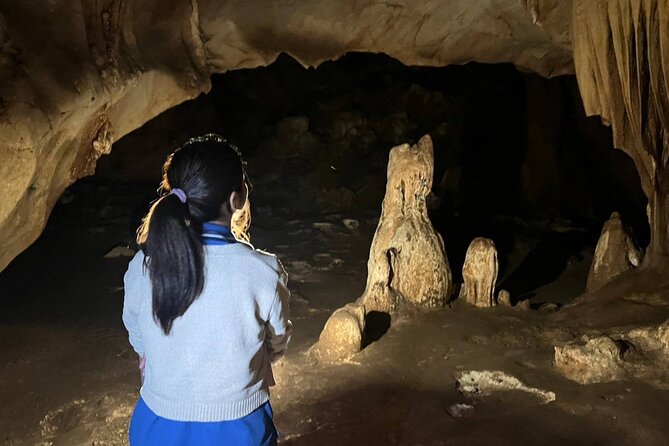
The tour requires moderate physical fitness. You will walk over uneven ground, bend low, and crawl through two narrow sections. This is not suitable for anyone with claustrophobia, and it may be uncomfortable for people with mobility concerns.
The supplied information does not promise an accessible route or an easy alternative. If you cannot crawl or have difficulty walking on rough surfaces, ask the operator before booking. The same advice applies to older family members, even though children have completed the tour successfully with their families.
Inside the cave, a short-sleeved shirt may be comfortable because it is humid. A hat helps protect your head, while shoes with a firm sole help on the rocky floor. Put your phone and camera somewhere secure. The cave can be dusty, damp, and tight enough to bump against your clothing or equipment.
The lantern-led section is worth the effort, but it is not polished or predictable. That is exactly why it feels special. You are following a local guide through natural darkness rather than walking along a fully lit, paved attraction.
Strengths and limits of the cultural visit
The strongest cultural part of this tour is the explanation. A guide who can connect clothing, language, beliefs, plants, and daily work gives the village stop meaning. Guides such as Tik, Saman, Jane, and Amy have been praised for making those details understandable and for answering questions with humor and patience.
The weaker point is the amount of time. Five groups in one stop is ambitious. Some people will appreciate the broad comparison, while others will feel that visiting four or five communities after the cave takes too long. The tour can also feel commercial if souvenir buying becomes the focus.
I would book this with realistic expectations. You are not signing up for several days of rural homestay or an extended social exchange. You are getting a guided introduction, a chance to support local sellers, and a view of life outside Chiang Mai. Be respectful with photographs, listen to the guide, and do not treat people as scenery.
Who will enjoy this Chiang Dao day trip
This tour suits you if you want to get beyond Chiang Mai for one day without arranging transport yourself. It works especially well for first-time visitors who want a broad look at northern Thailand rather than one narrow activity.
You will likely enjoy it if you:
- Like caves, temples, and unusual natural settings
- Want a guide to explain local customs and plants
- Are comfortable with a moderate physical outing
- Enjoy small purchases from village communities
- Want an eight-hour trip with several different stops
- Prefer a group capped at 15 people
It may not suit you if you dislike shopping stops, need a relaxed schedule, or feel uneasy in tight underground spaces. It is also less suitable if you want to spend a full morning at one village or a long time at the orchid farm.
The high rating of 4.8 from 181 reviews and the 94 percent recommendation rate fit the tour’s main strengths: the cave, the guides, and the mix of nature and culture. The lower experiences point to practical issues rather than a completely different product: a sick guide, a late start, rushed gardens, disappointing lunch, or discomfort with village shopping.
Practical tips for a better day
Check your booking message the day before for the exact pickup time. The group waits no more than 10 minutes after the scheduled meeting time, so arrive early. If you are delayed, contact the operator before departure.
Pack a poncho during the rainy season, comfortable shoes, a hat, water, and cash in Thai baht. Do not count on every stop accepting cards. Carry only what you need into the cave.
Keep your schedule open after the tour. The advertised duration is about eight hours, but weather, traffic, group timing, and the cave visit can affect the return time. Pickup and drop-off are limited to the Chiang Mai Old City area.
Cancellation is free up to 24 hours before the start time. Cancellations or changes made less than 24 hours in advance, as well as no-shows, are not refunded. The tour runs in wet weather unless conditions require a short shelter break.
Should you book the Chiang Dao Cave and hill tribe tour?
Book it if you want a busy but worthwhile day that combines a memorable cave, northern Thai communities, plants, and countryside. The lantern-lit cave gives the outing its strongest sense of adventure, while the guides add the context that makes the village visit more than a quick photo stop.
Skip it if crawling through narrow passages is a deal-breaker, or if you want a slow and intimate visit with one community. Also think twice if you dislike any shopping pressure.
For most people who want variety and practical transport from Chiang Mai, $52.18 is a fair price. Bring cash, wear real walking shoes, and treat the village stop as a respectful introduction rather than a staged show. That approach will give you the best chance of enjoying what this day does well.
FAQ
How long does the Chiang Dao Cave and hill tribe tour last?
The tour lasts approximately eight hours and ends back at the meeting point in Chiang Mai.
Where does pickup take place?
Pickup and drop-off are offered in the Chiang Mai Old City area. The listed meeting point is 77 Mun Mueang Road, Tambon Si Phum, Chiang Mai.
What time does the tour start?
The listed start time is 9:00 a.m., but the actual departure can be between 8:00 and 9:00 a.m. depending on the group size. Check the booking platform message the day before.
Is lunch included?
No. A lunch stop is made, but the meal and drinks are paid for separately.
Do I need special shoes for Chiang Dao Cave?
Yes. Comfortable walking shoes or sneakers are recommended. Flip-flops are not advised because the cave has uneven areas and narrow passages.
Is the cave suitable for people with claustrophobia?
No. Two passages are quite narrow and require crawling, so the cave hike is not recommended for anyone with claustrophobia.
Just added around Chiang Mai
- Chiang Mai Best City Tour with Doi Suthep & Iconic Temples★ 4.5 · 24 reviews
- Chiang Mai Michelin Food Walking Tour with Professional Tour Guide★ 4.5 · 13 reviews
- Private Chiang Mai Temple Tour with Doi Suthep and Wat Umong★ 5.0 · 52 reviews
- Secret Waterfall and Bamboo Rafting from Chiang Mai★ 5.0 · 30 reviews
- Bua Tong Waterfall Adventure& Huge Cave included Thai Buffet Tour★ 4.5 · 28 reviews
- Chiang Mai Sak Yant Tattoo By Ajarn Tu★ 5.0 · 25 reviews
- Chiang Mai Airport Transfer by Private Van – Arrival or Departure★ 4.5 · 11 reviews
- Chiang Mai Scavenger Hunt and Sights Self-Guided Tour★ 5.0 · 8 reviews
Hill Tribe Villages, compared.
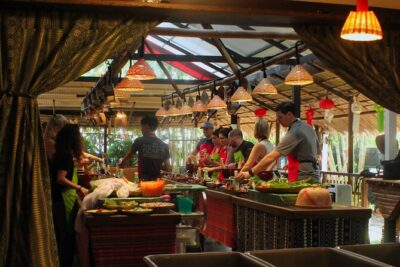
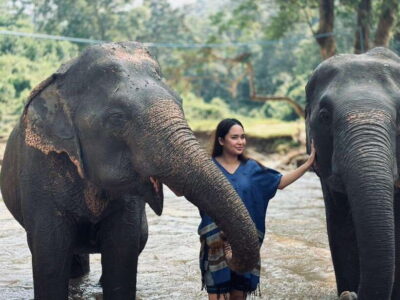
Elephant Sanctuary, Long Neck & Sticky Waterfall
Read our review →
4-Hour Doi Suthep & Hmong Hill Tribe Village from Chiang Mai
Read our review →
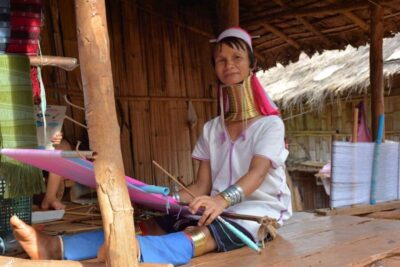
Long Neck Village & Chiang Rai’s Iconic Temples
Read our review →
4 in 1 Elephants Long Neck Rafting and Sticky Waterfall Tour
Read our review →
Chiang Rai Full Day Tour with Boat Trip and Longneck Village
Read our review →
Browse the lists this tour appears in