
Reviewed · STREET FOOD TOURS
Bangkok: Backstreets Food Tour with 15+ Tastings
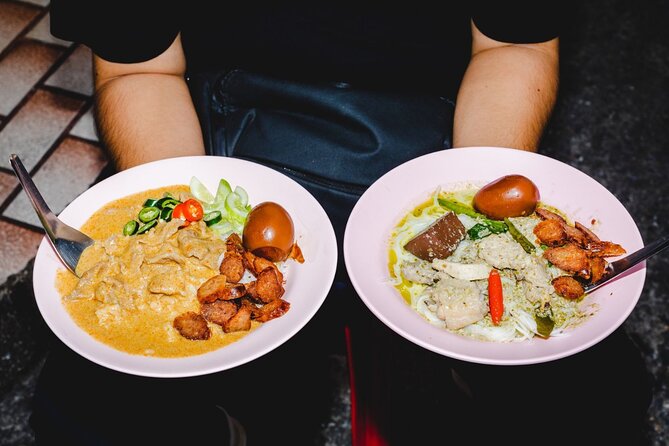
Bangkok’s Chinatown is best understood one bite at a time, and this tour makes a full meal of it. Over four hours, you walk narrow Yaowarat lanes that tuk-tuks cannot enter, stopping at 8 to 9 food counters for more than 15 tastings. The small group of eight is a real advantage in crowded Chinatown.
I like the wide range, from crispy chive dumplings and charcoal-grilled satay to slow-braised pork and poh taek seafood soup. I also like the two-guide system: one guide explains the food while an assistant runs ahead to secure seats and prepare the next stop. The catch is simple: strict vegetarians, vegans, and people with serious allergies should skip it, and some guides may talk at length or be hard to hear beside busy streets.
Key points to know before you book
- More than 15 tastings in 3.5 to 4 hours: This is a full meal, not a snack walk.
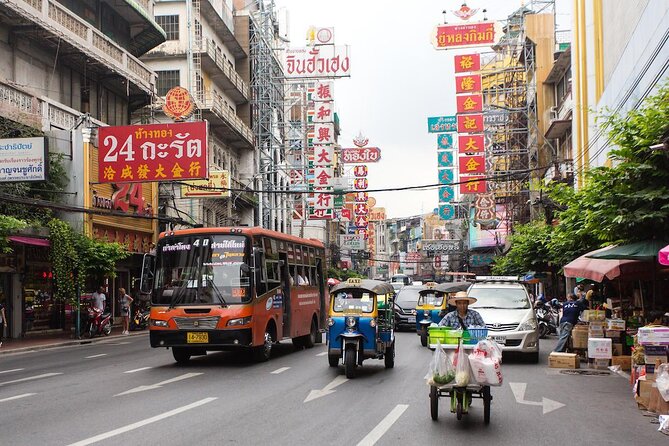
- Chinatown beyond Yaowarat Road: You enter side lanes and food spots that are easy to miss on your own.
- A maximum of eight people: The small group makes it easier to ask questions and stay together.
- Two staff members keep the stops moving: One leads the discussion while the other helps with tables and timing.
- Thai and Chinese food in one route: The tour connects Chinatown’s food to centuries of Chinese influence in Thailand.
- Pescatarians can join with limits: Expect two or three fewer tastings, while strict vegetarians and vegans are not suitable for this experience.
Why this Chinatown food walk works so well
I see this as a food tour first and a walking tour second. You are not spending long stretches listening to a guide describe food from a distance. You are walking a short route, sitting or stopping to eat, then moving on to the next dish.
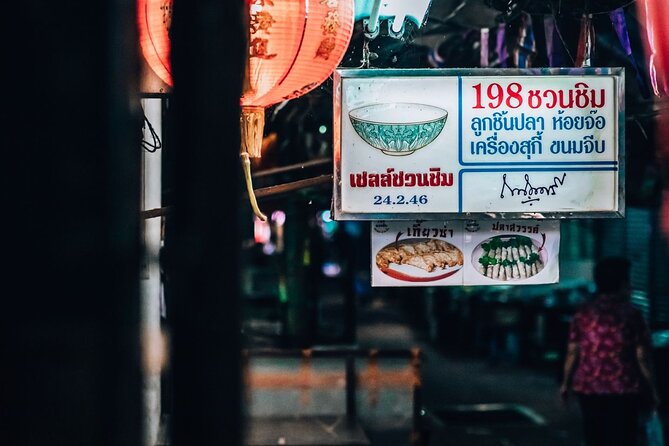
That format matters in Yaowarat. Chinatown can feel confusing at first, with bright signs, side streets, food carts, small restaurants, and crowds moving in every direction. A guide gives you a plan and removes the guesswork. You do not need to decide which stall looks safe, which dish is worth ordering, or how to explain what you want.
The tour begins outside Shanghai Mansion Bangkok. Look for a staff member in a black A Chef’s Tour polo shirt. The group then moves to a nearby café or bar on a side street, where you can use the restroom and meet the rest of the group before eating begins.
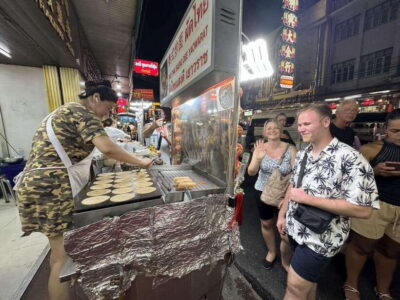
The experience is limited to eight people, and that number is important. A larger group would be awkward at tiny food counters and would make conversation difficult. Here, you can generally hear the guide, ask about ingredients, and keep an eye on the food being shared.
More Street Food Tours in Bangkok
- Bangkok Backstreets Food Tour with 15+ Tastings
★ 5.0 · 1,926 reviews - Bangkok: Michelin Guide Street Food Tour by Tuk Tuk
★ 4.4 · 1,274 reviews - Old Siam Bangkok Food Tour with 15+ Tastings
★ 5.0 · 867 reviews
The Chinese and Thai connection on your plate
The most useful theme is the meeting of Chinese and Thai cooking. Chinatown is not just a neighborhood with Chinese signs and restaurants. Chinese influence has shaped many familiar Thai dishes, especially noodles, stir fries, dumplings, braised meats, and seafood preparations.
Your guide uses the food to explain that connection. A dish may look Chinese, taste Thai, or combine techniques and ingredients from both traditions. You begin to notice how soy sauce, noodles, charcoal grilling, braising, seafood, and sweet sauces fit into Bangkok’s wider food culture.
I find this more useful than a basic list of dish names. By the end, you have a better idea of what you are ordering at street stalls across Thailand. You also learn how to taste a dish before adding extra chili, sauce, or seasoning. That small lesson can save you from covering up the original flavor too soon.
Several guides have received especially warm praise for their clear explanations and easy manner. Names that appear in recent bookings include Annie, JT, Ploy, Paninee, Oh, Som, Rach, and Pukpik. The exact guide depends on your departure, but the company pairs the main guide with an assistant on this route.
From chive dumplings to charcoal-grilled satay
The exact order can change, but the food progression gives you a good sense of the experience. Early tastings include crispy chive dumplings with nam jim jaew, a spicy and slightly sharp dipping sauce. The contrast between the crisp outside, soft filling, and punchy dip makes this a useful introduction to the tour’s approach.
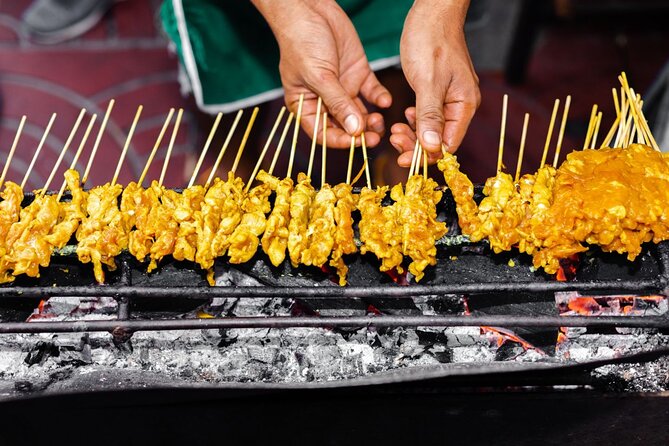
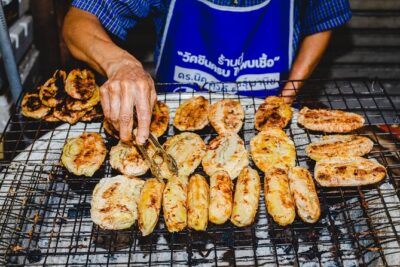
You then work through charcoal-grilled meat with satay sauce. The charcoal adds a smoky note, while the sauce brings sweetness and richness. This is the sort of food that can be easy to overlook if you are walking alone, since the best stop may sit in a small side lane rather than on the main road.
Slow-braised pork brings a different texture. The meat is tender and deeply seasoned, and you use chopsticks to work through it. The dish also shows why a guide helps. You are not simply told that it is pork. You get context about the cooking method, the flavors, and the Chinese connection behind the preparation.
Shrimp dumplings provide another change of pace. They arrive hot and steamy, and the portion is part of a shared series rather than a single large entrée. That is the key to the tour: you are eating enough at each stop to understand the dish, but the route keeps moving before one flavor takes over.
Poh taek seafood soup brings heat, herbs, and a strong seafood character. If you like Thai flavors, this is one of the more expressive stops. If you prefer mild food, tell the guide early. The tour is not built around bland dishes, and seafood-based ingredients appear often.
Why the Michelin-listed stops matter
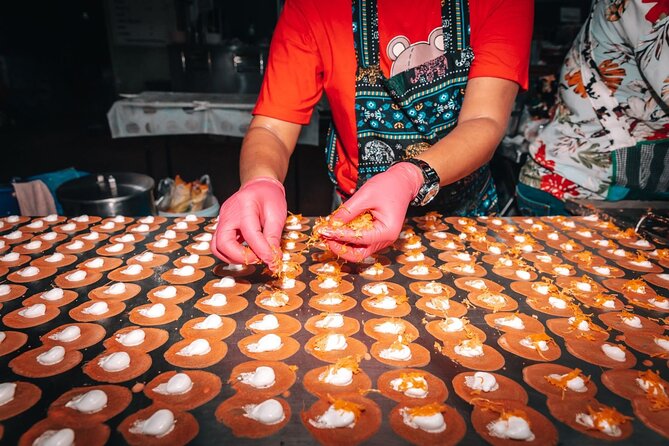
Two of the food venues on the route have Michelin recognition, with the full experience including two or three Michelin-listed street food stops depending on the time and operating schedule. That label is useful as a sign that the food has been noticed beyond the neighborhood, but it should not be the main reason you book.
The better point is access. Well-known counters can be busy, and a small group arriving without a plan may struggle to find seats or order efficiently. The assistant helps by going ahead, arranging tables, and getting the next stop ready. This keeps the route from turning into a long wait outside each venue.
I would not expect a formal restaurant meal. These are street food venues and casual local places. The appeal is the food, the pace, and the setting. You may eat at a small table, stand briefly, or share dishes with the group. That suits the area, but anyone wanting a quiet dinner with personal service should choose a restaurant instead.
Same base, a completely different sort of day out:
- Bangkok: Damnoen Saduak Market and Maeklong Railway Market
★ 4.5 · 26,723 reviews - The Old Siam: Damnoen Saduak and Maeklong Railway Market
★ 4.5 · 10,992 reviews - Bangkok: Train Market & Floating Market with Boat Ride
★ 4.7 · 9,547 reviews - Bangkok Canal Tour: 2-Hour Longtail Boat Ride
★ 4.5 · 5,909 reviews
The backstreets are part of the meal
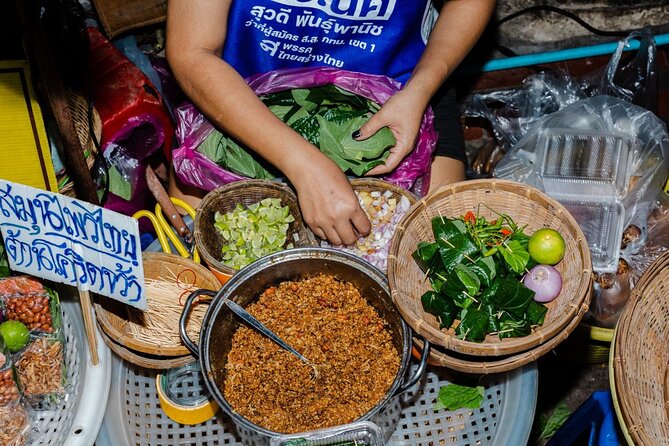
The route returns to Shanghai Mansion Bangkok along Yaowarat Road, but much of the walk takes place away from the main street. These narrow lanes are where the experience earns its name. You see the less polished, more everyday side of Chinatown, with food being prepared in compact spaces and local life continuing around you.
The walking is not presented as a strenuous hike. Still, you should wear comfortable shoes. The tour lasts 3.5 to 4 hours, and standing around food counters is part of the day. Bangkok heat and sudden rain are also practical concerns, so bring an umbrella and wear clothing suited to the weather.
Chinatown can be crowded and noisy, especially near Yaowarat Road. That is part of the atmosphere, but it can make a soft-spoken guide difficult to hear. Stay close when the group is on a busy street and ask for a repeat if you miss an explanation.
One small frustration is that the route moves quickly enough that you may not remember every alley or venue. If you find a dish you love, ask the guide for the name and location before leaving. It would be useful to have a written list afterward, but you should not count on recalling every turn in the maze.
The two-guide system earns its keep
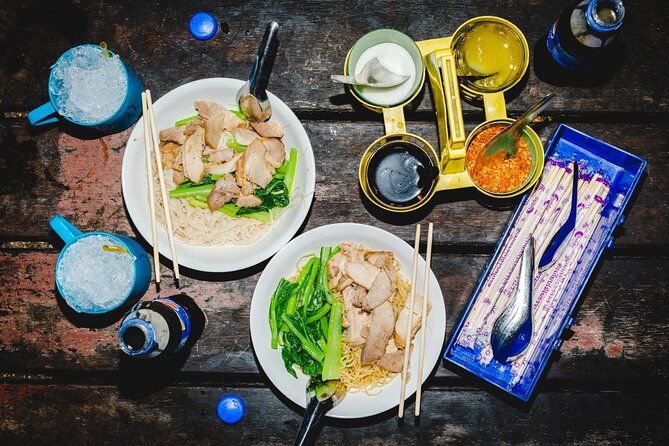
The tour includes a licensed guide and an assistant, which is unusual for a group this small. The arrangement is practical rather than flashy.
The lead guide explains the dishes, local customs, ingredients, and the story of the neighborhood. The assistant stays in the background, checks the next location, finds seats, helps with food, and keeps the group moving. Several named guides, including Pukpik, Annie, JT, and Paninee, have been praised for combining friendly conversation with clear organization. Assistants such as Ninja, Butter, Rainbow, and Mai are often singled out for handling the behind-the-scenes work.
This division makes a difference at popular stops. You do not have to wait while one person orders for everyone or searches for a table. It also lets the guide focus on you instead of racing ahead to solve every practical problem.
The downside is that the experience depends partly on the individual guide. Some are highly energetic and talkative. That can make the tour fun, but it can also slow the pace. Others may speak softly in the street. The small group gives you a chance to ask questions, so use it.
Is $62 a fair price?
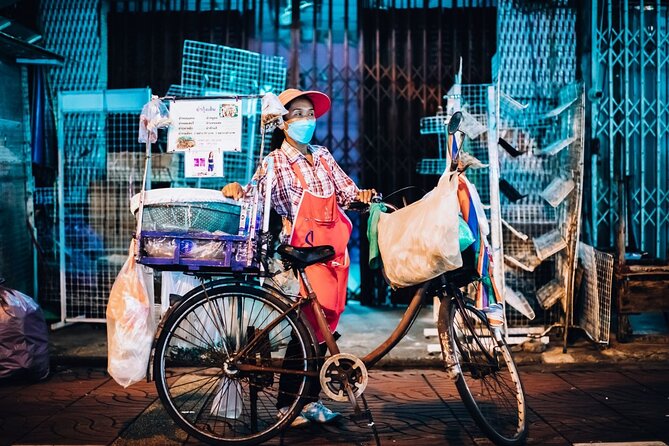
At $62 per person, the tour is not the cheapest way to eat in Chinatown. You could certainly buy individual dishes for less if you already know where to go and feel comfortable ordering at local stalls.
The value comes from the range and the organization. You receive more than 15 tastings, visit 8 to 9 stops, get an English-speaking guide, have an assistant helping with logistics, and spend four hours learning how the neighborhood works. Bottled water is included. Alcohol is not.
I think the price makes sense for a first visit, especially if you are unsure how to approach Bangkok street food. You are paying to avoid trial and error and to reach places you might not find alone. You also finish with a full stomach, which makes the price easier to justify than a short sampling tour.
The best financial strategy is to book it early in your Bangkok stay. Several people have found the food tips useful for later meals, and you can return to Chinatown or use the ordering lessons elsewhere in Thailand. If you already know Yaowarat well and are happy eating independently, the tour may feel less necessary.
Morning or evening?
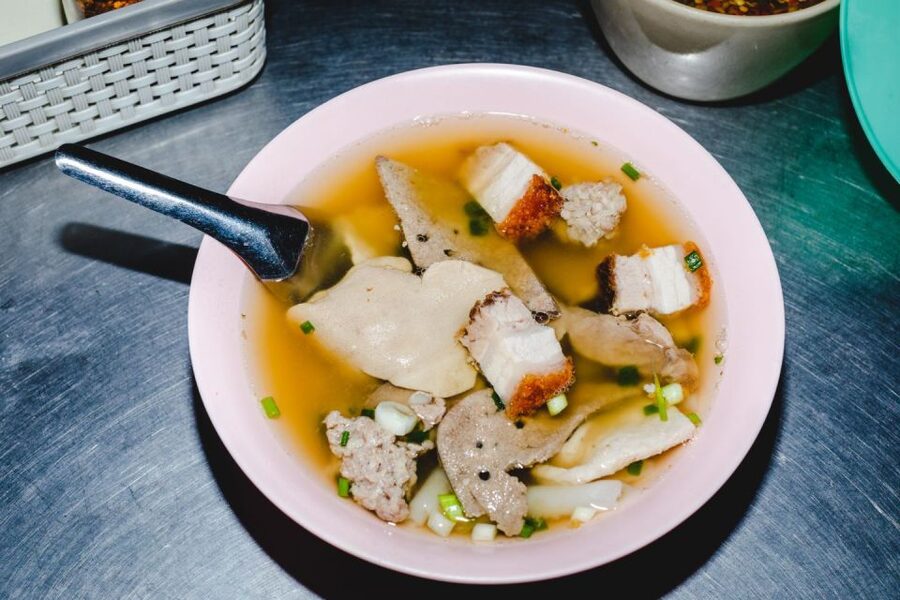
Morning departures use most of the same food stops as the evening tours, but some vendors operate only at certain times. The company uses alternate daytime locations when needed. Check the available start time when booking rather than assuming the morning and evening routes are identical.
An evening departure gives you Yaowarat Road under its neon signs and brings the tour back to the start in the city’s famous night-food setting. A morning tour may offer a different view of the neighborhood and can help you plan later meals, especially if you want to see markets that are closed in the evening.
Either way, do not schedule a large dinner immediately afterward. Fifteen-plus tastings can add up quickly. Portions are not always tiny, and the food comes at a steady pace. You need to pace yourself from the first dumpling onward.
Dietary limits you should take seriously
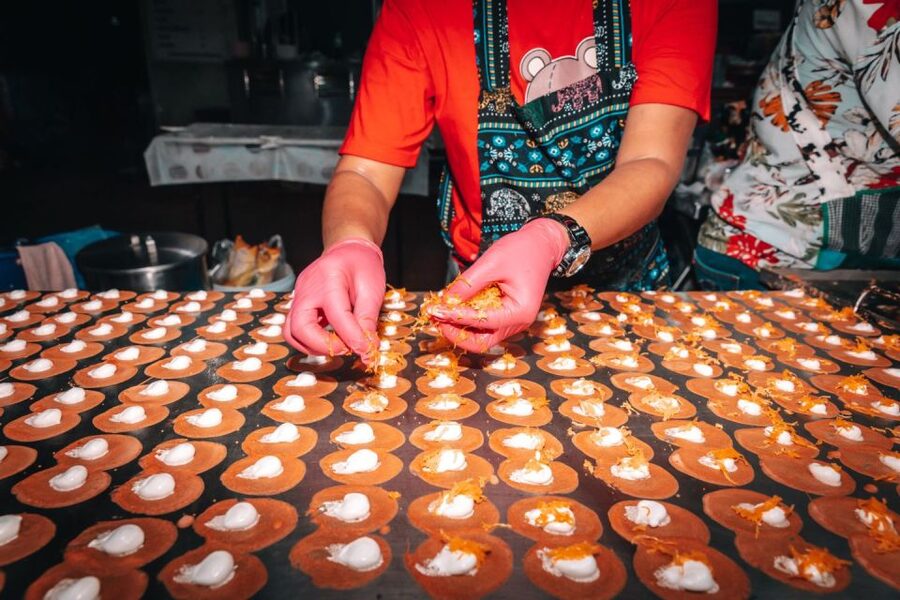
Pescatarians can join, but expect to miss two or three tastings because some vendors do not have alternatives. The tour provider asks you to report dietary needs when booking, and the guide will make sure you have enough food overall.
This is not a vegetarian or vegan tour. Meat and seafood ingredients are part of many Thai dishes, including sauces and broths, so simply avoiding visible meat may not be enough. People with severe allergies should also avoid the experience because of traces and cross-contamination.
Mild gluten intolerance may be manageable, but the tour is not recommended for celiac disease. Soy sauce appears in unavoidable dishes, and the food is prepared in shared surroundings. If your dietary needs are strict, this is not the right setting for experimentation.
Who will enjoy this most?
I would choose this tour for a first or second day in Bangkok, especially if you want food guidance without spending hours studying restaurant lists. It suits curious eaters, couples, solo visitors, and friends who enjoy sharing many small portions.
It is also a good fit if you want a social experience. With no more than eight people, you can talk with the guide and meet others without feeling part of a large procession. The food gives everyone an easy subject of conversation.
You may want another kind of activity if you dislike crowded streets, cannot walk and stand for several hours, need a quiet dining room, or have strict dietary restrictions. This is Chinatown at street level, with noise, weather, close quarters, and real food preparation around you.
Should you book the Yaowarat backstreets tour?
Book it if you want a guided introduction to Bangkok food and prefer variety over one long restaurant meal. The combination of 15-plus tastings, side-street stops, Michelin-listed venues, and a two-person team gives you a lot for four hours.
Book early in your stay so you can use the food knowledge afterward. Come hungry, wear comfortable shoes, bring an umbrella, and slow down at the first stop so you can finish the route.
Skip it if you are vegan, vegetarian, managing a severe allergy, or hoping for a relaxed sit-down dinner. For everyone else, especially first-time Bangkok visitors, this is a practical and tasty way to get oriented in Chinatown.
FAQ
Where does the Bangkok food tour start?
The meeting point is outside Shanghai Mansion Bangkok in Chinatown. Look for a staff member wearing a black A Chef’s Tour polo shirt.
Where does the tour finish?
The walk returns to Shanghai Mansion Bangkok along Yaowarat Road.
How long does the tour last?
The experience lasts about 3.5 to 4 hours, with the full activity described as four hours.
How many people can join?
The group is limited to eight participants.
How many tastings are included?
You receive more than 15 tastings at 8 to 9 food stops. The route includes two to three Michelin-listed street food venues, depending on the departure and operating hours.
Can pescatarians join?
Yes. Pescatarians can join, but they may receive two or three fewer tastings because some vendors do not offer alternatives.
Is the tour suitable for vegans, vegetarians, or people with severe food allergies?
No. The tour is not suitable for strict vegetarians, vegans, or people with severe food allergies because meat, seafood, unavoidable ingredients, traces, and cross-contamination are part of the food preparation.
More Food Tours in Bangkok
- Bangkok: White Orchid Chao Phraya Dinner Cruise free Beer
★ 4.4 · 4,573 reviews - Bangkok by Night: Temples, Markets and Food Tuk-Tuk Tour
★ 5.0 · 3,752 reviews - Bangkok Midnight Food Tuk Tuk Tour
★ 5.0 · 2,542 reviews - Bangkok Authentic Tasting Thai-Chinatown Walking Food Tour
★ 4.9 · 852 reviews
Just added around Bangkok
- Wonderful Pearl Dinner Cruise★ 3.5 · 27 reviews
- Yoga in the Park Thailand★ 5.0 · 12 reviews
- re:leaf spa and massage★ 4.0 · 10 reviews
- 3-Hour Bangkok Walking Tour: Wat Pho and Wat Arun★ 5.0 · 102 reviews
- White Orchid Sunset Dinner Cruise Calypso Ladyboy Cabaret Show★ 4.0 · 10 reviews
- Visit temples in and around Bangkok with a former monk of 10 years★ 5.0 · 30 reviews
- Morning Buddhist Almsgiving, Grand Palace and Flower Market Tour in Bangkok★ 3.5 · 9 reviews
- Visit Wat Pho and Wat Arun with Local Expert★ 4.0 · 14 reviews
Street Food Tours, compared.
Southern Flavors Phuket Food Tour with 15+ Tastings
Read our review →
Bangkok Backstreets Food Tour with 15+ Tastings
Read our review →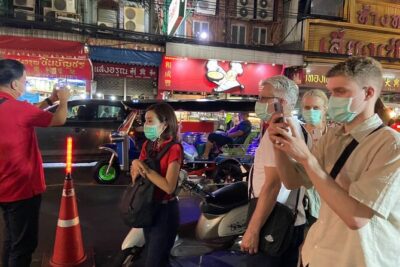
Bangkok Authentic Tasting Thai-Chinatown Walking Food Tour
Read our review →
Small-Group Chiang Mai Evening Street Food Tour
Read our review →
Bangkok Tuk-Tuk Tour by Night with Chinatown Street Food Meal
Read our review →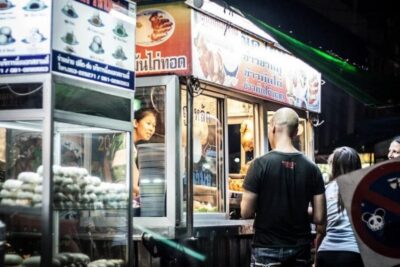
Browse the lists this tour appears in