
Reviewed · WILDLIFE
Tour of the Wildlife Rescue Center
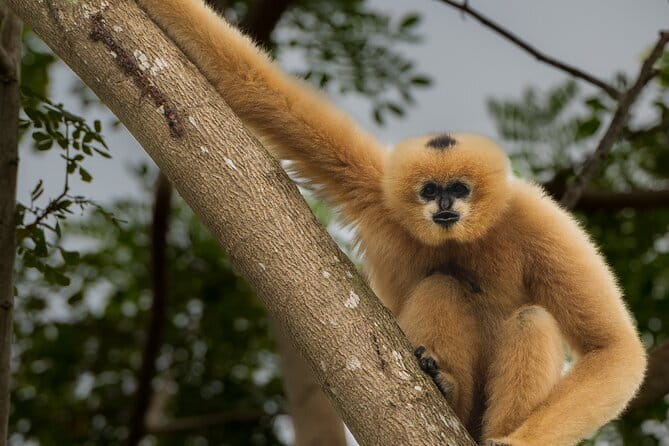
The most meaningful part of this Hua Hin day trip is seeing wild animals that have been removed from the illegal trade, injury, or poor conditions now living under professional care. At Wildlife Friends Foundation Thailand, you visit a large rescue center, elephant refuge, and wildlife hospital rather than an animal show.
I like the chance to see elephants without riding or forced performances, and I like that the day also includes tigers, bears, leopards, fishing cats, and other rescued animals. The main drawback is that the tour is conducted in English and Thai only, and one past complaint raised concerns about reckless driving, even though the operator checked its GPS records and acknowledged phone use by the driver.
Key points to know before you book
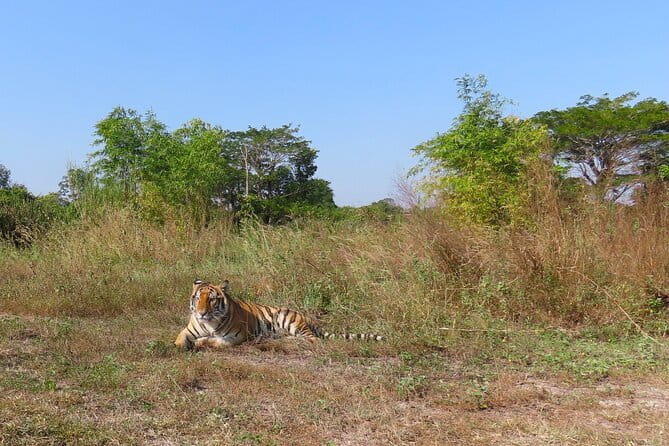
- Hundreds of rescued animals: See elephants, tigers, bears, leopards, fishing cats, and other animals cared for by the foundation.
- A three-hour visit at WFFT: The main stop combines the rescue center, elephant refuge, and wildlife hospital.
- Big-cat care behind the scenes: Spend about two hours at the Thailand Tiger Rescue Centre and see animals rescued from illegal trade or injury.
- Lunch with an elephant view: A buffet meal at I Love Phants Lodge is included and takes place overlooking the refuge.
- Simple day-trip logistics: Pickup is offered, transport is air-conditioned, and the usual start time is 8:00 am.
- English and Thai only: This matters if you need detailed explanations in another language.
Why this feels different from a standard animal attraction
Many wildlife outings near resort towns are built around quick photographs, shows, or animal contact. This one takes a different route. The focus is on rescue work, rehabilitation, and lifelong care for animals that cannot simply be returned to the wild.
That does not make the visit light entertainment. Some animals have difficult histories, and the stories can be upsetting. You may leave with a stronger understanding of the damage caused by illegal wildlife trade, private ownership, and unsuitable tourist attractions.
You also get to see the practical side of rescue work. The foundation includes a wildlife hospital, elephant refuge, and enclosures for a wide range of species. The experience is not just about looking at animals. It explains why they are there and what care they need now.
For me, the ethical point is important. You can see elephants at fairly close range, but the program is presented as non-exploitative. There is no mention of elephant riding or staged performances. That makes it a better choice for anyone who wants animal encounters without supporting the usual tricks.
More wildlife trips around Hua Hin:
- Elephant and Wildlife Watching in Kuiburi National Park – Private Afternoon Tour
★ 4.5 · 75 reviews - Khao Sok: Private Waterfalls and Wildlife Half-Day Trek
★ 4.5 · 337 reviews - Khao Sok Wildlife 2 Days
★ 4.5 · 59 reviews
Three hours at Wildlife Friends Foundation Thailand
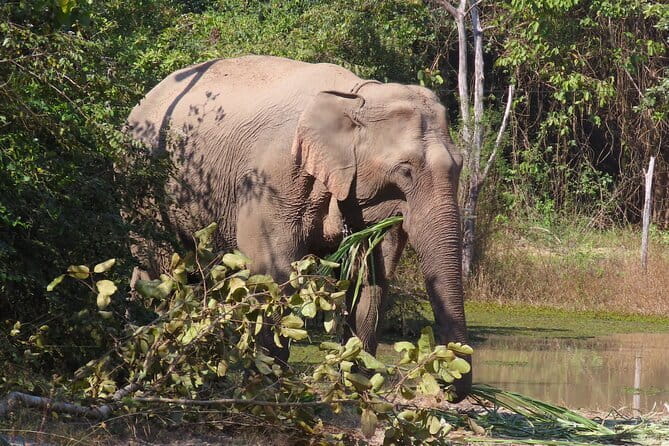
The first and longest stop is Wildlife Friends Foundation Thailand, known as WFFT. You spend about three hours visiting the rescue center, elephant refuge, and wildlife hospital, with admission included.
The scale is one of the memorable features. You can expect to see hundreds of rescued animals, not just one or two headline species. Elephants are central to the visit, but the wider collection includes tigers, bears, and many other animals under the foundation’s care.
The guide helps give the visit structure. Explanations cover the foundation’s work and the background of the animals. This is where the day becomes more than a walk around enclosures. You learn why certain animals require permanent care and how rescue organizations deal with animals that have been injured, mistreated, or taken from the illegal trade.
The wildlife hospital adds another useful layer. It shows that rescue does not end when an animal reaches a safe site. Some need medical treatment, long-term monitoring, or special diets. Others may never be able to return to the wild. The hospital and refuge help you understand the cost and commitment behind the scenes.
Expect a serious tone at times. The rescued animals may look safe now, but their pasts are part of the story. If you want only cheerful animal photographs, this may feel heavy. If you want to understand the consequences of wildlife exploitation, the difficult stories give the visit purpose.
Seeing elephants without turning them into a show
The elephant refuge is likely to be the emotional center of the day. You see elephants living under the foundation’s care and learn how their lives differ from those of animals used for rides or performances.
The appeal is not a staged trick. It is the chance to observe elephants in a setting built around their welfare. That distinction matters. A close view of an elephant can be exciting, but the experience is more responsible when the animal is not being pushed to perform for a crowd.
Your exact viewing conditions can depend on the animals and the day. The information provided does not promise feeding, bathing, touching, or another specific elephant activity, so do not book this expecting a guaranteed hands-on encounter. The point is observation and education, with the refuge providing the setting.
I would also allow time to listen. The history of rescued elephants can be difficult, but it explains why ethical care matters. You come away with a clearer sense that rescue centers are not simply tourist attractions. They are permanent homes for animals that may have nowhere else to go.
The Thailand Tiger Rescue Centre and its big cats
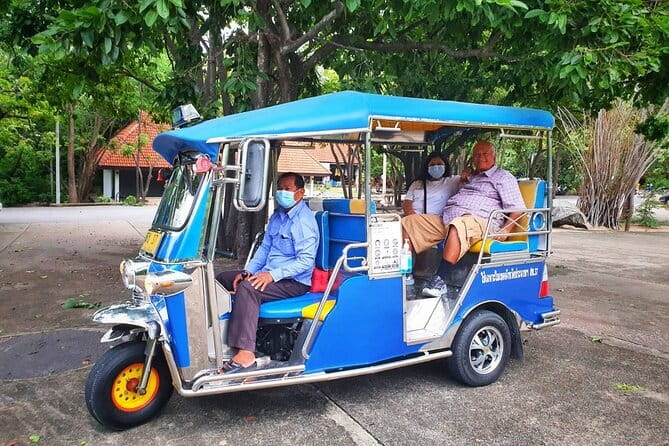
The second major stop takes about two hours and focuses on big cats. At the Thailand Tiger Rescue Centre, you see tigers, leopards, fishing cats, and other wild cats rescued from illegal trade or brought in after injury.
This part broadens the day beyond elephants. Tigers often receive the most attention, but leopards and fishing cats are important too. You get a look at several kinds of wild cat and the different problems that can bring them into rescue care.
The phrase behind the scenes is useful here. This is presented as a look at the rescue center’s work, not simply a photo stop with a tiger. The guide explains the animals and their backgrounds, helping you understand why a rescued predator may require permanent care.
You should keep your expectations realistic. The animals are not there to entertain you, and sightings may not be identical from one visit to the next. Some may be resting, hidden, or less active in the heat. That is normal for a wildlife refuge and preferable to an attraction that forces animals to perform.
The big-cat stop also gives the day a welcome change of pace. Three hours focused mainly on the wider rescue center could feel demanding, especially in hot weather. The two-hour cat visit breaks up the schedule and adds another viewpoint on conservation and animal welfare.
A few more Hua Hin days worth weighing up
- Bicycle Tour – Dolphin Bay and Khao Khalok Tour
★ 5.0 · 215 reviews - Your Introduction to the Thai Kitchen
★ 5.0 · 192 reviews - Sam Roi Yod National Park & Praya Nakhon Cave Join Group Tour
★ 5.0 · 107 reviews - Rescue P.A.W.S. Day Visit
★ 5.0 · 95 reviews
Lunch at I Love Phants Lodge
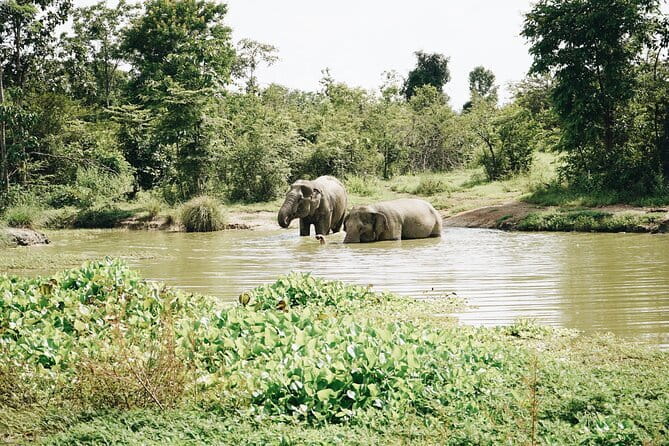
The included buffet lunch takes place at I Love Phants Lodge, in a setting overlooking the elephant refuge. It lasts about an hour and is part of the day’s admission package rather than an extra expense.
This is a practical inclusion. A six-to-seven-hour outing needs a proper meal, and stopping at a place with a view makes the break feel connected to the visit. You can eat, rest, and continue looking toward the refuge without leaving the experience completely behind.
The available information does not list the buffet menu, so I would not book based on a particular dish. Alcohol is not included, and alcoholic drinks would be an added cost if available. Souvenirs are also separate.
The lunch stop helps with value. A wildlife day can become expensive once you add transport, admissions, and food. Here, the air-conditioned vehicle, entrance fees, and buffet meal are included in the advertised price of $64.85 per person.
What the $64.85 price really covers

At $64.85, this is not the cheapest half-day outing around Hua Hin. It is also not just a transfer to an animal park. You are paying for a full day of transport, access to several rescue projects, a guide, and lunch.
The price includes:
- Air-conditioned vehicle
- Admission to the wildlife rescue center and elephant refuge
- Admission to the tiger rescue project
- Buffet lunch
- All listed fees and taxes
That package makes the cost easier to judge. If you arranged transport and separate admission yourself, the total could rise quickly, and you would lose the benefit of having the day organized into connected stops.
The value is strongest if you care about the purpose of the facilities. You are supporting rescue work through an educational visit, not only buying an animal encounter. If your priority is a quick elephant photo or a short family activity, the cost and length may feel excessive.
The group can include up to 27 people. That is not a private tour, and the size may affect how close you feel to the guide during explanations. On the other hand, it is still a controlled maximum rather than an unlimited crowd. Pickup is offered, and the 8:00 am start gives you a full day without needing to arrange several separate rides.
Language, transport, and the pace of the day

The tour is conducted in English and Thai. One visitor who expected French found the language barrier frustrating, but the operator clearly states that French is not offered. If you need detailed commentary in another language, confirm before paying.
The air-conditioned vehicle matters in Hua Hin, especially during a six-to-seven-hour outing. You will move between several sites, so having transport included is more comfortable than trying to coordinate separate taxis or local rides.
Pickup details can vary by booking point, so check the exact meeting instructions when you reserve. The stated start time is 8:00 am, and the day lasts roughly six to seven hours.
There was also a complaint about a driver’s speed on the route back to Hua Hin. The operator said its vehicle GPS showed no speed above 80 kilometers per hour, but it also found that the driver used a phone twice while it was in a holder. That response is worth noting because road safety is part of the experience. If you have concerns during the ride, raise them promptly with the operator.
Most people can take part, and service animals are allowed. The activity is near public transportation, but the offered pickup is the simpler choice for most people.
Who will get the most from this visit
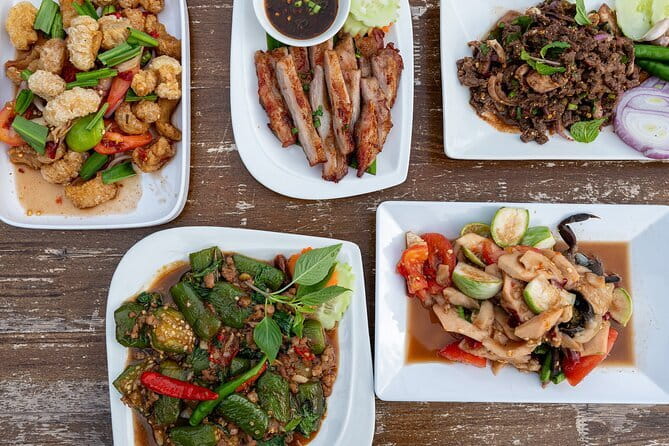
I would choose this day trip if you want animal welfare explained in clear terms and prefer rescue work to performances. It suits families with older children, photographers who can respect distance, and anyone interested in the real problems behind illegal wildlife trade.
It is also a good fit if you want several animal species in one day. The combination of elephants, tigers, bears, leopards, fishing cats, and other rescued wildlife gives the visit more range than a single-species sanctuary.
You should think twice if you dislike serious subject matter. The animals’ pasts may be upsetting, and the day is educational rather than purely playful. You should also avoid it if you expect guaranteed touching, feeding, or close physical contact with elephants.
Language is another deciding factor. English and Thai are the only stated tour languages. Without enough English or Thai, you may miss much of the explanation, which is a major part of the experience.
Should you book the Wildlife Rescue Center tour?
I would book it if you want an ethical, educational wildlife day near Hua Hin and are comfortable with a full schedule. The strongest reasons are the non-performance approach to elephants, the access to several rescue projects, the wildlife hospital, and the included lunch and transport.
I would skip it if you want a short, light animal encounter, a private guide, or commentary in French or another language. For the right visitor, $64.85 is fair value because it covers a full day of access, transport, food, and education while supporting rescue work.
Cancel at least 24 hours before the 8:00 am start for a full refund. Cancellations or changes made less than 24 hours ahead are not accepted for a refund.
FAQ
How long does the tour take?
The experience lasts approximately six to seven hours.
What time does the tour start?
The stated start time is 8:00 am.
Is pickup available?
Yes. Pickup is offered, and the tour includes transport in an air-conditioned vehicle.
What animals can I see?
The centers care for elephants, tigers, bears, leopards, fishing cats, and other rescued wild animals. Exact sightings and activity levels can vary.
Is lunch included?
Yes. A buffet lunch at I Love Phants Lodge is included in the price. Alcoholic beverages are not included.
What languages are used during the tour?
The tour is conducted in English and Thai only.
How many people can join the tour?
The maximum group size is 27 people.
Just added around Hua Hin
- Private Transfer from Bangkok to Hua Hin or Cha Am★ 5.0 · 10 reviews
- Private Tour: Hua Hin Day Tour from Bangkok★ 5.0 · 11 reviews
- Private Transfer from Bangkok Airport/City to Hua Hin★ 5.0 · 19 reviews
- Petchaburi Temples & Royal Palace – small Join Group Tour★ 4.6 · 46 reviews
- Hua Hin: Vana Nava One-Day Water Jungle Park Entrance Ticket★ 3.4 · 33 reviews
- Hua Hin: Thai Street Food & Market Walking Tour★ 4.9 · 8 reviews
- Hua Hin: Vana Nava Sky Bar Rooftop at Holiday Inn★ 4.7 · 39 reviews
- Thai Street Food & Morning Market Walking Tour in Hua Hin★ 5.0 · 46 reviews
Wildlife, compared.

Elephant and Wildlife Watching in Kuiburi National Park – Private Afternoon Tour
Read our review →
Ko Lanta: Kayak and Long-Tail Boat Nature and Wildlife Tour
Read our review →Browse the lists this tour appears in