
Reviewed · HIKING & TREKKING
3-Day Chiang Dao Mountain Trek
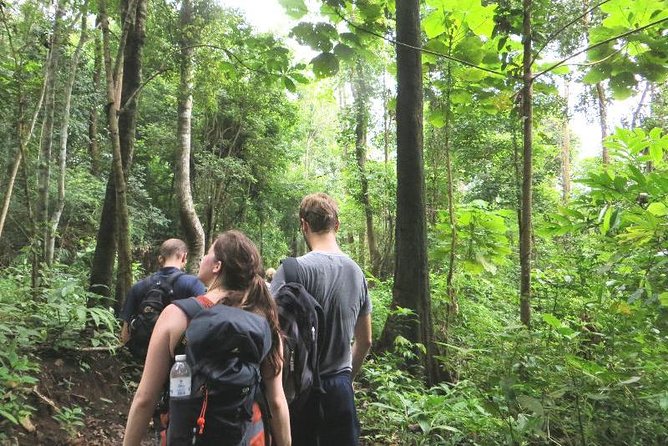
Chiang Dao is a fine place to trade Chiang Mai’s cafés and traffic for steep jungle paths, bamboo forest, and quiet mountain villages. This three-day trek takes you into the highlands north of the city, with local guides such as Tan and Sap leading the way and cooking along the route.
I like the small-group setup, capped at 10 people in the main tour description, and the way meals and overnight stays connect you with village life. I also like that the trip avoids elephant attractions and mass-tour stops. The main caution is simple: this is a real hike, not a gentle nature walk. Day two can run close to nine hours, and the basic homestays may include barking dogs, roosters, and other village sounds.
Key details before you book
- Three days of serious mountain walking: Plan on five to six hours of hiking most days, with steep climbs, descents, ridges, and uneven jungle trails.
- A particularly demanding second day: Expect long stretches of up-and-down walking, with the biggest physical test of the trip concentrated in the middle.
- Home-cooked Thai food: Your guide may also be your cook, preparing meals from local ingredients and sometimes introducing you to edible plants along the trail.
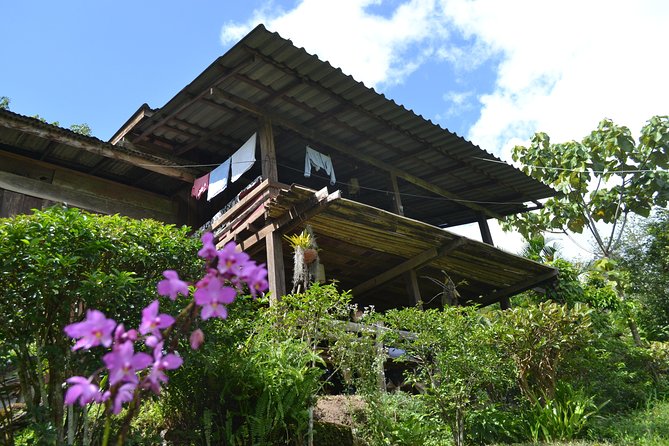
- Two basic homestays: You sleep in village homes rather than hotels, with mountain views and a close look at rural life.
- Only a small backpack: Your personal gear must fit in a 45-liter pack, and you carry it for the trek.
- $256 for three days: The price includes transport from Chiang Mai, two breakfasts, three lunches, two dinners, guiding, and homestay accommodation.
Why Chiang Dao makes a better trek than a quick day trip
Chiang Dao sits north of Chiang Mai in a highland area known for forest, mountain ridges, farms, and hill villages. A day trip can show you the scenery, but it cannot give you the gradual change in pace that comes from spending two nights in the mountains.
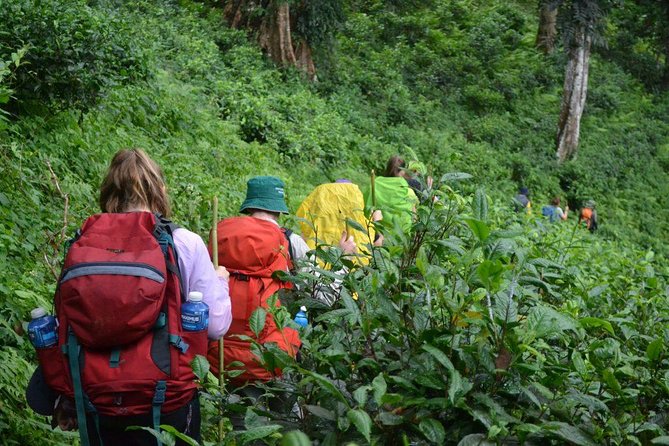
Here, the road gives way to trails. You pass through bamboo and jungle, walk along ridges, and move through the Maetang River valley. The route also brings you into contact with villages and farms, where the details matter more than a list of famous sights. You may see how food is grown, learn about local plants, and hear about village life from a guide who knows the area well.
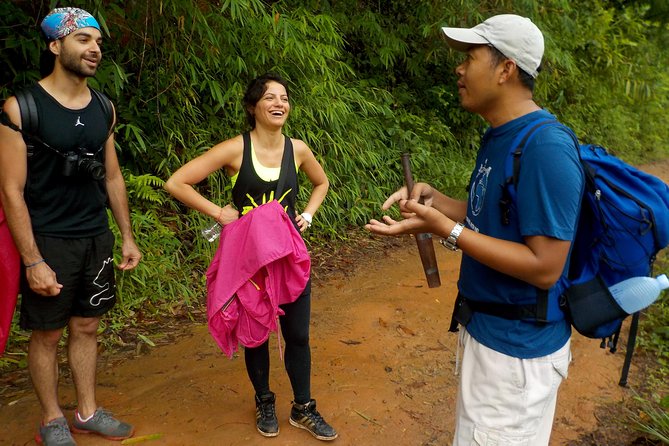
That local connection is the heart of the trip. Guides Tan and Sap are praised for explaining plants, wildlife, farming, and village customs. Tan is also known for cooking excellent Thai meals, while Sap has a talent for making the walk both informative and relaxed. The quality of your guide matters here because there are no major attractions every hour to carry the experience. The guide is the bridge between the forest and you.
More treks and jungle hikes in Chiang Mai:
- Chiang Mai – Doi Suthep Temple & Wat Pha Lat Hike
★ 4.6 · 740 reviews - Chiang Mai – Doi Suthep Temple & Wat Pha Lat Hike
★ 5.0 · 657 reviews - Chiang Mai Doi Suthep Temple and Wat Pha Lat Hike
★ 5.0 · 299 reviews
Day one: market ingredients and the first mountain homestay
Pickup is listed around 8:30 a.m. from accommodation within Chiang Mai’s second ring road area, while the meeting information gives a 9 a.m. start at Le Dta’ Wan Food Market. Because those times differ slightly, confirm the exact pickup time and location before setting out.
The drive north gets you out of Chiang Mai and toward the Chiang Dao area. A stop at a local market helps set the tone. Your guide can introduce ingredients for the meals, so this is more than a quick rest stop. It gives you a first look at the food culture that will follow you into the mountains.
The first walking section takes you away from the road and into the hills. The route includes forest trails, bamboo, village areas, and farms. The exact length can vary with the route and conditions, but the first day is generally shorter than the second, with roughly four hours of walking noted in the trip details.
Your first homestay is one of the most appealing parts of the trip. It is basic, but the setting can be peaceful, with mountain views and the chance to watch the light change at sunrise or sunset. A fire may be built in the evening, and the slower rhythm feels far removed from Chiang Mai.
Do not expect hotel-style comfort. Homestay accommodation is part of a working village, not a resort. Electricity may come from solar power, and facilities are simple. Bring an open mind, along with a headlamp or other useful personal items from the seasonal kit list provided after booking.
Dinner is included and prepared along the way. The guide may need to manage both cooking and group care, which is one reason a small group helps. Vegetarian meals are possible, but you must request them when reserving.
Day two: the hardest walking through jungle and ridges
Day two is the physical center of the tour. You wake to mountain sounds and have breakfast with locally grown tea or coffee from nearby plantations. Then the trail turns more demanding.
This day moves across ridges and through a mix of jungle paths. You may climb and descend repeatedly rather than simply walk uphill to a viewpoint. That constant change can be harder on your legs than one long climb, especially on knees during the descents.
The trip information asks you to be able to hike five to six hours across undulating ground, but actual days can vary. One account describes a nine-hour second day, so you should be ready for a long outing if the route, weather, or trail conditions require it. Overgrown sections may slow the group, and the guide may need to clear vegetation from the path.
That uncertainty is part of the appeal for fit hikers, but it is also the clearest warning. Bring sturdy hiking boots or reliable trail shoes, not casual sneakers. You need clothing suited to outdoor conditions, and you should keep your pack light because you carry it through the hills.
The reward is a greater sense of distance from the tourist circuit. The views open from mountain ridges, then close in as the trail enters bamboo and jungle. Your guide may stop to explain plants, offer small tastes of edible forest foods, or point out details you would pass without noticing. These moments make the walking feel like an introduction to the area rather than a race from one stop to the next.
The second night is another village homestay. It may be less quiet than the first. Dogs, roosters, pigs, singing, and general village activity can continue after dark. Pack earplugs. They weigh almost nothing and may be the most useful item in your bag.
Day three: descending to the Maetang River valley
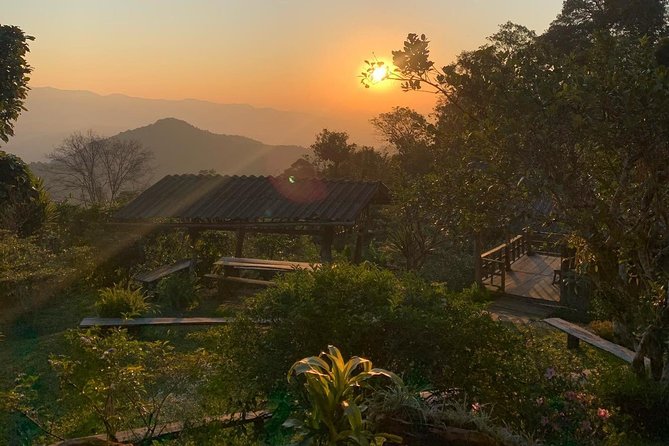
The final morning begins with breakfast in the mountains before the route heads downhill. The descent to the Maetang River valley takes about three hours, with the scenery changing as you lose height.
Downhill walking sounds easier than climbing, but it can be tough on knees and ankles. Trekking poles would be sensible if you use them, though the supplied information does not state that poles are provided. Take your time, especially on uneven ground.
A waterfall stop offers a natural pause, followed by lunch in a quieter riverside setting. This gives the final day a gentler shape after the hard middle section. You get one last meal on the trail before the drive back toward Chiang Mai.
The contrast between the highland villages and the river valley is one of the best features of the route. You are not simply retracing the first day’s path. The descent lets you watch the surroundings change, from mountain forest to lower valley scenery.
Round-trip transport is included, and the activity ends back at the meeting point. The listed start point is Le Dta’ Wan Food Market in Chiang Mai, so clarify the exact return arrangement if you are staying outside the stated pickup area.
A few more Chiang Mai days worth weighing up
- 3 day Yoga and Meditation Retreat in Chiang Mai
★ 5.0 · 19 reviews - 3 Day Motorcycle Tour (Mae Hong Son Loop) from Chiang Mai, Thailand
★ 5.0 · 13 reviews - Open Water Course – Become certified diver in 3 days
★ 5.0 · 1,137 reviews - Padi open water diver course, become a diver in 3 days
★ 5.0 · 113 reviews
What the food and homestays are really like
The food is a major part of the value. Two breakfasts, three lunches, and two dinners are included, and the guide often cooks the meals. Guides Tan and Sap receive particularly strong praise for their cooking, with Thai dishes prepared from local ingredients.
Do not expect a restaurant menu or a choice of several dishes. The point is fresh, practical food made for a group in a mountain setting. Tell the operator about vegetarian requirements in advance. Beverages at the homestays and restaurants are not included, so carry some spending money.
The homestays also add value, but only if you want local contact more than polished comfort. You sleep in village accommodation, see rural life at close range, and may have mountain views that no standard hotel can match. Facilities are basic, and noise is part of the deal.
The difference between a homestay and a hotel is important here. A hotel gives you privacy and predictable quiet. A village home gives you a closer connection to the place, along with dogs barking and roosters announcing the morning. I would choose the homestay for the experience, but I would not recommend this trip to anyone who needs resort comforts.
Guide quality matters more than usual
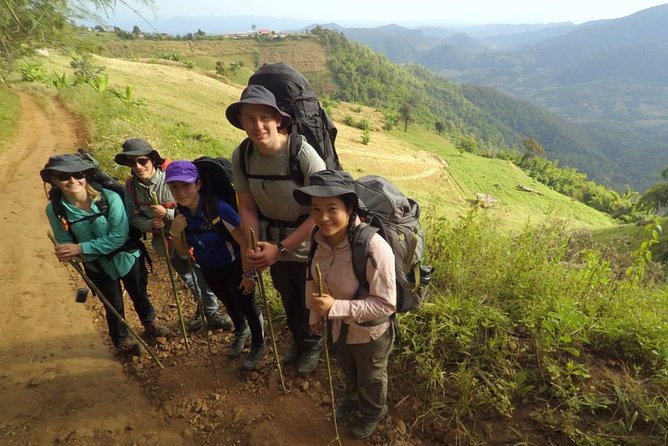
A strong guide can make this trek memorable. The route includes plants, farms, jungle, villages, and changing trail conditions, so you benefit from someone who can interpret what you are seeing and adjust the pace.
Tan has more than 30 years of trekking experience and is known for reading the group well. That matters when a party includes people in their 20s alongside people in their 60s. Sap is praised for his calm manner, plant knowledge, and care on difficult sections.
The guide may also cook, explain local life, help with the route, and keep an eye on the group’s condition. That is a lot of work for one person, which makes a small party a real advantage. The listed group size is slightly inconsistent: the highlights say a maximum of 10, while the additional details say up to 12. Ask for the confirmed group size when you book.
Is $256 good value?
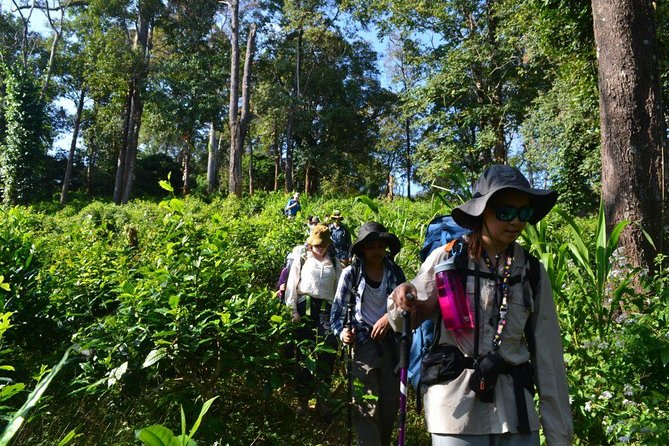
At $256, this is not the cheapest way to see northern Thailand, but it covers much more than a guided walk. You receive transport from Chiang Mai, a local guide, two nights of homestay accommodation, five included meals beyond the arrival period, and three days of route support.
You also pay for access to a less developed part of the region. There are no polished attractions or resort facilities padding out the price. Instead, the value comes from the guide, the time in the mountains, the home cooking, and the chance to stay in villages.
The price is strongest for someone who would otherwise need to arrange transport, food, accommodation, and a local guide separately. It is weaker if you want a short scenic outing with comfortable lodging. Personal spending and drinks are extra, and the 45-liter pack limit means you may need to buy or borrow compact gear.
Who should choose this trek?
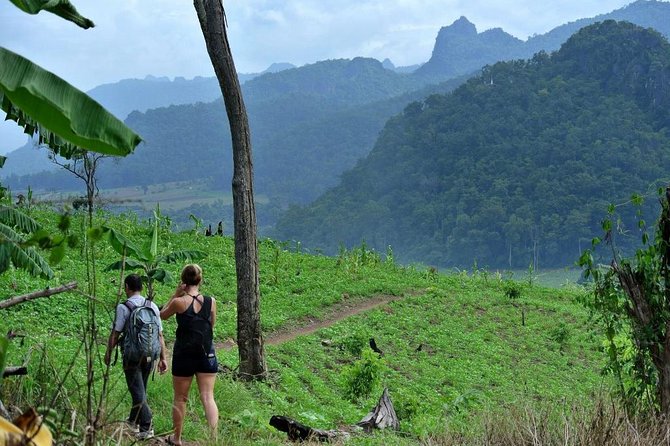
I would choose this for an active visitor who wants a real mountain walk and is happy to trade comfort for access to local life. You should be able to handle five to six hours of walking over uneven ground and accept that one day may be much longer.
It can suit older hikers with good fitness, as the guide can adjust the pace, but age alone is not the issue. Fitness, balance, and comfort with steep descents matter more. The trip is not suitable for children under 10 unless they are already used to several hours of hiking.
This is also a good choice if you care about responsible, low-key experiences. The tour focuses on walking, villages, food, and nature rather than animal shows or crowded attractions.
I would skip it if you dislike basic sleeping arrangements, cannot carry a small pack, or need a fixed schedule with short walking days. It is also not the right pick if you expect a hotel room, quiet nights, or a smooth path every day.
Practical preparation for three days in the hills
Pack light, but pack for walking. Your personal effects must fit in a 45-liter backpack, which you will carry throughout the trek. The operator supplies a seasonal kit list, so use it rather than guessing at every item.
At minimum, suitable outdoor clothing and hiking boots or reliable runners are required. Add earplugs for the village nights, spare socks, personal medication, a refillable water container if recommended in the kit list, and a small amount of cash for drinks and personal purchases.
Ask about pickup, group size, and the exact route before departure. Weather can change the plans, and the operator may cancel for poor conditions or insufficient numbers. If that happens, you are offered another date, another experience, or a full refund.
The cancellation terms are strict close to departure. Cancel at least three full days before the start time for a full refund. Changes or cancellations inside that period are not accepted for a refund.
Should you book the Chiang Dao trek?
Book it if you want three demanding days in the mountains, local meals, simple village stays, and a guide who can bring the forest and rural culture to life. The strongest reasons to go are the remote setting, the cooking, and the chance to spend time in places a quick Chiang Mai excursion cannot reach.
Think carefully if you are not used to long hikes. The second day can be very hard, and the homestays are genuinely basic. For a fit hiker who wants an authentic northern Thailand experience and does not mind a barking dog at night, this $256 trip offers strong value.
FAQ
Where does the Chiang Dao trek start?
The listed meeting point is Le Dta’ Wan Food Market, QXJX+9QW, Chang Khlan Sub-district, Mueang Chiang Mai District, Chiang Mai 50100, Thailand. Hotel pickup is offered within Chiang Mai’s second ring road area.
What time does the tour start?
Pickup is listed at about 8:30 a.m., while the meeting information gives a 9 a.m. start. Confirm the exact time with the operator before departure.
How much hiking should I expect each day?
You should be able to hike five to six hours over undulating ground. The second day may be much longer, with one schedule describing about nine hours of walking. The third day includes roughly three hours of descent to the Maetang River valley.
Where will I sleep?
You will spend two nights in local homestay accommodation in the mountain villages. The facilities are basic, and village sounds such as dogs and roosters may continue at night.
Are meals included?
Yes. The tour includes two breakfasts, three lunches, and two dinners. Drinks at homestays and restaurants are not included. Vegetarian meals must be arranged in advance.
How much luggage can I bring?
Your personal items must fit in a 45-liter backpack, which you carry during the trek. The operator provides a kit list based on the season.
Can children join the trek?
Children under 10 are not considered suitable unless they are already used to hiking for several hours. All participants should have a moderate level of physical fitness.
Just added around Chiang Mai
- Chiang Mai Best City Tour with Doi Suthep & Iconic Temples★ 4.5 · 24 reviews
- Chiang Mai Michelin Food Walking Tour with Professional Tour Guide★ 4.5 · 13 reviews
- Private Chiang Mai Temple Tour with Doi Suthep and Wat Umong★ 5.0 · 52 reviews
- Secret Waterfall and Bamboo Rafting from Chiang Mai★ 5.0 · 30 reviews
- Bua Tong Waterfall Adventure& Huge Cave included Thai Buffet Tour★ 4.5 · 28 reviews
- Chiang Mai Sak Yant Tattoo By Ajarn Tu★ 5.0 · 25 reviews
- Chiang Mai Airport Transfer by Private Van – Arrival or Departure★ 4.5 · 11 reviews
- Chiang Mai Scavenger Hunt and Sights Self-Guided Tour★ 5.0 · 8 reviews
Hiking & Trekking, compared.
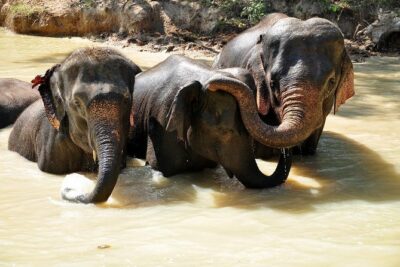
3-in-1: Doi Inthanon Tour, Elephant Sanctuary, and Trekking Trail
Read our review →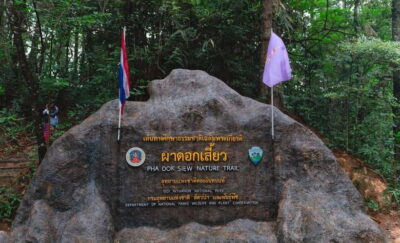
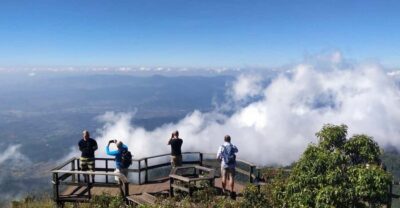
Doi Inthanon Park with Kew Mae Pan Hike Day Trip
Read our review →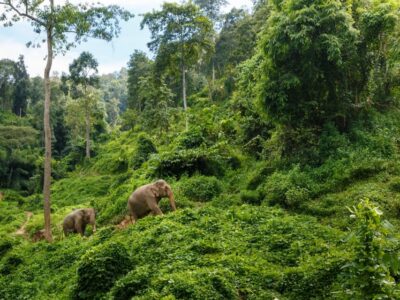

Doi Inthanon Private Tour with Trek & Lunch from Chiang Mai
Read our review →
Doi Inthanon National Park and Pha Dok Siew Trek
Read our review →Browse the lists this tour appears in