
Reviewed · ELEPHANT SANCTUARIES
Private Tour to Kanchanaburi Death Railway and Elephant Haven
The most unusual part of this long Bangkok day trip is the sharp change of mood. You begin at a hilltop temple, confront the grim story of the Death Railway, ride the railway beside the River Kwai, and finish feeding and bathing rescued elephants. It is a lot of Thailand in one day.
I like the private vehicle and guide, which let your group move at its own pace, and I like the mix of serious history with hands-on fun. Guides named Bella, Nan, Roon, Ann, Rungaroon, and Eddie have all received warm praise for their care and explanations. The main drawback is the schedule: at roughly 11 and a half hours, with a 6:30 am start and a 2.5-hour drive each way, this is a full day.
Key points at a glance
- Wat Tham Sua opens the day with a huge Buddha and broad views from the mountaintop temple.
- Kanchanaburi War Cemetery gives the railway story a quiet, human focus.
- The train ride near Krasae offers a scenic look at tapioca and sugarcane fields.
- Elephant Haven is active rather than passive: feeding and bathing can leave you soaked.
- A private guide and driver make this easier than arranging the railway and elephant stop alone.
- The $220.14 price reflects private transport, lunch, admissions, and a full day out from Bangkok.
Why this day trip works
Kanchanaburi is far enough from Bangkok that a private day trip saves you the work of joining separate rides, finding the railway station, and arranging an elephant visit. You are collected from a Bangkok city hotel at 6:30 am, travel in private transport, and return after a tightly packed day.
The structure is smart. The temple gives you a cultural start, the cemetery and railway provide the historical core, and the elephant visit brings a more personal, physical activity later in the day. I prefer this balance to a tour made up of only museums or only photo stops.
The tradeoff is time. The first drive takes about 2.5 hours, and the total day runs about 11.5 hours. You should book it because you want to see several major Kanchanaburi sights in one outing, not because you want a slow morning.
Since this is a private tour, only your group participates. That matters most when you are traveling with family or friends who need a little extra time, want help with photos, or prefer not to follow a large group through every stop. It also makes the price easier to understand. At $220.14 per person, the cost is high for a day trip, but it includes private transportation, a licensed professional guide, hotel pickup and drop-off within Bangkok city hotels, admissions, lunch, and bottled water.
More Death Railway memorial sites:
- From Bangkok: Historical Day Tour to River Kwai
★ 4.6 · 868 reviews - Bridge on the River Kwai and Thailand-Burma Railway Tour
★ 4.5 · 658 reviews - Erawan Waterfalls and Bridge Over River Kwai Tour from Bangkok
★ 4.5 · 372 reviews
Wat Tham Sua and the first long drive
The morning begins with the longest single drive, about 2.5 hours, to Wat Tham Sua. The temple sits on a mountain and is known for its large Buddha statue, described as the biggest in Kanchanaburi province, along with a striking stupa.
You have about an hour here. That is enough to see the main religious features and take in the views, but it is not a leisurely temple visit with time for every corner. The elevated setting gives the stop a strong opening: after leaving Bangkok, you arrive somewhere visually open and distinctly different.
Wear clothing suitable for a temple visit. The supplied details do not specify a dress code, but this is an active Buddhist site, so modest clothing is the sensible choice. The stop also involves a mountain setting and likely walking around the temple grounds, so comfortable shoes are more useful than stylish ones.
This is one place where a private guide can add real value. The statue and stupa are easy to photograph, but an explanation of what you are seeing gives the visit more purpose. Several guides, especially Bella, Nan, and Roon, were praised for sharing information about Thailand and organizing the day well.
Kanchanaburi War Cemetery: a quiet change of pace
After about 15 minutes on the road, you reach Kanchanaburi War Cemetery for roughly 20 minutes. The cemetery contains the remains of 6,982 Allied prisoners of war who died during the construction of the Thai-Burma Death Railway.
The visit is short, but that is not a reason to skip it. The ordered rows and the names on the graves make the railway story personal. You are no longer dealing only with a famous bridge or a train ride. You are looking at the cost paid by prisoners who died building the line during World War II.
Twenty minutes will not allow for a long historical study. If this subject matters to you, listen closely to your guide and use the time for quiet observation rather than rushing through photographs. One serious weakness reported about the tour was a guide who gave little explanation at the historical stops, so the quality of the commentary matters here.
The tour includes admission fees, and there is no separate charge for the cemetery. The short stop works best when you treat it as a place for respect, not just another item on a sightseeing checklist.
Museum, bridge, and the railway story
The next section combines the Death Railway Museum and Research Centre with the famous River Kwai Bridge area. The schedule allows about 1.5 hours for this part, including time around the bridge.
The museum gives you a stronger base for understanding the railway than the bridge alone. The line was built during World War II under brutal conditions, and many prisoners of war and Asian laborers died during its construction. The cemetery visit gives you the human record, while the museum helps explain the wider events.
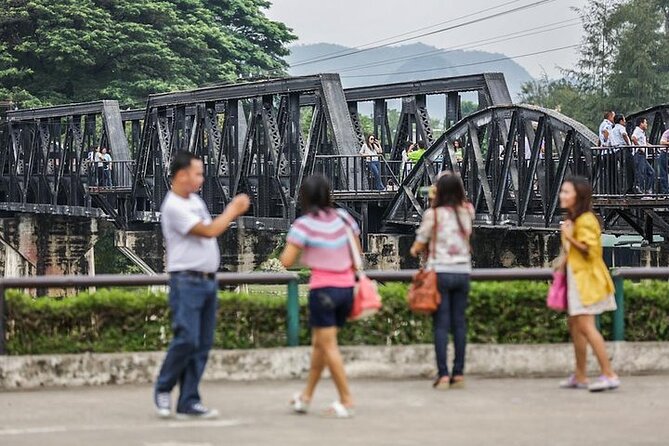
The iron bridge is the visual symbol most people recognize. You get time to walk along it, see the river below, and consider how an ordinary piece of railway infrastructure became linked to war and suffering. The bridge is also an active transport site, so follow your guide’s instructions and pay attention while walking.
The itinerary later includes another stop at the River Khwae Bridge for about 45 minutes. The supplied schedule describes the bridge area twice, once alongside the museum and again after the elephant visit. That may mean the day includes separate periods near the bridge, or that the schedule uses overlapping descriptions. Ask your operator for the exact order before booking if you want a precise sequence.
More Elephant Sanctuaries in Kanchanaburi:
- Erawan Waterfall and Elephant Care: Private Tour to Kanchanabur
★ 5.0 · 339 reviews - Erawan Waterfall and Elephant care from Bangkok -Private Tour
★ 4.5 · 8 reviews - Chiang Mai: Elephant Sanctuary, Waterfall & Bamboo Rafting
★ 4.9 · 9,160 reviews - Chiang Mai: Elephant Sanctuary & Waterfall Group Tour
★ 4.9 · 5,780 reviews
Riding the railway toward Krasae Cave
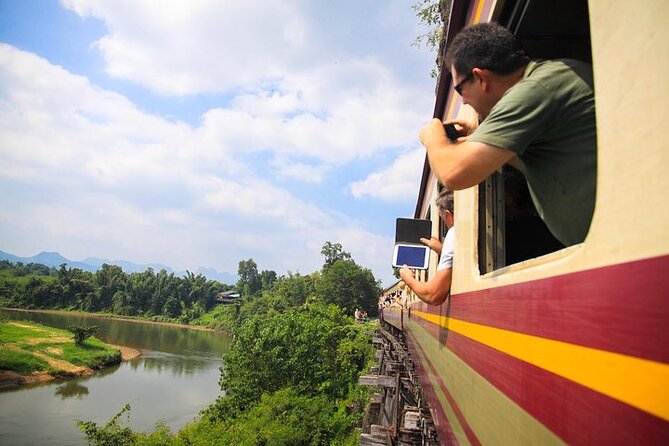
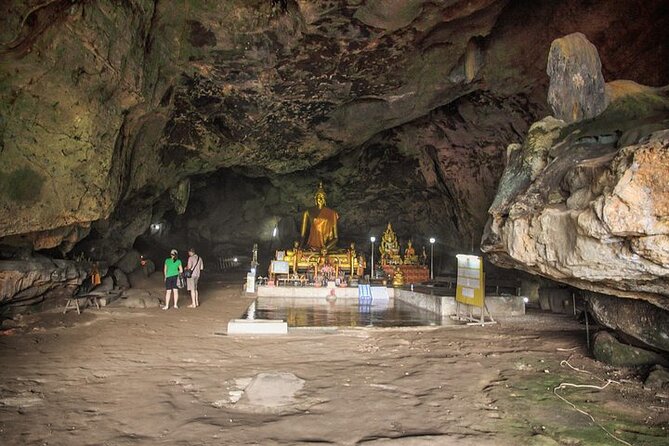
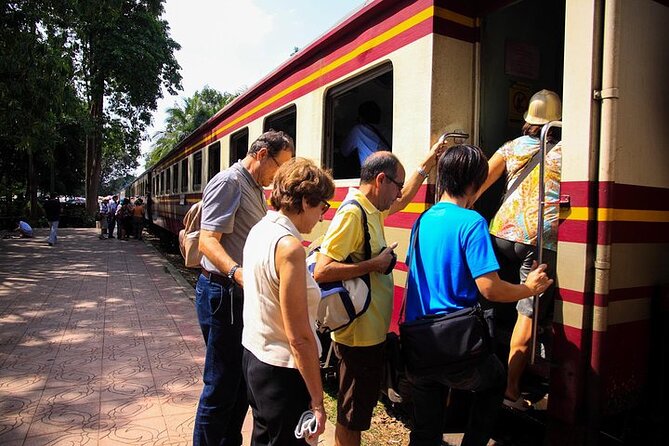
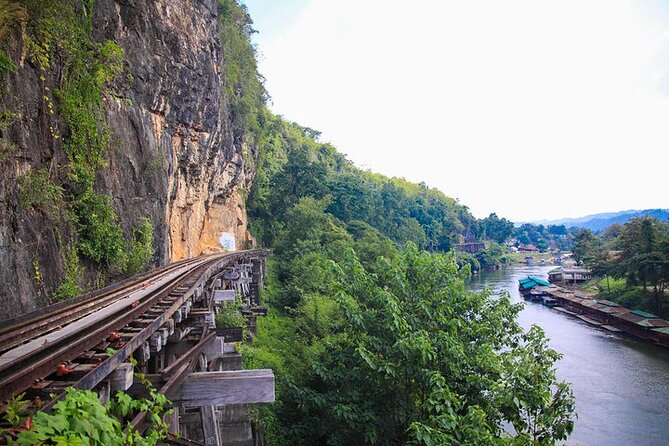
The train ride is one of the day’s strongest features. The train ends at Krasae Station, near the Kra Sae cave, where a Buddha image is located inside the cave. The route is also described as passing through fields of tapioca and sugarcane, giving you a more rural view after the solemn cemetery and museum.
This is not a long scenic railway journey in the style of a full-day train trip. It is part of a sightseeing day, and the timing is tied to the train schedule. One person reported that a late start forced the group to hurry to catch the train. That is a useful warning: the early pickup is not just a formality. Starting on time helps protect the railway portion of the day.
The train and bridge combination gives you two ways to experience the line. From the bridge, you see the structure and its setting. From the train, you feel the movement along the railway and pass through the countryside. The contrast makes the historical story easier to grasp.
Elephant Haven: the wet and lively finale
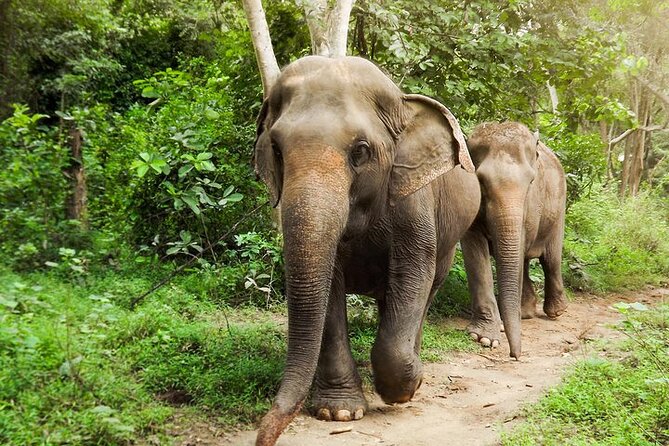
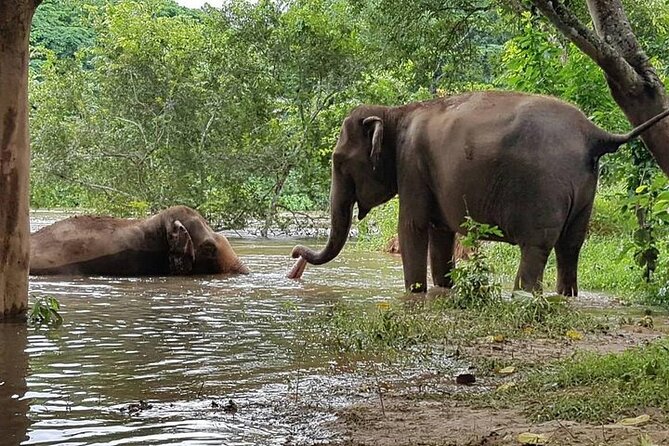
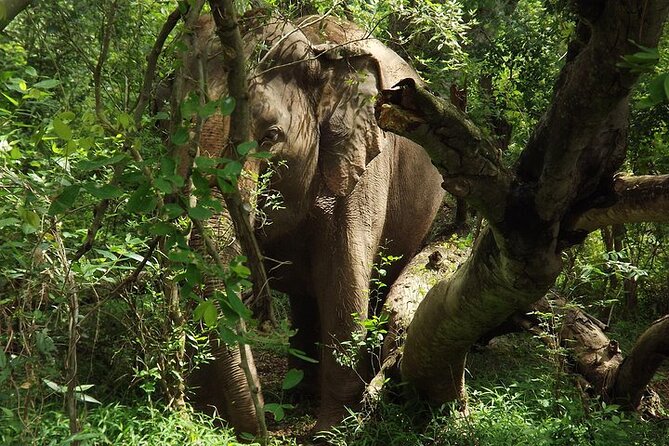
After the railway section, you proceed to Elephant Haven Thailand in Kanchanaburi. The scheduled elephant visit lasts about an hour and includes admission and activities. You can expect to observe rescued elephants and take part in feeding and bathing them.
This is the most hands-on part of the outing. Several comments singled out feeding and scrubbing the elephants as the favorite activity. You should also expect to get wet. A full change of clothing is provided for the bathing activity, and a shower is available afterward. Bring spare underwear, since that is the practical item most easily forgotten.
The elephant stop is a strong choice for families and anyone who wants more than observation. It is also the part most likely to feel rushed because the whole day contains so many stops. One hour gives you an introduction, not an extended animal-care session.
The supplied information identifies Elephant Haven Thailand, but one booking note points out that another elephant sanctuary, Sai Yok Elephant, is located opposite. If the exact facility matters to you, confirm the name before departure. This is especially important because the two sites could sound similar when arrangements are made locally.
Lunch, transport, and what the price means
Lunch at a local restaurant is included. The food is described as a buffet with a pleasant view and acceptable quality. That is fair praise rather than a promise of a culinary highlight, but it is useful on a day when you are away from Bangkok for so long.
Bottled water is also included. Personal expenses and services not listed in the program are not covered, so keep money available for anything extra you choose to buy.
The $220.14 per-person cost needs to be judged against the amount of service included. You are not simply paying for a seat on a coach. You receive private transport, a private licensed guide, hotel pickup and drop-off, admissions, lunch, water, the railway portion, and the elephant activity.
For one or two people, the price can feel steep. One couple described having a private driver and guide as almost more than they needed, even though they valued avoiding the hassle of public transport. For a family or small group, group discounts may improve the value. The private format also removes the uncertainty of who else might be on the vehicle.
The practical value is highest if you have limited time in Bangkok and want Kanchanaburi without arranging each element yourself. If you are comfortable with public transport, a cheaper independent plan may be possible, but it will take more planning and may not fit all these stops into one day.
Guides can make or break the day
The strongest personal element is the guide. Bella was praised for friendliness, clear information, and keeping the activities moving. Nan and driver Nui were credited with making a special day memorable, while Roon was praised for teaching visitors about the places they saw. Rungaroon was noted for responding well to personal needs, and Ann received praise for a well-run day. Eddie was described as engaging and well informed despite being newer to this particular route.
That is a useful pattern: the best guides do more than point at sights. They explain Thailand, connect the temple to the modern country, give context at the cemetery, and keep an eye on timing. They also help a private group feel looked after without taking over the day.
There was one clear service complaint involving a 20-minute late arrival and little historical explanation. The operator apologized and said it would address the problem. Even with a 93 percent recommendation rate and a 4.9 rating from 15 ratings, you should remember that guide performance can vary.
Who should book this experience
I would choose this tour if you want the widest range of experiences in one Kanchanaburi day. It suits first-time visitors to Bangkok who want history, scenery, culture, a train ride, and elephants without changing hotels or solving the transport puzzle themselves.
It also suits families and mixed-age groups. One participant reported that a 90-year-old mother managed the day, though that does not mean the schedule will feel easy for every older person. The long vehicle ride, walking, early start, and wet elephant activity should all be considered.
The tour is less suitable if you dislike early mornings, long drives, fixed train times, or packed schedules. It is also not the best choice if your main interest is World War II history and you want several hours at the museum and cemetery. The historical stops are meaningful, but the day gives equal weight to temples, railway scenery, and elephants.
Bring comfortable clothes, suitable temple attire, a change of underwear, and footwear you do not mind getting wet. Confirm which elephant facility you will visit, and ask how the two bridge descriptions fit into the day’s actual order.
Should you book this Kanchanaburi tour?
Book it if convenience and variety matter more to you than a slow pace. The private guide, driver, lunch, admissions, railway ride, and elephant activity make the high price easier to justify, particularly for a small group that can share the vehicle and receive a group discount.
I would be more cautious if your main goal is detailed wartime study, or if a long day on the road sounds tiring. For most people with only a Bangkok base, though, this is an efficient way to reach Kanchanaburi and experience its main contrasts in one outing. Confirm the elephant sanctuary and guide arrangements before paying, then protect the early start so you do not have to hurry for the train.
FAQ
Where does the tour start?
The tour starts with pickup at 6:30 am from Bangkok city hotels.
How long does the experience last?
The full tour lasts approximately 11 hours and 30 minutes.
Is this a private tour?
Yes. Only your group participates, and the tour includes a private vehicle and licensed professional guide.
What is included in the price?
The price includes private transportation, hotel pickup and drop-off from Bangkok city hotels, admission fees, lunch at a local restaurant, bottled water, and the services of a licensed professional guide.
Is the train ride included?
Yes. The itinerary includes a train ride from the Bridge of the River Kwai area toward Krasae Station.
What will I see at the war cemetery?
Kanchanaburi War Cemetery contains the remains of 6,982 Allied prisoners of war who died during construction of the Thai-Burma Death Railway.
Will I get wet at the elephant visit?
You should be prepared to get wet during the elephant bathing activity. A change of clothing is provided, and a shower is available afterward.
Which elephant sanctuary will I visit?
The program identifies Elephant Haven Thailand. Because Sai Yok Elephant is located opposite, confirm the exact facility with the operator before the tour.
Can I cancel for a full refund?
You can cancel at least 24 hours before the experience start time for a full refund. Cancellations or changes made less than 24 hours before the start are not accepted for a refund.
Just added around Kanchanaburi
- Floating & Railway Markets and Erawan Waterfall [Optional Luxury]★ 5.0 · 43 reviews
- Train trip death railway Bridge on river Kwai from Bangkok to Kanchanaburi trip★ 4.0 · 17 reviews
- River Kwai Day Tour from Bangkok: History, Scenic Views & Culture★ 4.5 · 36 reviews
- Private Historic River Kwai Death Railway, War Cemetery and Hellfire Pass Tour★ 4.5 · 12 reviews
- Private Tour: Kanchanaburi Erawan Waterfall Tour from Bangkok★ 4.5 · 13 reviews
- Private Erawan Waterfall, River Kwai, Death Railway Tour from Bangkok★ 4.5 · 22 reviews
- Private Tour: Death Railway, Hellfire Pass and Erawan Waterfall★ 5.0 · 55 reviews
- Private Tour: Floating Markets and Bridge on River Kwai Day Trip from Bangkok★ 3.5 · 35 reviews
Elephant Sanctuaries, compared.
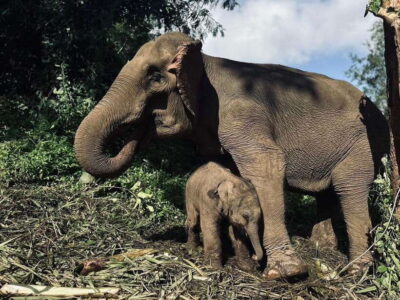
Elephant Sanctuary, Waterfall & Bamboo Rafting
Read our review →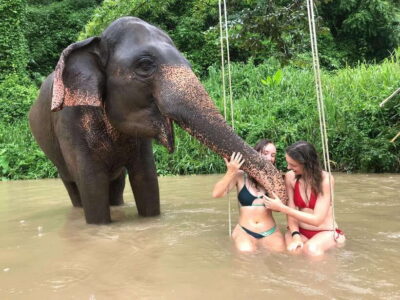
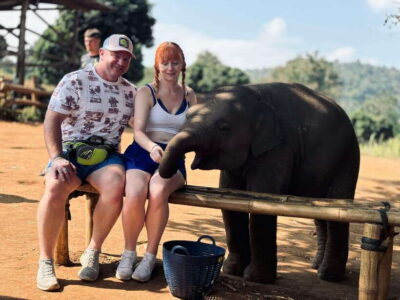
Elephant Sanctuary Feeding Program Half-Day Tour
Read our review →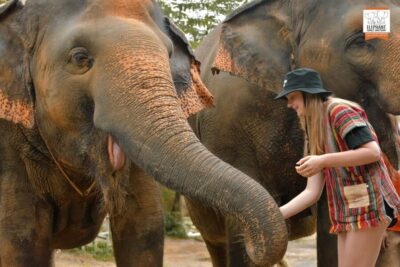
Elephant Jungle Sanctuary Ethical Feeding Experience
Read our review →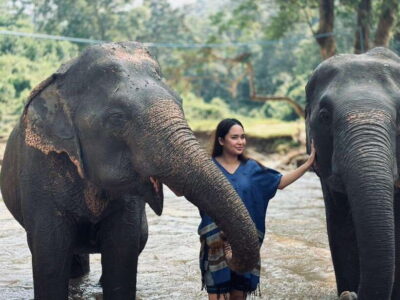
Elephant Sanctuary, Long Neck & Sticky Waterfall
Read our review →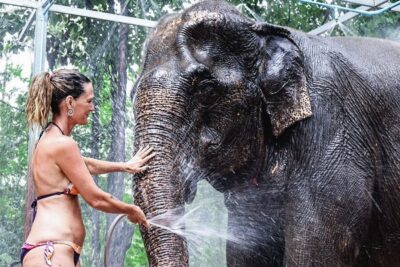
Elephant Bathing Session at Krabi Elephant Shelter
Read our review →
Elephant Sanctuary Guided Tour with Hotel Transfers
Read our review →
Browse the lists this tour appears in