
Reviewed · STREET FOOD TOURS
Bangkok Food Tour By Night
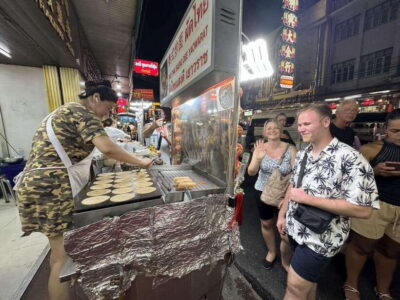
Bangkok’s Chinatown is best understood after dark, when the streets fill with food stalls, noodle shops, pastry counters, and curious smells. This 2.5-hour walking tour takes you to six food stops, with a guide handling the ordering and route through the crowded lanes.
I like two things here: you get a broad sampling of Chinese, Thai, and other local flavors, and the guide adds useful context about Chinatown rather than simply placing plates on the table. Guides including Peach, Sophie, Jan, and Kay have earned especially warm praise for their food knowledge and friendly care.
The main caution is dietary suitability. The tour warns that it may not work well for vegan, vegetarian, gluten-free, or allergy-restricted diners, even though some guides have accommodated individual needs. Confirm your needs before booking, and do not assume substitutions will be available at every stop.
Key points to know before booking
- Six food stops in about 2.5 hours: Expect a steady stream of tastings, with several reviews describing roughly 9 or 10 individual dishes.
- Meet at MRT Wat Mangkon: Exit 3 is the practical meeting point, and the metro is recommended over a taxi because of traffic.
- Chinatown is the setting, not the only cuisine: You may try Chinese, Thai, and Indonesian-influenced dishes, including satay.
- Come hungry: Several people found the food plentiful enough to replace dinner.
- Guide quality matters: Peach, Sophie, Jan, Sophie, Kay, and Alex received strong praise, while a few weaker experiences centered on limited English and poor explanations.
- Diet restrictions need careful planning: Shrimp, peanuts, pork, dairy, gluten, seafood, and vegetarian requirements may be difficult to manage.
Starting at Wat Mangkon after dark
The tour begins at 7 p.m. outside Exit 3 of MRT Wat Mangkon Station, at ground level near Wat Mangkon Kamalawat. This is one of the easiest meeting points in the area. The metro avoids the traffic jams that often slow taxis around Chinatown, so I would build your evening around arriving by train.
Give yourself enough time to find the correct exit. Chinatown is crowded and the station area can be confusing, especially if you are arriving after a long day of sightseeing. Your guide waits at the exit, then leads the group into the neighborhood.
The group can reach a maximum of 12 people. That is small enough for a guide to keep an eye on everyone, but it is not necessarily a private tour. One unusual possibility is a very small departure during a quiet period. One person described having a private-feeling experience simply because nobody else joined.
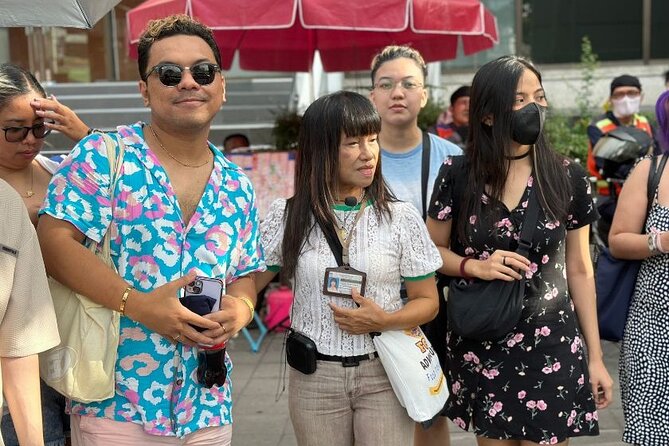
This matters in Chinatown. The sidewalks and lanes can be packed, and it is easy to lose sight of a group while stopping for a photograph or looking at a food stall. A good guide keeps the group together, arranges seating where possible, and makes sure everyone has water and occasional bathroom breaks.
More Street Food Tours in Bangkok
- Bangkok: Backstreets Food Tour with 15+ Tastings
★ 4.9 · 2,880 reviews - Bangkok Backstreets Food Tour with 15+ Tastings
★ 5.0 · 1,926 reviews - Bangkok: Michelin Guide Street Food Tour by Tuk Tuk
★ 4.4 · 1,274 reviews
Six stops, many different flavors
The published plan promises six different food stops. The exact food list can change with the season, public holidays, or dishes that are no longer available, so you should not expect a fixed tasting menu.
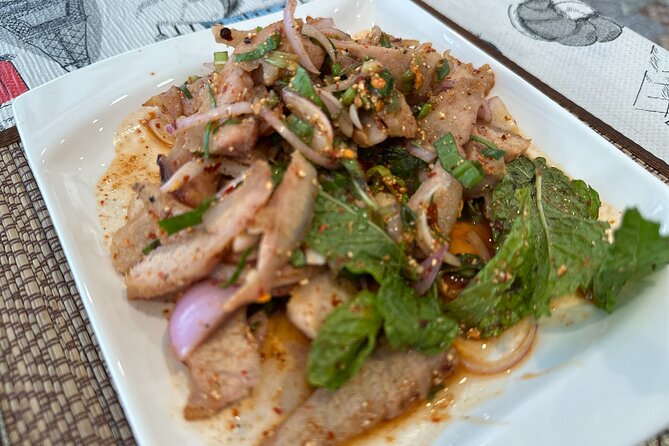
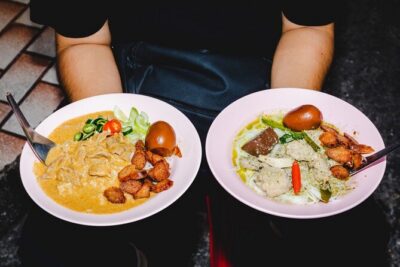
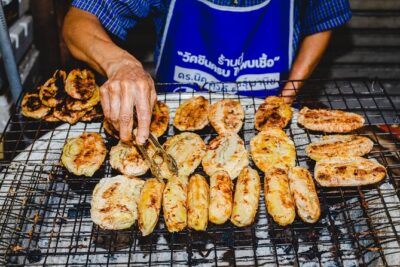
The food examples point to a wide spread: savory dumplings, sweet pastries, chicken, spicy salads, soup, doughnuts, and satay. One route included Indonesian-style chicken satay, while other meals included tom yum and Chinese-influenced dishes. This is not a narrow tour of one regional cuisine.
That variety is one of the tour’s strengths. Bangkok Chinatown grew from Chinese migration and has developed its own mix of Chinese, Thai, and other Southeast Asian cooking. You may start with something familiar, then find yourself trying a sauce, spice mix, or pastry you would have passed by on your own.
It is also the source of one possible disappointment. If you book expecting only classic Thai street food, the Chinese and Indonesian elements may feel off target. The tour is better understood as a food walk through Bangkok’s Chinatown, where cuisines overlap, rather than as a strict survey of traditional Thai dishes.
The tasting count also needs a little care. The official details list six stops, while several descriptions refer to five or six locations and around 9 or 10 dishes. In practical terms, you should expect multiple small portions at some stops, not just six single bites.
What each part of the route adds
The first stop is likely to ease you into the evening with a savory item such as dumplings or another Chinatown staple. These foods are useful introductions because your guide can explain how to eat them, what sauces to use, and how the dish fits into the neighborhood’s Chinese food culture.
From there, the route may move into fuller dishes and cooked street food. Tom yum was a favorite for one participant, and chicken appeared among the better-liked tastings. Expect seasoning to vary from mild to spicy, with the guide explaining ingredients when communication is clear.
The tour may also include a place that serves satay. This is a useful reminder that Chinatown food is not sealed inside one national category. Indonesian-style satay alongside Thai and Chinese dishes gives you a more accurate sense of Bangkok’s everyday food culture, although it can surprise anyone expecting only Thai recipes.
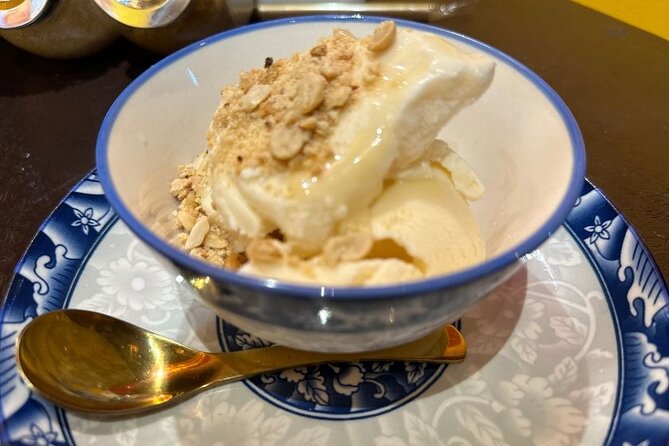
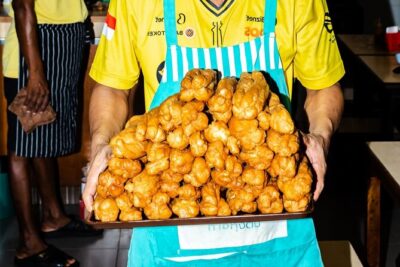
Sweets usually appear somewhere along the route. Pastries and doughnuts provide a change from salty and spicy food, and one guide even arranged birthday candles in doughnuts for a guest. The order can vary, and one person found it awkward to eat sweets before returning to spicy savory dishes. If you are sensitive to a large amount of food, pace yourself instead of treating every plate as a full serving.
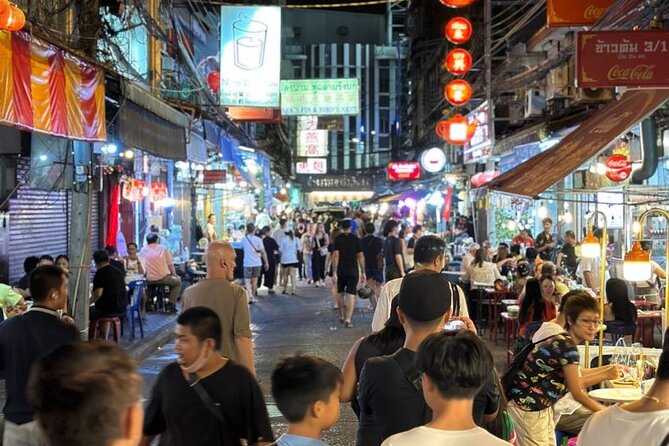
The final stops may take you deeper into the evening crowd on Yaowarat and around the Charoen Krung area. The official end point is listed on Charoen Krung near Plaeng Nam Road. By then, the value is not only the food. You have seen how people eat, shop, meet, and move through Chinatown after sunset.
Some tours also pass temples or other local sights. The exact sightseeing portion is not presented as a formal temple tour, but guides have pointed out landmarks and helped with local performance tickets. Treat these moments as welcome extras rather than the main purpose of the booking.
The guide can make or break the evening
The strongest part of this experience is the guide when the match is good. Peach received praise for making introductions, keeping a large group together, explaining how to eat unfamiliar dishes, and arranging a birthday surprise. Sophie was praised for her energy, food knowledge, and stories about Bangkok. Jan was noted for taking a group to a less obvious local place and providing strong explanations.
Kay also received credit for combining food with landmarks, while Alex was described as knowing where to find specialties that a first-time visitor might miss. These names are useful examples, but you cannot choose a particular guide from the information provided.
There is a clear warning on the other side. Some people found their guide’s English difficult to understand. In the weakest accounts, dishes arrived with little explanation, dietary requests were missed, and the route felt less special than expected.
That inconsistency is worth weighing against the price. A food tour depends heavily on communication. The same dumpling or soup can feel memorable when you understand what it is and why the stop matters, but ordinary when a plate simply appears without context.
The operator says guides are licensed, experienced, and insured. Still, the practical lesson is simple: ask questions early, repeat any dietary restrictions clearly, and tell the guide if you need an explanation before eating. A friendly guide who manages the group well adds real value. A guide who struggles to communicate reduces it sharply.
Same base, a completely different sort of day out:
- Bangkok: Damnoen Saduak Market and Maeklong Railway Market
★ 4.5 · 26,723 reviews - The Old Siam: Damnoen Saduak and Maeklong Railway Market
★ 4.5 · 10,992 reviews - Bangkok: Train Market & Floating Market with Boat Ride
★ 4.7 · 9,547 reviews - Bangkok Canal Tour: 2-Hour Longtail Boat Ride
★ 4.5 · 5,909 reviews
Is $55 a fair price?
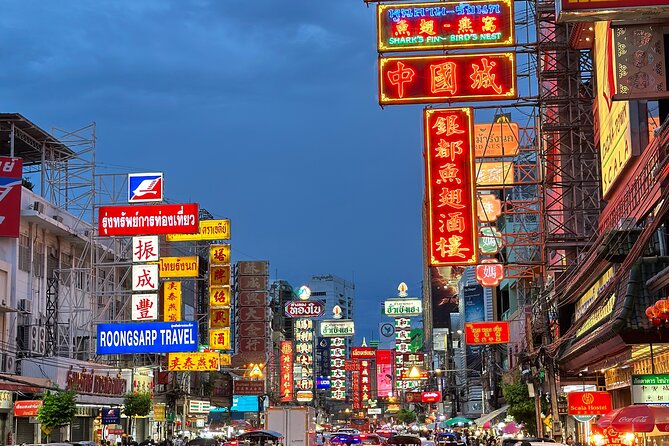
At $55 per person, this is not the cheapest way to eat in Bangkok. You could buy individual street dishes for much less if you already know where to go and feel comfortable ordering on your own.
The fee includes six food stops, a guide, bottled water, insurance, and taxes. Alcohol is not included, and you pay separately for drinks such as beer. The real question is what you are paying for beyond the food.
You are paying to avoid the research and guesswork. Chinatown has more food choices than most first-time visitors can sort through in one evening. A guide can pre-order, select dishes, steer you toward places that suit the group, and help you move through lanes that might otherwise feel confusing.
The value is strongest for your first night in Bangkok, when you want a quick introduction and do not yet know the difference between a good-looking stall and a place worth waiting for. It is also useful if your schedule is tight. One participant specifically valued having someone filter the choices rather than spending the evening experimenting.
The value is weaker if you are already confident in Bangkok’s food scene, want a strictly Thai menu, or dislike group pacing. You may also feel the price is high if the guide does not explain the dishes or if the food seems basic.
Several people left completely full, so think of the booking as dinner plus a neighborhood walk. Have a light lunch if you join an evening departure, and do not plan another major meal afterward.
Dietary restrictions require a direct conversation
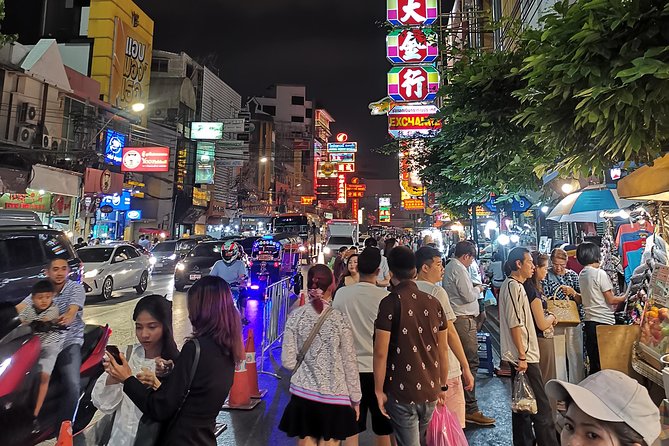
The official warning is unusually strong. The experience may not suit vegetarians, vegans, gluten-free diners, or anyone allergic to shrimp, peanuts, pork, or dairy products. That warning should guide your decision.
There is some evidence that individual needs can be handled. One guest with celiac disease reported receiving gluten-free choices at every stop. Another person who did not eat seafood said the guide found suitable alternatives while a spouse ate seafood. A separate account said vegetarian choices were available.
But other experiences were poor. One person requested halal chicken and felt the request was not understood. Another said meat was placed in front of a vegetarian diner. The operator responded that dietary requests had not been communicated in advance, which shows how important it is to raise the issue before the tour rather than relying on a last-minute conversation.
If you have a serious allergy or strict diet, I would not book without written confirmation that the tour can handle it. Even then, crowded food stalls and shared preparation areas may make the experience unsuitable. The tour’s own warning is more reliable than isolated examples of successful substitutions.
Walking, weather, and comfort
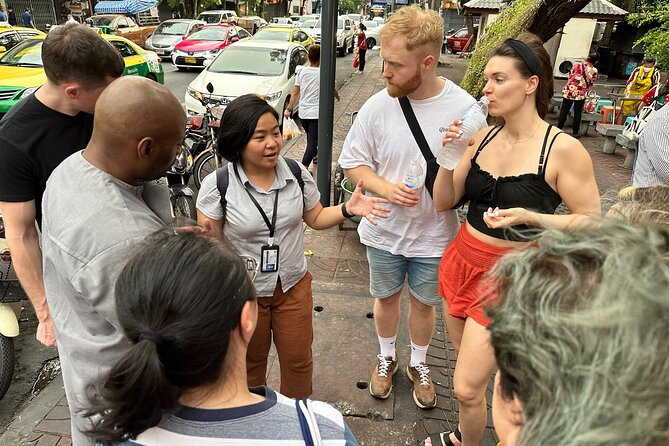
The tour lasts about two and a half hours and takes place on foot. You will spend the evening moving through busy streets, standing at food stops, and sitting when space is available. Wear comfortable shoes and clothing that will not bother you in Bangkok’s heat.
Carry water beyond the bottled water supplied, especially if you are sensitive to heat or spicy food. An umbrella is sensible during Bangkok’s rainy periods. One person specifically advised bringing one just in case.
A mobile ticket makes the booking easy to carry, and the meeting point is close to public transport. Hotel pickup and drop-off are not included, so you need to arrange your own route to Wat Mangkon and your own journey home from Charoen Krung.
The route is suitable for most people according to the activity details, but no detailed accessibility information is provided. If you have mobility concerns, ask the operator about the walking surface, seating, and any stairs before paying.
How to get more from the experience
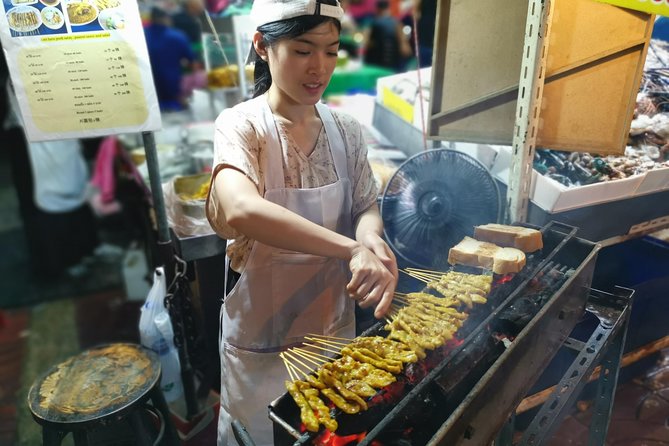
Arrive at least a little early at Exit 3. The guide may be easy to find, but the station and street activity can be distracting.
Eat lightly beforehand. The combination of six stops and multiple dishes can add up fast, and the final tasting may arrive when you are already full.
Tell the guide what you can and cannot eat at the start, then check each dish before trying it. This is especially important for allergies, gluten restrictions, pork avoidance, and vegetarian or halal requirements.
Ask for the name of each dish and how locals eat it. The best guides explain sauces, textures, ingredients, and the background of the neighborhood. If you only receive a plate without context, ask politely for more information.
Keep your phone and wallet secure in crowded lanes. The tour takes place in busy Chinatown streets, so basic city awareness is sensible. The supplied accounts include one serious complaint about unwanted physical contact from a guide, but this is not described as a general feature of the activity. If anything makes you uncomfortable, say so clearly and contact the operator.
Finally, bring a camera, but do not let photographs slow the group. Chinatown is most enjoyable when you look up from the food and notice the signs, temples, shop houses, and evening activity around you.
Who should book this Chinatown food walk?
I would recommend it to a first-time Bangkok visitor who wants dinner handled, prefers a guide in a crowded district, and enjoys trying several foods in one evening. It is also a good fit for people who want a social outing, since the small group format can lead to conversation with other participants.
It suits adventurous eaters more than picky diners. You need to be comfortable with changing dishes, shared local settings, and a mix of Thai, Chinese, and Indonesian-influenced flavors.
I would be cautious if you require strict dietary control, expect polished restaurant service, or want a focused Thai-only food lesson. The experience depends on the assigned guide, and the difference between a strong evening with Peach, Sophie, Jan, or Kay and a poorly explained route can be substantial.
At $55, the tour earns its keep when it saves you from getting lost and helps you understand what you are eating. It is less convincing if you care only about the cheapest possible meal.
Should you book it?
Book this tour if you want a guided introduction to Chinatown at night, a full dinner made up of many tastings, and help navigating a district that can feel overwhelming on your own. The high overall rating and strong praise for several guides point to a worthwhile experience when the tour is well managed.
Skip it, or contact the operator first, if your diet is strict, your expectations are for only Thai food, or you need detailed explanations in clear English. For everyone else, this is a practical way to get your bearings, eat far more than you expect, and see how Bangkok’s Chinese quarter comes alive after sunset.
FAQ
Where does the Bangkok Food Tour By Night begin?
It begins outside Exit 3 of MRT Wat Mangkon Station, near Wat Mangkon Kamalawat, at ground level.
What time does the tour start?
The tour starts at 7 p.m.
How long does the tour last?
The experience lasts approximately 2 hours and 30 minutes.
How many food stops are included?
Six different food stops are included. The number of individual dishes can vary, with some descriptions noting around 9 or 10 tastings.
Is bottled water included?
Yes. Bottled water is included.
Is hotel pickup included?
No. Hotel pickup and drop-off are not included. You must make your own way to the meeting point and leave from the listed end point.
Are alcoholic drinks included?
No. Alcoholic beverages are not included.
Can vegetarians or people with allergies join?
The tour warns that it may not be suitable for vegetarians, vegans, gluten-free diners, or people allergic to shrimp, peanuts, pork, or dairy. Some dietary requests have been accommodated, but you should confirm your needs before booking.
What is the cancellation policy?
You can cancel at least 24 hours before the local start time for a full refund. Cancellations or changes made within 24 hours are not refunded or accepted. If the minimum number of participants is not reached, you will be offered another date or experience, or a full refund.
More Evening Tours in Bangkok
- Bangkok: Evening Tour with Wat Arun, Wat Pho & Tuk Tuk Ride
★ 4.6 · 701 reviews - Bangkok Tuk-Tuk Tour by Night with Chinatown Street Food Meal
★ 5.0 · 635 reviews - Bangkok by Night Food Tour with 10+ Tastings in Chinatown
★ 5.0 · 545 reviews - Bangkok: E-Scooter Night Tour with Local Street Food
★ 4.8 · 488 reviews
More Food Tours in Bangkok
- Bangkok: White Orchid Chao Phraya Dinner Cruise free Beer
★ 4.4 · 4,573 reviews - Bangkok by Night: Temples, Markets and Food Tuk-Tuk Tour
★ 5.0 · 3,752 reviews - Bangkok Midnight Food Tuk Tuk Tour
★ 5.0 · 2,542 reviews - Old Siam Bangkok Food Tour with 15+ Tastings
★ 5.0 · 867 reviews
Just added around Bangkok
- Wonderful Pearl Dinner Cruise★ 3.5 · 27 reviews
- Yoga in the Park Thailand★ 5.0 · 12 reviews
- re:leaf spa and massage★ 4.0 · 10 reviews
- 3-Hour Bangkok Walking Tour: Wat Pho and Wat Arun★ 5.0 · 102 reviews
- White Orchid Sunset Dinner Cruise Calypso Ladyboy Cabaret Show★ 4.0 · 10 reviews
- Visit temples in and around Bangkok with a former monk of 10 years★ 5.0 · 30 reviews
- Morning Buddhist Almsgiving, Grand Palace and Flower Market Tour in Bangkok★ 3.5 · 9 reviews
- Visit Wat Pho and Wat Arun with Local Expert★ 4.0 · 14 reviews
Street Food Tours, compared.
Southern Flavors Phuket Food Tour with 15+ Tastings
Read our review →Bangkok Backstreets Food Tour with 15+ Tastings
Read our review →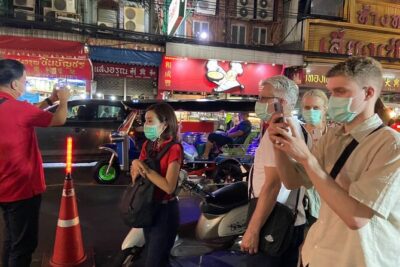
Bangkok Authentic Tasting Thai-Chinatown Walking Food Tour
Read our review →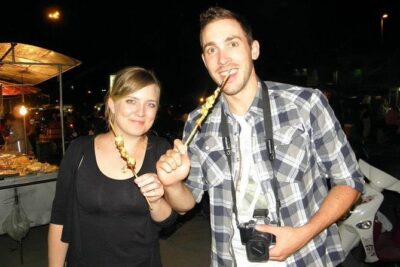
Small-Group Chiang Mai Evening Street Food Tour
Read our review →
Bangkok Tuk-Tuk Tour by Night with Chinatown Street Food Meal
Read our review →Browse the lists this tour appears in