
Reviewed · ELEPHANT SANCTUARIES
Samui:Elephant Jungle experience & The First Elephant Museum
The most meaningful part of this Samui outing is that the elephants are not put through a show. You watch rescued animals roam, forage, and cool down in a jungle setting, while the staff explains how care works. The visit begins with Samui’s first Elephant Museum, then moves outdoors for a closer look at elephant life.
I like the museum’s clear link between Thai culture and modern conservation, and I like the seed-bomb activity, which gives you a small but useful way to help grow future elephant food. The main tradeoff is time: the program lasts three hours, and one hour is set aside for the museum, safety briefing, and educational session. If you mainly want long elephant-watching time, the outdoor portion may feel short.
- Thai elephant culture first: Start with exhibits and stories about elephants in Thailand’s heritage, spirituality, and daily life.
- Nine rescued elephants: The care program includes eight adult females and one young male, according to the information shared during the visit.
- Observation over performance: Watch elephants roam naturally, with touching kept limited rather than built into the program.
- Hands-on conservation: Make seed bombs from clay and native plant seeds, then launch them into the forest with a traditional slingshot.
- Practical elephant care: See how mahouts prepare organic food and explain nutrition, shade, water, and natural cooling.
- Small-group feel is possible: Some departures have had only four people, though group size can vary.
A Different Kind of Elephant Visit on Koh Samui
Many elephant activities in Thailand are built around close contact. This one takes a more careful route. At Samui Elephant Home, the focus is on rescued elephants, their past lives, and the conditions they need now.
You are not going to watch elephants perform tricks. You are also not promised hours of petting. Instead, you learn why an elephant sanctuary must give animals room to choose where they walk, what they eat, and how they rest.
That distinction matters. Elephants are powerful, social animals, and even a calm one can react quickly. This experience makes their welfare part of the lesson, not a footnote. The guide explains what freedom means in practical terms, while you watch the animals from a respectful distance.
The program has earned a 4.9 rating from 226 reviews, with repeated praise for the guides, the clean grounds, and the gentle treatment of the elephants. Angie receives especially frequent praise, while Katy, Katie, and Noot are also named as strong guides. Their role is important because the visit depends as much on explanation as on animal sightings.
Starting at the First Elephant Museum
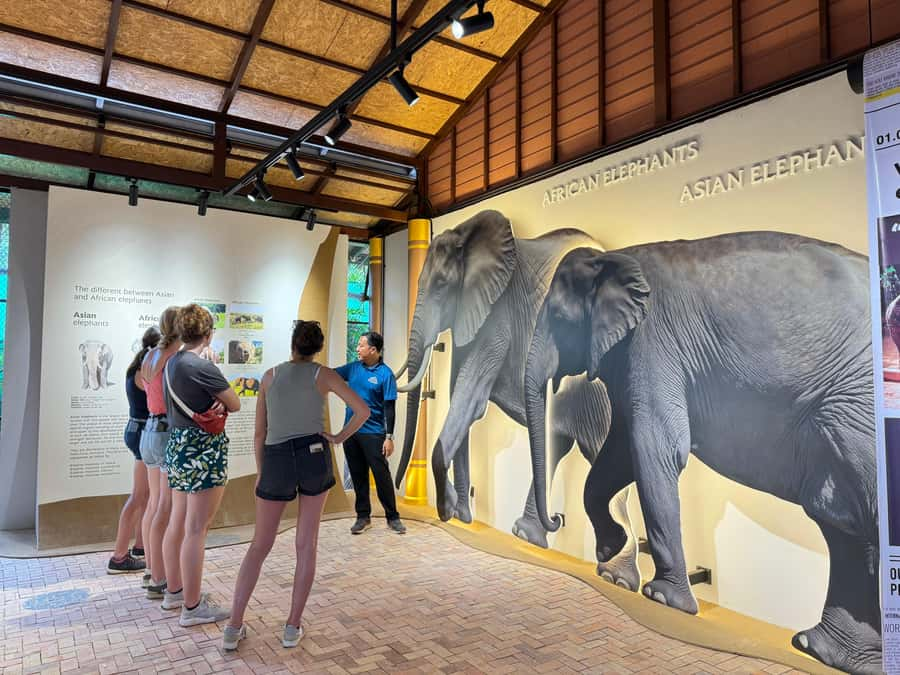
The visit begins with a hotel pickup around Koh Samui, followed by a welcome drink and a safety briefing. The first hour takes place at the Elephant Museum and education area.
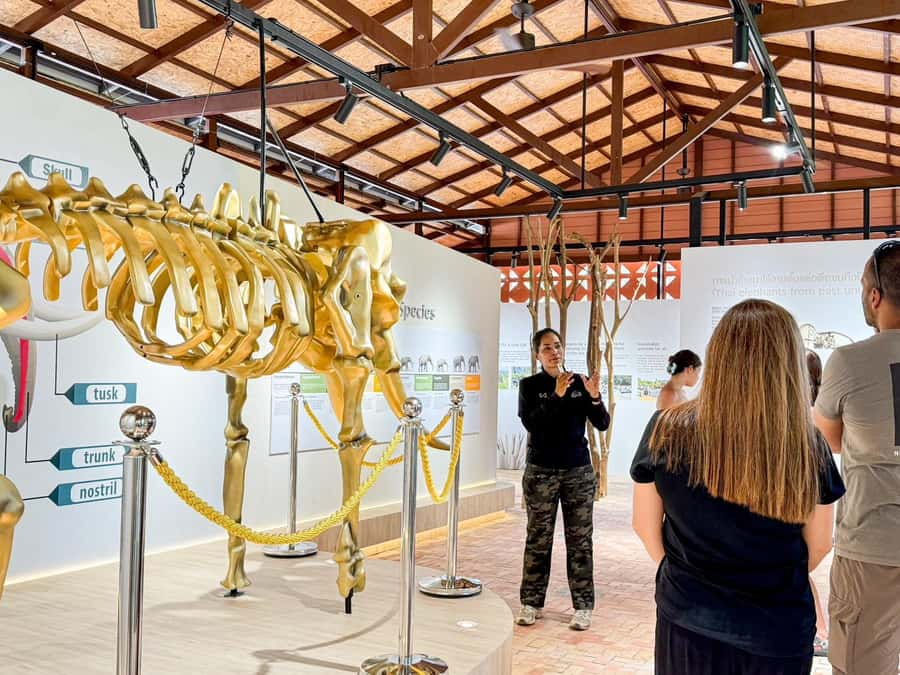
This is not just a quick display before the outdoor activity. The museum explains the long relationship between elephants and Thai people, including their place in work, culture, belief, and national identity. Interactive exhibits and historical displays help you understand why elephants remain so important in Thailand, even as the traditional roles once forced on them have changed.
I like this opening because it gives context before you meet the animals. A rescued elephant is not simply a photo opportunity. It may carry a difficult past, and the museum helps explain the wider problems facing Asian elephants and the reasons responsible care costs money.
The museum also gives you a useful way to think about ethical tourism. Supporting a center is not only about seeing an elephant. It can help fund food, land, veterinary attention, staff, and the long work of giving rescued animals a safer life.
The possible downside is clear. If you have already read a lot about Thai elephants, an hour of exhibits and instruction may feel long. One visitor specifically preferred less classroom and museum time and more time outside with the elephants. You should choose this activity for education as well as animal viewing.
More Elephant Sanctuaries in Koh Samui
- Koh Samui: Elephant Sanctuary Entry and Feeding Experience
★ 4.7 · 1,446 reviews - Koh Samui: Elephant Sanctuary and Jungle Tour with Lunch
★ 4.7 · 1,328 reviews - Samui: Elephant Nutrition and Care Education Experience
★ 4.9 · 1,223 reviews
Meeting the Elephants in Their Forest Home
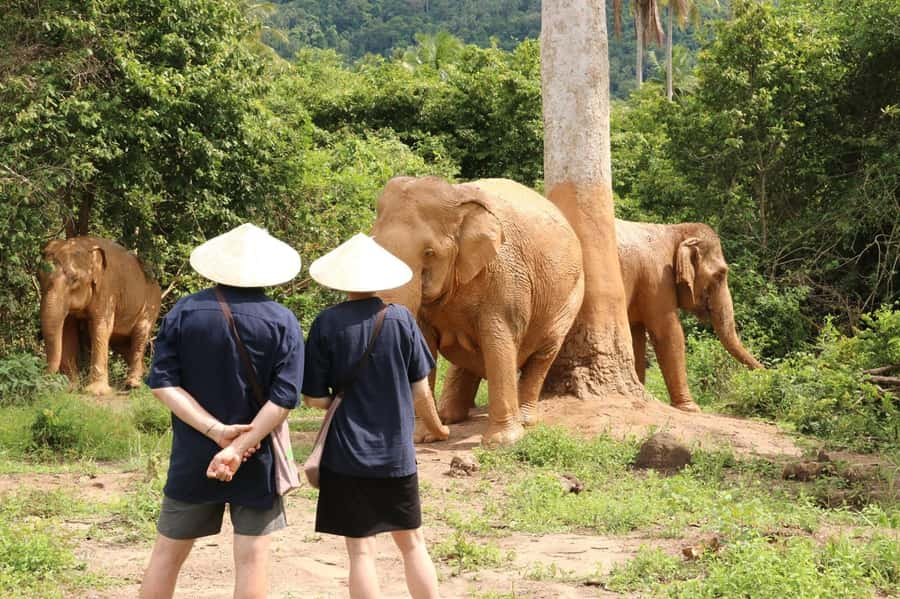
After the museum and briefing, you walk toward the open jungle area. The outdoor section lasts about an hour and a half, including walking, wildlife viewing, and time to observe the elephants.
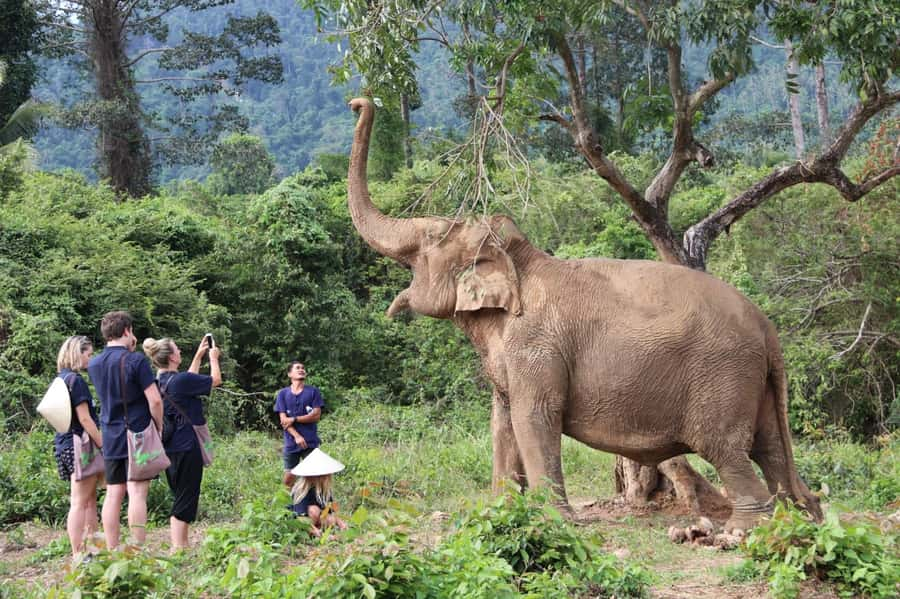
The setting is important. You see the animals in a forest environment where they can move, search for food, and spend time with one another. You may watch them forage, explore, or settle into their own routines. The guide points out personalities, social bonds, and natural behavior rather than directing the elephants into a fixed show.
The program includes nine rescued elephants, eight adult females and one young male. The young elephant has been a memorable part of many visits, with his playful and cheeky behavior drawing plenty of attention. Still, the staff keeps the larger message in view: the elephants are not there to entertain on command.
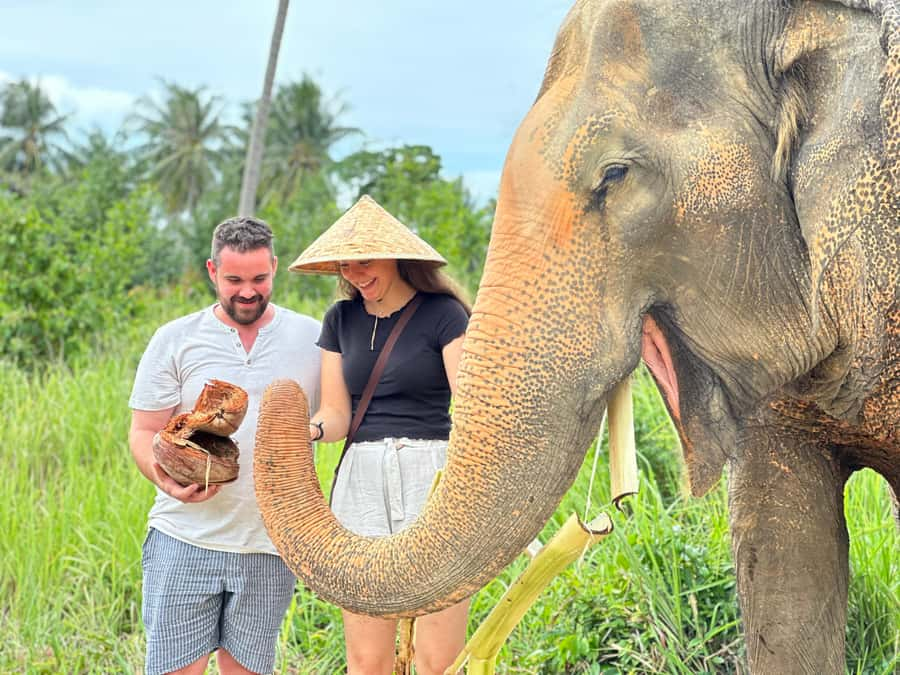
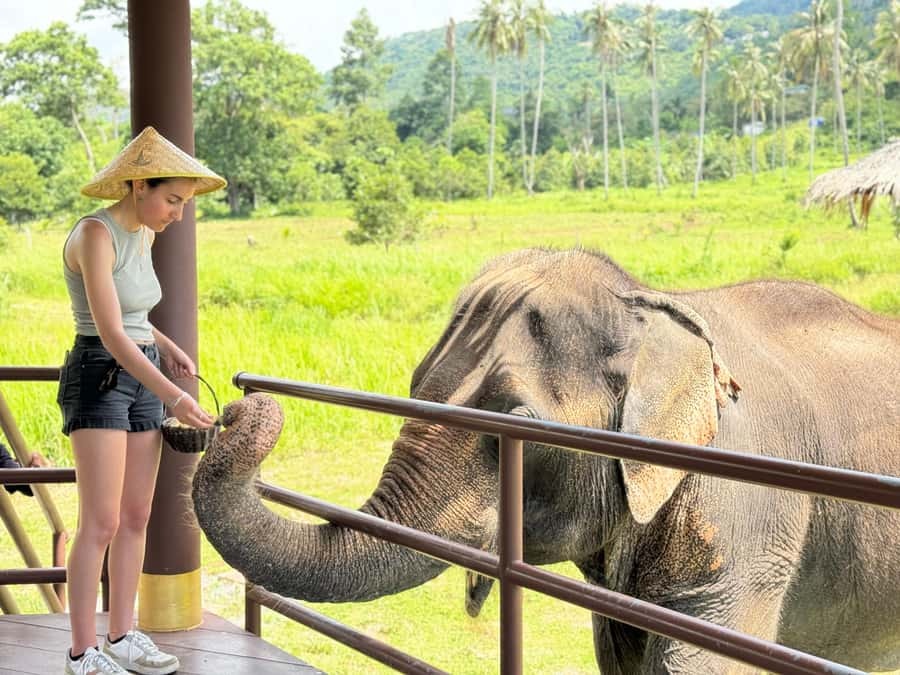
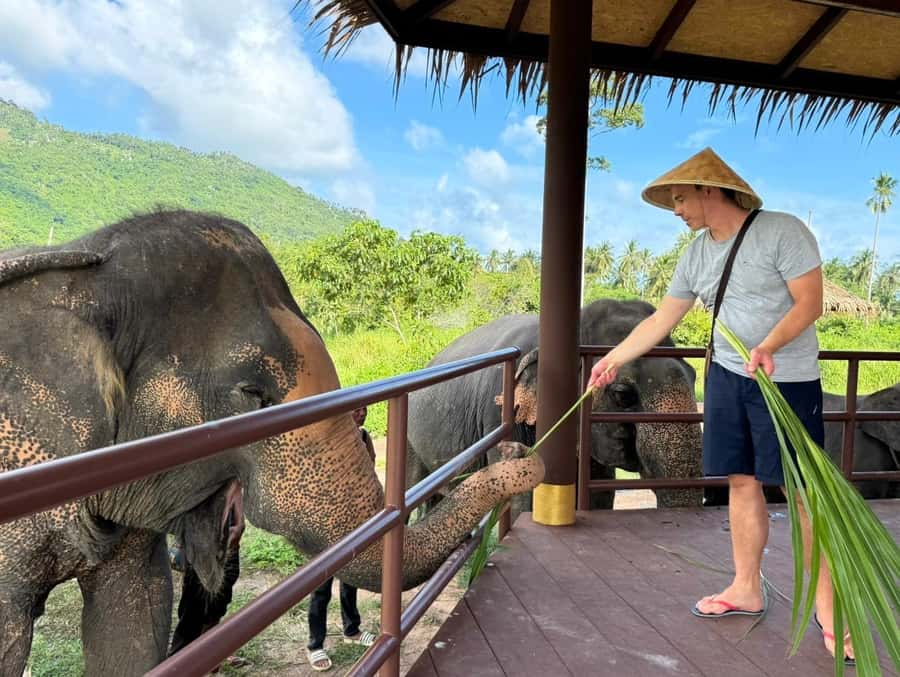
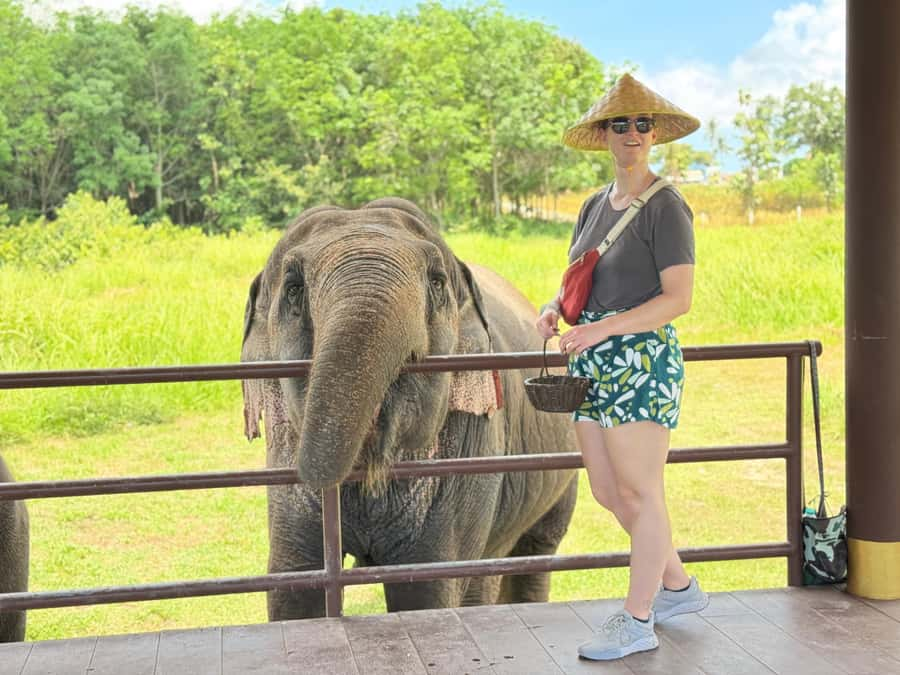
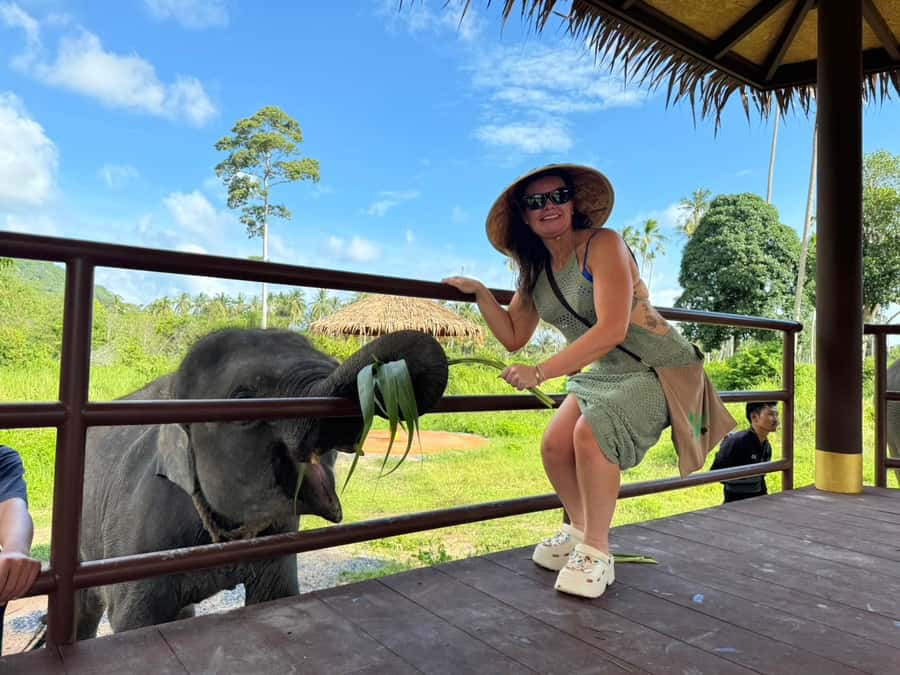
You may be allowed to offer food such as bananas or sugarcane, depending on the moment and staff instructions. Some visitors have also been able to touch an elephant briefly, but this is not presented as the main goal. That is a good sign for anyone comparing sanctuaries. The closer the contact, the more carefully it needs to be managed.
I would bring a camera, but use it with restraint. Personal photography is allowed, yet you are asked to respect the animals’ space. Your best pictures may come from watching calmly rather than trying to move into the perfect close-up position.
Why the Feeding Portion Is Kept Limited
Food preparation is one of the educational parts of the outdoor visit. Mahouts demonstrate how organic food is prepared and explain the elephants’ dietary needs at different stages of life.
This is more useful than simply handing out treats. You learn that proper nutrition affects an elephant’s health, energy, and long-term care. The staff also explains how food choices fit into the center’s wider plan to support rescued elephants.
You may get a chance to feed the elephants, but do not expect a long feeding session. One visitor wished for more time watching and feeding up close, while another appreciated that touching was limited. Both reactions are fair.
I see this as a sensible compromise. Feeding helps you connect with the animals, especially for children and first-time visitors, but a sanctuary should not turn every elephant into a permanent feeding station. The animals’ needs come before your photo or your wish for more contact.
The guides also explain why this center does not include mud bathing with the elephants. The activity can be dangerous, and avoiding it supports the program’s more hands-off approach. If mud bathing is the main item on your wish list, this is not the right choice. If you want contact kept under tighter control, it is a strong point.
Cooling Down Naturally in Samui’s Heat
Samui’s tropical weather can be hard on both people and elephants. Later in the visit, you observe how the mahouts help the elephants cool down after their walk.
The process is quiet and practical. Shade, water, and calm routines help the animals relax. The goal is not to make them perform a bathing routine for an audience. The staff watches their condition and supports them while respecting their choices.
This section gives you a better sense of what daily care involves. Ethical treatment is not only about avoiding chains or shows. It also means recognizing heat, fatigue, hydration, food, social needs, and personal space.
You should prepare for the same climate. Wear light, comfortable clothing, sturdy shoes, a hat, sunscreen, and insect repellent. A camera is welcome, but water and sun protection matter more. One person in a recent group became unwell in the heat, and the guide provided extra water and fans. That kind of response is reassuring, but you should still arrive prepared.
Same base, a completely different sort of day out:
- Koh Samui: Pig Island & Koh Tan Snorkeling by Speed boat
★ 4.5 · 4,149 reviews - Koh Samui: Mu Ko Ang Thong Park Cruise with Kayaking Option
★ 4.3 · 3,728 reviews - Koh Samui: Half-Day Island Highlights Tour with Hotel Pickup
★ 4.6 · 3,556 reviews - Koh Samui: Island Hopping Adventure in Coral and Pig Island
★ 4.6 · 3,453 reviews
Making Seed Bombs for Future Elephant Food
The conservation activity gives the visit a welcome change of pace. You make seed bombs with clay and native plant seeds, then use a traditional slingshot to send them into forest areas.
The idea is simple. New plants can help restore parts of the forest and create future food sources for the elephants. You are not restoring an entire forest in one afternoon, of course, but the activity makes sustainable care easier to understand. It connects your visit with the long-term needs of the sanctuary.
This is especially good for families and anyone who wants more than an observation session. It gives children a practical task, while adults can see how habitat support fits into elephant welfare.
The seed bombs are made from clay and native seeds, and the launching is done with a slingshot. Listen carefully to the staff during this part, since safe use matters. The activity is lighthearted, but it has a purpose beyond entertainment.
Guide Quality Makes a Big Difference
The guide can shape the whole morning. Angie is frequently named for her clear English, care for the elephants, and ability to explain difficult subjects in a friendly way. Katy and Katie are also praised for explaining the animals and their stories, while Noot is noted for her passion and warmth.
You get the most from the tour when you ask questions. Ask about an elephant’s background, why certain types of contact are limited, and how food and forest planting support the center. The guide is there to explain the decisions behind the program, not just move you from one stop to the next.
The best guides also read the group. A family may need simpler explanations and more time with the seed bombs. An adult group may want to discuss rescue work, conservation, or the difficult history of working elephants in Thailand.
The experience is offered in English. Group size is not fixed in the information provided, though some departures have been very small, with only four people. A small group makes it easier to hear the guide and ask questions, but you should not assume every departure will have that same size.
What the 64 Dollar Price Includes
The price is $64 per person for three hours. That is not the cheapest way to see elephants on Koh Samui, but the value depends on what you want included.
You are paying for roundtrip hotel transfer around Samui, full insurance, a welcome drink, the museum tour, the guided jungle walk, elephant-care education, and the seed-bomb activity. You also avoid arranging transport on your own, which saves both time and uncertainty on a short island holiday.
I think the price is reasonable if you want a structured, educational visit with a clear ethical focus. The museum adds something that a simple feeding stop does not, and the conservation activity gives the program a broader purpose.
It is less useful value if your only goal is extended close-up contact. Feeding time may be brief, and the center does not build the program around mud bathing or constant touching. You are paying for a balanced experience, not a photo session.
Who Will Enjoy This Most
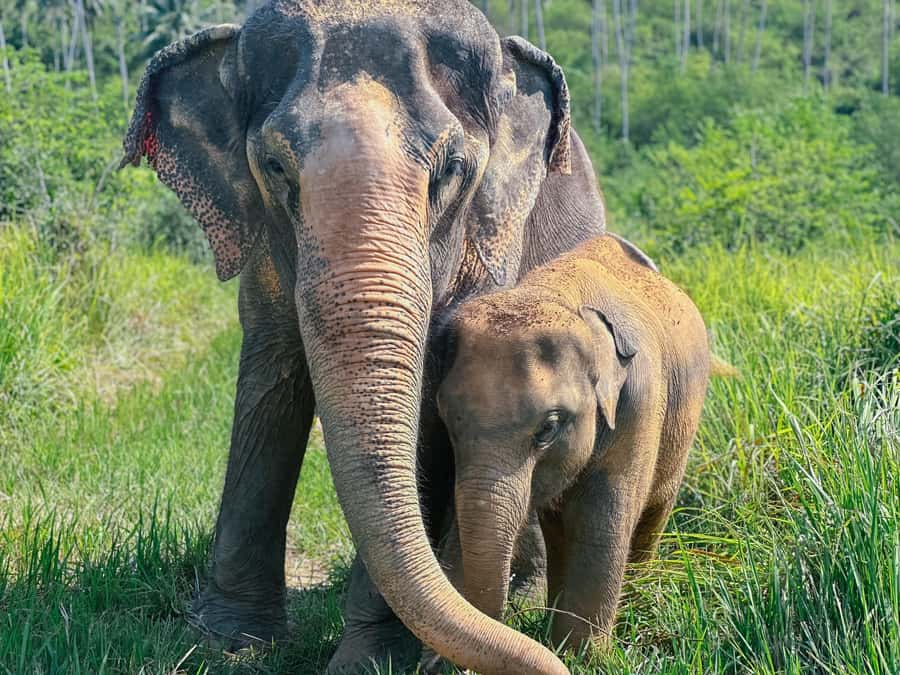
I would recommend this visit to families, first-time elephant visitors, and anyone who wants to understand the difference between animal care and animal entertainment.
It also suits adults who care about responsible tourism but still want to see elephants at fairly close range. You can learn about Thai culture, hear the stories of rescued animals, walk through a natural setting, and take part in a small conservation project.
The three-hour length works well with a busy Koh Samui schedule. Pickup and return around the island make it easier to fit into a morning or afternoon, though starting times depend on availability.
People with limited mobility should note that the experience includes walking and hiking, even though the activity is listed as wheelchair accessible. Contact the provider before booking if you need to confirm how the forest portion will be handled for your specific needs.
This is not ideal for anyone who expects a guaranteed long session of feeding, petting, or bathing elephants. The center’s appeal is its restraint. You observe first and interact only when the staff says it is suitable.
Useful Things to Bring
Wear shoes that can handle walking on uneven ground. The outdoor section includes a forest walk, so sandals may be less comfortable than closed, supportive shoes.
Pack a hat, sunscreen, and insect repellent. Samui’s heat can build quickly, especially while walking or standing outdoors. Bring a camera if you like, but keep it secondary to listening and watching.
The center does not allow alcohol or drugs. Follow staff directions around the elephants, particularly during feeding, photography, and the seed-bomb activity.
Hotel pickup is included. You are asked to wait in your hotel lobby about 15 minutes before the stated pickup time, since the vehicle may need to collect people at several locations. Confirmation is sent by email.
Cancellation is flexible: you can cancel up to 24 hours in advance for a full refund. You can also reserve now and pay later, which helps if your Koh Samui plans are still moving around.
Should You Book the Samui Elephant Jungle Experience?
Book it if you want the museum, the Thai cultural background, careful elephant observation, and a conservation activity in one compact visit. I especially like the decision to avoid mud bathing and to keep the animals’ choices ahead of visitor contact.
The strongest parts are the guides, the natural setting, and the clear explanation of food, heat, rescue, and habitat. Angie, Katy, Katie, and Noot have all been praised for bringing those subjects to life, and the small-group departures can make the visit feel personal.
Think twice if you mainly want hours of close feeding or touching. The outdoor time may feel too short for that purpose, and the museum takes a full hour. For an ethical, educational three-hour introduction to rescued elephants on Koh Samui, though, $64 is a fair price and a responsible way to spend part of your island stay.
FAQ
How long does the Samui Elephant Jungle experience last?
The experience lasts three hours, including the museum visit, safety briefing, educational activities, jungle walk, elephant viewing, and return transfer.
What is included in the price?
The price includes roundtrip hotel transfer around Koh Samui, full insurance, a welcome drink, a guided Elephant Museum tour, a walk with elephants in their natural habitat, and seed-bomb crafting.
Is hotel pickup available?
Yes. Pickup is included from hotels around Koh Samui. You should wait in your hotel lobby about 15 minutes before the pickup time.
What language is the tour offered in?
The live guided tour is offered in English.
Can I feed or touch the elephants?
You may have the chance to feed elephants with items such as bananas or sugarcane. Touching is limited and depends on staff instructions and the animals’ behavior.
Does the experience include mud bathing with elephants?
No. The program does not include mud bathing. The staff explains that this activity can be dangerous.
What should I bring?
Bring comfortable walking shoes, a hat, sunscreen, insect repellent, and a camera for personal use.
Can I cancel or pay later?
You can cancel up to 24 hours in advance for a full refund. You can also reserve your place and pay later, subject to the booking terms.
More Museums in Koh Samui
- Samut Prakan: The Erawan Museum Admission Ticket (NON THAI)
★ 4.8 · 89 reviews - Chiang Mai: Art in Paradise Illusion Museum Entry Ticket
★ 4.4 · 82 reviews - Skip the Line: Patpong Museum Guided Tour
★ 5.0 · 80 reviews - Pattaya: Art in Paradise 3D Museum Discounted Ticket
★ 4.6 · 75 reviews
Just added around Koh Samui
- Temple Tour Around Koh Samui Full Day Excursion★ 5.0 · 11 reviews
- Samui Go-Karting Experience – Sodikart RT10 Outdoor Race★ 4.1 · 24 reviews
- Private Group Half-Day City Tour Around Koh Samui★ 4.1 · 20 reviews
- Pig Island(Koh Mudsum) and Koh Tan Half Day Snorkeling Tour★ 4.2 · 11 reviews
- Koh Samui: Zipline Experience of Lamai Viewpoint★ 4.1 · 31 reviews
- Koh Samui: Pig Island & Koh Tan Speedboat Tour with Lunch★ 4.2 · 120 reviews
- Koh Samui: Zipline Adventure with Hotel Transfer★ 4.5 · 10 reviews
- Koh Samui: Island Tour with Sunset and Sightseeing★ 4.5 · 23 reviews
Elephant Sanctuaries, compared.
Elephant Sanctuary, Waterfall & Bamboo Rafting
Read our review →
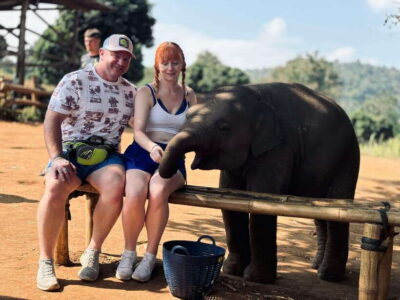
Elephant Sanctuary Feeding Program Half-Day Tour
Read our review →
Elephant Jungle Sanctuary Ethical Feeding Experience
Read our review →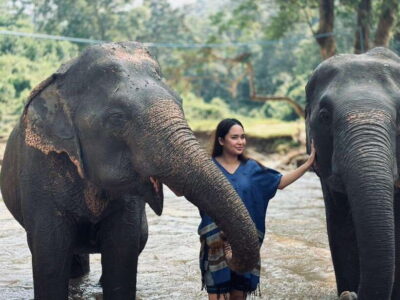
Elephant Sanctuary, Long Neck & Sticky Waterfall
Read our review →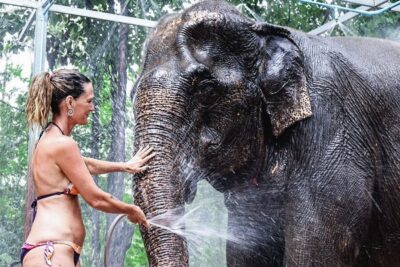
Elephant Bathing Session at Krabi Elephant Shelter
Read our review →
Elephant Sanctuary Guided Tour with Hotel Transfers
Read our review →
Browse the lists this tour appears in