
Reviewed · ELEPHANT SANCTUARIES
Phuket:Beach walk with elephants, rain & care. 2.5 hours
The unusual part here is the setting: you do not simply watch elephants from a platform. You walk with them through a 20-acre habitat, then follow them to a private beach for bathing and brushing. The sea session is the star, especially if you want close contact without riding.
I like the practical conservation lesson at the start, and I like that the program ends with making herb balls for the elephants rather than stopping at photos. Guide Kim has earned special praise for keeping things lively and helping with pictures. The main consideration is that bathing and touching elephants is still an interactive animal experience, so it will not suit anyone who prefers observation only.
Key points to know before you book
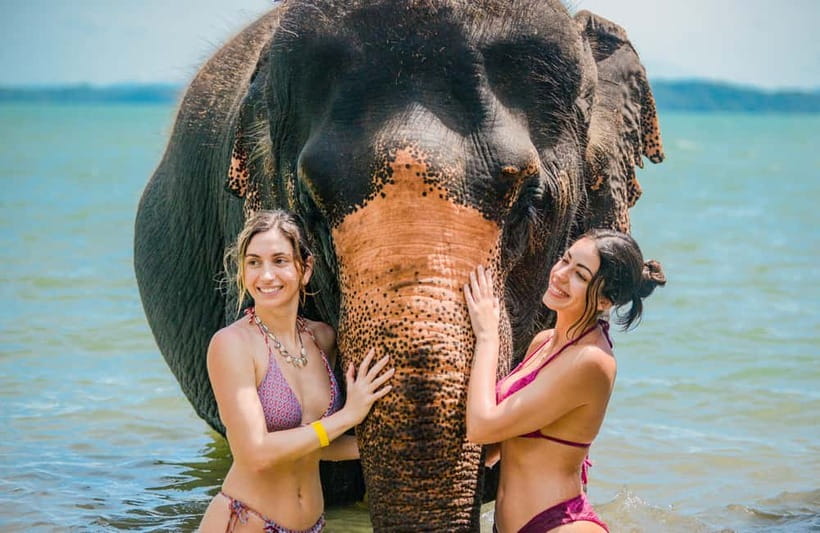
- A rare beach setting: Lily Elephant Camp takes its elephants to a private coastal area near Yamu, a feature that sets this program apart from inland elephant parks.
- Three hands-on activities: You feed, walk with, brush, and bathe the elephants, then prepare natural vitamin balls.
- About 150 minutes on site: The advertised program lasts 2 to 2.5 hours, though transport can make your full outing much longer.
- Good practical facilities: Free coffee and juice, toilets, showers, and changing facilities make the wet portion easier to manage.
- Transport needs careful checking: Hotel pickup is included only with selected transfer options. Extra charges apply from several parts of Phuket.
- Bring reef-friendly supplies: Pack swimwear, a towel, spare clothes, biodegradable sunscreen, insect repellent, and cash for optional photos.
Lily Elephant Camp puts the beach at the center
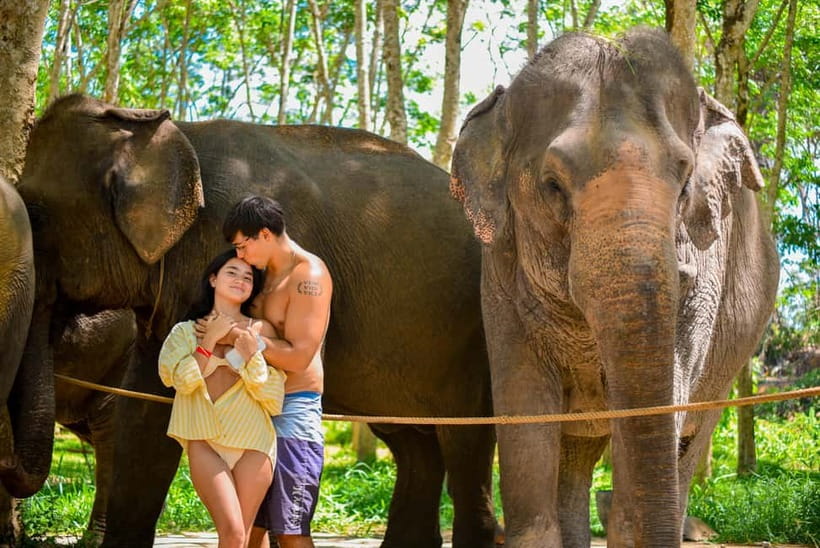
Lily Elephant Camp began in 2023 as Elephant Care Camp at Siray Phuket, then moved to Yamu, Paklok. Its stated aim is elephant care, education, and a more sustainable relationship between people, mahouts, and rescued or retired elephants.
The camp occupies about 20 acres, giving the elephants room to move rather than keeping them in a small display area. The program presents the animals without riding, chains, or forced tricks. You still need to make your own judgment about close-contact sanctuaries, but the structure here places feeding, washing, and learning ahead of performance.
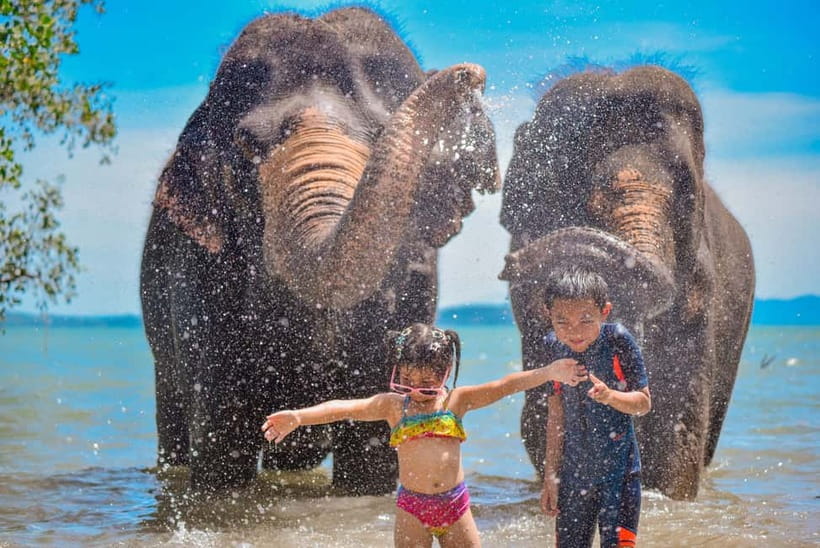
The coastal location changes the feel of the outing. Instead of a standard muddy river bath, you walk toward the sea with the elephants and help brush them in the water. You also get a chance to rinse them and yourself afterward. Expect wet clothes, sandy feet, and plenty of elephant water splashed in your direction.
More Elephant Sanctuaries in Phuket
- Phuket: Elephant Jungle Sanctuary Ethical Feeding Experience
★ 4.8 · 4,359 reviews - Phuket: Elephant Sanctuary Guided Tour with Hotel Transfers
★ 4.8 · 2,020 reviews - A Morning with the Elephants at Phuket Elephant Sanctuary
★ 5.0 · 1,693 reviews
The welcome talk gives the encounter some context
Your visit begins at Lily Elephant Camp, either after a selected hotel pickup or by making your own way there. Search for Lily Elephant Camp on Grab or Google Maps if you are arranging transport yourself. The camp serves Phuket City, Old Town, Kata, Karon, Patong, Yamu Village, and nearby areas, but pickup terms depend on the option you choose.
Before the hands-on activities, an English or Thai-speaking guide explains elephant care and the situation facing elephants in Thailand. This briefing matters. It helps you understand why animals that once worked in logging, transport, or other labor may now live in care facilities instead of being released into the forest.
Some elephants have spent their entire lives around people. Others have injuries or cannot safely fend for themselves. That background does not settle every ethical question, but it explains why a managed sanctuary can be the most realistic option for certain animals.
Pay attention to the handling rules. The point is not to make an elephant perform. You feed, walk, brush, and wash under staff direction. Guides also help with photographs, so you do not have to spend the whole session trying to frame a picture while holding food or a brush.
Feeding time lets you meet the elephants at their pace
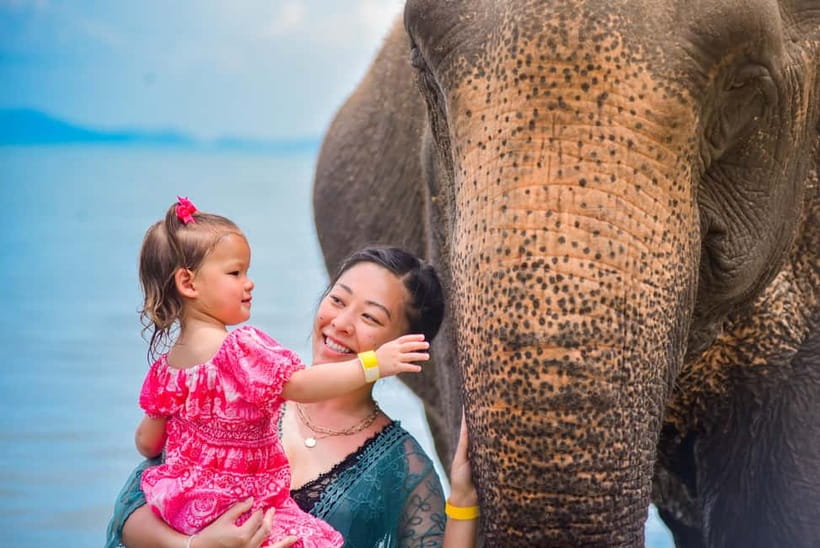
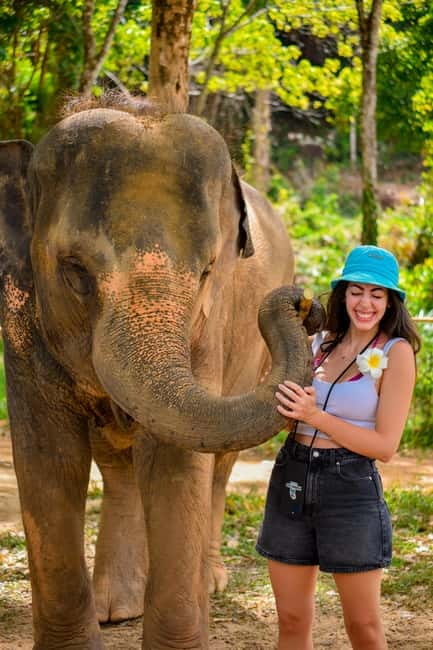
The first close contact usually comes through food. You help feed the elephants, an easy way to begin because it gives you something useful to do instead of simply reaching out to touch a huge animal.
The elephants are described as sociable, calm, and familiar with people, but you should still follow every instruction. Their size can be startling at close range. Keep your hands where the guide shows you, give each animal space, and watch how it responds before moving closer.
This part works well for families. A young child can take part with adult help, though the adults need to stay alert around trunks, feet, and sudden movements. The activity is not a petting zoo, and children should not treat the elephants like oversized dogs.
You may get individual time with the animals, but the number of people in a session can affect that. One account described around 40 participants with five elephants, while still allowing time for personal interaction and pictures. That is a useful warning: the experience can feel personal, but it is not guaranteed to be a private encounter.
The 15 to 20 minute walk leads toward the water
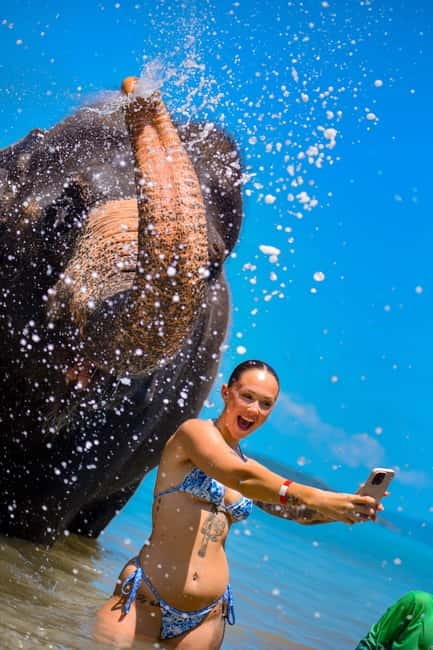
The nature walk with the elephants lasts about 15 to 20 minutes. It is short, but it gives the program a useful rhythm. You are not standing in one place for the entire morning. Instead, you move with the animals toward the beach and see them in a more open setting.
The walk is part jungle path and part coastal outing, based on the program description. The appeal is less about covering distance and more about moving at elephant speed. That means a slower, stop-and-start pace rather than a brisk hike.
Wear footwear that can handle water and uneven ground. One important caution comes from a reported accident in the sea: sharp rocks and sea urchins were present in the water, and one participant cut a foot after removing water shoes. Follow the guide’s instructions, but also ask for a clear reason before removing protective footwear. If you have sensitive feet, sturdy water shoes are worth considering, provided staff allow them.
The beach is private to the camp, giving the encounter a more secluded feel than a public Phuket shore. You get ocean views and a natural backdrop for photographs, but the area is still a working activity site. Do not expect a polished resort beach or a long stretch of free time to swim on your own.
More Walking Tours in Phuket
- Phuket: Bukit Elephant Park Sanctuary Walk and Feed Tour
★ 4.9 · 926 reviews - World B+ (Zipline 18 Platforms + Roller + Sky Walk with World Set Menu )
★ 5.0 · 218 reviews - World A+ (Zipline 32 Platforms + Roller + Sky Walk with World Set Menu )
★ 5.0 · 215 reviews - Phuket Food Tour and City Walk by Jane
★ 5.0 · 109 reviews
Bathing and brushing are the main event
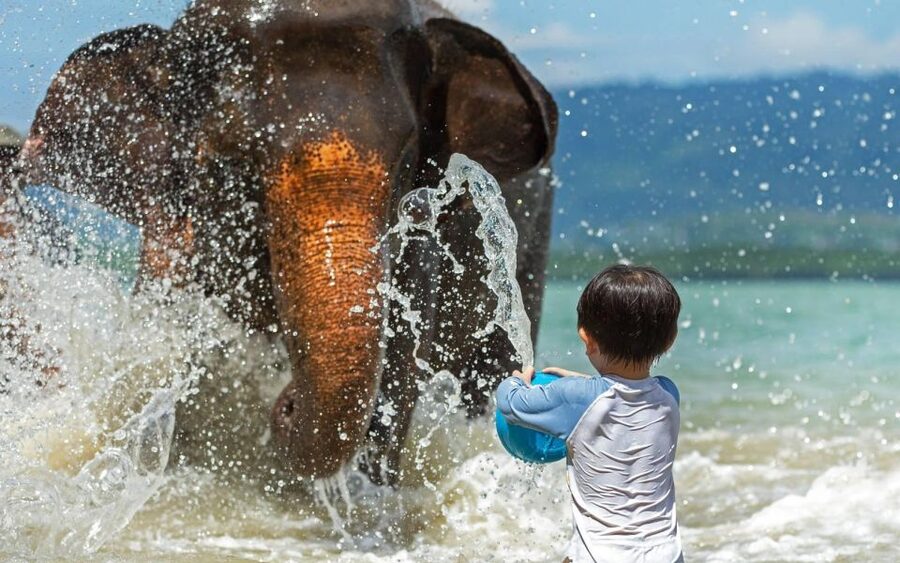
The sea bath is the reason many people choose this particular program. You help wash and brush the elephants while they stand or move in shallow coastal water. It is playful, physical, and more memorable than simply watching an elephant eat.
The staff describes the activity as swimming and bathing with the elephants, though the practical focus is washing and brushing rather than swimming laps. You may get wet from the sea, hoses, trunks, and enthusiastic elephant splashing. Wear swimwear and bring a complete change of clothes.
This is also the point where the ethical question becomes most personal. The camp says the elephants are free from riding, chains, and torture, and the program is built around care rather than tricks. Still, some animal advocates prefer no bathing, touching, or feeding by visitors at all. If your own standard requires observation only, choose a sanctuary with that model instead.
For most people booking this activity, the direct contact is the attraction. The important thing is to let the elephant set the pace within the guide’s instructions. Do not climb on an elephant, pull its trunk, crowd its face, or insist on contact when it moves away.
After the sea session, you shower the elephants and yourself. That small detail makes the program more comfortable. Salt, sand, and mud do not have to remain on your skin for the rest of the day, and the elephants receive another rinse after their beach time.
Making herb balls gives the visit a useful finish
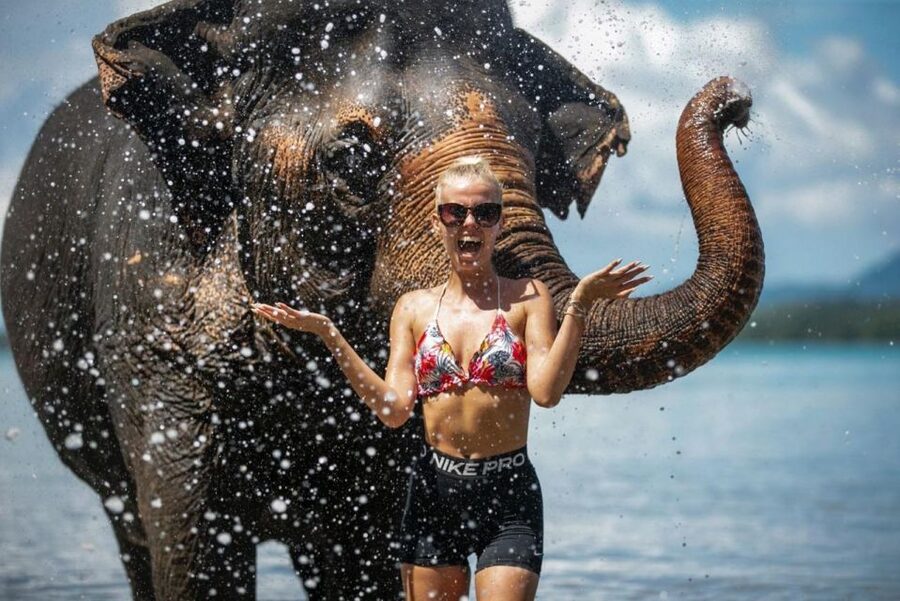
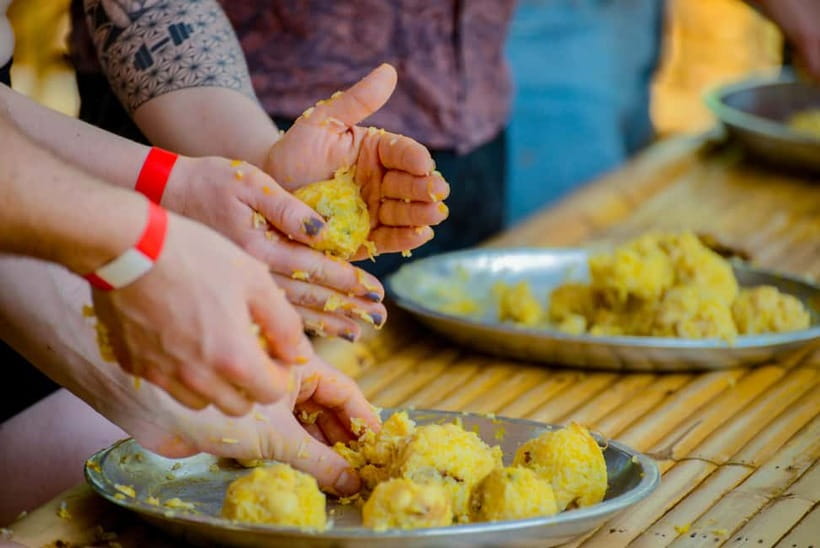
The final activity is preparing vitamin balls, also called herb balls, for the elephants. You help combine natural supplements into food that supports their ongoing care.
This is a modest activity, but I like its purpose. The experience does not end with a selfie beside an elephant. You get a glimpse of the daily work involved in feeding and maintaining large animals, including the less glamorous part of care.
It also gives the group a calmer ending after the noise and movement of the beach. Expect a short demonstration and hands-on preparation rather than a full cooking class. The guide can explain what goes into the supplements and how they fit into the elephants’ diet.
The guides shape the quality of the visit
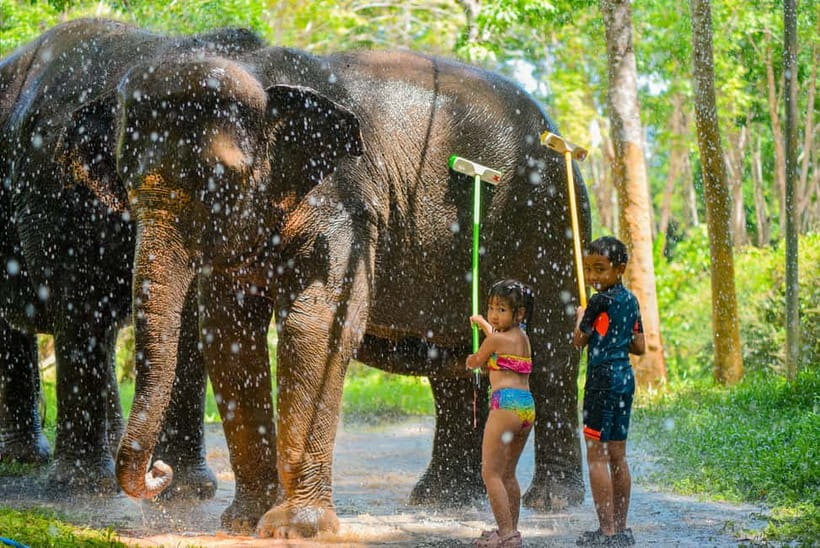
The staff generally receive strong praise for being friendly, patient, and willing to help with photographs. Kim is singled out as a funny and helpful guide who explains the animals and keeps the schedule moving without making the group feel rushed.
English and Thai are the stated tour languages. One concern is that not every staff member in the water may speak English comfortably. That matters when you are being directed around large animals or asked to change footwear, so listen closely during the briefing and ask questions before entering the sea.
Photography help is part of the experience, even when you use your own phone. Guides can assist with quick pictures while you feed or brush the elephants. Professional photography is optional, not compulsory. Prices can vary by package, with rates advertised from 300 Thai baht, while a set of 10 digital images has been sold for 1,500 baht. That is a noticeable extra cost, so decide in advance if you want the package.
The camp reportedly offers coffee and juice, along with clean toilets and showers. Those basics matter after a wet activity, especially for families or anyone heading to another part of Phuket afterward.
What the $59 price includes
At about $59 per person, the program is not Phuket’s cheapest animal encounter. The value comes from the combination of a guided elephant visit, food, a nature walk, beach bathing, showering, herb-ball preparation, and an English-speaking guide.
The beach setting is the main reason to pay more than you might for a simple feeding session. You are also buying a fairly full 2 to 2.5 hours, not just a short photo stop. The camp provides elephant food, accident insurance, and access to the activities listed in the program.
Transport can change the final price. Hotel pickup and drop-off for Phuket City, Old Town, Kata, Karon, and Patong are included only when you select the transfer option at booking. Standard transfer fees of 300 Thai baht per person apply to Panwa, Chalong, Rawai, Surin Beach, Mai Khao, Nai Yang, Nai Thon, Nai Harn, and Siray.
If you book the program without transport and later ask to use the shuttle, the stated charge is 750 Thai baht per person. Check your hotel zone and booking choice before paying. A cheaper activity can lose its value if you add an unexpected transfer later.
Allow more time than the advertised 150 minutes if you use shared transportation. Pickup routes can involve several hotels, and one outing lasted close to eight hours from collection to return. That is not the time spent at the camp, but it can consume much of your day.
What to pack for a wet coastal outing
Bring swimwear, a towel, dry clothes, sunglasses, a sun hat, sunscreen, a camera, and cash. Biodegradable sunscreen and insect repellent are specifically requested, which is sensible around water and animals.
I would put a waterproof phone pouch near the top of the list. Your phone may be handled with wet hands, and the beach portion involves spray and splashing. Bring footwear suitable for both rough ground and water, but follow the camp’s instructions about what can be worn in the sea.
Tell the operator in advance about food allergies or medical conditions. This is especially important because the program includes food preparation and physical activity around large animals. Drones are not allowed.
The activity is listed as wheelchair accessible, but the walk to the beach and the wet areas may still require practical discussion. Contact the provider ahead of time if you need specific assistance, rather than assuming every part of the route will be easy.
Who will enjoy Lily Elephant Camp most
This is a strong fit if you want close contact, have no problem getting wet, and would rather take part in care activities than watch a staged elephant show. Families can enjoy the variety, and the short walk, feeding, beach bath, and food preparation keep the outing moving.
It also suits first-time visitors who want a basic introduction to elephant welfare in Thailand. The opening talk gives you context before contact, and the guides explain how to behave around the animals.
You may want another type of sanctuary if you prefer no touching, no bathing, and no feeding. You should also think twice if you dislike group activities, since the beach session can include many people around a small number of elephants.
The program is less suitable for someone planning a tightly packed Phuket day. Shared transfers can take much longer than the time spent at the camp. If you have a flight, ferry, or fixed excursion later, arrange your own transport or leave a generous gap.
Should you book this elephant and beach experience?
I would book Lily Elephant Camp if the sea bath is your main reason for choosing an elephant activity and you accept a hands-on format. The combination of feeding, a short nature walk, coastal bathing, showers, and herb-ball preparation gives you more substance than a quick photo visit.
Before booking, check three things: the transfer option, the expected group size, and your own view of animal contact. Bring water shoes or ask clearly about footwear, budget separately for optional photos, and allow extra time for the drive.
For the right visitor, the $59 price is reasonable because the beach setting and length of the program make it more than a basic encounter. If you want a strictly hands-off conservation visit, choose another model. If you want a guided, wet, family-friendly morning with elephants and ocean views, this is one of Phuket’s more distinctive choices.
FAQ
How long does the elephant experience last?
The advertised program lasts 150 minutes, or about 2 to 2.5 hours. Hotel transfers can make the full outing much longer.
Where is Lily Elephant Camp located?
The camp is in Yamu, Paklok, Phuket. It was previously located on Siray Island and now operates from a 20-acre site near the coast.
What activities are included?
You feed the elephants, walk with them in nature for about 15 to 20 minutes, brush and bathe them at the beach, shower them afterward, and prepare herb vitamin balls.
Is hotel pickup included?
Pickup and drop-off for Phuket City, Old Town, Kata, Karon, and Patong are included only when you select the transport option during booking. Extra fees apply to several other Phuket areas.
What should I bring?
Bring swimwear, a towel, spare clothes, sunglasses, a hat, sunscreen, biodegradable insect repellent, a camera, and cash. Biodegradable sunscreen is recommended.
Can I cancel or pay later?
You can cancel up to 24 hours before the activity for a full refund. A reserve-now-and-pay-later option is also available.
Just added around Phuket
- The Upside Down House: Phuket’s Must-See Attraction★ 4.7 · 13 reviews
- Siam Niramit Phuket Admission Ticket with Transfer Option★ 4.6 · 49 reviews
- Simon Cabaret Phuket Show Included Tickets and Transfer★ 4.4 · 155 reviews
- Phuket: Zipline Flying Higher than a Hawk with ATV Option★ 4.7 · 33 reviews
- Phuket:City Tour,Big Buddha, Forest Safari Tiger Park Canopy★ 3.6 · 15 reviews
- Phuket: White Water Rafting and Jungle Adventure with Lunch★ 3.9 · 192 reviews
- Phuket: White Water Rafting, ATV, and Zipline Adventure★ 3.1 · 35 reviews
- Phuket: Tu Bar Rooftop at Sri Panwa F&B Packages★ 4.5 · 22 reviews
Elephant Sanctuaries, compared.
Elephant Sanctuary, Waterfall & Bamboo Rafting
Read our review →
Elephant Sanctuary Feeding Program Half-Day Tour
Read our review →
Elephant Jungle Sanctuary Ethical Feeding Experience
Read our review →
Elephant Sanctuary, Long Neck & Sticky Waterfall
Read our review →
Elephant Bathing Session at Krabi Elephant Shelter
Read our review →
Elephant Sanctuary Guided Tour with Hotel Transfers
Read our review →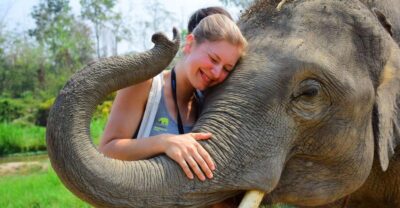
Browse the lists this tour appears in