
Reviewed · CANOES & KAYAKS
Ko Lanta: Mangrove Kayaking, Ko Talabeng, & Skull Island
Ko Lanta’s best adventure is not just a kayak trip. It is a full day of mangrove paddling, sea kayaking, cave climbing, swimming, and island-hopping, with enough variety to keep the day moving. The Skull Island climb is the surprise centerpiece: short, steep, exposed in places, and far more physical than the title suggests.
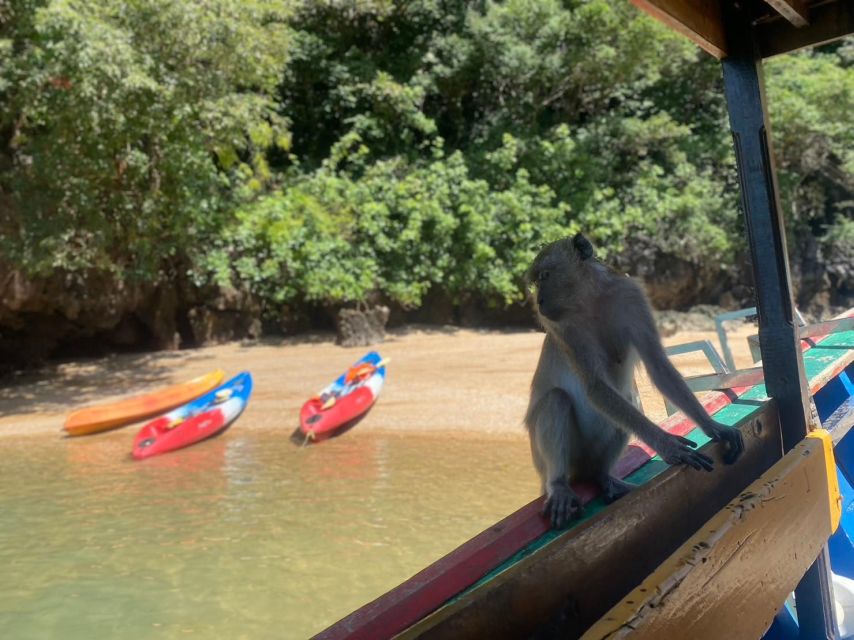
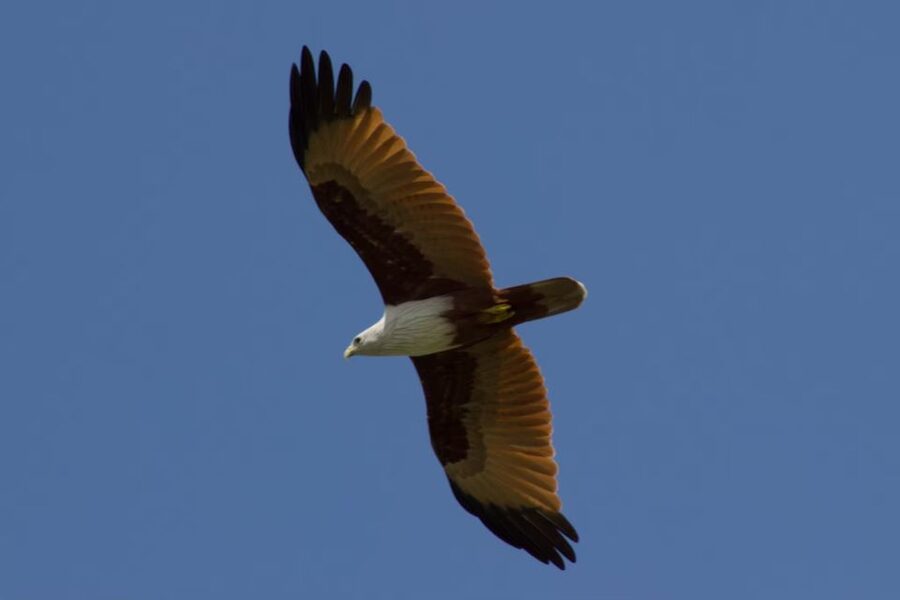
I like the quiet setting around Ko Talabeng and the chance to see monkeys, mudskippers, crabs, lizards, and birds without the usual crowds. I also like the family-run feel, the generous homemade lunch, and guides such as Faris and Forest, who keep the mood light with music, jokes, and the much-repeated Easy Banana encouragement. The main drawback is clear: this is not suitable for anyone uneasy with heights or unable to manage a steep climb.
Key points to know before booking
- Skull Island is a genuine climb: Expect steep rock, narrow passages, a long descent, and exposed sections rather than a simple viewpoint walk.
- The day mixes three kinds of water time: You kayak through mangroves, paddle around rocky islands, and enter a sea cave.
- Ko Talabeng feels quieter than the better-known island trips: The scenery is dramatic, with cliffs, caves, beaches, and clear water.
- The lunch stop is part of the appeal: You eat on Ko Talabeng Noi, then have time to swim and relax.
- Guides make a big difference: Faris, Forest, and the wider team are described as patient, funny, encouraging, and helpful with tricky foot placements.
- Wear real shoes: Sports shoes or sturdy closed-toe sandals are far safer than flip-flops or loose beach sandals.
Why this seven-hour trip feels different from a standard island tour
Many Ko Lanta excursions revolve around a boat ride, a beach stop, and a few hurried photographs. This one asks more of you, but it gives you more to do in return. You spend the morning and afternoon moving through different settings: mangrove channels, limestone rock, open coastal water, a sea cave, and a quiet beach.
The price is about $63 per person. That is fair value if you want an active day rather than a simple transfer to the sand. Hotel pickup and drop-off, the longtail boat, guide, lunch, fruit, soft drinks, drinking water, kayak equipment, waterproof bag, parking, and wharf fees are included.
The value improves if you would otherwise book separate mangrove kayaking and island trips. You also get a small-group feel on many departures, though the exact group size is not fixed. The tradeoff is that this is not a restful boat cruise. You will paddle, climb, get wet, and spend much of the day outdoors.
More paddling trips around Koh Lanta:
- Ko Lanta: Half-Day Mangrove Kayaking Tour with Lunch
★ 4.7 · 806 reviews - Ko Lanta: Half-Day Kayaking, Talabeng, Sea Cave & Mangrove
★ 4.6 · 153 reviews - Ko Lanta: Half-Day Kayaking Koh Phee & Koh Talabeng 2 Caves
★ 4.5 · 67 reviews
From Ko Lanta hotel pickup to Baan Loh Yai Pier
The day begins with pickup in Ko Lanta District. Wait in your hotel lobby about 15 minutes before the scheduled time. The transfer takes you to Baan Loh Yai Pier, where you board a longtail boat with the kayaks and equipment.
The boat ride is more than a transfer. It gives you a first look at the low islands and rocky coastline around Ko Lanta, with time for sightseeing and photographs. The eastern side feels more local and less developed than the main beach strip, which helps explain why the trip has a quieter character.
Transport comfort may vary. Most guests describe the day as well organized, but one practical complaint concerned an uncomfortable pickup vehicle and fumes during the drive. If you are sensitive to road transport, it is worth asking what vehicle is being used when you book. The boat portion is a pleasant part of the outing, but the road ride can be less polished than the activities themselves.
Skull Island: the thrilling part that needs an honest warning
The stop known as Skull Island, or Koh Daeng and Koh Phee depending on the route, is the part you should understand before paying. You hike and climb through the island’s rock formations toward the cave and the openings often described as the skull’s eyes.
This is not a casual stroll. The route includes vertical rock, steep sections, narrow passageways, and a long descent. Some parts require you to place your feet carefully and lower yourself down rock. You may also find yourself climbing inside the cave rather than simply standing at its entrance.
The guides are an important safety support. Faris and the other guides help show you where to put your feet, wait for people who need more time, and encourage anyone who becomes nervous. That makes the climb manageable for many reasonably fit people, including some older participants who are comfortable with active outings. It does not remove the physical demands.
You should skip this tour if you are pregnant, have heart problems, are afraid of heights, or cannot safely handle steep rock. The stated limits also exclude people over 70 and people over 209 pounds, or 95 kilograms. Those limits are worth taking seriously. The activity provider may allow you to remain in the lower area if you do not want to climb, but you should not book this trip expecting a fully separate easy option.
Wear sports shoes or firm closed-toe sandals with a secure grip. Flip-flops are a poor choice. Crocs worked for one participant, but that is not a recommendation to rely on them. Your feet need protection and stability on uneven, possibly wet rock.
The payoff is strong. From the upper openings, you get unusual views through the stone, and the cave gives the day a sense of adventure that ordinary island sightseeing cannot match. It is also the moment when the tour earns its active label.
Mangrove kayaking among crabs, birds, and monkeys
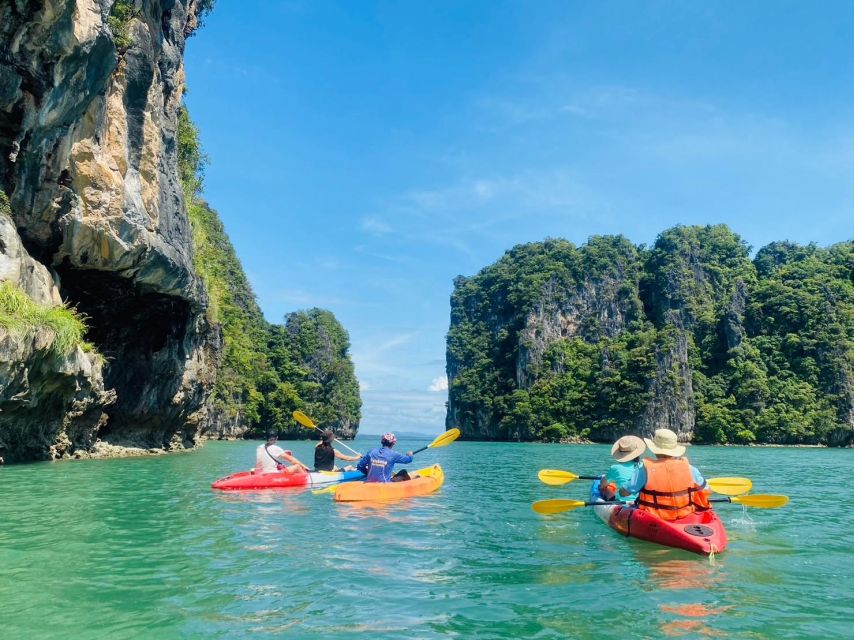
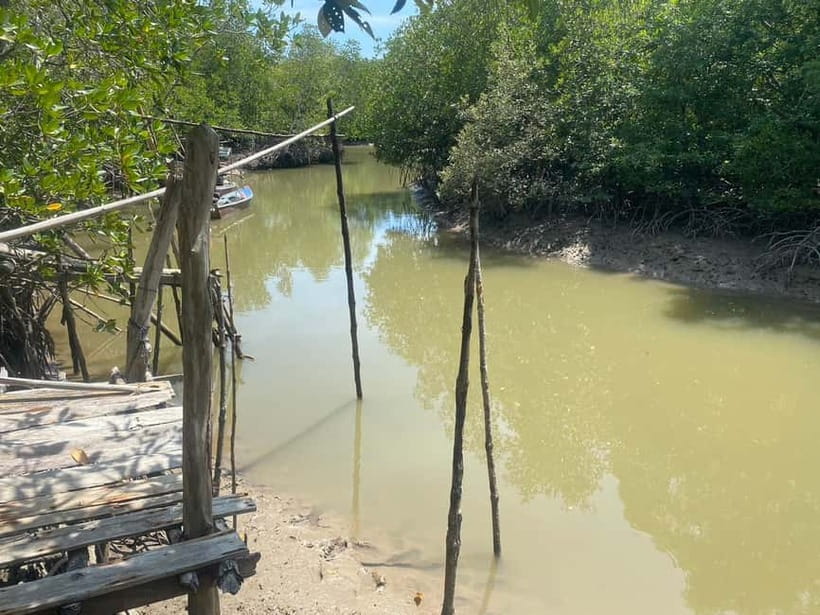
The mangrove portion takes you into a shoreline forest where salt-tolerant trees rise around narrow waterways. You receive basic instruction before setting off in a hard-shell kayak. If you prefer not to paddle alone, you can choose a double kayak with a guide.
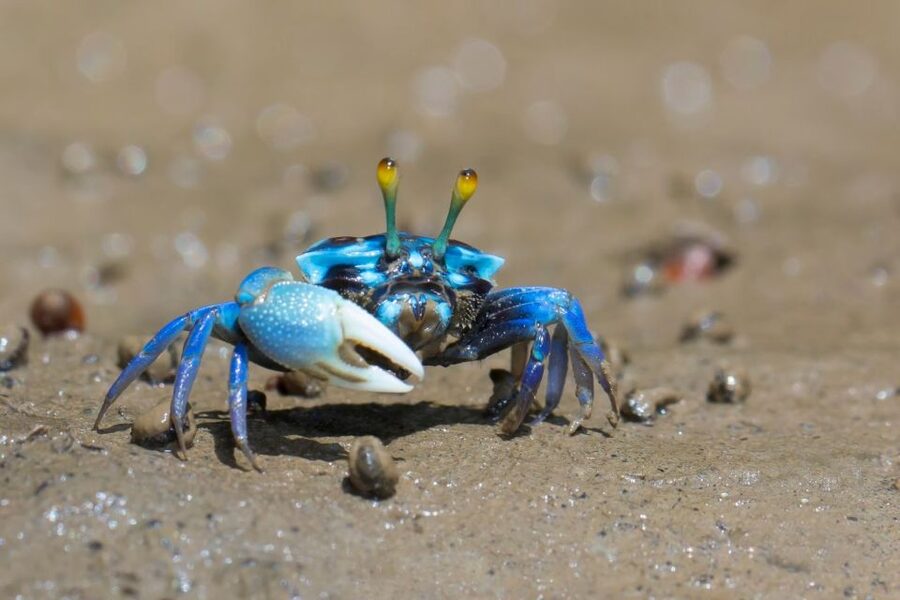
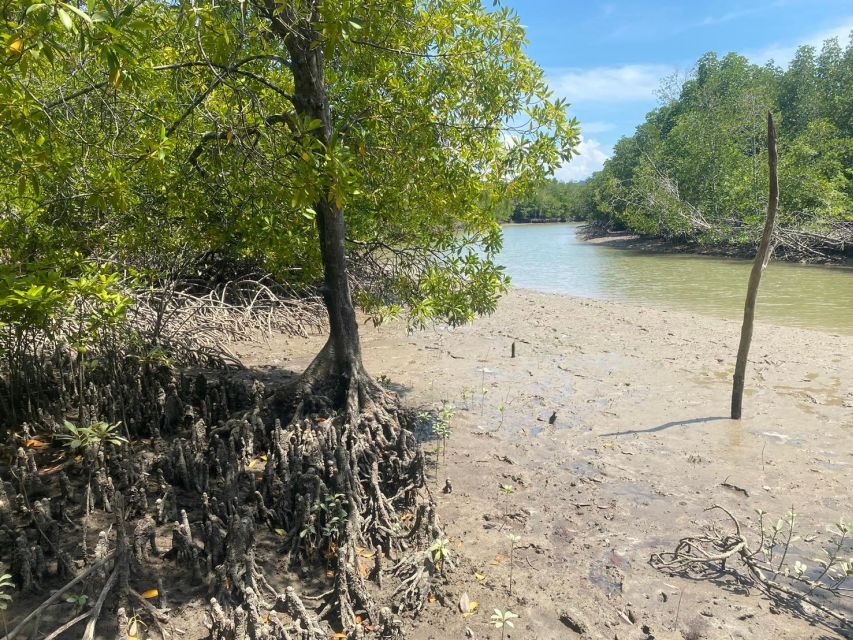
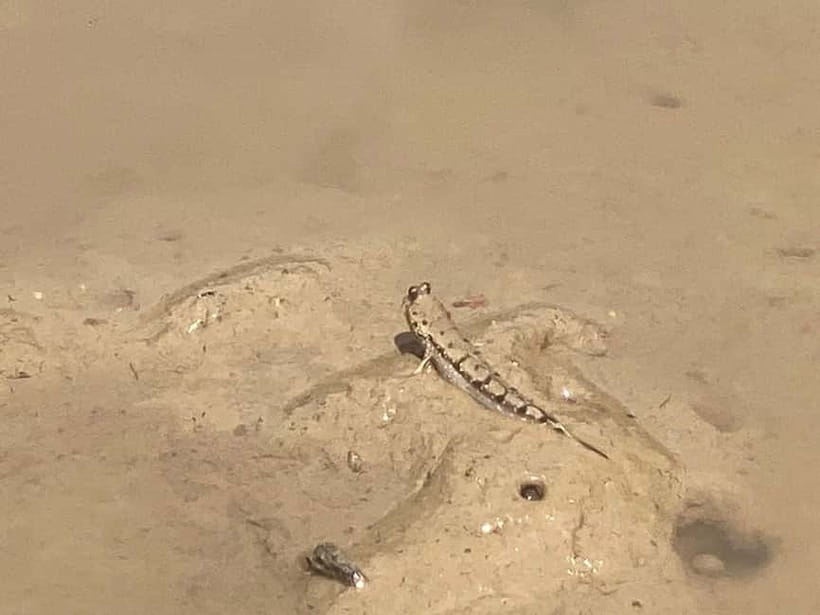
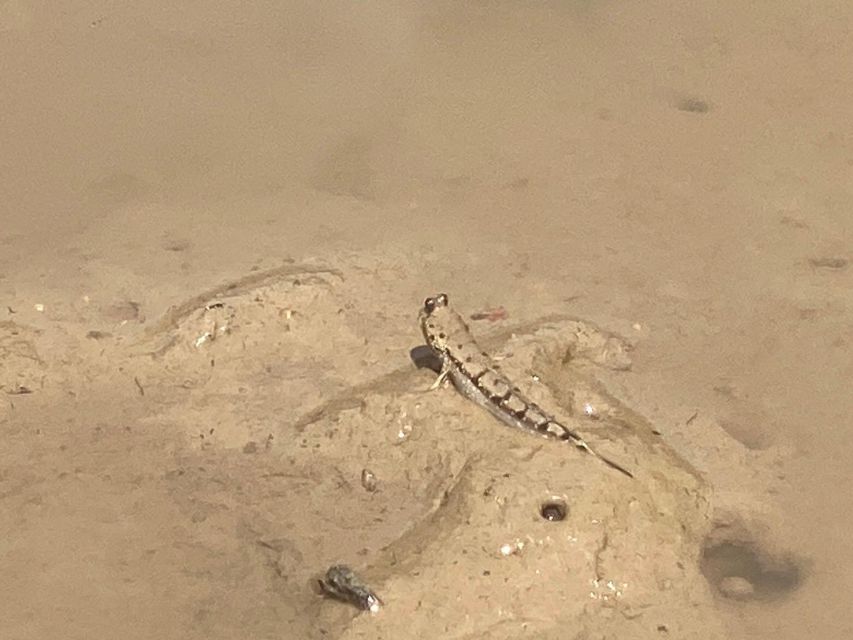
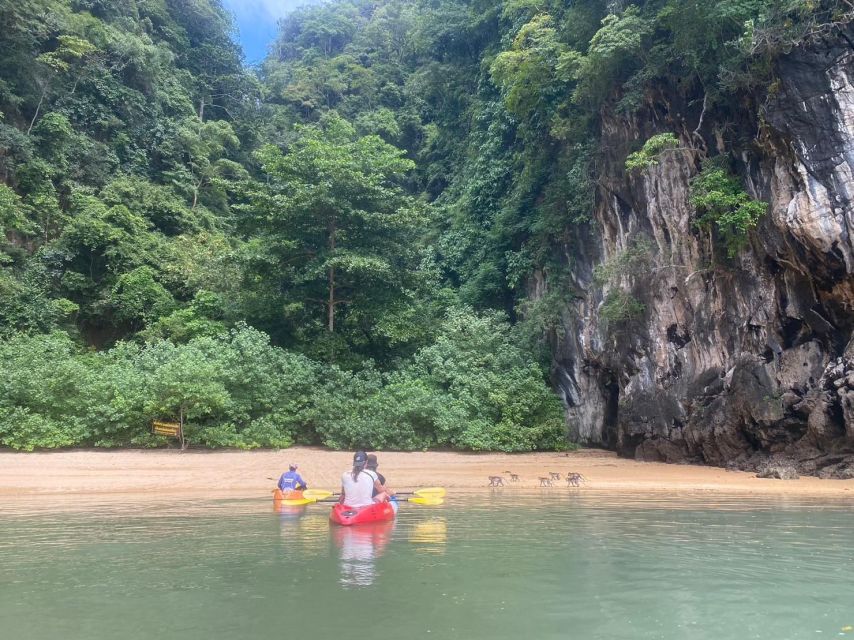
Mangrove kayaking rewards patience. The scenery is close and detailed rather than grand from a distance. Look down for crabs and mudskippers, along the banks for lizards, and into the branches for birds. Monkeys may appear near the water or along the shore. The guides add value here because they can point out small movement that you might paddle past.
Tide matters. At low tide, some channels may be inaccessible, and the mangrove section can feel less exciting than the sea kayaking. That is a natural limitation, not poor planning. The route depends on weather and sea conditions, and the operator may change the order or parts of the program.
The kayaks give you a quiet way to see the ecosystem. You are not simply looking at trees from a motorboat. You move slowly, hear the water close to the hull, and can pause when the guide spots wildlife. Bring the waterproof bag for your phone and valuables, but still secure your camera carefully. One guest lost a phone after tipping a kayak in muddy water, so waterproof protection is sensible even on calm-looking water.
A few more Koh Lanta days worth weighing up
- Koh Lanta: Adventure Sea Tour to Koh Rok and Koh Haa
★ 4.7 · 828 reviews - Koh Lanta: 4 Islands, Emerald Cave & Koh Kradan by Longtail
★ 4.4 · 766 reviews - Koh Lanta: 4 Islands and Emerald Cave Tour by Longtail Boat
★ 4.5 · 507 reviews - From Koh Lanta: Koh Haa & Koh Rok Snorkel Tour by Speedboat
★ 4.7 · 403 reviews
Ko Talabeng’s cliffs, caves, and clear water
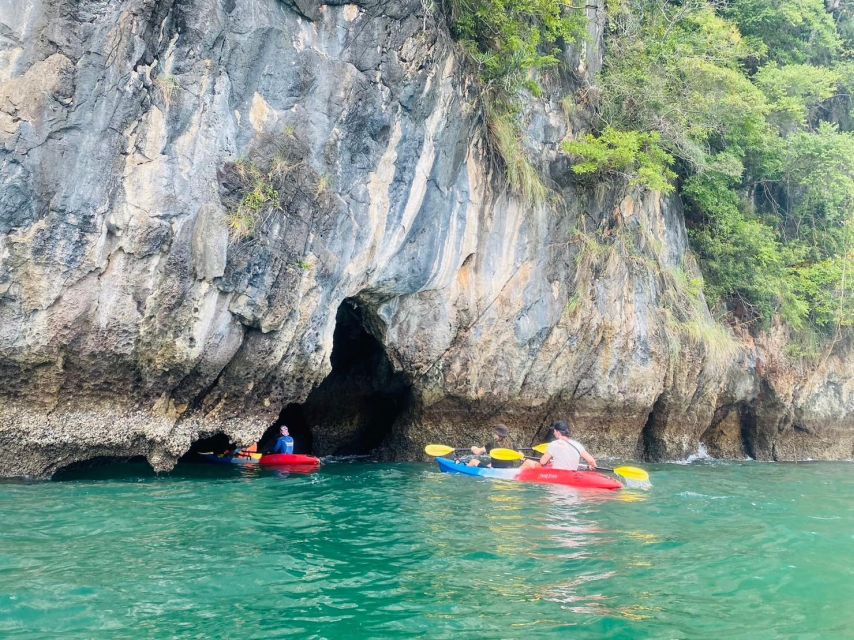
After the early activities, the tour continues toward Ko Talabeng. This is the strongest scenic section for many people. The island has steep rock walls, sea caves, open water, and small beaches that feel far removed from Ko Lanta’s main resort area.
You paddle close to the coastline, with time for photographs and short breaks. The hard-shell kayaks let you get nearer to the cliffs and into spaces that a larger boat cannot reach. The setting has some of the same drama people seek on more famous island excursions, but the quieter route can make the experience feel less like a procession.
The sea cave is a highlight. You enter crystal-clear water beneath the rock and see stalactites and stalagmites inside. Conditions can affect access, so the exact cave experience depends on the sea. Still, this is a memorable contrast with the mangrove channels: one is broad, muddy, and full of small wildlife; the other is enclosed, rocky, and shaped by the sea.
Swimming breaks are built into the day. You may stop at Ko Talabeng or another pristine beach, giving your shoulders a rest after paddling. The water is a welcome reset after the Skull Island climb, especially in warm weather.
A generous picnic on Ko Talabeng Noi
Lunch is served on the beach at Ko Talabeng Noi. The meal includes fresh fruit and soft drinks, and the food is described as homemade and filling rather than a small box of snacks. That matters on an active tour. By this point, you have climbed, paddled, and spent time in the heat.
The beach stop gives the day a useful pause. Eat first, then swim in the turquoise water or sit in the shade if you need to cool down. You are not expected to rush through lunch and race straight back to the boat.
Food is one of the strongest parts of the experience, especially if you value local, family-run hospitality. Do not expect a formal restaurant setting. This is a picnic on a scenic beach, so keep your expectations in the right place. Bring cash for personal extras and a towel for the swim.
The guide can make or break an active day
The tour’s personality comes from the guide team. Faris and Forest are names associated with the guiding, and the team is known for a playful, warm approach. Singing during the drive or boat ride, telling stories, taking photographs, and calling out Easy Banana during the climb all help keep the group relaxed.
That energy is not just entertainment. On Skull Island, a patient guide who explains each foothold can turn a frightening section into a manageable one. The team also helps with photographs, which is useful because you may not want to handle your phone while climbing or paddling.
English is the stated tour language. Communication may not be perfect for every person, but the activity itself is demonstrated physically, and the guides stay close during the more demanding sections. If you need extra help, say so early rather than trying to keep up silently.
The family-run style is another reason this trip feels personal. It is less polished than a large commercial operation, but that can be a positive if you prefer local contact and a guide who takes a real interest in the group.
What to bring for comfort and safety
Pack lightly, but bring the items that matter:
- A change of clothes and a towel
- Sports shoes or secure closed-toe sandals
- Sandals for easier beach use
- A camera or phone in a waterproof case
- Cash
- Drinking water, though water is included
- A waterproof bag for small valuables
You will get wet from kayaking and swimming, and the cave section may leave your clothes damp or dirty. Keep valuables to a minimum. Alcohol and drugs are not allowed, and pets cannot join the trip.
The tour runs rain or shine, but the route can change with weather and sea conditions. Rain may make the day cooler and atmospheric, but it can also affect visibility, water access, and the comfort of the rock climb. A flexible attitude helps.
Who should book this adventure
I would choose this trip if you want a full activity day and prefer quiet scenery to crowded photo stops. It suits people who enjoy paddling, swimming, wildlife, and a physical challenge in the same outing.
It is also a good choice for couples, active families with suitable older children, and anyone who has already seen Ko Lanta’s main beaches and wants something less ordinary. The small-group feel on some departures adds to the appeal, especially when you are climbing or paddling through narrow areas.
I would not choose it for a relaxed beach day, a first outing after an injury, or anyone who dislikes heights. The Skull Island climb is the deciding factor. You can remain below the upper section, but you will miss the most unusual part of the tour.
The trip runs for about seven hours, including pickup and return within Ko Lanta District. Free cancellation is available up to 24 hours before departure, and you can reserve now and pay later. Those policies are useful if your island plans depend on weather.
Should you book Ko Lanta’s Skull Island and kayaking tour?
Yes, if you are reasonably fit and want the most varied day of adventure around Ko Lanta. The combination of mangroves, monkeys, caves, cliff views, swimming, a quiet beach, and homemade food gives you far more than a standard kayak outing.
Book something else if your idea of island time means staying seated, avoiding heights, or keeping your feet dry. This tour asks you to work for the views. For the right person, that is exactly why it is worth the $63.
FAQ
How long does the Ko Lanta kayaking and Skull Island tour last?
The activity lasts about seven hours, including hotel pickup and return within Ko Lanta District.
What is included in the price?
Hotel pickup and drop-off, a tour guide, lunch, seasonal fresh fruit, soft drinks, drinking water, kayaking equipment, a waterproof bag, parking fees, and wharf fees are included.
Is the Skull Island climb difficult?
Yes. It includes steep and vertical sections, narrow cave passages, and a long descent. You need reasonable fitness and should not be afraid of heights.
Can I kayak with a guide instead of paddling alone?
Yes. You can receive basic kayaking instruction and paddle a single kayak in shallow coastal water, or choose a double kayak with a guide.
What wildlife might I see?
Possible sightings include monkeys, birds, lizards, crabs, and mudskippers, especially around the mangrove forest and island coast.
Is lunch provided?
Yes. A picnic lunch is served on the beach at Ko Talabeng Noi, with fresh fruit and soft drinks included.
Can I swim during the tour?
Yes. The itinerary includes swimming breaks at scenic beaches and time in the clear water near the sea cave and Ko Talabeng area.
What footwear should I wear?
Bring sports shoes or secure closed-toe shoes for the Skull Island climb. Flip-flops are not suitable. Sandals can be useful for the beach, but they should not replace sturdy footwear for the rocks.
Can children, pregnant people, or older participants join?
The activity is not suitable for pregnant women, people with heart problems, people afraid of heights, people over 70, or people over 209 pounds, or 95 kilograms. The climb also makes reasonable fitness essential.
Just added around Koh Lanta
- Koh Lanta:Mangrove + Elephant Camp Half Day Tour★ 4.6 · 53 reviews
- koh lanta:National Park and Old Town Easy Half Day Tour★ 4.2 · 32 reviews
- Koh Lanta: Sea Cave Kayaking and Talabeng Island Tour★ 4.3 · 50 reviews
- Koh Lanta: Ultimate Kradan Island Escape by Longtail Boat★ 4.5 · 19 reviews
- Koh Lanta: Lunch Course at Lanta Thai Cookery School★ 4.9 · 139 reviews
- Koh Lanta: Koh Rok and Koh Haa Snorkeling Adventure★ 4.3 · 57 reviews
- Koh Lanta Cultural Tuk-Tuk Tour: Old Town, Batik & Mangroves★ 4.7 · 64 reviews
- Koh Lanta: 4 Islands and Emerald Cave Snorkeling Trip★ 3.6 · 28 reviews
Canoes & Kayaks, compared.

Phang Nga Bay Sea Cave Canoeing & James Bond Island by Big Boat
Read our review →
Koh Samui: Mu Ko Ang Thong Park Cruise with Kayaking Option
Read our review →

James Bond Island Longtail Boat and Sea Canoe Tour
Read our review →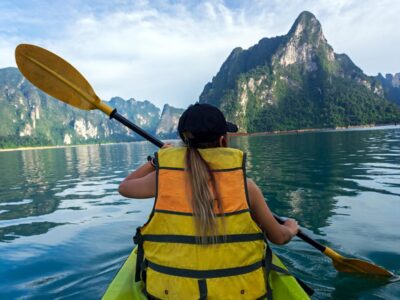
Kayak Adventure through Ao Thalane Mangrove Forest
Read our review →
Hong by Starlight: Sea Cave Kayaking and Loy Krathong Floating
Read our review →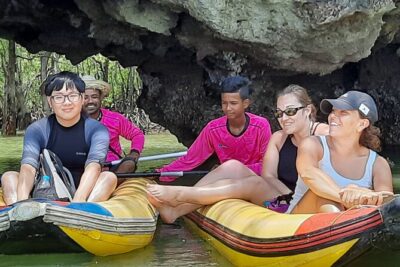
James Bond Island with Canoeing and Lunch by Speedboat
Read our review →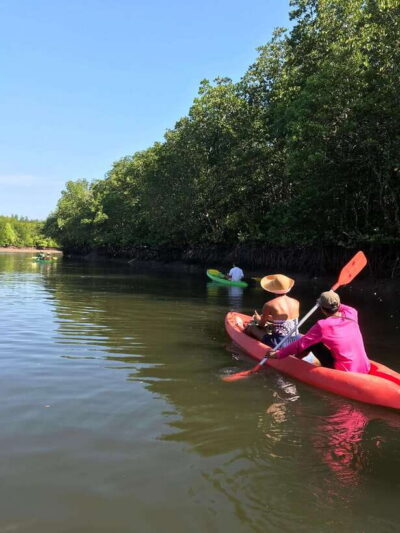
Ko Lanta: Half-Day Mangrove Kayaking Tour with Lunch
Read our review →Browse the lists this tour appears in